

1841: The Supreme Court Frees the Amistad Africans
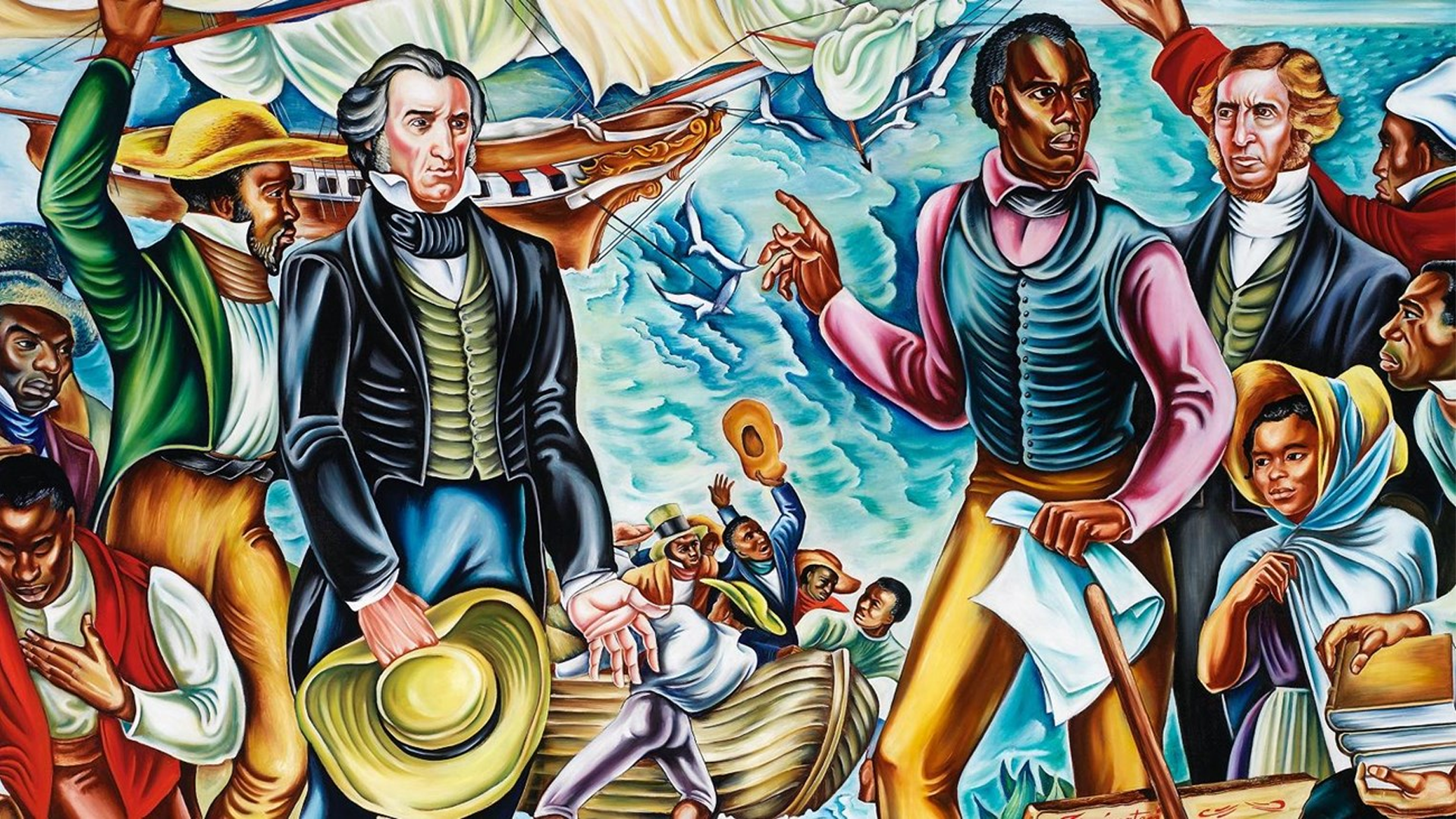
The U.S. Supreme Court ruled that the Africans who had taken control of the slave ship Amistad were illegally enslaved and therefore free under American law.
What Happened?
In the early 1800s, millions of Africans were being forced into slavery through the transatlantic slave trade. Although the United States and Great Britain officially banned the importation of enslaved Africans in 1807, illegal slave trading continued in many parts of the world. In 1839, a group of 53 Africans were kidnapped from their homes in West Africa and transported across the Atlantic under brutal conditions.
After arriving in Cuba, the captives were sold and placed aboard a Spanish ship called the Amistad, which means 'friendship' in Spanish. They were being transported to work on sugar plantations. But only a few days into the voyage, the captives, led by a man named Sengbe Pieh—often called Cinqué—rose up against their captors and took control of the ship, hoping to sail back to Africa.
Because they did not know how to navigate across the ocean, the Africans forced two surviving crew members to steer the ship toward Africa. Instead, the sailors secretly guided the vessel north toward the United States. After nearly two months at sea, the Amistad was discovered near Long Island, New York, and the Africans were taken into custody by American authorities.
The case quickly became a national controversy. Spanish officials and the U.S. government argued that the Africans should be returned to Cuba and punished for piracy and murder. However, abolitionists—people who opposed slavery—argued that the captives had been illegally enslaved and were simply fighting for their freedom.
The legal battle eventually reached the United States Supreme Court. Former president John Quincy Adams joined the defense team and passionately argued that the Africans had a natural right to resist slavery. Pointing to the ideals of freedom found in the Declaration of Independence, Adams insisted that the law should recognize their humanity and liberty.
On March 9, 1841, the Supreme Court ruled in favor of the Africans. The justices determined that they had been illegally captured and enslaved and therefore had the legal right to defend their freedom. The court ordered that they be released and allowed to return to Africa.
With the help of abolitionist supporters who raised money for their journey, the surviving Africans sailed back to Sierra Leone later that year. The Amistad case became a powerful symbol in the fight against slavery and showed how courage, legal advocacy, and public support could challenge injustice.
Why It Matters
The Amistad decision showed that the law could recognize the humanity and rights of people who had been enslaved. The case energized the abolitionist movement and exposed the brutal reality of the illegal slave trade. It also demonstrated the power of legal arguments, public activism, and moral courage in challenging injustice. Though slavery would continue in the United States for decades afterward, the Amistad ruling became an important milestone in the long struggle for freedom and human rights.
?
Why did Sengbe Pieh and the other Africans decide to rebel aboard the Amistad?
How did abolitionists in the United States help the Amistad captives defend their freedom?
Why was John Quincy Adams’s argument important in the Supreme Court case?
What does the Amistad case teach us about the relationship between law, justice, and human rights?
Dig Deeper
A discussion of the remarkable story behind the Amistad rebellion and the fight for justice in the Supreme Court.
An educational explanation of the Atlantic slave trade and its lasting global impact.
Related
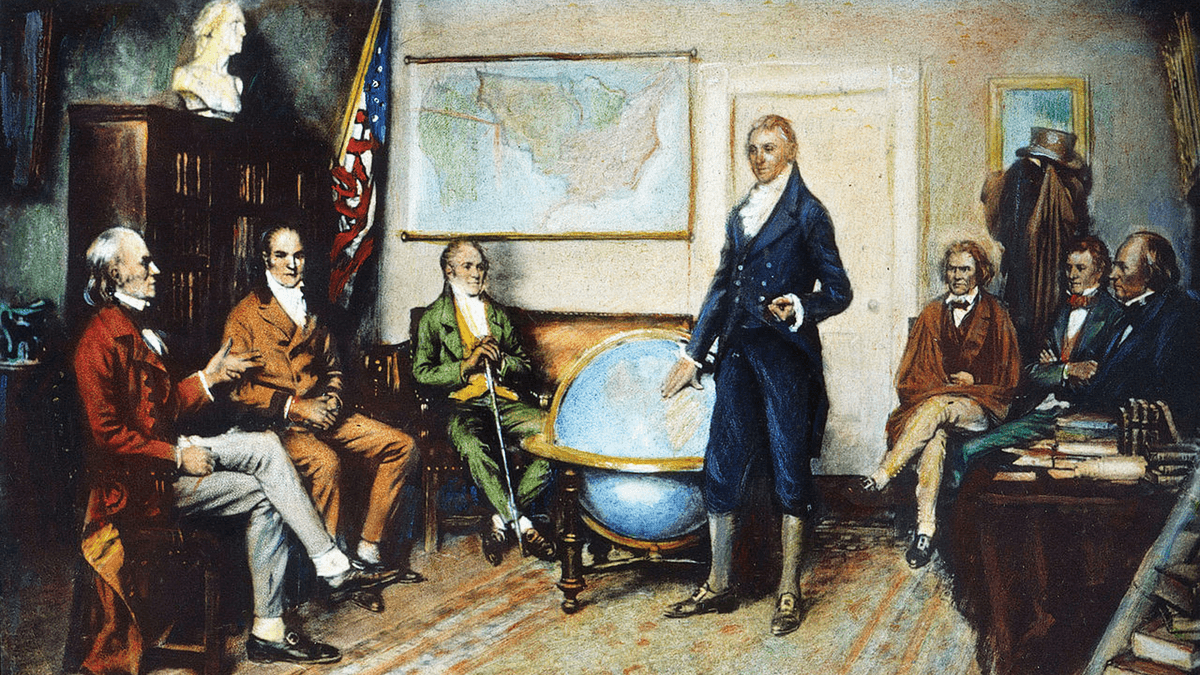
The Monroe Doctrine
How a young United States told the world to stay out of the Western Hemisphere—and what that meant for the Americas.

The Second Amendment: Rights, Regulation, and Modern Debate
The Second Amendment has sparked centuries of debate: Is it about militias, individual rights, or both? From its 18th-century origins to modern Supreme Court rulings, this question remains central to America’s most heated constitutional argument.
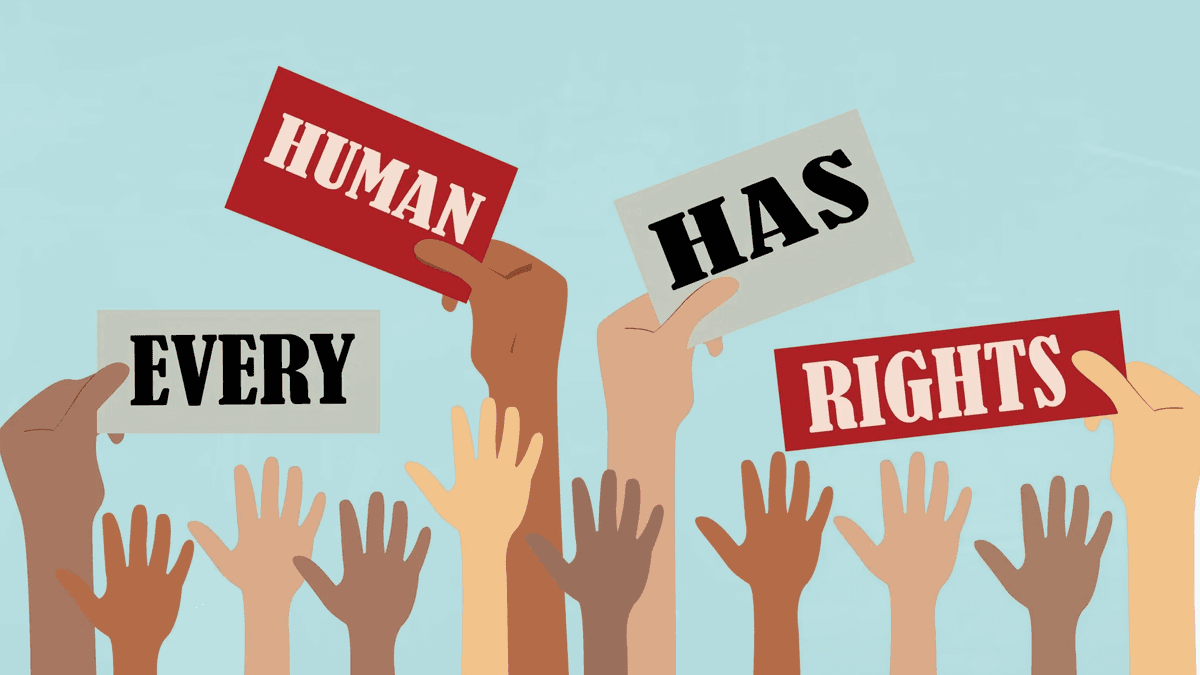
Human Rights
Human rights are the basic freedoms and protections that belong to every person on Earth. They help keep people safe, ensure dignity, and make freedom, justice, and peace possible. But these rights aren’t just given—they must be understood, protected, and defended by all of us.
Further Reading
Stay curious!