

Elizabeth Blackwell: First Woman to Receive a Medical Degree
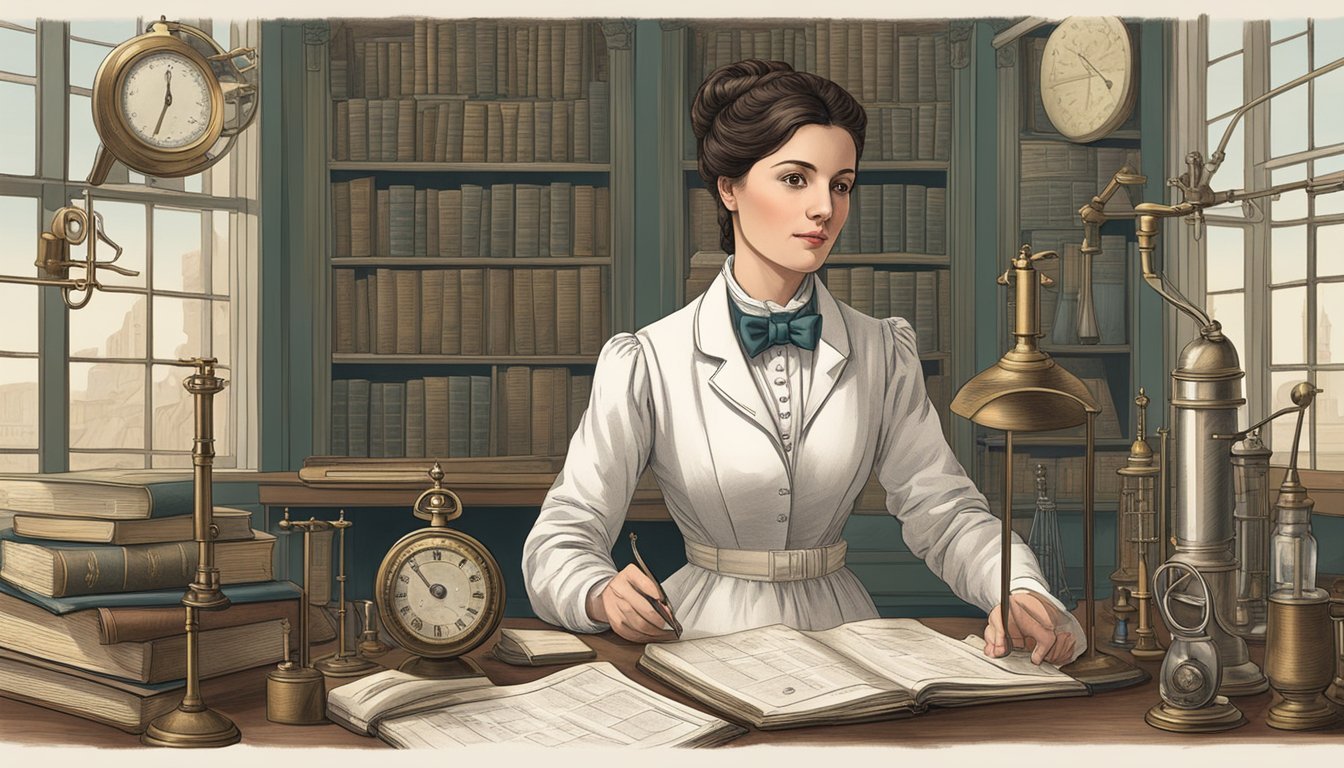
Portrait of Elizabeth Blackwell
What Happened?
Elizabeth Blackwell graduated from Geneva Medical College, becoming the first female medical graduate in the United States. In an era when women were largely confined to domestic roles, her medical degree represented more than personal achievement—it was a direct assault on systemic gender barriers. Her success proved that women were intellectually equal to men, capable of mastering complex scientific and medical knowledge.
The discrimination Blackwell encountered was systematic and brutal. Medical schools, professional associations, and even her fellow students viewed her ambition as a threat to the established social order. She was routinely humiliated, isolated, and treated as a curiosity rather than a serious professional. Male colleagues frequently suggested her presence in medical settings was inappropriate or even immoral. Despite being accepted to Geneva Medical College as a practical joke by students, Blackwell transformed that moment of ridicule into a historical turning point.
Blackwell went on to establish medical institutions and train other women in medicine. By founding the New York Infirmary for Women and Children and subsequently establishing a medical college for women, she didn't just break barriers—she created infrastructure for sustained change. Her institutions provided critical medical education and healthcare access, particularly for marginalized communities. This strategic approach transformed her personal triumph into a collective movement, directly contributing to the gradual feminization of the medical profession. By 2017, women became the majority of medical students in the United States—a direct lineage of the path Blackwell pioneered.
Why It Matters
Elizabeth Blackwell didn’t just earn a degree—she earned a permanent place in history. By challenging deeply entrenched beliefs about women’s intellectual abilities, she exposed the fragility of those barriers and set the stage for a movement. Her legacy reminds us that progress isn’t about waiting for change; it’s about creating it. Today, her story inspires anyone who dares to imagine a world beyond the limits placed on them.
?
Dig Deeper
The first woman to graduate from a U.S. medical college, Elizabeth Blackwell broke through gender barriers to make history. Her remarkable story of courage and perseverance serves as a testament to the strength of the human spirit.
Related

Developing and Refining Business Ideas
Having a great idea is exciting, but turning it into a successful business requires refining, testing, and planning.

Spotting Problems and Finding Solutions
Great entrepreneurs don’t just dream big—they notice everyday problems, ask smart questions, and design simple solutions that people actually want to use.
Developments in East Asia, 1200–1450
From Confucian bureaucracies to booming cities, East Asia between 1200–1450 reshaped global politics, culture, and technology.
Further Reading
Stay curious!