

Lincoln Signs the Emancipation Proclamation
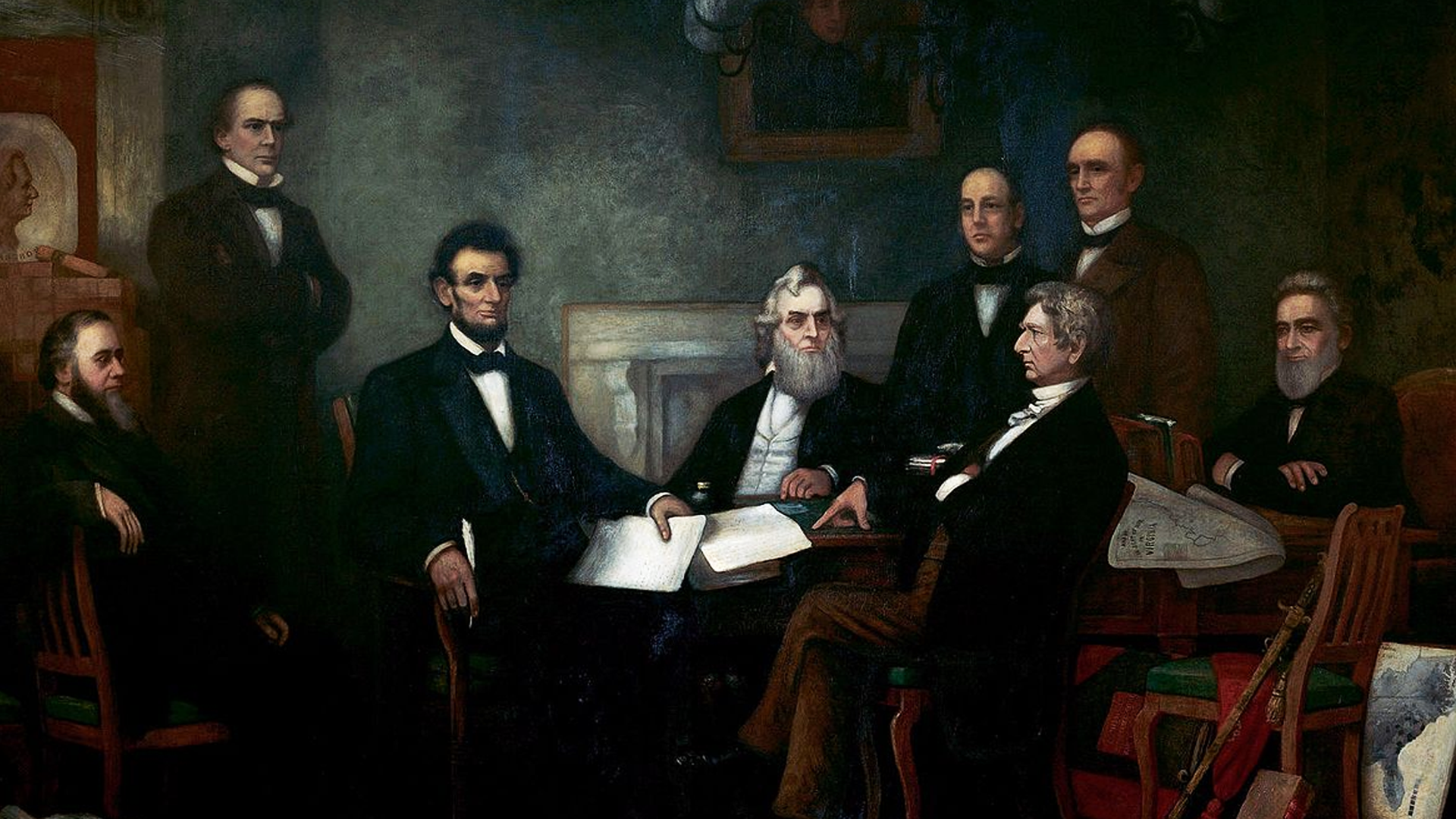
Abraham Lincoln signing the Emancipation Proclamation
What Happened?
By the end of 1862, the United States was locked in a brutal Civil War, and the Union was struggling to defeat the Confederacy. President Abraham Lincoln’s main goal was to preserve the nation, but he increasingly realized that slavery was at the heart of the conflict tearing the country apart.
On September 22, 1862, after a hard-fought Union victory at the Battle of Antietam, Lincoln announced a warning: if the Confederate states did not rejoin the Union by January 1, 1863, all enslaved people in those rebelling states would be declared free. This was a strategic move meant to weaken the South and redefine the purpose of the war.
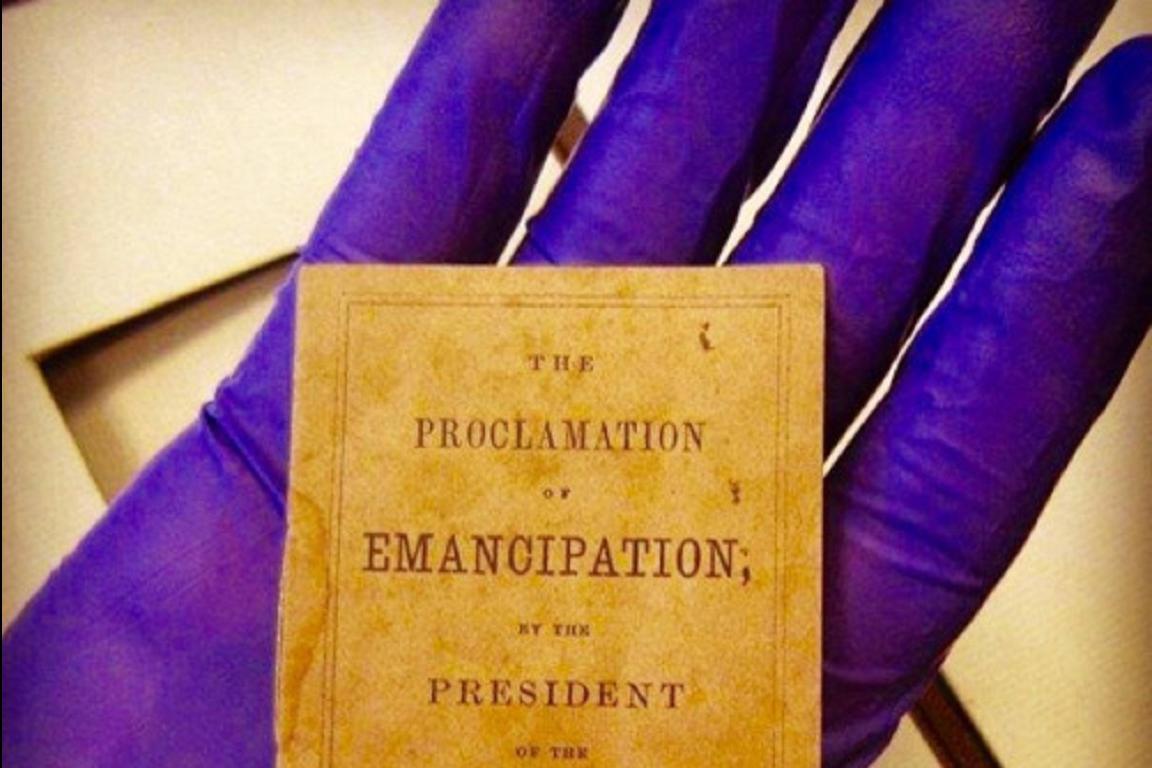
When Lincoln signed the Emancipation Proclamation on January 1, 1863, it did not free all enslaved people immediately. It applied only to states still in rebellion, not to border states loyal to the Union or areas already under Union control. Still, it fundamentally changed the meaning of the war.
The proclamation turned the Civil War into a fight not only to save the Union, but also to end slavery. As Union armies moved south, enslaved people freed themselves by escaping plantations, joining Union camps, and helping the war effort as soldiers, laborers, and workers.
The decision also reshaped international politics. European nations like Britain and France, which had already outlawed slavery, refused to support the Confederacy once the Union made emancipation a central war goal.
Lincoln understood the moral weight of his choice, later saying he had never felt more certain he was doing the right thing. Though limited, the proclamation paved the way for the 13th Amendment, which permanently abolished slavery in the United States in 1865.
Why It Matters
The Emancipation Proclamation marked a turning point in American history by linking freedom directly to the nation’s survival. It showed how leadership, law, and moral courage can reshape a country, and it laid the foundation for the long struggle toward equality and civil rights that continues today.
?
Why did Abraham Lincoln wait until 1863 to issue the Emancipation Proclamation?
Why didn’t the Emancipation Proclamation free all enslaved people immediately?
How did the proclamation change the purpose of the Civil War?
Why did the Emancipation Proclamation matter to other countries like Britain and France?
How did enslaved people take action to secure their own freedom after 1863?
Why was the Emancipation Proclamation an important step toward the 13th Amendment?
Dig Deeper
An overview of the risks Lincoln took and the impact of the Emancipation Proclamation.
Related
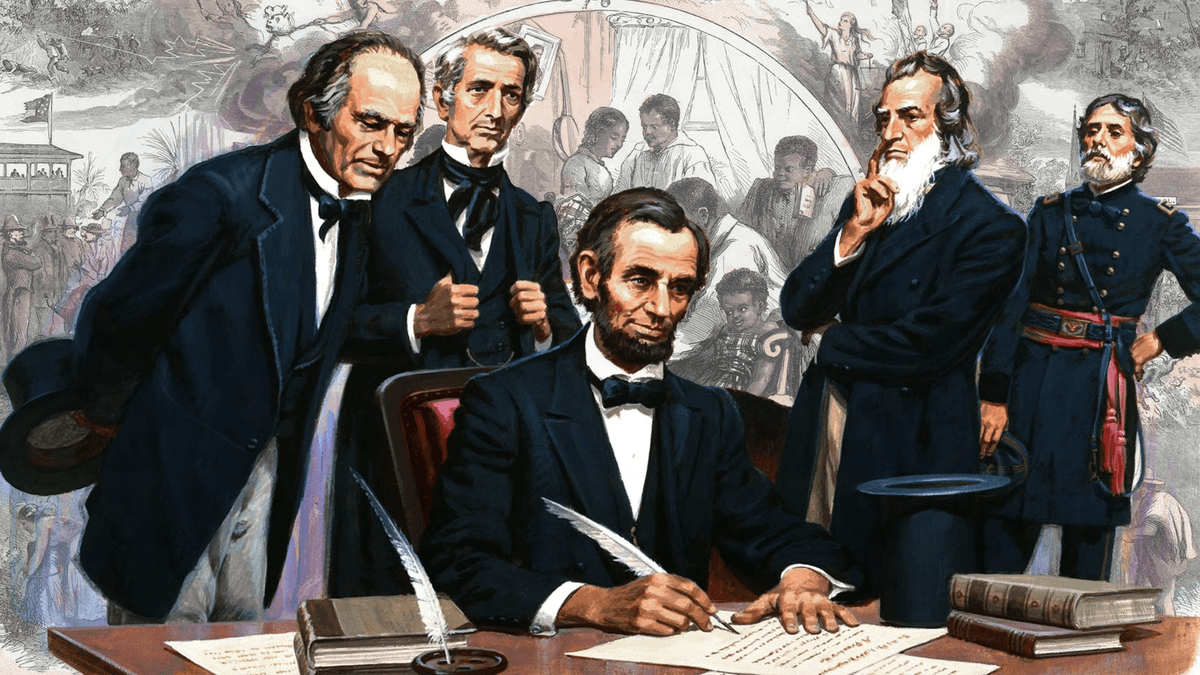
The Emancipation Proclamation & The 13th Amendment
Freedom on paper is one thing; freedom in practice is another. The Emancipation Proclamation and the 13th Amendment were giant leaps toward liberty—yet the road ahead for formerly enslaved people was long and uneven.
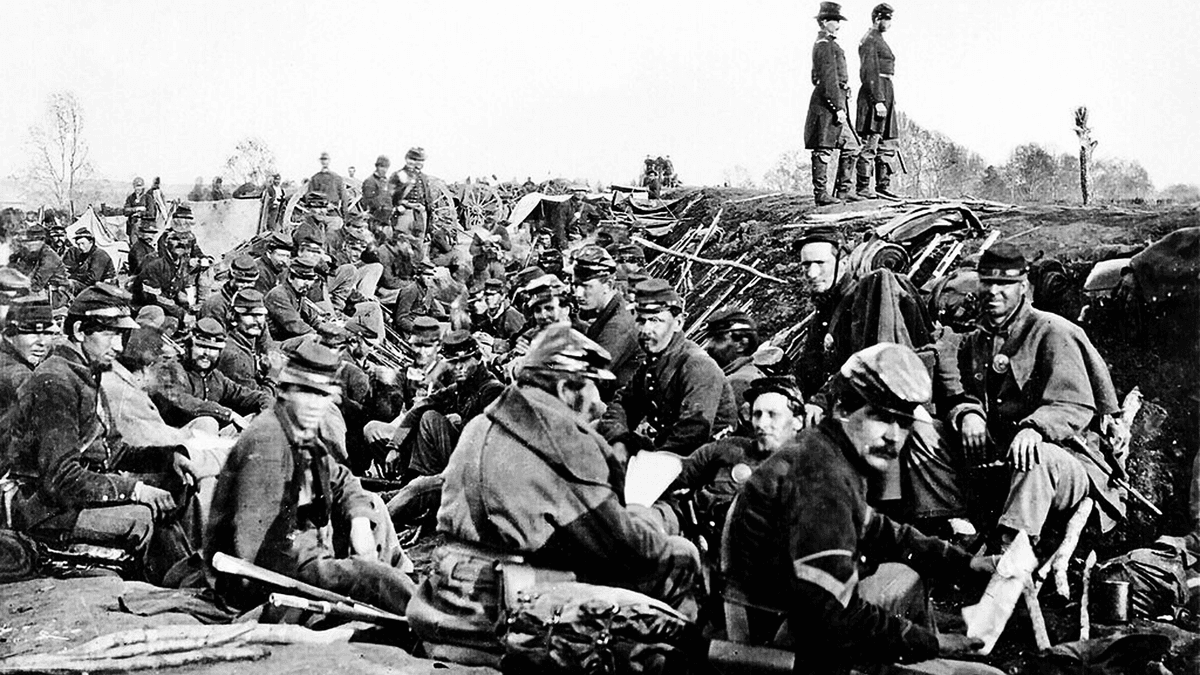
The American Civil War – A Nation Torn Apart
From Fort Sumter to Appomattox, the Civil War was the deadliest conflict in U.S. history, fought over the nation's most profound moral and political divisions.
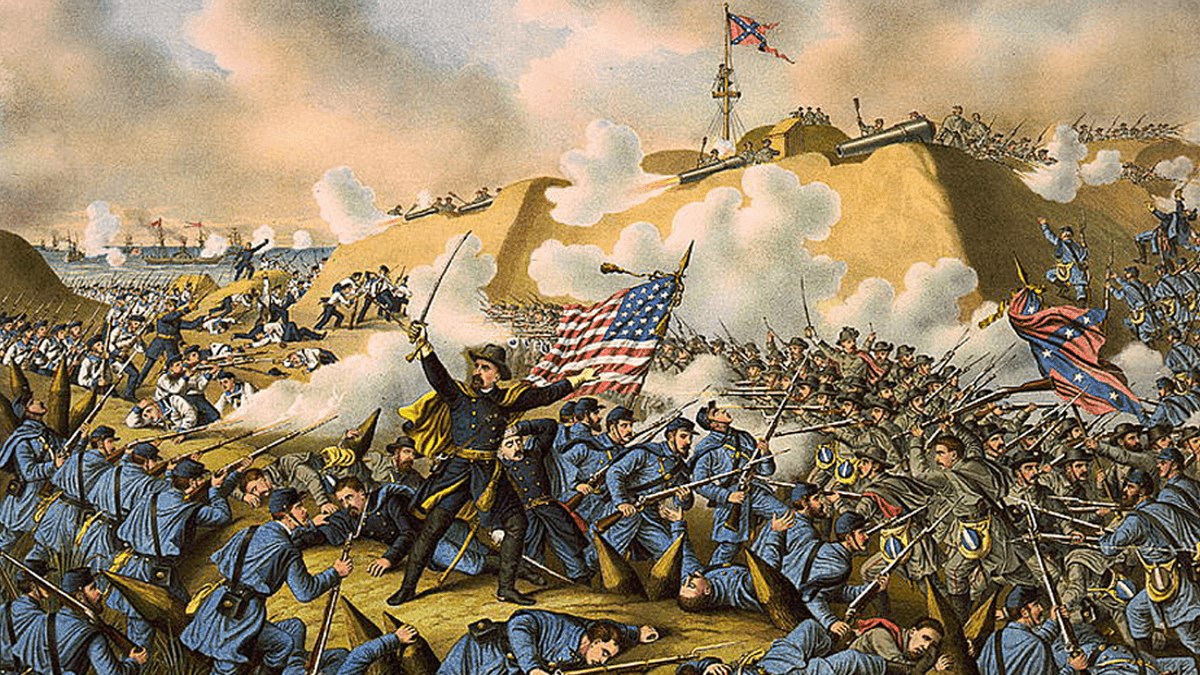
The American Civil War & North Carolina’s Role (1861–1865)
A nation divided, a state conflicted, and four years that reshaped American life forever.
Further Reading
Stay curious!