

Americans Overthrow the Hawaiian Monarchy
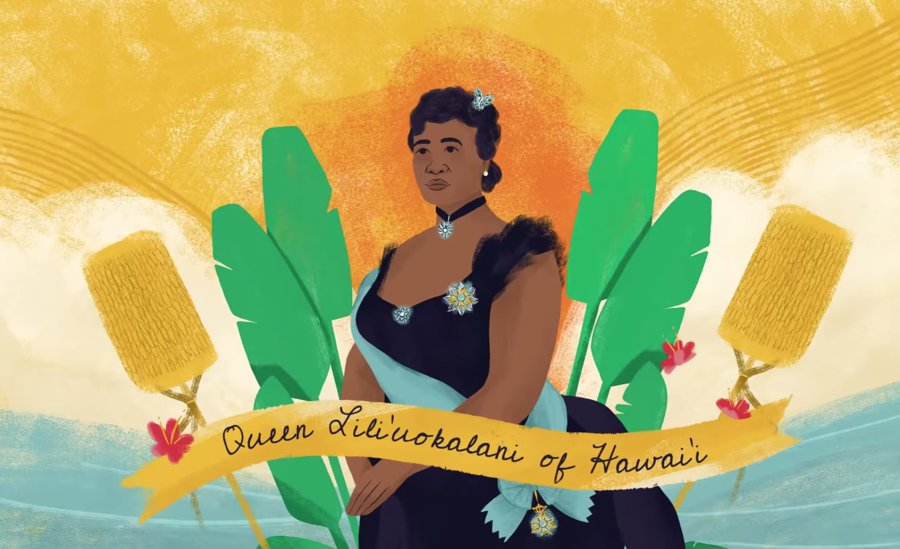
Hawaiʻi was overthrown by a small group of American-backed businessmen, forcing Queen Liliʻuokalani from power.
What Happened?
On January 17, 1893, the Kingdom of Hawaiʻi was overthrown by a small group of wealthy American businessmen, supported by the United States government and military who removed Hawaiʻi’s lawful ruler, Queen Liliʻuokalani, and took control of the islands. This wasn't a democratic revolution. It was a takeover driven by money, land, and political power.
Long before Americans arrived, Hawaiʻi was home to a rich Polynesian civilization. Polynesian voyagers settled the islands over a thousand years earlier and built a society with strong traditions, organized leadership, and deep respect for the land. In the early 1800s, American traders came to Hawaiʻi, first for sandalwood and later for sugar. Over time, American missionaries and plantation owners gained more influence, changing Hawaiian culture, religion, and politics.
In 1840, Hawaiʻi became a constitutional monarchy, meaning the king or queen ruled alongside a constitution. But as American business interests grew, Hawaiian leaders lost more power. In 1887, King Kalākaua was forced to sign the Bayonet Constitution, named because it was imposed under threat of violence. This constitution weakened the monarchy and gave wealthy foreign landowners more control, while many Native Hawaiians lost their right to vote. It also helped the United States secure access to Pearl Harbor, which would later become a major naval base.
When Queen Liliʻuokalani became ruler in 1891, she was well prepared. She had been educated from a young age and had already served as regent when her brother, King Kalākaua, was away. She believed strongly in Hawaiian independence and wanted to replace the Bayonet Constitution with one that returned power to the people. Thousands of Hawaiians supported her. Petitions calling for a new constitution were signed by nearly two-thirds of eligible voters.
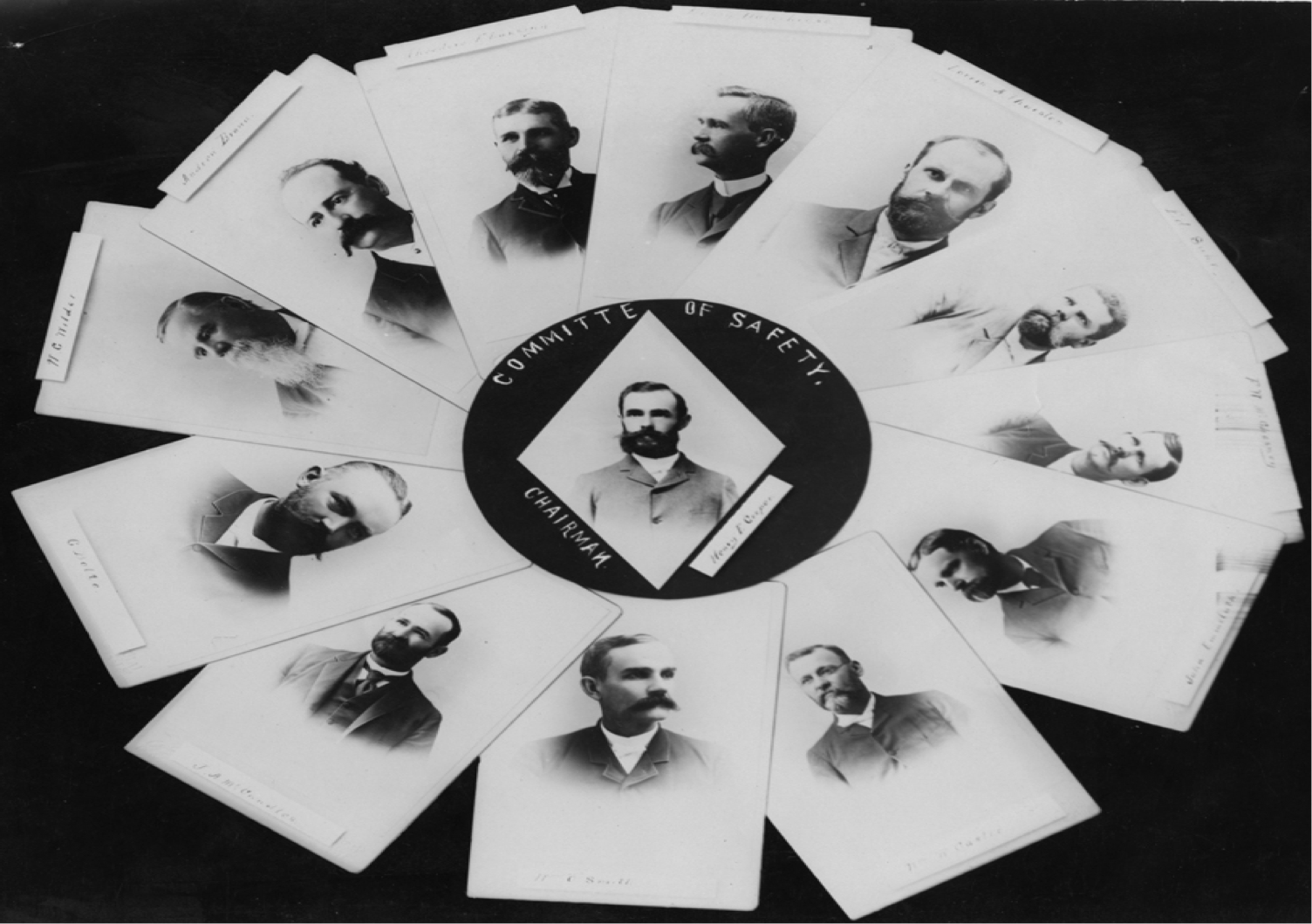
Her plans worried American sugar planters and businessmen, who feared losing power and profits. In response, they formed a group called the Committee of Safety, led by Sanford B. Dole. With the support of John L. Stevens, U.S. Marines were brought ashore from an American warship. Although they claimed to be protecting American lives, their presence made it clear who held the real power.
On January 17, 1893, the Committee of Safety took over government buildings in Honolulu without resistance and declared the monarchy ended. Queen Liliʻuokalani chose not to fight back. She feared that violence would lead to the deaths of her people. Instead, she surrendered her authority under protest, stating clearly that she was yielding only to the superior force of the United States—not giving up her rightful claim to rule.
She appealed directly to the U.S. government to fix what had been done. President Grover Cleveland agreed with her. After an investigation, he concluded that the overthrow was illegal and that the Queen should be restored to power. He asked Dole to step aside. Dole refused, claiming the United States had no right to interfere—despite the fact that U.S. troops had helped make his government possible. Cleveland chose not to use force, and the new government remained in control.
In 1898, world events changed everything. During the Spanish-American War, Hawaiʻi became strategically important to the United States. Under President William McKinley, Congress approved annexation, even though most Hawaiians opposed it. Over 21,000 people signed petitions against annexation, but their voices were ignored.
The emotional impact was deep. When the Hawaiian flag was lowered at ʻIolani Palace, many Native Hawaiians stayed away in mourning. Members of the Royal Hawaiian Band cried openly. There were no celebrations—only sadness, anger, and fear. Hawaiʻi later became a U.S. territory and, in 1959, the 50th state.
Why It Matters
The overthrow of the independent Kingdom of Hawaiʻi shows that power and democracy are not always the same thing. Although the United States often speaks about freedom and self-government, the Hawaiian takeover reveals how those ideals were ignored when economic and military interests were at stake. Hawaiʻi was taken without the consent of its people, reminding us that democracy requires more than strong nations making decisions. It requires listening to those who are affected. Studying this moment helps us ask important questions: Who gets a voice? Whose rights are protected? And what responsibilities do powerful countries have when their actions harm others? Understanding Hawaiʻi’s overthrow encourages us to think critically about justice, fairness, and what it truly means to respect sovereignty and human dignity.
?
Why did American businessmen want to control Hawaiʻi’s government?
How did the Bayonet Constitution change who held power in Hawaiʻi?
Why did Queen Liliʻuokalani choose not to fight back with violence?
What does this event teach us about imperialism and democracy?
How should countries address historical injustices like this today?
Dig Deeper
Explains how Queen Liliʻuokalani was removed from power and why the overthrow was unjust.
Shows how business interests and U.S. influence led to the takeover of Hawaiʻi.
Related
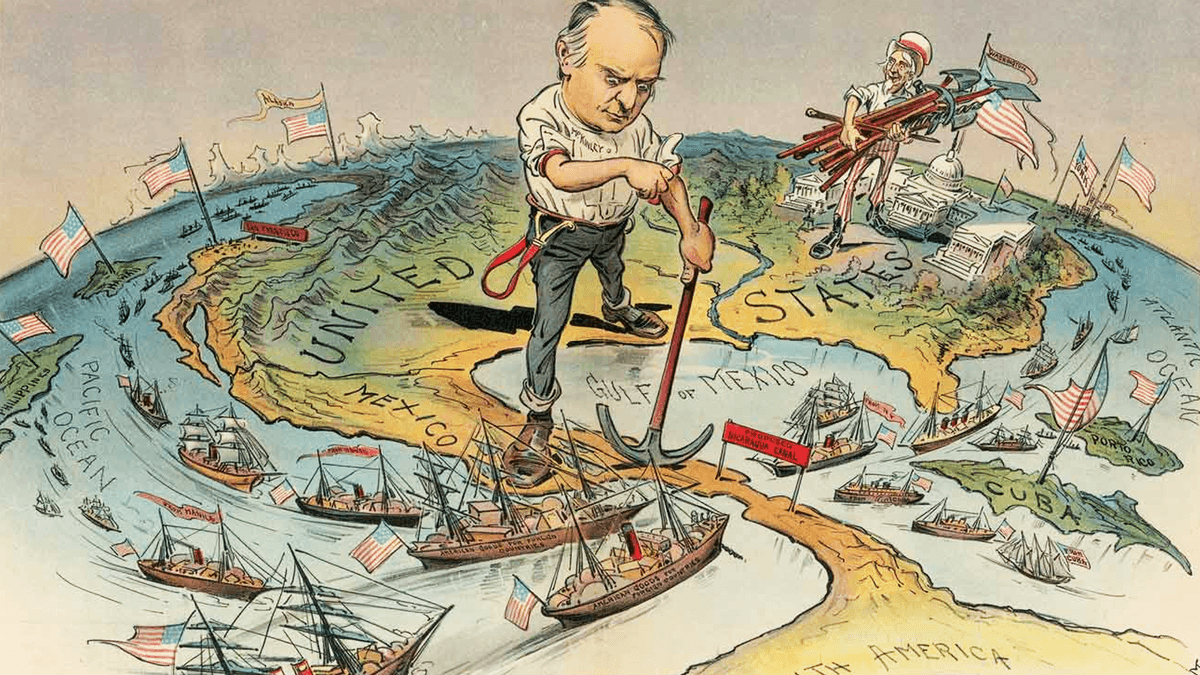
U.S. Imperialism: The Spanish-American War and Its Aftermath
In 1898, the United States fought Spain in a short war that reshaped its identity—from a republic born in anti-colonial revolution to a global imperial power with overseas territories.
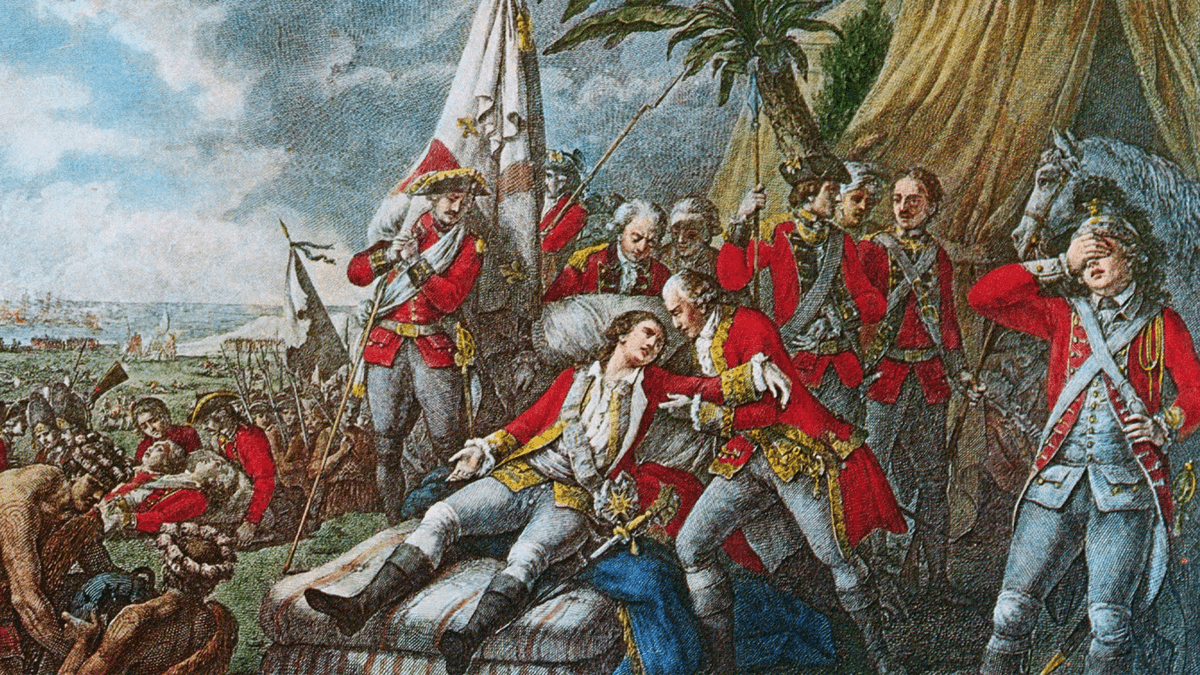
The French and Indian War: The Battle for North America
Before the American Revolution, another great war reshaped North America—the French and Indian War. It began as a fight over land and power, but ended up changing the map of the world and planting the seeds of independence.
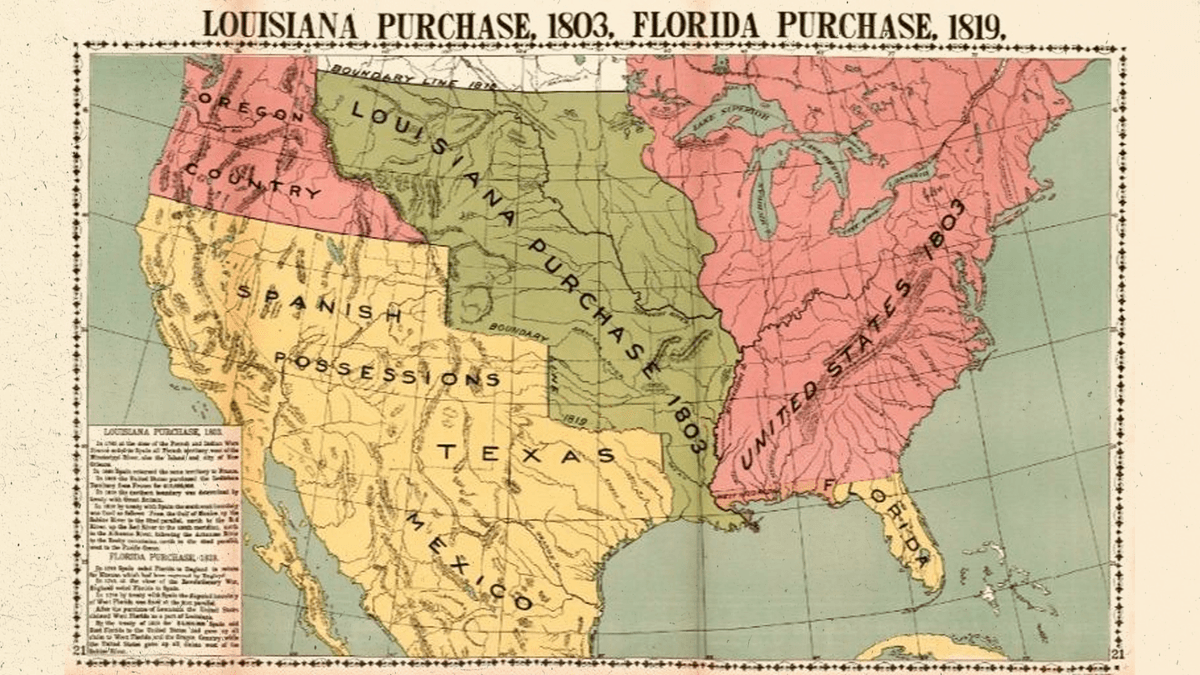
The Louisiana Purchase: A River, A Bargain, and a Bigger United States
In 1803 the United States bought the vast Louisiana Territory from France, doubling the nation’s size, securing the Mississippi River, and setting the stage for westward expansion and hard questions about slavery and Native sovereignty.
Further Reading
Stay curious!