

Wilson Presents the Fourteen Points
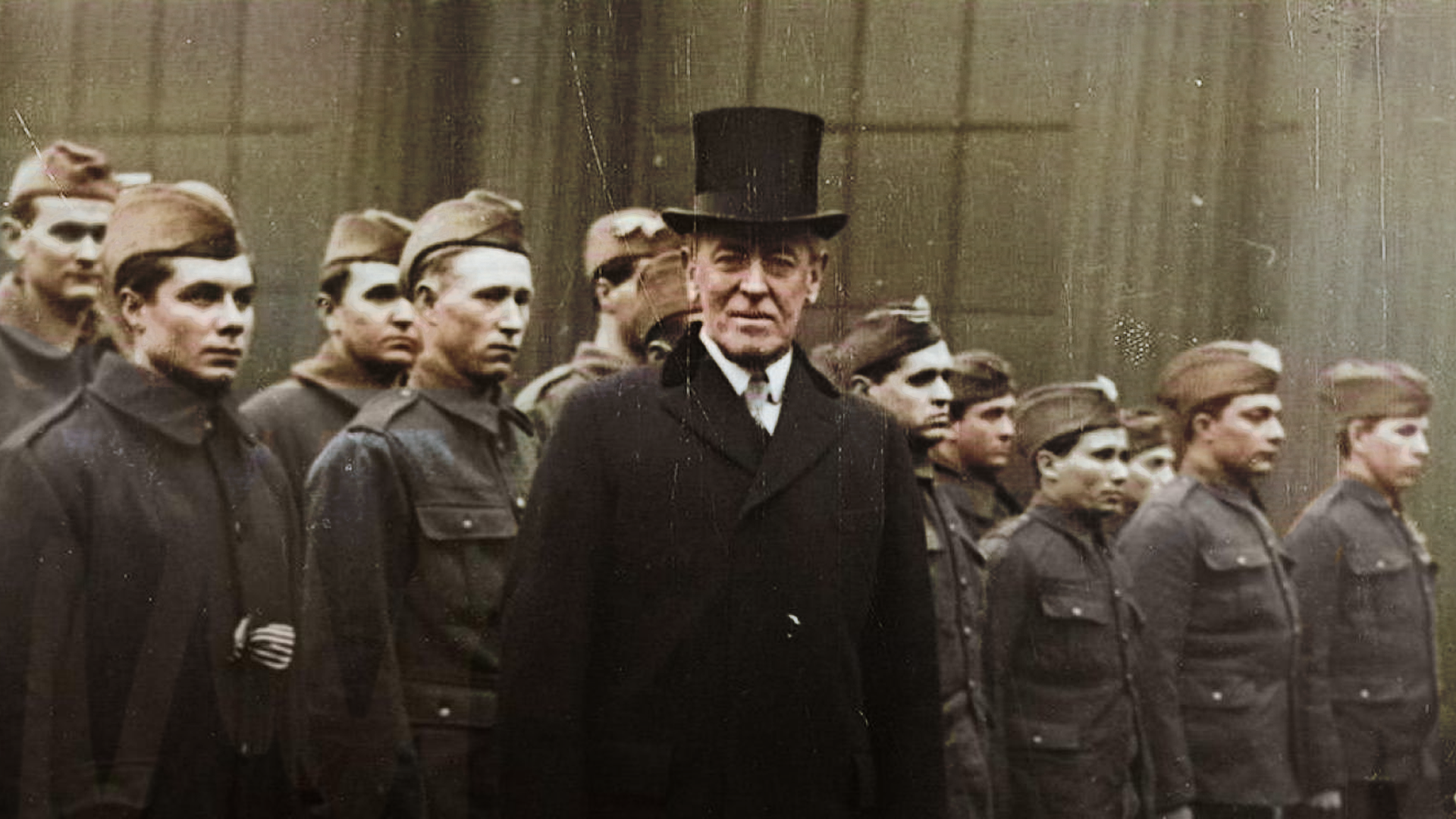
Wilson’s Fourteen Points offered a bold vision for ending World War I and creating a fairer, more peaceful world.
What Happened?
By January 1918, World War I had been raging for more than three years, leaving millions dead and much of Europe in ruins. President Woodrow Wilson believed the war had revealed a dangerous truth: when nations compete for power through secret treaties, military buildup, and revenge, global conflict becomes almost inevitable.
In his address to Congress, Wilson introduced the Fourteen Points as a blueprint for a just and lasting peace. He argued that the goal of ending the war should not be punishment of defeated nations, but the creation of fair rules that would prevent future wars from breaking out.
Several of the points focused on transparency and cooperation between nations. Wilson called for open diplomacy with no secret treaties, freedom of the seas for trade, equal economic opportunities, and a reduction in weapons. He believed that fear and suspicion between countries grew when governments acted in secrecy and armed themselves excessively.
Other points dealt with the political map of Europe, which had been shaped by empires rather than by the wishes of the people who lived there. Wilson supported national self-determination—the idea that groups of people should have the right to choose their own governments and borders. This was especially important in regions like Eastern Europe and the Balkans.
The final and most influential point proposed the creation of a League of Nations, an international organization where countries could work together to resolve conflicts peacefully. Wilson believed that collective security—nations standing together against aggression—was the best way to prevent another world war.
Although many of Wilson’s ideas were weakened or ignored during the peace negotiations that followed the war, the Fourteen Points changed how the world talked about peace. They introduced the idea that lasting security depends on cooperation, fairness, and respect for all nations, not just military strength.
Why It Matters
The Fourteen Points challenged the idea that lasting peace could be achieved through punishment, military strength, or secret deals. Wilson argued that lasting peace requires fairness, honesty, and cooperation between nations. Although many of his ideas weren't fully adopted after World War I, the Fourteen Points reshaped how countries think about diplomacy and inspired international organizations like the League of Nations and later the United Nations. Today, these ideas still matter as nations work together to prevent wars, protect human rights, and solve global problems, reminding us that peace is strongest when it is built on fairness, not fear.
?
Why did President Wilson believe the old system of alliances had failed?
What did Wilson mean by national self-determination?
Why did Wilson think reducing weapons could help prevent future wars?
How was the League of Nations supposed to keep peace?
Why do you think some of Wilson’s ideas were not fully accepted after the war?
Dig Deeper
A clear explanation of Wilson’s Fourteen Points and their role in ending World War I.
Related

World War I: Causes, Combat, and Consequences
World War I began as a regional crisis in Europe but became a global conflict that reshaped nations, warfare, and the modern world.
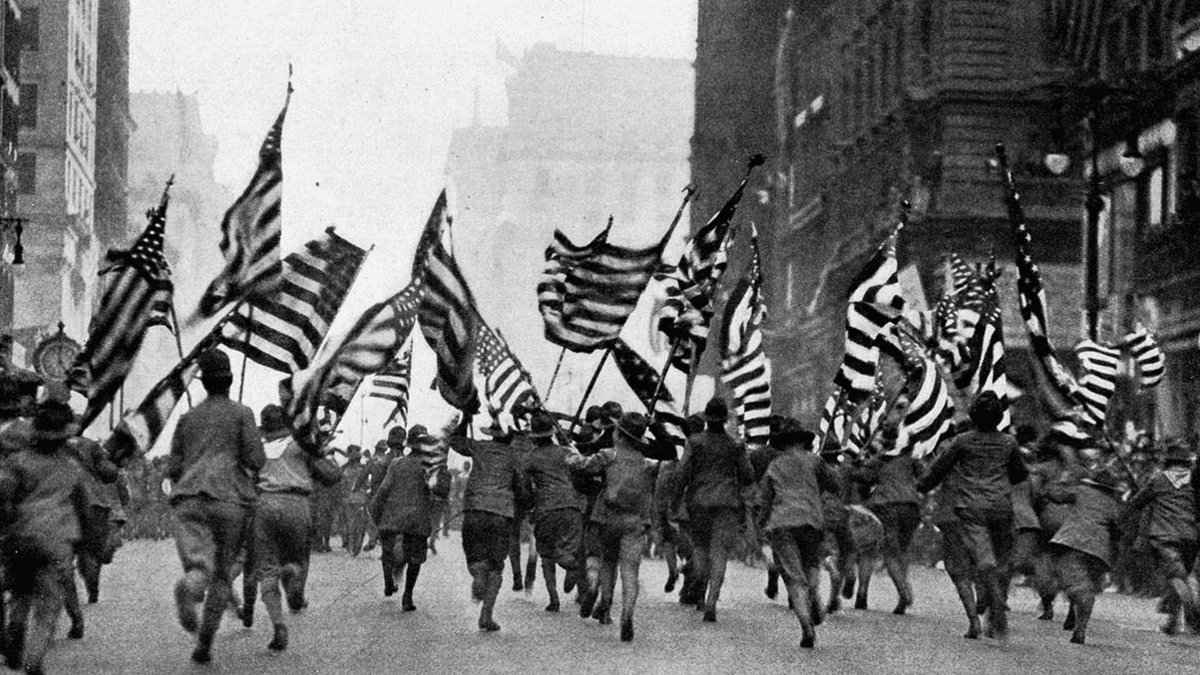
Why the United States Entered World War I
In 1917, after years of neutrality, the United States entered World War I—reshaping global politics and transforming life at home.
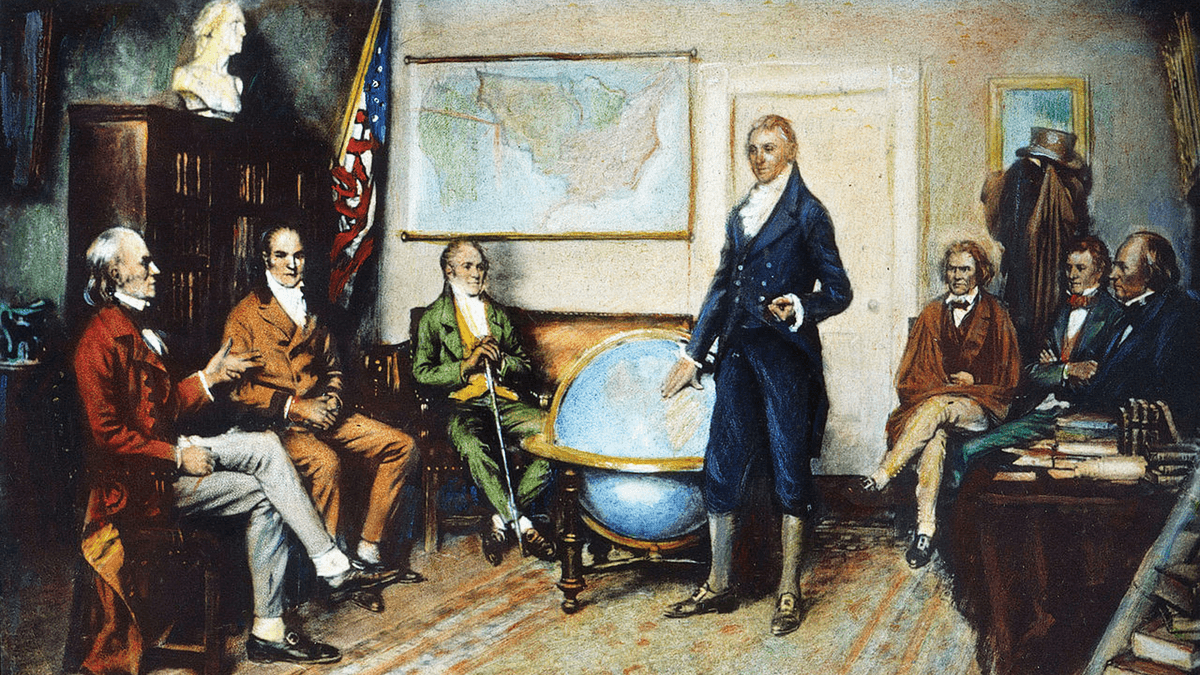
The Monroe Doctrine
How a young United States told the world to stay out of the Western Hemisphere—and what that meant for the Americas.
Further Reading
Stay curious!