

World Leaders Gather to Shape Peace After World War I
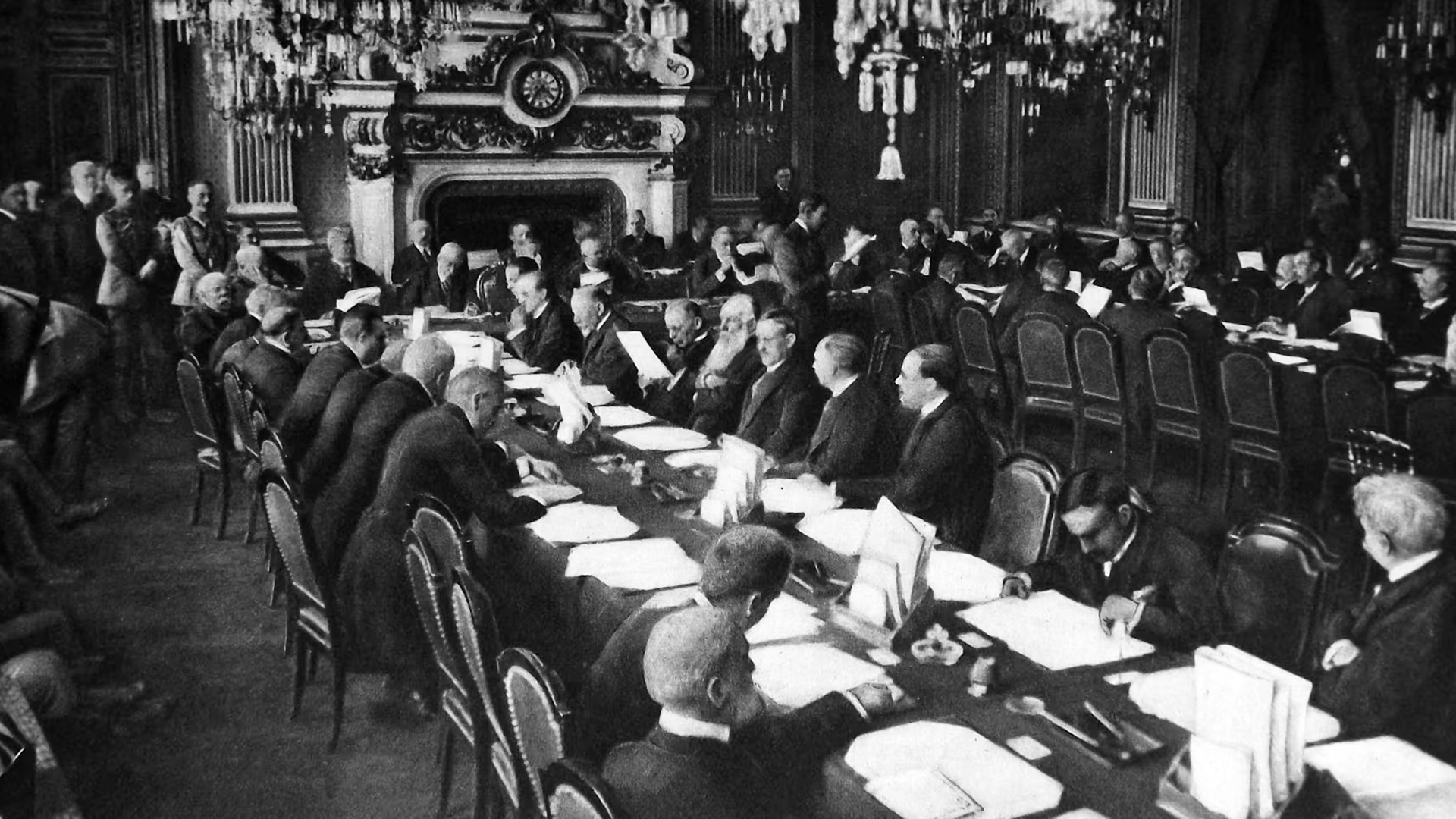
Delegates from many nations meeting in Paris to negotiate peace after World War I.
What Happened?
On January 18, 1919, just months after World War I ended, representatives from many nations gathered in Paris, France, to decide how peace should be made. The war had caused enormous destruction and loss of life, and leaders hoped their decisions would prevent another global conflict.
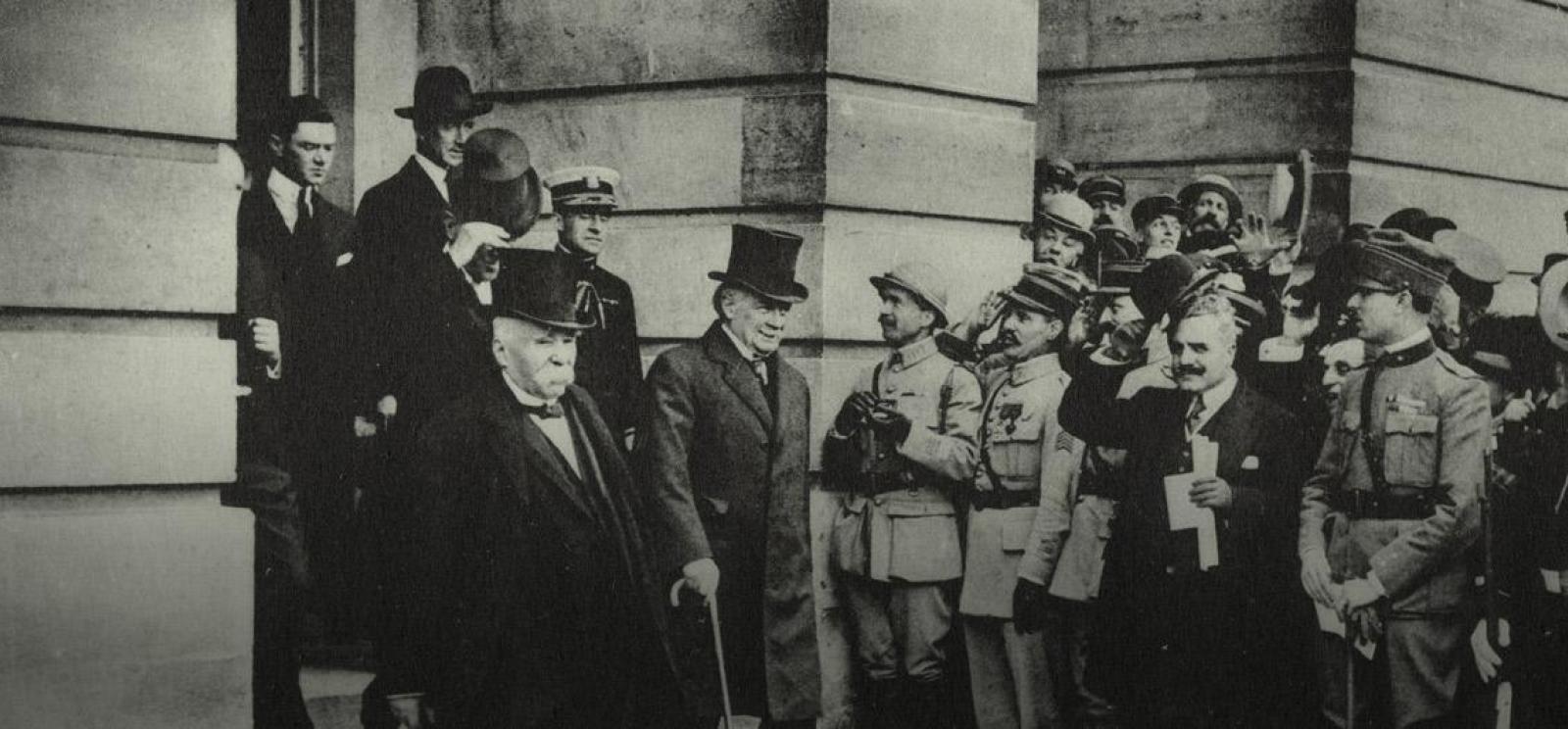
Although nearly thirty countries were present, the most important choices were made by four leaders known as the 'Big Four': Woodrow Wilson of the United States, Georges Clemenceau of France, David Lloyd George of Great Britain, and Vittorio Orlando of Italy. Each leader arrived with different goals shaped by their country’s wartime experiences.
President Wilson pushed for a fair and lasting peace based on cooperation, including his idea for the League of Nations, an international organization meant to resolve conflicts peacefully. France and Britain, however, had suffered greatly during the war and wanted Germany punished to prevent it from becoming powerful again.
Germany and the other defeated nations were not allowed to take part in the early negotiations. When German leaders finally saw the proposed Treaty of Versailles, they were shocked by its harsh terms, including losing land, limiting their military, paying massive reparations, and accepting full blame for the war.
The treaty was signed on June 28, 1919, but it created deep anger and resentment in Germany. Many people felt humiliated and betrayed, emotions that later helped extremist groups gain support in the years that followed.
Although the conference aimed to create lasting peace, its decisions instead helped set the stage for future conflict. The Paris Peace Conference teaches us that peace is not only about ending wars, but about creating fair solutions that respect people, nations, and long-term consequences.
Why It Matters
The Paris Peace Conference shows how difficult it is to turn the end of a war into lasting peace. Decisions made by powerful leaders can shape the lives of millions, especially when some voices are excluded. Studying this event helps students understand diplomacy, compromise, and how unfair peace agreements can sometimes lead to even greater conflicts.
?
Dig Deeper
Explains the goals and disagreements of the main leaders who dominated the peace talks in Paris after World War I.
Breaks down the major terms of the Treaty of Versailles and why they were controversial.
Related

World War I: Causes, Combat, and Consequences
World War I began as a regional crisis in Europe but became a global conflict that reshaped nations, warfare, and the modern world.
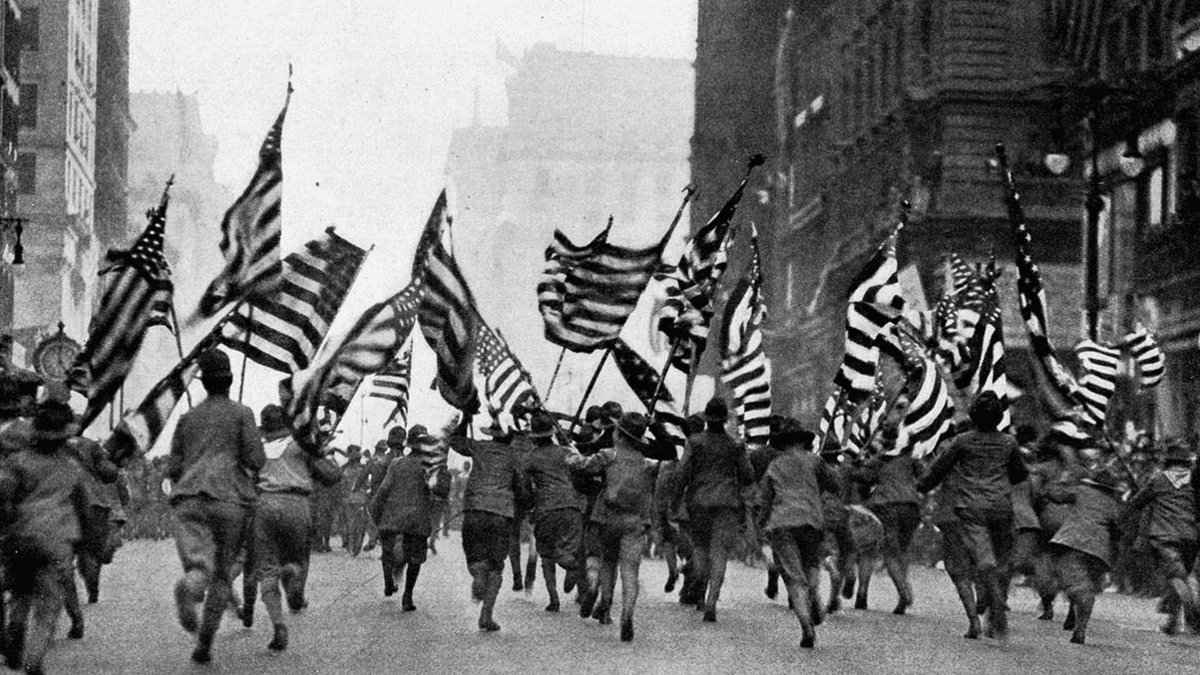
Why the United States Entered World War I
In 1917, after years of neutrality, the United States entered World War I—reshaping global politics and transforming life at home.
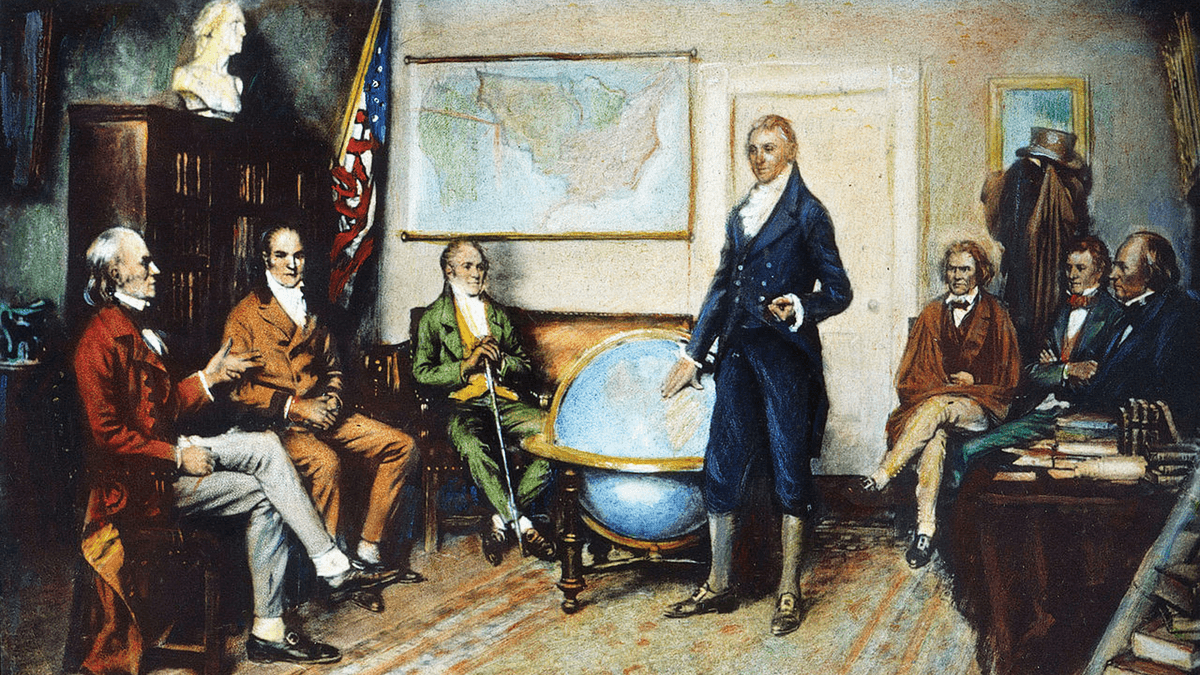
The Monroe Doctrine
How a young United States told the world to stay out of the Western Hemisphere—and what that meant for the Americas.
Further Reading
Stay curious!