

Martin Luther King Jr. Is Born
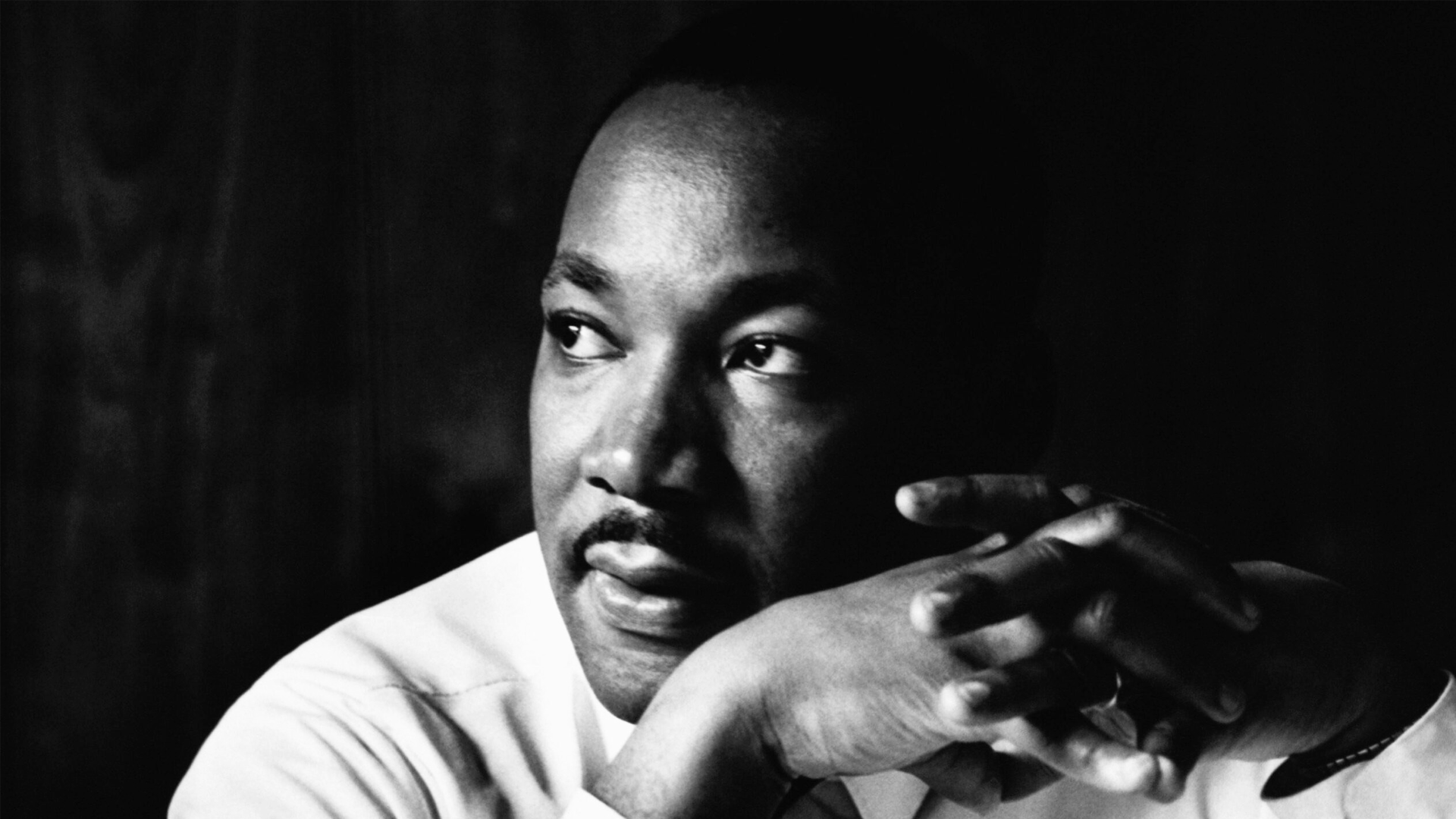
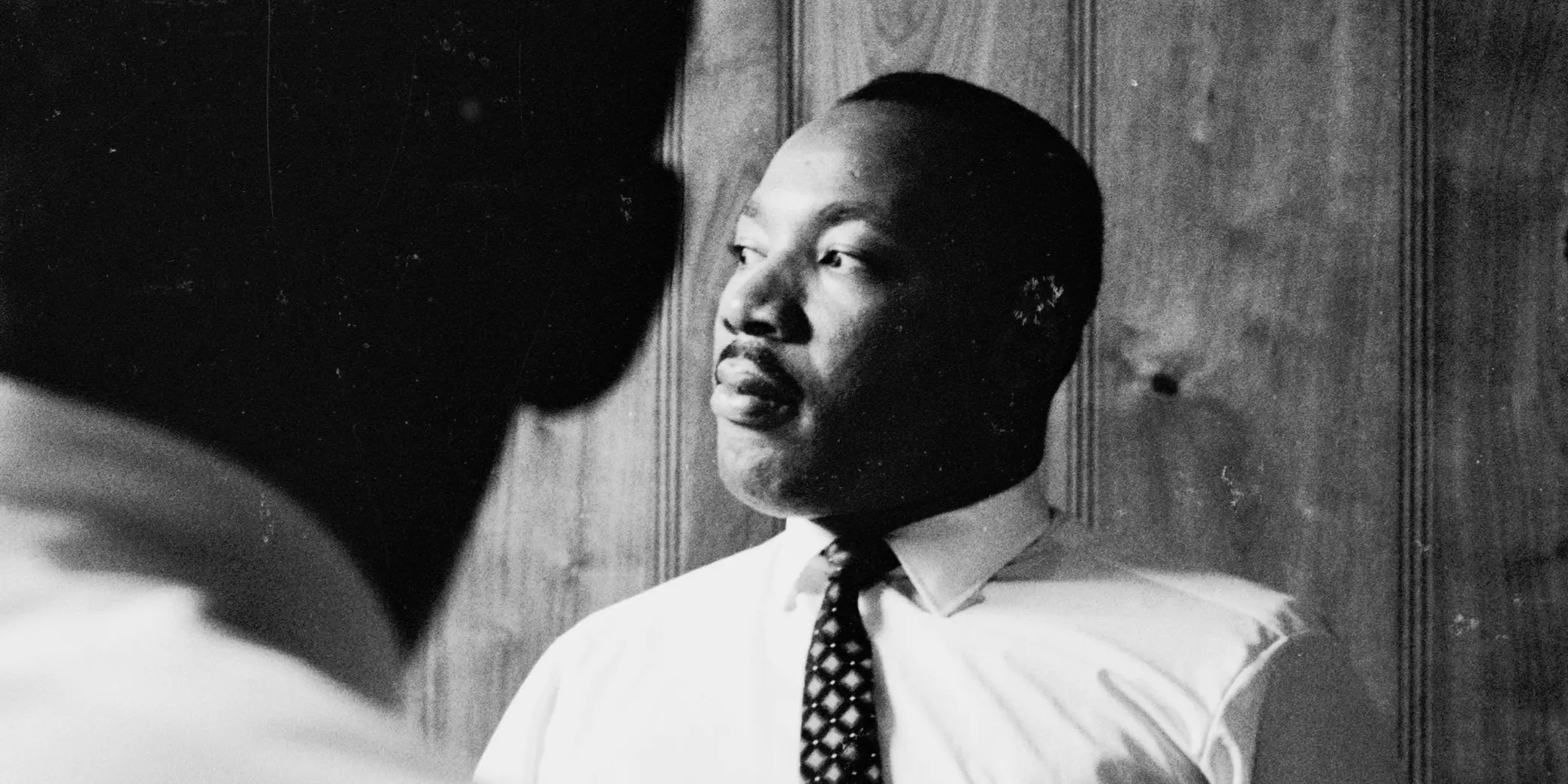
Portrait of Martin Luther King Jr., civil rights leader and advocate of nonviolent resistance
What Happened?
Martin Luther King Jr. was born in Atlanta, Georgia, in 1929, the son of a Baptist minister who believed deeply in education, faith, and service. Growing up in the segregated South, King experienced racial injustice firsthand, which shaped his understanding of fairness and equality from an early age.
An exceptional student, King entered college at just fifteen years old and later earned a doctorate in theology. Although he did not originally plan to become a minister, mentors encouraged him to use faith as a tool for social change, combining moral teachings with action.
King rose to national attention in 1955 when he helped lead the Montgomery Bus Boycott after Rosa Parks was arrested for refusing to give up her seat. The boycott lasted over a year and proved that organized, peaceful protest could bring real change.
Influenced by the ideas of nonviolence taught by Mohandas Gandhi, King believed that injustice should be confronted without hatred or violence. Even when peaceful demonstrators were met with arrests, attacks, and threats, King urged his followers to respond with discipline and courage.
In 1963, King stood before hundreds of thousands of people at the March on Washington and delivered his famous “I Have a Dream” speech. Speaking from the steps of the Lincoln Memorial, he connected America’s founding ideals to the unfinished work of racial equality.
King’s leadership helped inspire major legal victories, including the Civil Rights Act of 1964 and the Voting Rights Act of 1965, which ended many forms of legal segregation and protected the right to vote.
Although he was assassinated in 1968, Martin Luther King Jr.’s ideas continue to influence movements for justice today. His life reminds us that words, courage, and peaceful action can help bend history toward fairness.
Why It Matters
Martin Luther King Jr.’s life showed how moral courage and nonviolence can challenge injustice. His work helped transform American laws and attitudes, and his message continues to guide people seeking equality, dignity, and justice in the world today.
?
How did King’s childhood experiences shape his views on fairness and justice?
Why do you think nonviolence was such an important part of King’s strategy?
How did speeches like “I Have a Dream” help change public opinion?
What risks did King and other activists take to push for civil rights?
How can King’s ideas still apply to problems people face today?
Dig Deeper
An accessible overview of Martin Luther King Jr.’s life, ideas, and leadership in the civil rights movement.
King’s landmark speech calling for racial equality and justice at the March on Washington in 1963.
A tribute to King’s legacy and his lasting impact on American democracy.
Related
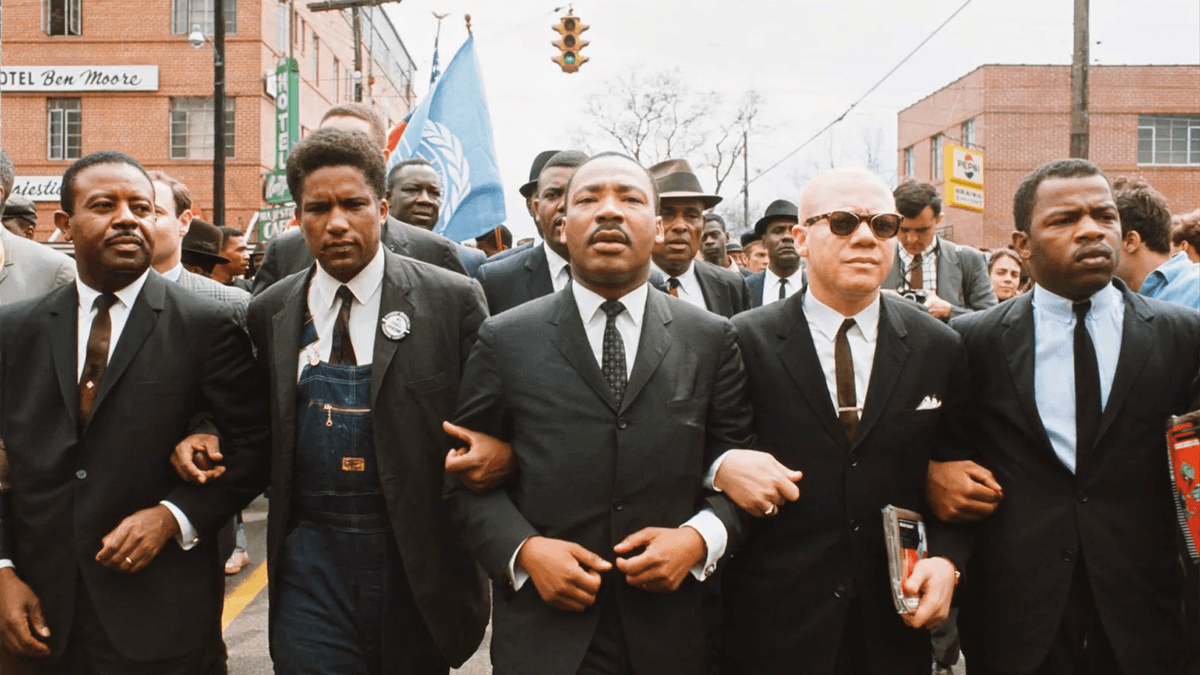
Montgomery Bus Boycott, Greensboro Sit-In, and the Rise of MLK
From Montgomery’s buses to Greensboro’s lunch counters, ordinary citizens ignited extraordinary change — and a new national leader emerged.
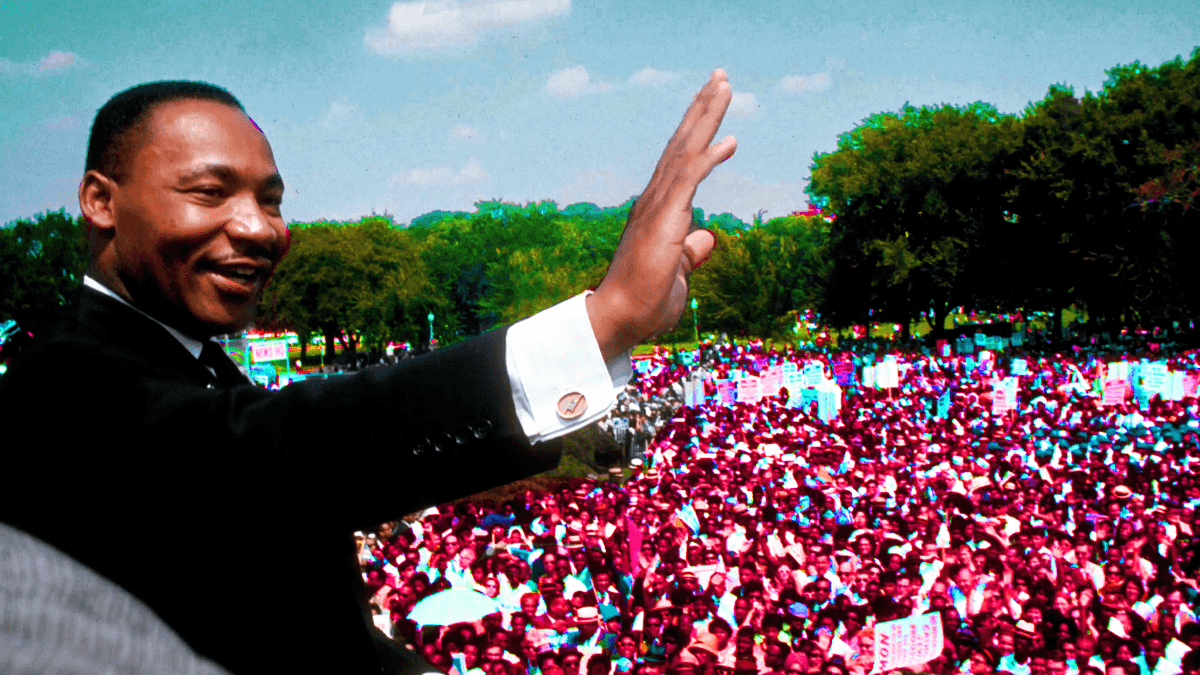
MLK the Disrupter and the Poor People’s Campaign
Dr. Martin Luther King Jr.’s final chapter was about more than civil rights—it was a bold demand for economic justice that challenged the nation’s values at their core.
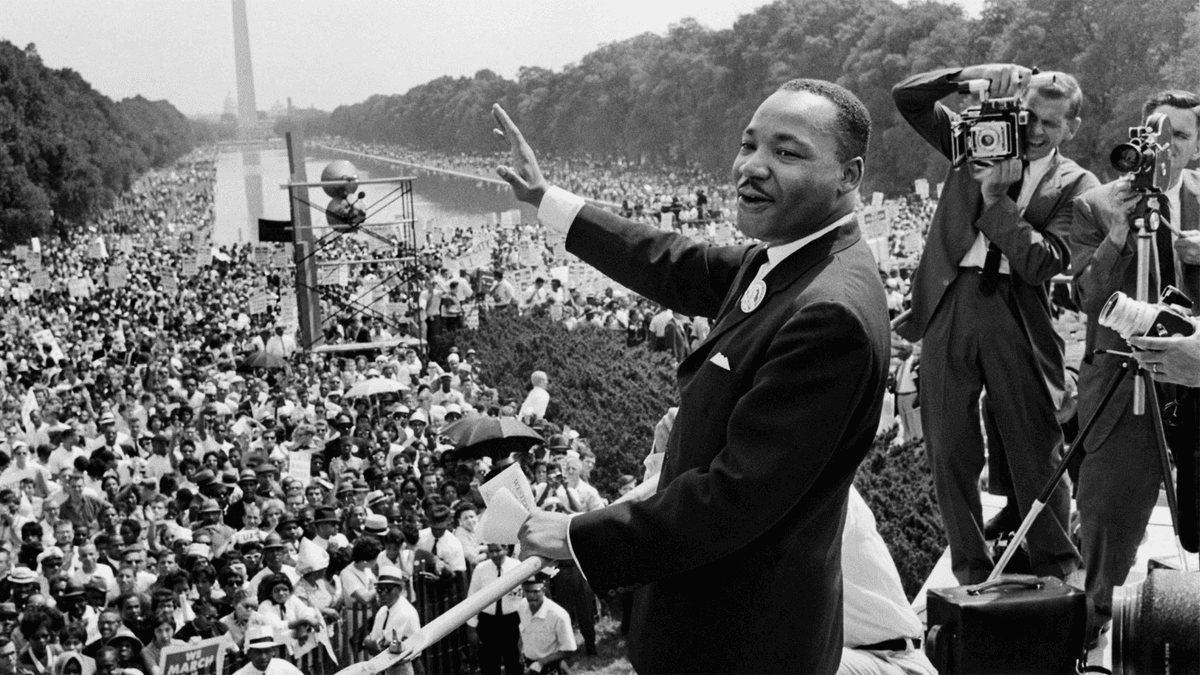
The Civil Rights Movement: Struggle, Solidarity, and Social Change
From classrooms to courthouses, buses to bridges, the Civil Rights Movement reshaped America’s laws — and its conscience.
Further Reading
Stay curious!