

1930: Gandhi Begins the Salt March
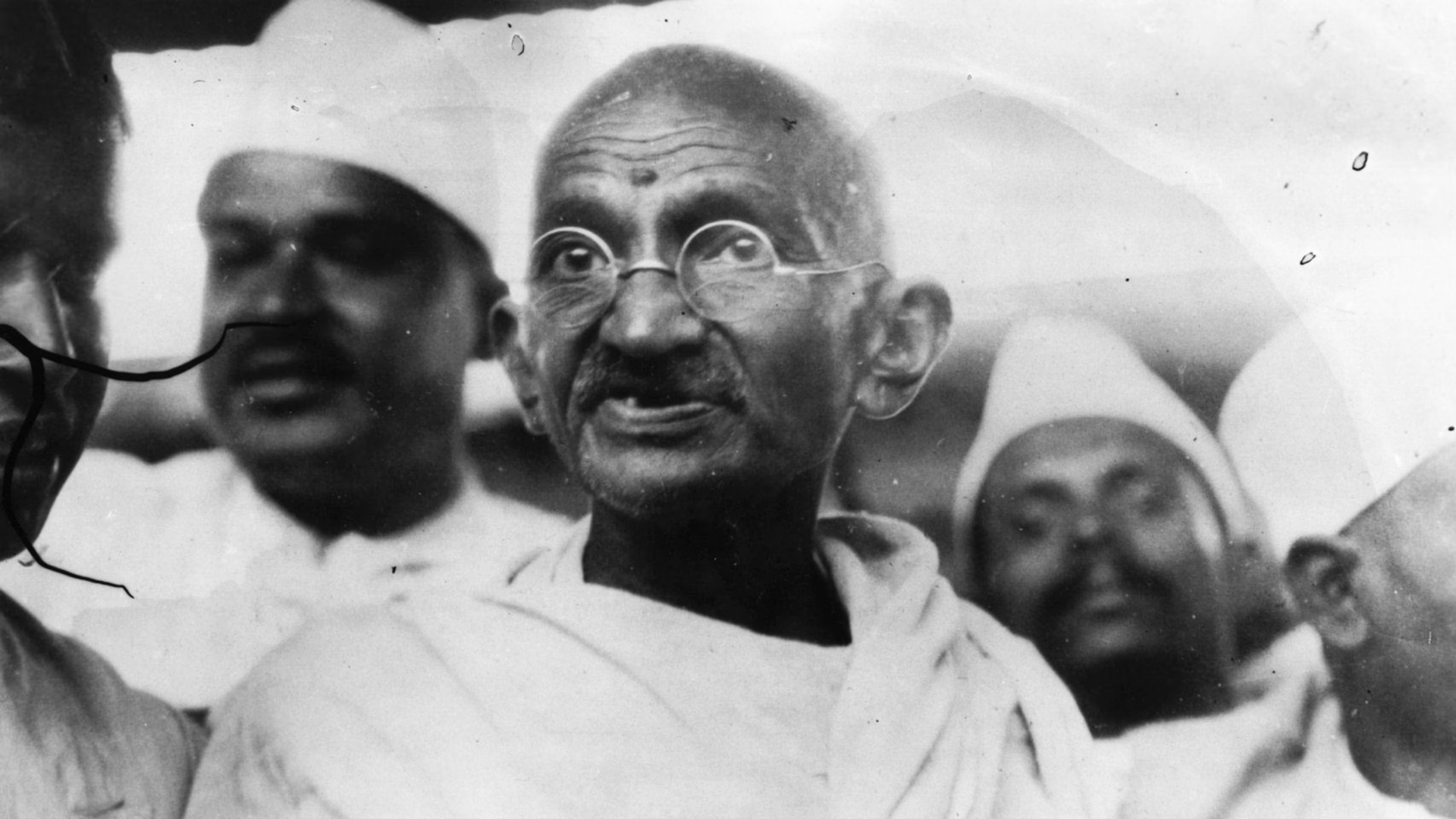
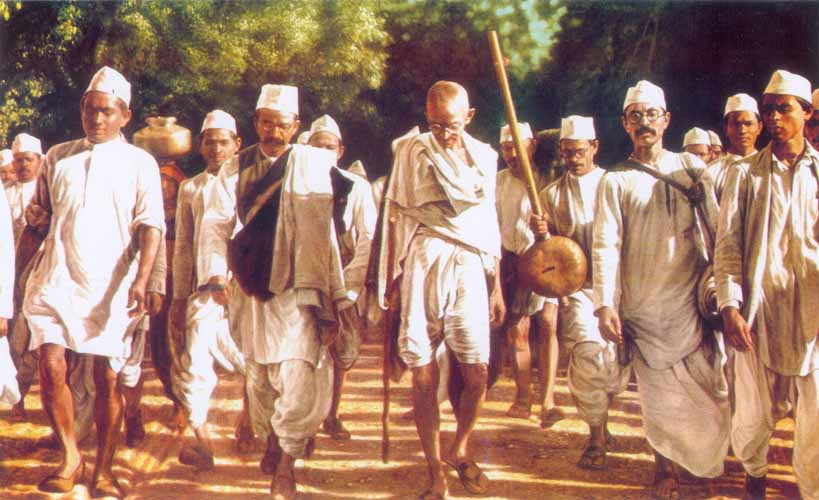
Mahatma Gandhi leading followers during the historic Salt March protest against British rule in India.
What Happened?
In 1930, India was still under the control of the British Empire. British leaders made many laws that benefited their government but hurt the people of India. One of these laws, called the Salt Act, made it illegal for Indians to collect or sell their own salt. Instead, they were forced to buy salt from the British government and pay a heavy tax. Because salt was an important part of everyday life and food, this law affected millions of people, especially the poor.
Mohandas Gandhi, one of the most important leaders of the Indian independence movement, believed the salt law was unfair. Gandhi believed that people could challenge unjust laws without violence through a strategy he called 'satyagraha,' which means peaceful resistance. Instead of fighting with weapons, people would break unfair laws openly and accept the consequences to show the injustice to the world.
On March 12, 1930, Gandhi began a historic protest known as the Salt March. Starting from his ashram near the city of Ahmedabad, he set out on foot with 78 followers on a 241-mile journey to the coastal village of Dandi on the Arabian Sea. Along the way, Gandhi stopped in towns and villages to speak with people about freedom and justice, and thousands joined the march as it moved across the countryside.
After 24 days of walking, Gandhi and the growing crowd finally reached the sea. Early the next morning, Gandhi walked down to the beach, bent down, and picked up a small lump of salt from the sand. This simple act broke the British salt law. Soon, thousands of people across India followed his example, collecting salt from the sea or making their own.
The protest quickly spread throughout the country. Millions of Indians joined the movement by refusing to obey British laws, boycotting foreign goods, and peacefully protesting. British authorities responded by arresting more than 60,000 people, including Gandhi himself. Even though many protesters were beaten or jailed, they continued to resist without violence.
News of the Salt March spread around the world. Journalists reported on peaceful protesters being attacked by police, which caused international criticism of British rule in India. The march helped show that the British government was losing moral authority and could not easily ignore the growing demand for independence.
Although India would not become independent until 1947, the Salt March became a powerful symbol of how ordinary people could challenge injustice through courage and peaceful protest. Gandhi’s strategy of nonviolent resistance later inspired other leaders around the world, including Martin Luther King Jr., who used similar methods during the American Civil Rights Movement.
Why It Matters
The Salt March showed the power of peaceful protest. By breaking an unfair law in a simple and visible way, Gandhi helped millions of people realize they could stand up to injustice without violence. The event strengthened the Indian independence movement and influenced civil rights movements across the world.
?
Dig Deeper
An educational overview explaining Gandhi’s famous nonviolent protest known as the Salt March.
Related
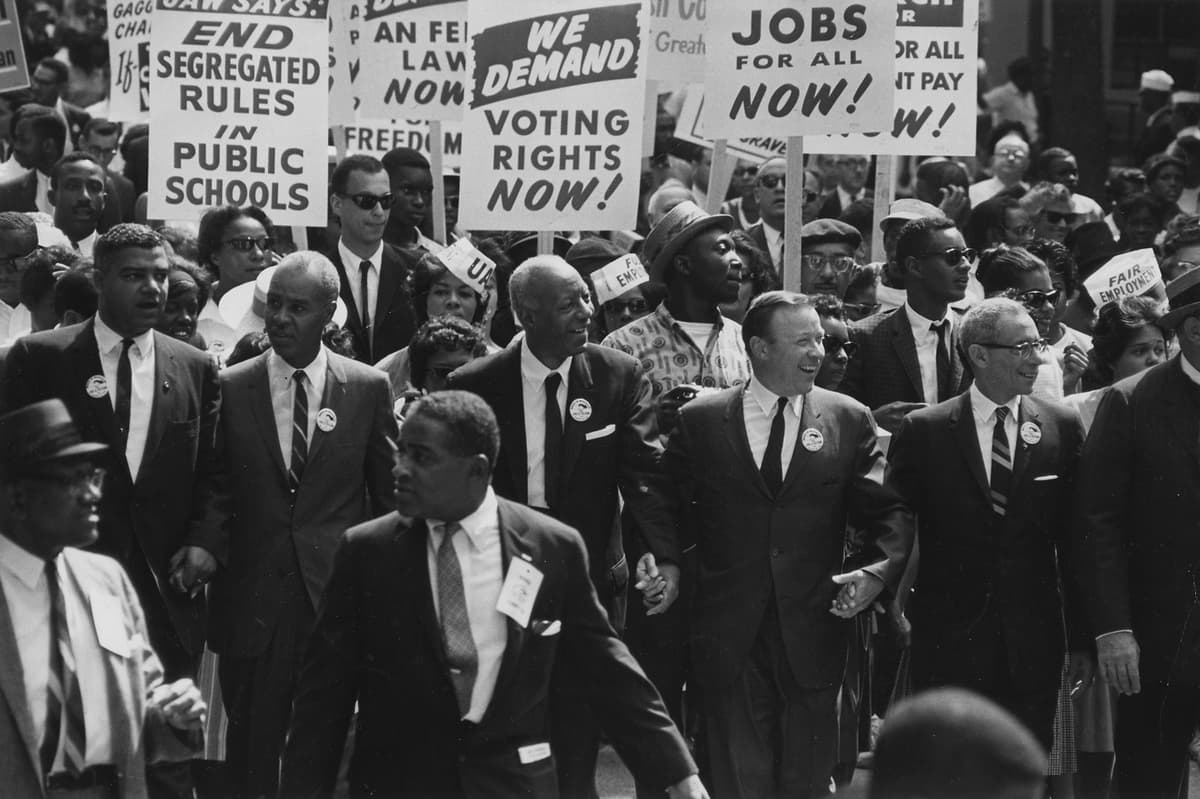
The Right to Protest & Civil Disobedience: How Activism Shapes Democracy
From labor strikes to mass demonstrations, activism has been the engine of social change. But what makes a movement successful? This deep dive explores the different roles in activism, the power of civil disobedience, and why protests are essential to democracy.
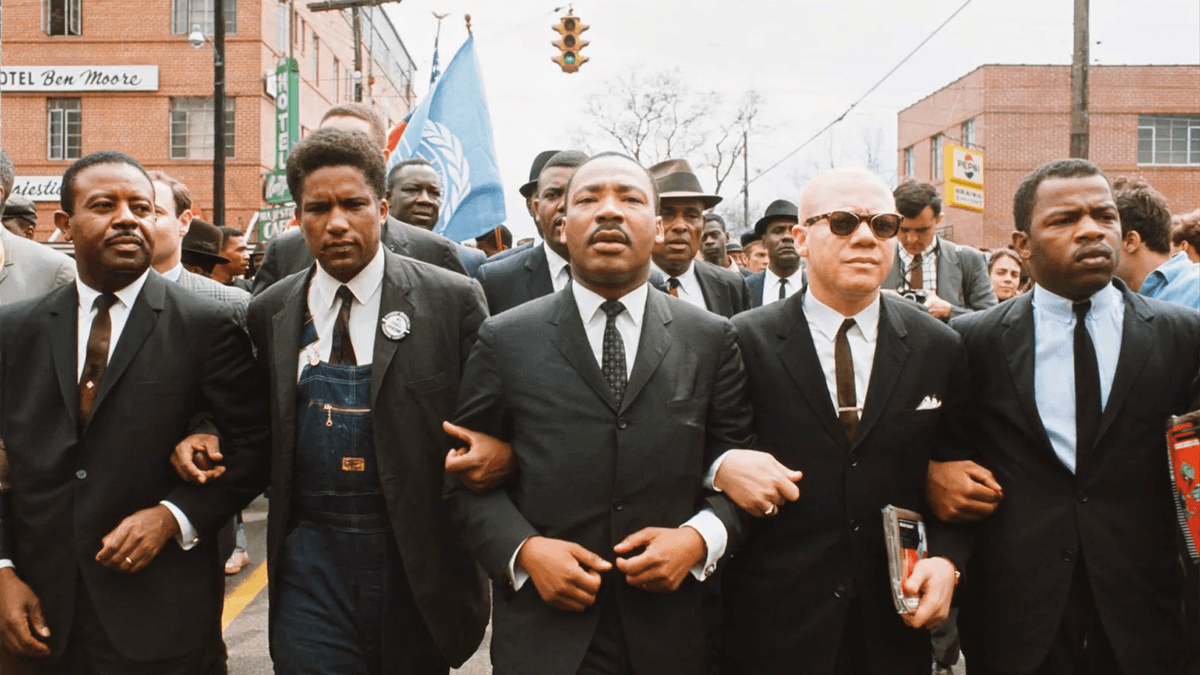
Montgomery Bus Boycott, Greensboro Sit-In, and the Rise of MLK
From Montgomery’s buses to Greensboro’s lunch counters, ordinary citizens ignited extraordinary change — and a new national leader emerged.
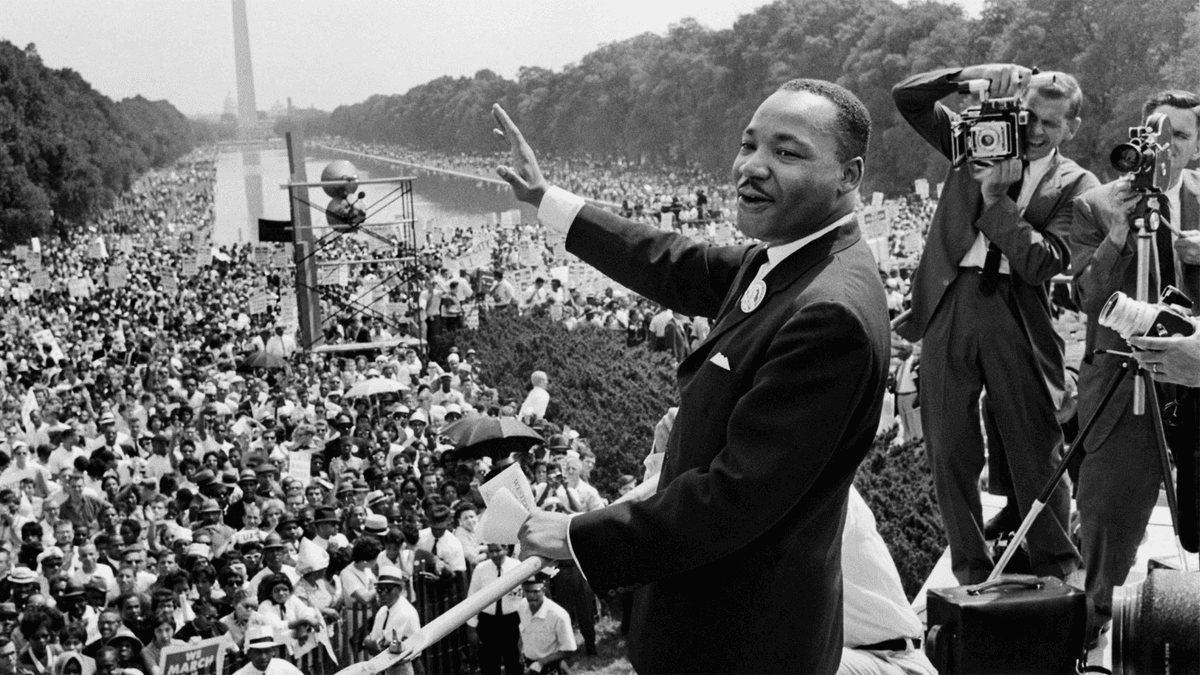
The Civil Rights Movement: Struggle, Solidarity, and Social Change
From classrooms to courthouses, buses to bridges, the Civil Rights Movement reshaped America’s laws — and its conscience.
Further Reading
Stay curious!