

1948: Truman Signs the Marshall Plan
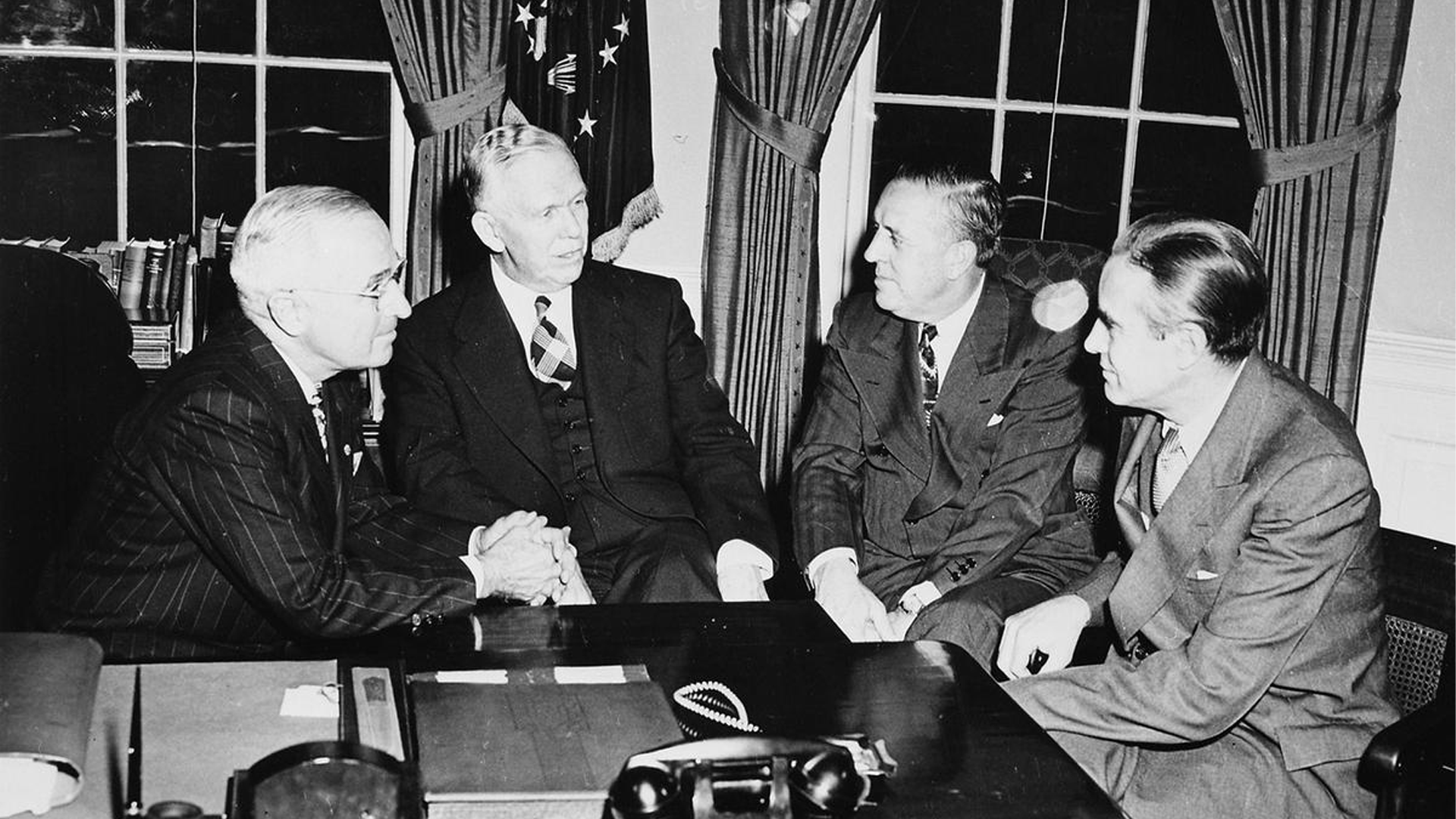
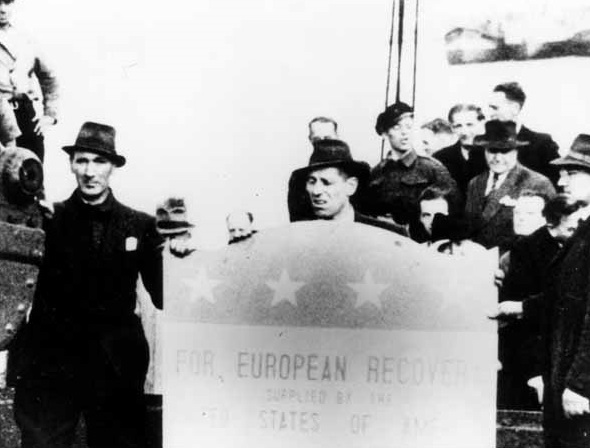
President Harry Truman signing the Marshall Plan to help rebuild Europe after World War II.
What Happened?
On April 3, 1948, President Harry S. Truman signed a law that would change the future of the world: the Marshall Plan. After World War II, much of Europe was in ruins. Cities had been bombed, factories destroyed, and millions of people were struggling with hunger, poverty, and uncertainty. The United States stepped in with a bold idea—to help rebuild Europe, not just for humanitarian reasons, but to create a more stable and peaceful world.
The plan was named after Secretary of State George C. Marshall, who first proposed it in 1947. He believed that if Europe remained weak and unstable, it could lead to more conflict and make countries more vulnerable to communism, a political system spreading from the Soviet Union. Marshall argued that helping people recover from poverty and hardship would support democracy and reduce the chances of future wars.
Under the Marshall Plan, the United States provided about $13 billion in aid to 17 European countries. This money helped rebuild roads, factories, farms, and entire industries. Countries used the aid to increase food production, restore businesses, and create jobs. As a result, many European economies grew rapidly, with production increasing by as much as 15 to 25 percent in just a few years.
The Marshall Plan was not just about money—it was also about cooperation. European countries worked together to create a recovery plan, showing that rebuilding required teamwork across borders. This cooperation helped strengthen relationships between nations and laid the foundation for future partnerships, including alliances that still exist today.
At the same time, the plan was part of a larger global struggle known as the Cold War. The United States and the Soviet Union had different visions for the world. While the U.S. supported democratic governments and free-market economies, the Soviet Union promoted communism. By helping rebuild Western Europe, the United States hoped to prevent countries from turning toward communism during a time of crisis.
Not every country participated in the Marshall Plan. The Soviet Union and several Eastern European nations refused the aid, which deepened the divide between Eastern and Western Europe. This division became one of the defining features of the Cold War, shaping global politics for decades.
Why It Matters
The Marshall Plan is remembered as one of the most successful foreign aid programs in history. It demonstrated how economic support can promote peace, stability, and cooperation while helping nations recover from crisis. Beyond rebuilding cities and industries, the plan restored trust, opportunity, and hope across Europe. It also highlights how countries can work together to prevent future conflict and strengthen democratic systems. At the same time, it helps us understand the early stages of the Cold War and shows how major global decisions can shape political and economic systems for generations.
?
Why did the United States decide to help rebuild Europe after World War II?
How did the Marshall Plan help prevent the spread of communism?
What kinds of projects did Marshall Plan money support in Europe?
Why did some countries refuse to participate in the Marshall Plan?
How can economic aid influence relationships between countries today?
Dig Deeper
An easy-to-understand explanation of the Marshall Plan and how it helped rebuild Europe after World War II.
Related
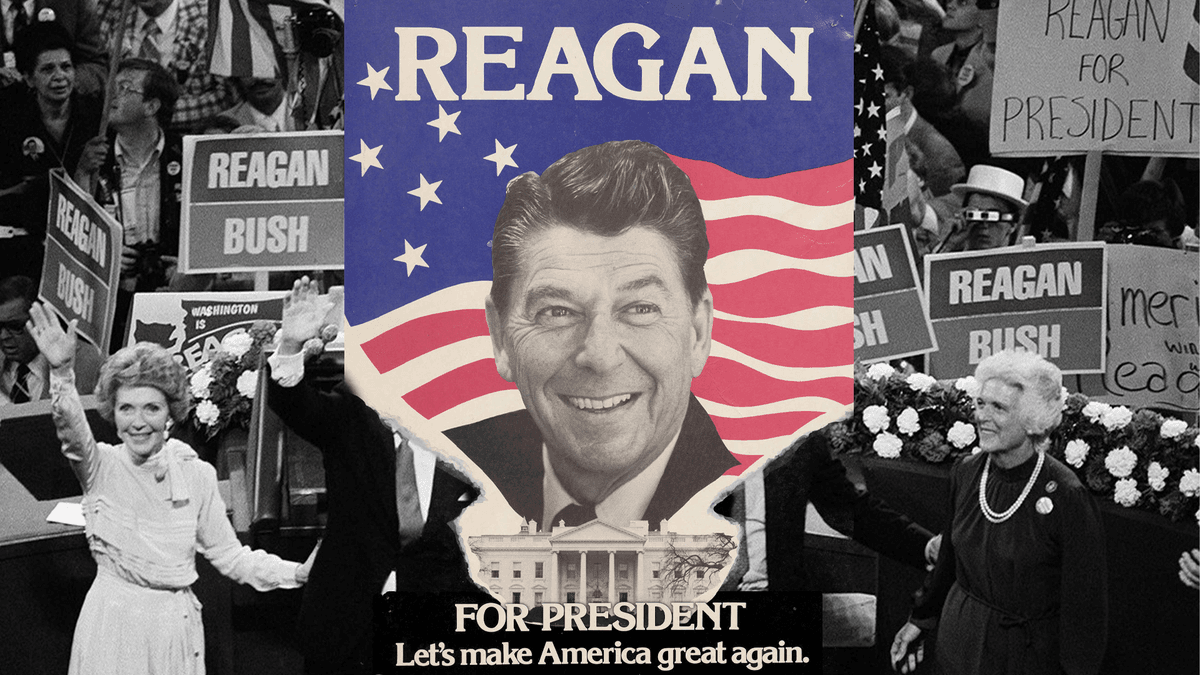
Conservative Resurgence and Economic Shifts (1970s–1980s)
The 1970s and 1980s marked a major political shift in the United States as conservatism gained new power, Ronald Reagan reshaped government policy, and debates over economics, religion, and the role of government transformed American life.
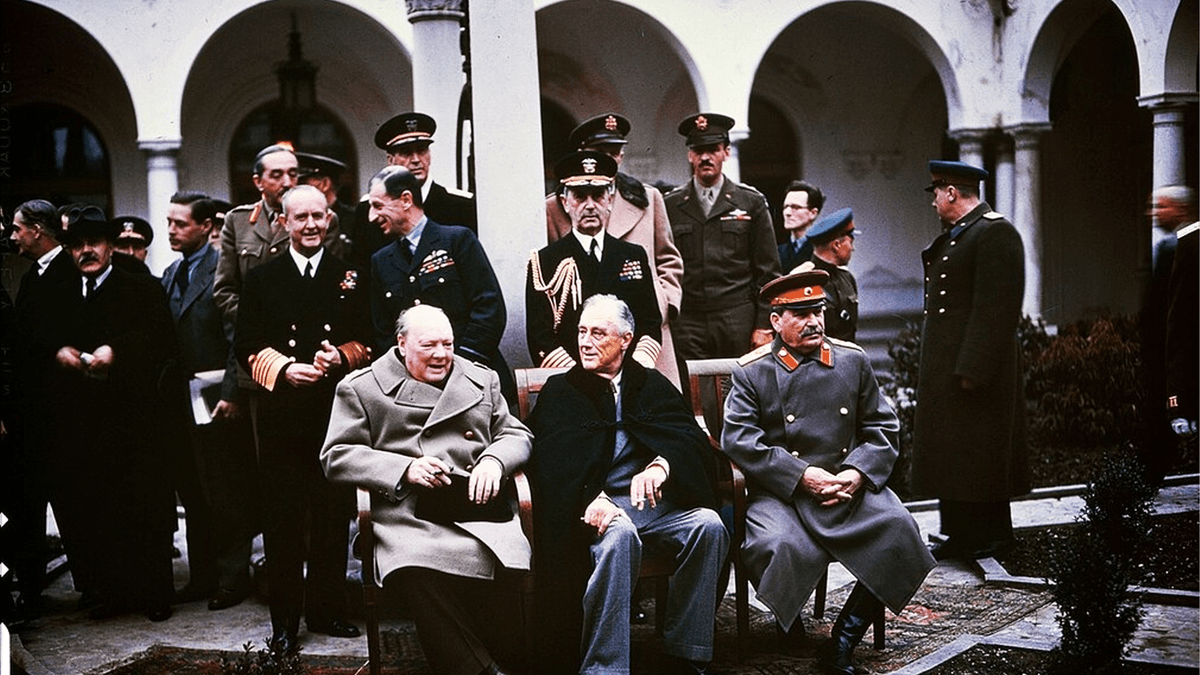
The Cold War & Fear at Home: Ideology, Power, and Public Anxiety
A global rivalry shaped by fear, ideology, and the constant tension between freedom and security.
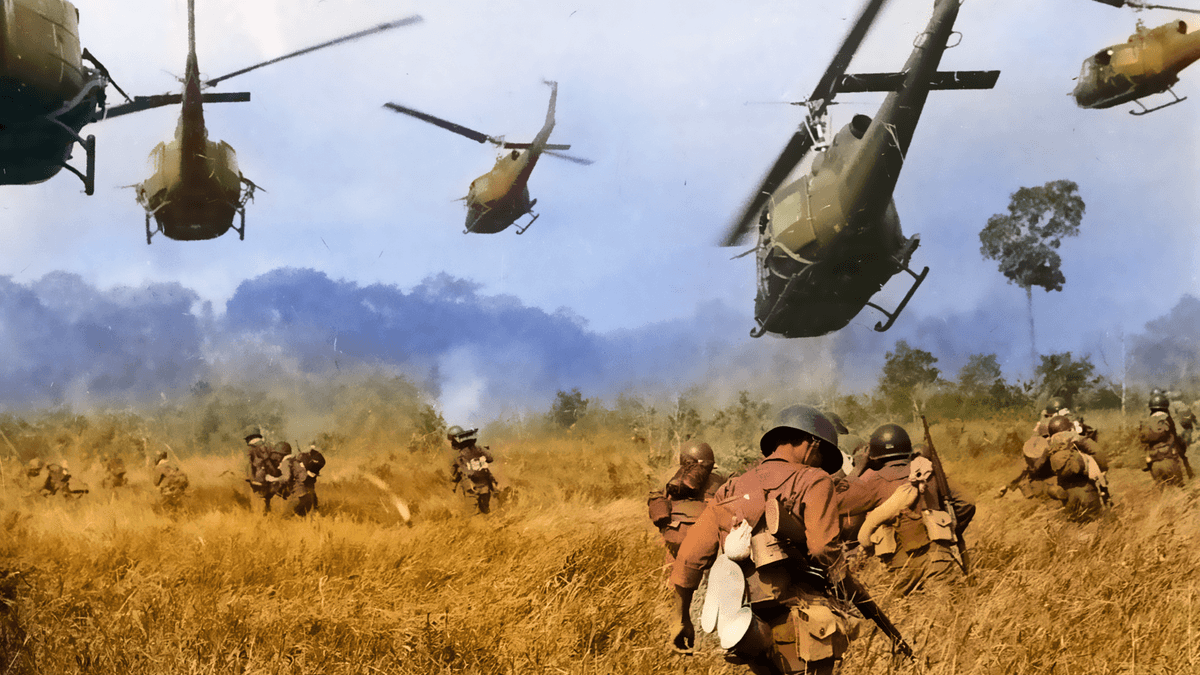
The Vietnam War: Conflict, Cold War, and Consequences
A complex war shaped by colonial history, Cold War fears, and powerful resistance—understand why the Vietnam War happened and why it still matters.
Further Reading
Stay curious!