

The Vietnam War: Conflict, Cold War, and Consequences
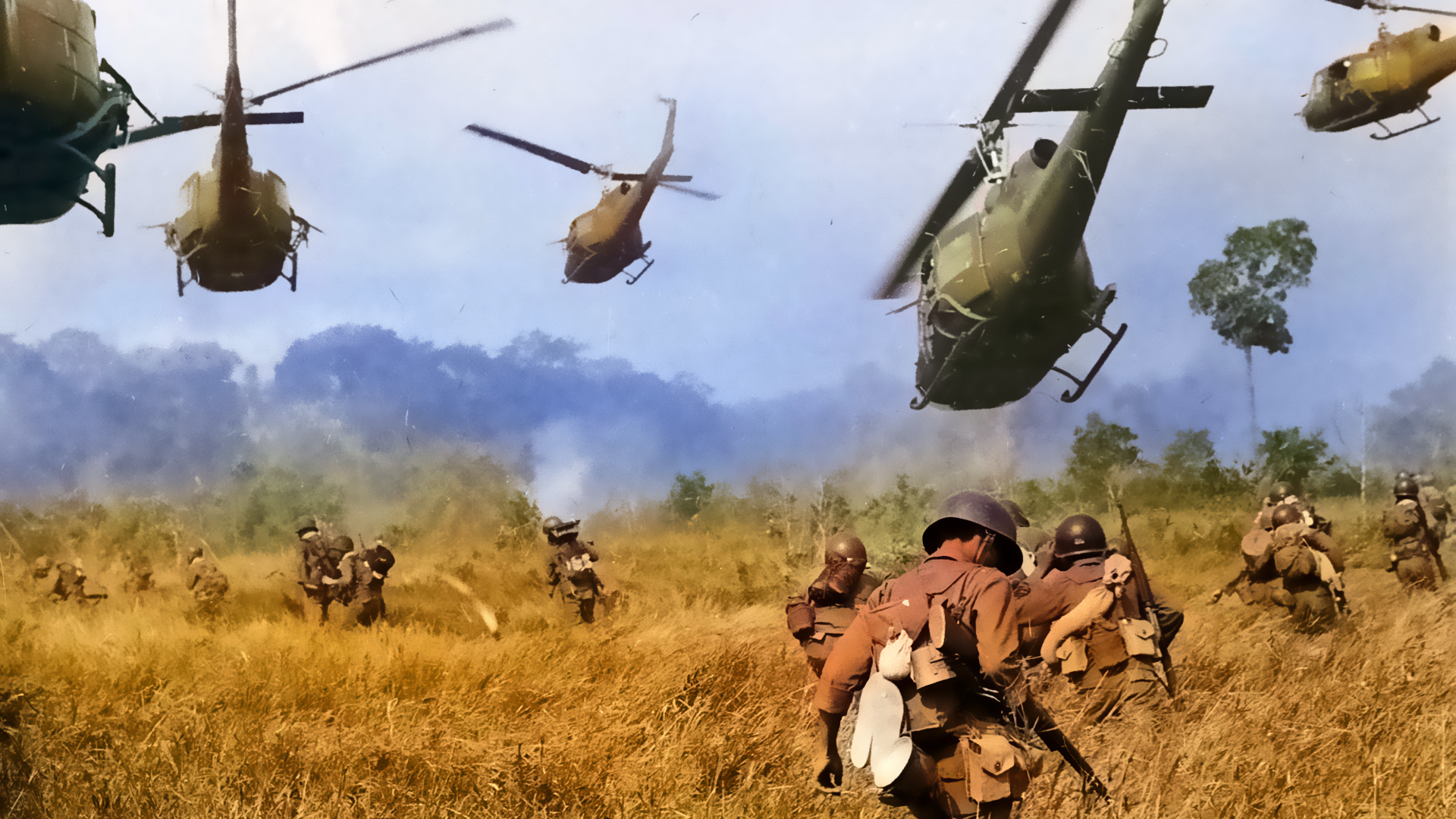
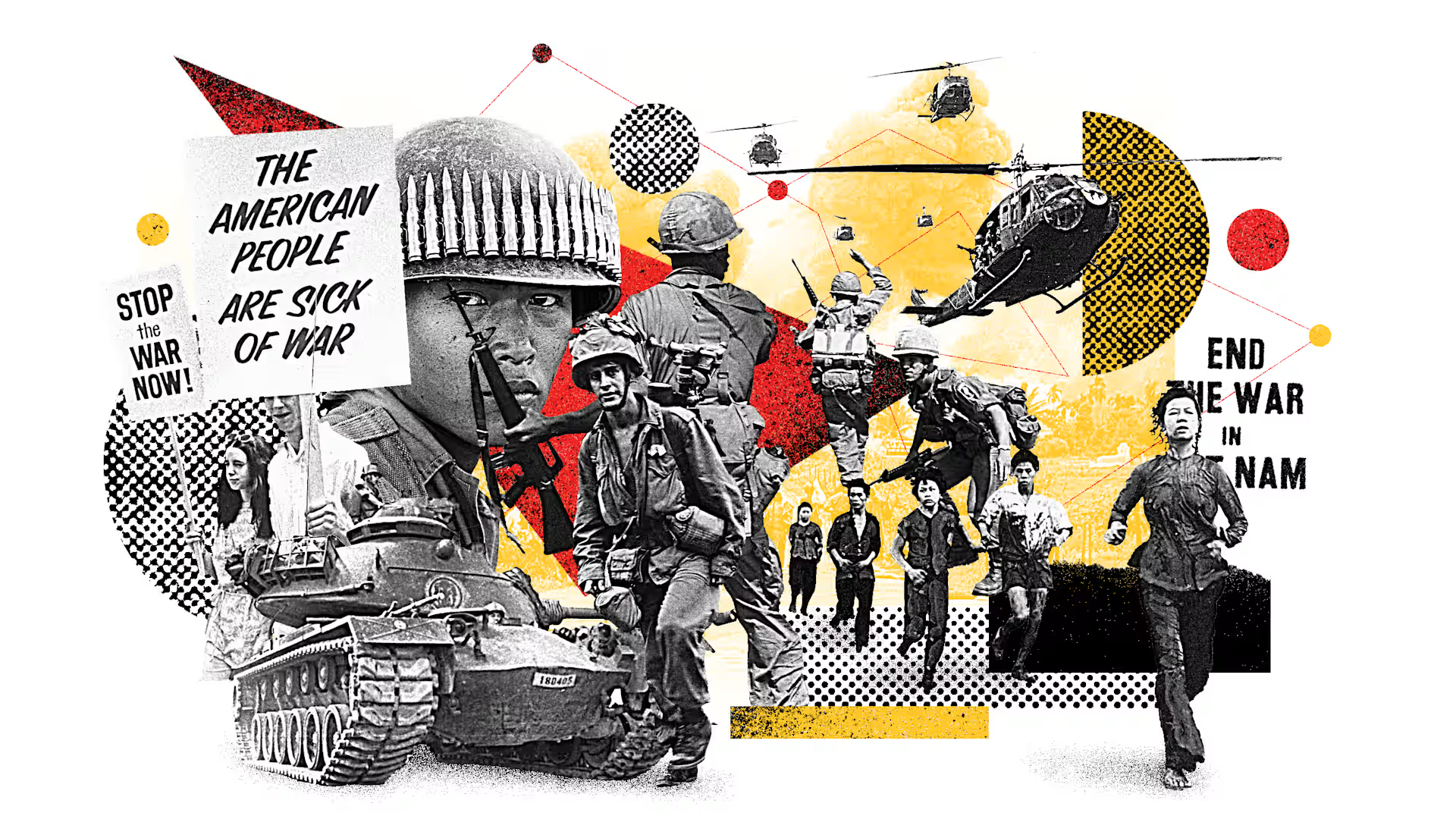
Helicopters flying over Vietnam during the war representing conflict and Cold War tensions
The Dive
The Vietnam War (1954–1975) was the result of overlapping struggles—colonial resistance, civil war, and Cold War rivalry. Its roots stretch back to the 1800s. For nearly a century, Vietnam had been under French colonial rule as part of French Indochina. During this time, many Vietnamese people pushed for independence. One of the most important leaders of this movement was Ho Chi Minh, who helped organize resistance against both French and Japanese control during World War II. After the war ended, Vietnam hoped to become an independent nation, but France attempted to reassert its power. This led to a long and violent struggle that ended in 1954 when Vietnamese forces defeated the French at Dien Bien Phu. That victory ended colonial rule—but it also set the stage for a deeper conflict.
Instead of unifying the country, international leaders divided Vietnam at the seventeenth parallel. North Vietnam became a communist state under Ho Chi Minh, while South Vietnam formed a separate government with support from the United States. This division took place during the Cold War, a time when the United States and its allies were focused on stopping the spread of communism. American leaders feared that if Vietnam fell to communism, other countries in Southeast Asia would follow—a belief known as the domino theory. Because of this, the United States began supporting South Vietnam with money, equipment, and military advisers.
At first, American involvement was limited. Under President John F. Kennedy, the United States sent advisers to help train South Vietnamese forces, but avoided sending large numbers of combat troops. That approach changed after the Gulf of Tonkin Incident in 1964, when reports of attacks on U.S. ships led Congress to give President Lyndon B. Johnson broad authority to use military force. Soon after, American troop levels surged. By the late 1960s, more than 500,000 U.S. soldiers were stationed in Vietnam, fighting a war that had become far larger and more complex than originally expected.
The Vietnam War was unlike most previous wars the United States had fought. There were no clear front lines or traditional battlefields. Instead, it was a guerrilla war, with fighters using surprise attacks, hidden tunnels, and deep knowledge of the land. The National Liberation Front, often called the Viet Cong, fought alongside North Vietnamese forces against South Vietnam and the United States. American forces relied heavily on advanced technology, including helicopters, air strikes, and chemical agents like Agent Orange. However, these methods often caused widespread destruction and harmed civilians, raising serious moral questions about how the war was being fought.
One of the most important turning points came in 1968 during the Tet Offensive, a series of coordinated attacks by North Vietnamese and Viet Cong forces on cities and military targets across South Vietnam. Although U.S. and South Vietnamese forces eventually pushed back the attacks, the offensive shocked the American public. It revealed that the enemy was far stronger and more organized than many had been led to believe. For many Americans, it marked the moment when confidence in the war began to break.
As the war continued, its impact spread far beyond Vietnam. In the United States, public opinion began to shift. Many Americans questioned why so many young people were being drafted to fight in a war that seemed to have no clear end. Protests erupted across the country, especially on college campuses. The nation became deeply divided, with some supporting the war and others demanding an immediate withdrawal. Events like the Kent State shootings, where National Guardsmen killed four student protesters in 1970, showed just how intense these divisions had become.
At the same time, trust in the government began to erode. Reports like the Pentagon Papers revealed that officials had not always been truthful about the progress of the war. Many Americans felt misled, and this loss of trust would have lasting effects on how people viewed government decisions in the years that followed.
By the early 1970s, the United States began to withdraw its troops. President Richard Nixon introduced a policy called Vietnamization, which aimed to shift responsibility for the fighting to South Vietnamese forces while bringing American soldiers home. In 1973, the Paris Peace Accords officially ended U.S. involvement in the war. However, fighting between North and South Vietnam continued, and in 1975, North Vietnamese forces captured Saigon, bringing the war to an end and reuniting the country under communist control.
The cost of the Vietnam War was enormous. More than 58,000 American soldiers were killed, along with millions of Vietnamese soldiers and civilians. Entire regions were devastated, and the effects of the war—both physical and emotional—lasted long after the fighting stopped. For many veterans and families, the war’s impact did not end when they returned home.
The Vietnam War left behind more than destruction—it left questions that still matter today. It forced Americans to confront the limits of military power, rethink the responsibilities of leadership, and recognize the importance of honesty during times of crisis. It also revealed that the impact of war doesn’t end on the battlefield. It reaches into homes, communities, and the national conscience. In that way, the Vietnam War remains not just a chapter in history, but a lesson we are still learning from.
Why It Matters
The Vietnam War changed how Americans think about war itself. It challenged long-held assumptions, exposed deep divisions at home, and reshaped both U.S. foreign policy and public trust in government. It also revealed the limits of military power in conflicts without clear goals or outcomes. Its legacy lives on not just in history books, but in the lessons it continues to teach about courage, consequence, and the true cost of conflict. Understanding this war helps us think more critically about leadership, decision-making, and the impact those choices have on people both at home and around the world.
?
Was the Vietnam War primarily a civil war or a Cold War conflict?
Why did the United States believe it needed to intervene in Vietnam?
How did the Tet Offensive change public opinion in the U.S.?
What role did the media play in shaping perceptions of the war?
What lessons can be learned from the Vietnam War today?
Dig Deeper
An overview of how Cold War tensions shaped conflicts in Asia, including Vietnam.
A clear breakdown of U.S. involvement in Vietnam and the policy of containment.
Related
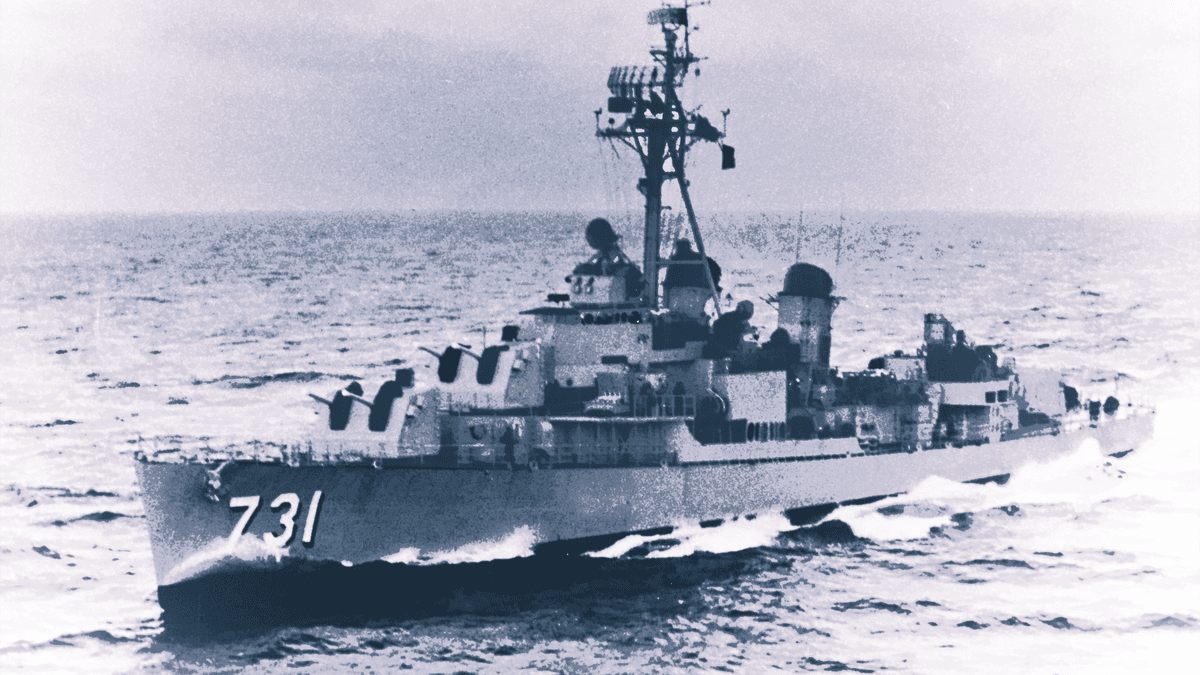
The Gulf of Tonkin Incident: A Turning Point in the Vietnam War
A disputed naval encounter that led to full-scale U.S. involvement in Vietnam—and raised lasting questions about power, truth, and war.
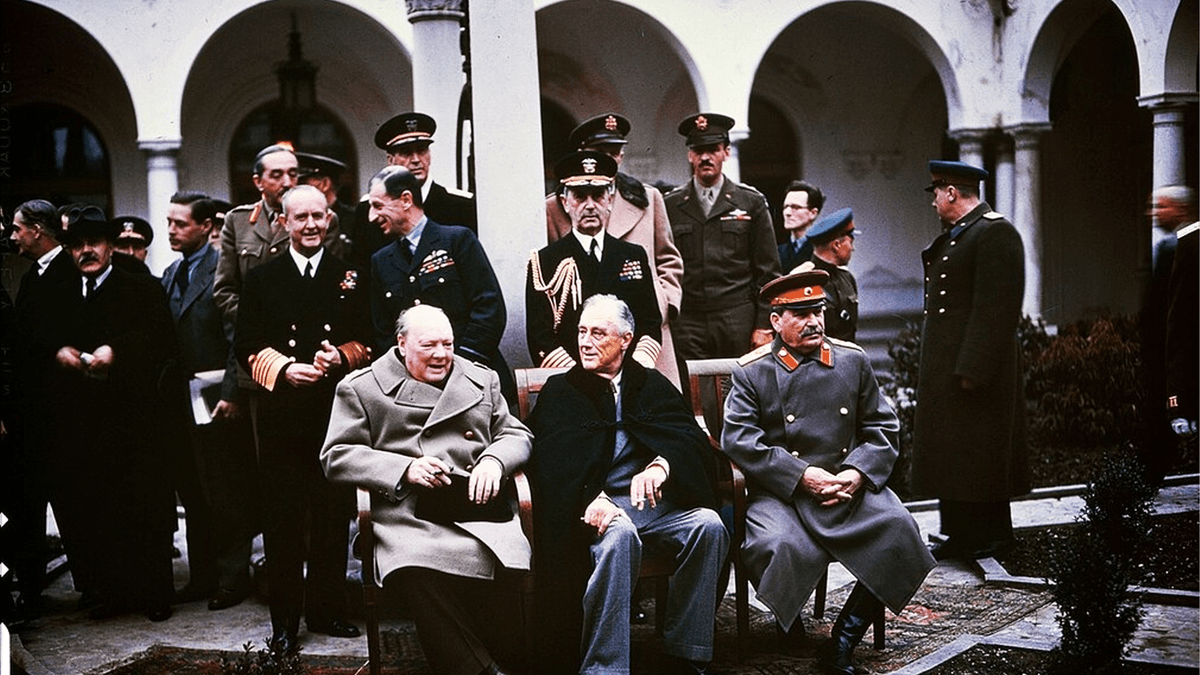
The Cold War & Fear at Home: Ideology, Power, and Public Anxiety
A global rivalry shaped by fear, ideology, and the constant tension between freedom and security.
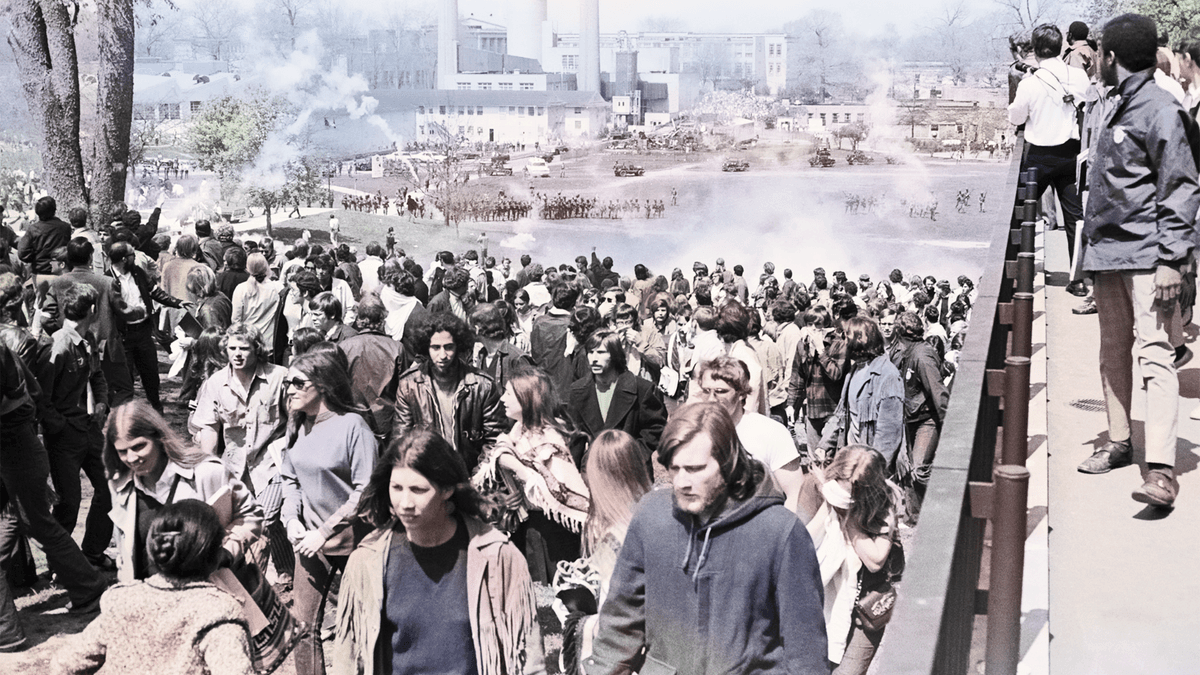
Kent State Shootings: When Protest and Power Collided
A moment when the Vietnam War reached American soil—and exposed the deep divisions within the nation.
Further Reading
Stay curious!