

The Gulf of Tonkin Incident: A Turning Point in the Vietnam War
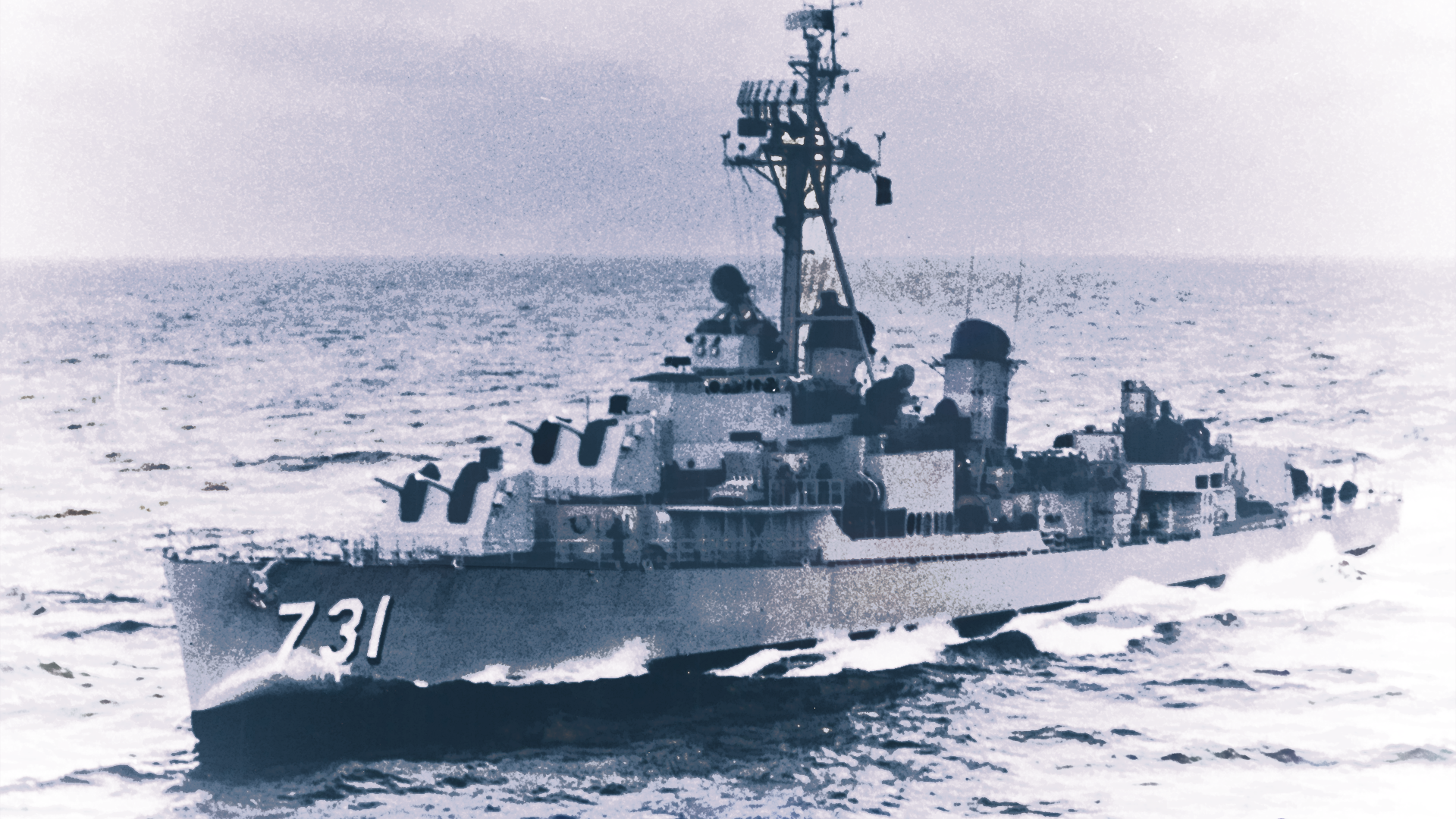
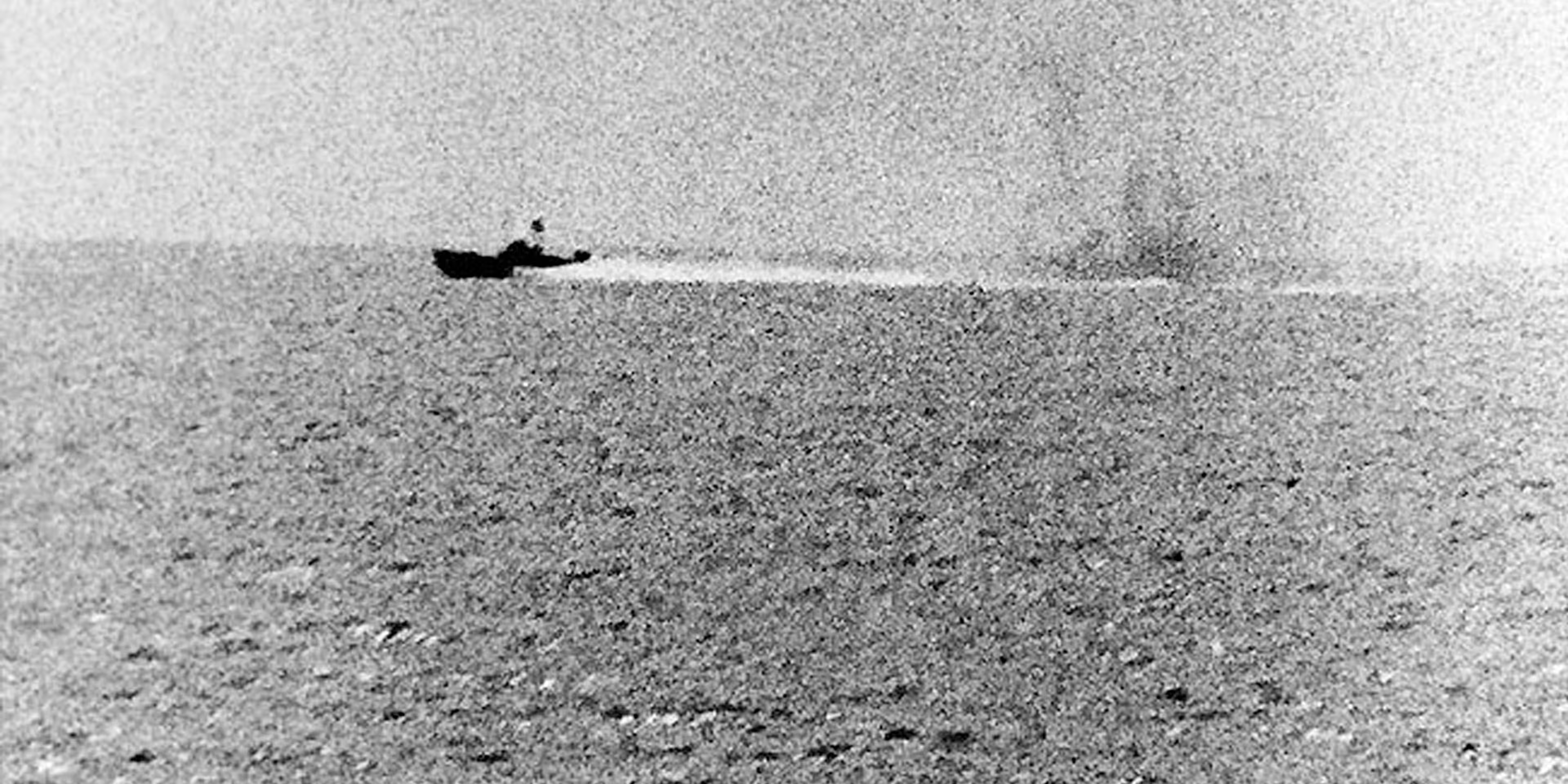
U.S. Navy destroyers in the Gulf of Tonkin during the Vietnam War
The Dive
The Gulf of Tonkin Incident in August 1964 marked a critical turning point in the Vietnam War, transforming a limited U.S. advisory role into full-scale military involvement. At the time, Vietnam was already divided between a communist North and an anti-communist South, with the United States supporting South Vietnam as part of its broader Cold War strategy of containing communism.
On August 2, 1964, the U.S. destroyer USS Maddox engaged in a real naval confrontation with North Vietnamese patrol boats in the Gulf of Tonkin. The Maddox, which was conducting intelligence-gathering missions while supporting South Vietnamese operations, exchanged fire with the approaching vessels and called in air support to repel the attack.
A second reported attack occurred on August 4, involving both the USS Maddox and the USS Turner Joy. However, this incident was far less clear. Poor weather conditions, confusion, and possible sonar errors led to reports of enemy activity that may not have actually occurred. Later testimony from naval officers, including Commander James Stockdale, raised serious doubts about whether any attack happened at all.
Despite these uncertainties, President Lyndon B. Johnson presented both incidents to Congress and the American public as clear acts of unprovoked aggression. This framing played a crucial role in shaping public perception and political response, even though key details about U.S. involvement in covert operations along the North Vietnamese coast were not widely disclosed.
On August 7, 1964, Congress passed the Gulf of Tonkin Resolution with overwhelming support. The resolution authorized the president to 'take all necessary measures' to repel attacks and prevent further aggression, effectively granting Johnson broad war powers without a formal declaration of war.
This resolution became the legal foundation for a major escalation of the Vietnam War. Within months, the United States launched Operation Rolling Thunder, a sustained bombing campaign against North Vietnam, and began deploying large numbers of ground troops. What had been a limited conflict rapidly expanded into a prolonged and costly war.
As the war intensified, questions about the accuracy of the Gulf of Tonkin reports began to surface. Declassified documents and later investigations revealed that the second attack was likely misinterpreted or entirely nonexistent. These revelations contributed to growing public skepticism and a widening gap between government statements and reality.
Domestically, the escalation of the Vietnam War fueled widespread protest and distrust in government. Many Americans began to question not only the war itself but also the decision-making processes that led to it. The incident became a symbol of executive overreach and the dangers of granting unchecked authority during times of crisis.
By 1971, Congress repealed the Gulf of Tonkin Resolution, attempting to reassert its constitutional authority over war powers. However, by that point, the United States had already been deeply entrenched in Vietnam for years. The legacy of the incident continues to shape debates about military intervention, transparency, and the balance of power in a democracy.
Why It Matters
The Gulf of Tonkin Incident reveals how powerful information can be in shaping national decisions. When leaders act on incomplete or uncertain intelligence, the consequences can be far-reaching. In this case, a disputed event helped justify a major expansion of the Vietnam War, leading to years of conflict, loss of life, and political division. It shows how quickly a limited response can grow into a full-scale war. Just as importantly, it raises lasting questions about leadership, transparency, and the government’s responsibility to provide accurate information. Understanding this moment helps us think more critically about how decisions are made in times of crisis—and how those choices can shape history.
?
Why did the United States escalate its involvement after the Gulf of Tonkin Incident?
How did uncertainty about the second attack affect public trust?
What is the role of Congress in declaring war?
Could the Vietnam War have unfolded differently without this incident?
What lessons does this event teach about government power and accountability?
Dig Deeper
Learn about the international incident that escalated American involvement in the Vietnam War.
Related
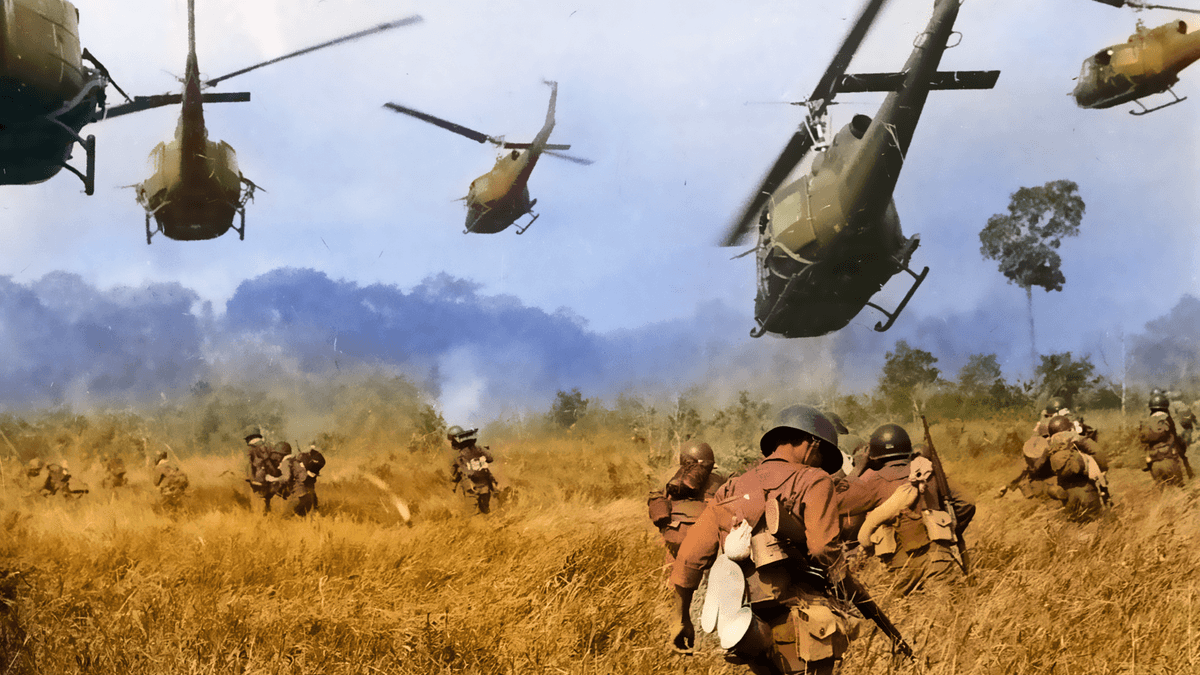
The Vietnam War: Conflict, Cold War, and Consequences
A complex war shaped by colonial history, Cold War fears, and powerful resistance—understand why the Vietnam War happened and why it still matters.
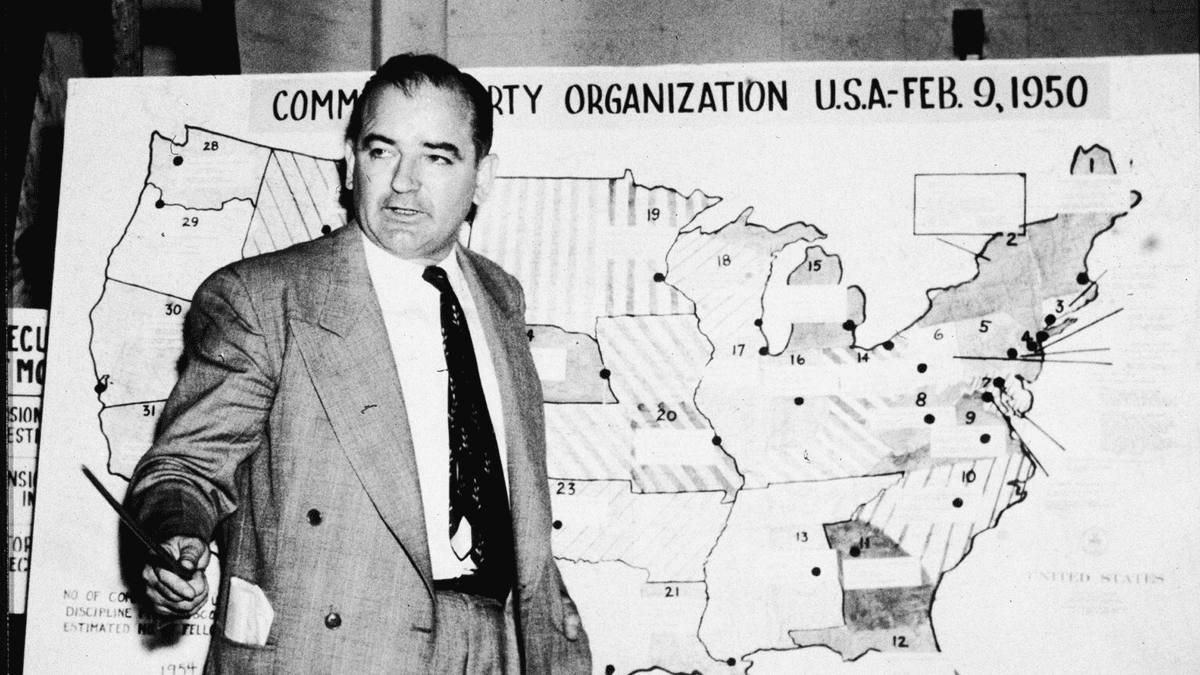
McCarthyism: Fear, Power, and the Red Scare
In the 1950s, fear of communism gripped America. Senator Joseph McCarthy fueled this fear by accusing hundreds of people of being communist traitors—often without proof. The result was a national panic that tested the meaning of truth, justice, and freedom.
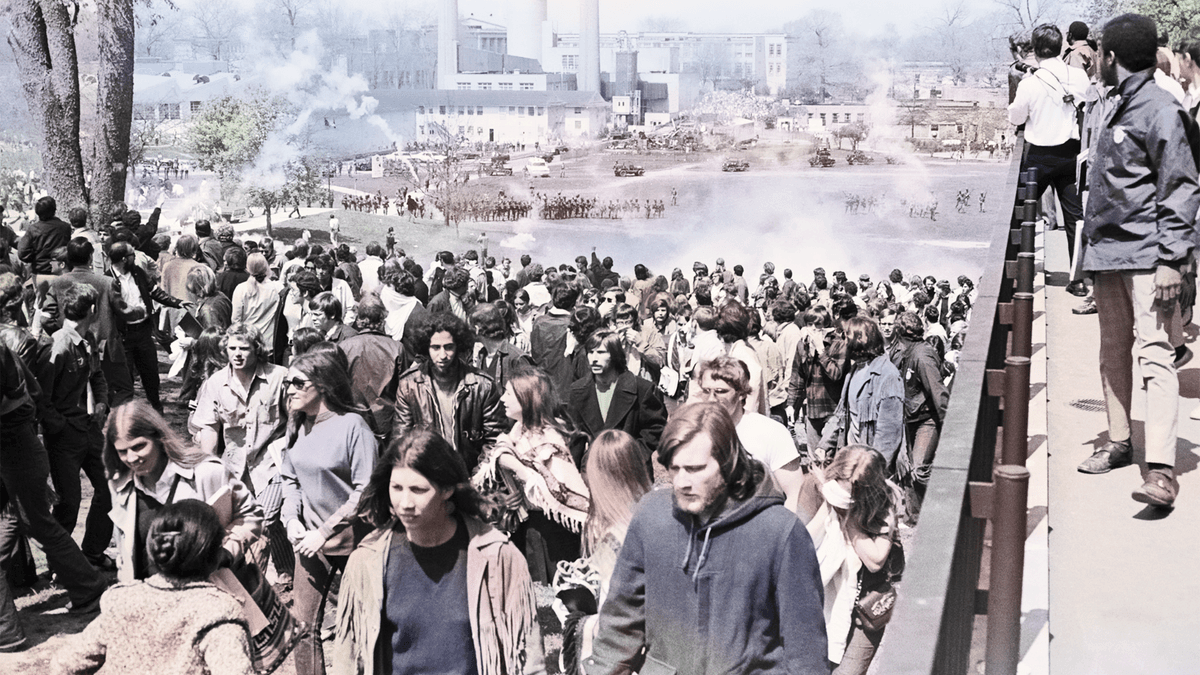
Kent State Shootings: When Protest and Power Collided
A moment when the Vietnam War reached American soil—and exposed the deep divisions within the nation.
Further Reading
Stay curious!