

Kent State Shootings: When Protest and Power Collided
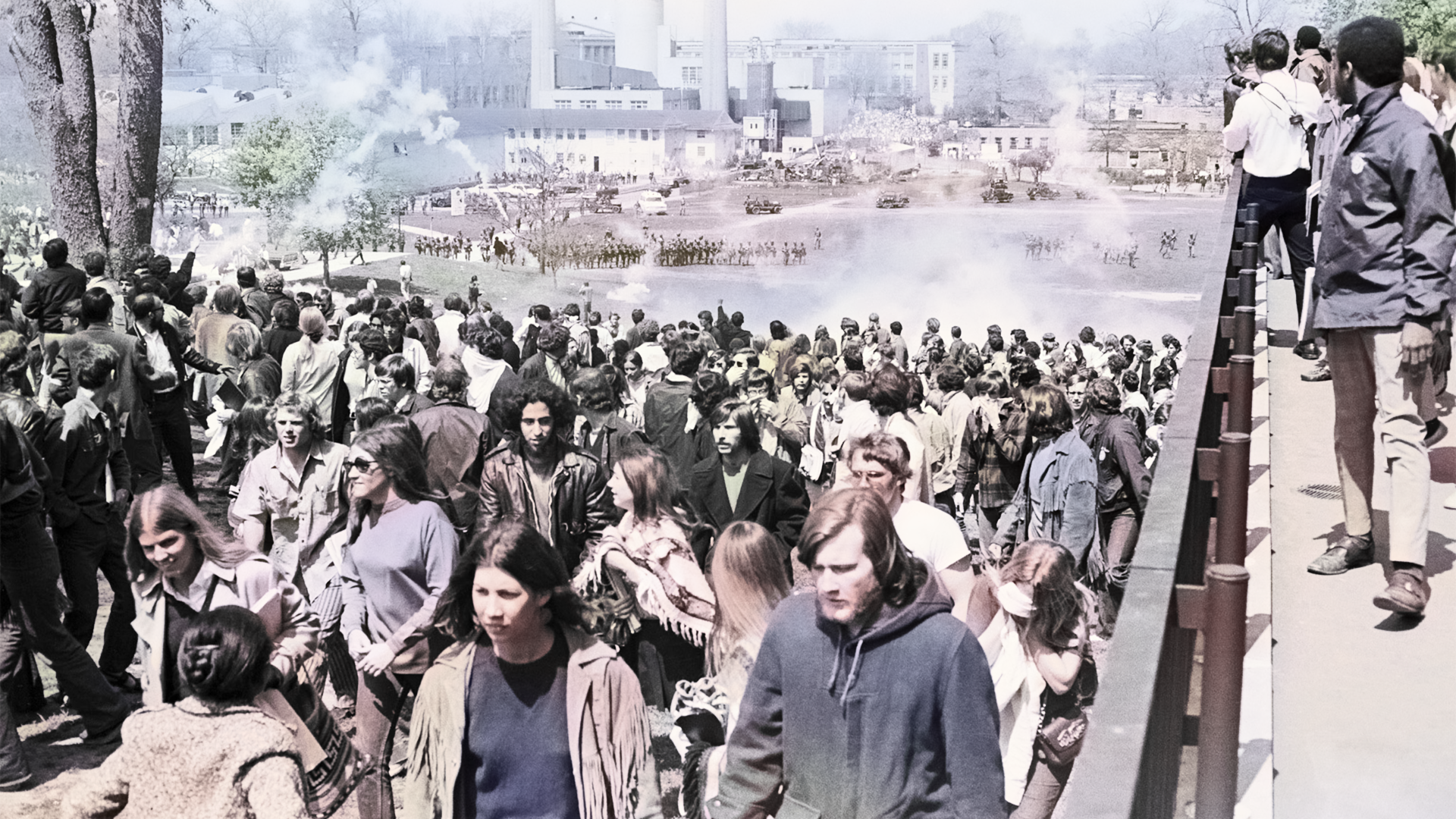
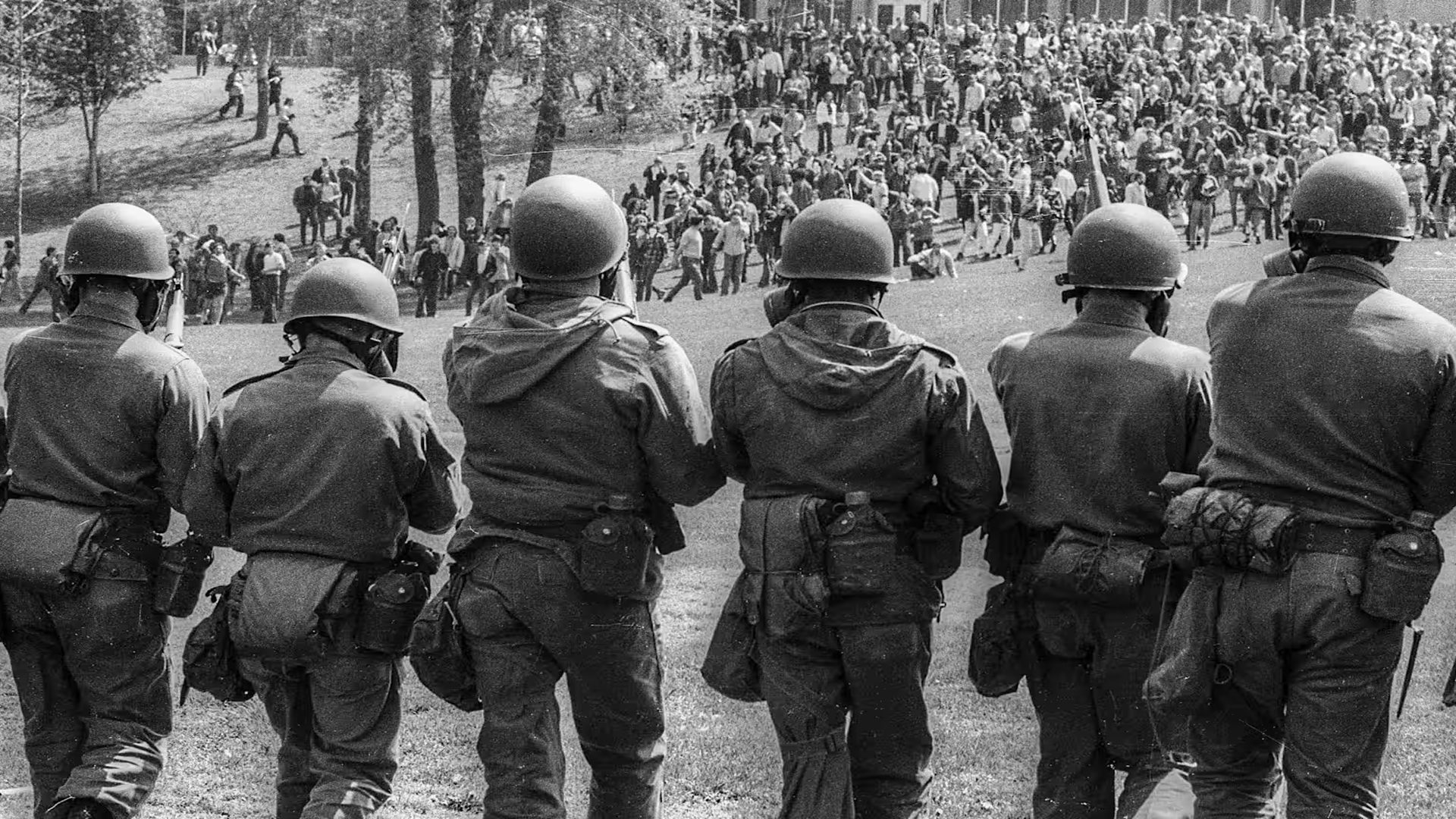
Students protesting at Kent State University in 1970
The Dive
On May 4, 1970, what began as a protest against the Vietnam War ended in tragedy when members of the Ohio National Guard opened fire on unarmed students. Four young people were killed, and nine others were wounded. In just 13 seconds, a distant war created crisis at home.
To understand Kent State, we have to look at what was going on at the time. The Vietnam War had been dividing the country for years. Some Americans supported the government’s effort to stop the spread of communism, while others believed the war was unjust or unnecessary. When President Richard Nixon announced in April 1970 that U.S. forces would expand the war into Cambodia, many felt betrayed. The war that seemed to be winding down was now ramping up again, and protests quickly spread across college campuses—including Kent State.
In the days leading up to May 4, tensions in Kent rose quickly. Student protests turned into clashes with local police, fires were set, and the campus ROTC building was burned. In response, local officials called in the Ohio National Guard to restore order. By the time the Guard arrived, the campus felt less like a place of learning and more like a military zone. Nearly 1,000 Guardsmen were stationed there, standing face-to-face with students in an atmosphere filled with fear, anger, and confusion.
On the morning of May 4, despite a ban on demonstrations, thousands of students gathered on campus. At first, the protest was peaceful. But when the National Guard ordered the crowd to disperse and used tear gas, tensions rose again. Some students shouted and threw rocks, while the Guardsmen advanced with rifles and bayonets. Then, in a moment that is still debated today, 28 Guardsmen suddenly turned and fired their weapons into the crowd, releasing more than 60 shots in just 13 seconds.
Four students—Jeffrey Miller, Allison Krause, William Schroeder, and Sandra Scheuer—were killed. Nine others were injured, some from hundreds of feet away. One of the victims was simply walking to class. The violence was sudden, chaotic, and devastating, leaving students and faculty in shock as they tried to understand what had just happened.
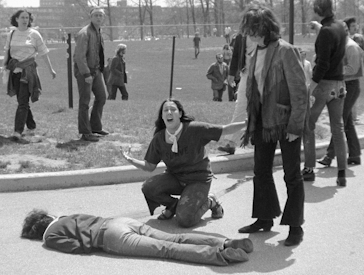
Across the country, millions of Americans saw the now-famous photograph of a young girl crying over a fallen student. It became a powerful symbol of grief and outrage. In response, students organized a nationwide strike, and hundreds of colleges and universities temporarily shut down.
In the years that followed, many questions remained unanswered. Why did the Guardsmen fire? Some said they feared for their lives, while others argued that the students were unarmed and did not pose a serious threat. Investigations and court cases took place, but no one was ultimately found criminally responsible. This lack of clear accountability deepened public frustration and added to growing mistrust between citizens and the government.
The Kent State tragedy became a symbol of a deeply divided nation. It showed how quickly fear and misunderstanding can turn into violence, especially when communication breaks down. It raised lasting questions about protest, authority, and the responsibilities of a government to its people. Four students lost their lives that day. The lives lost on that campus remind us that the choices made by leaders, and by ordinary people, carry real consequences.
Why It Matters
Nationally, the Kent State shootings sparked a wave of protest unlike anything seen before. Millions of students across the United States participated in strikes, and hundreds of colleges and universities temporarily closed. The event became a defining symbol of the anti-war movement and deepened public skepticism toward government decisions. The tragedy also raised lasting questions about the balance between protest and authority in a democracy. It exposed the risks that arise when fear, miscommunication, and military force intersect with civilian dissent. The image of students killed while protesting became a powerful reminder of how fragile civil liberties can be during times of national stress. Today, the Kent State shootings remain a critical case study in American history. They challenge us to think about how governments respond to protest, how citizens express dissent, and how a democracy can navigate conflict without turning on its own people. The lessons of May 4, 1970, continue to shape conversations about rights, responsibility, and the power of civic engagement.
?
Why did the United States invade Cambodia, and how did that decision impact public opinion?
What responsibilities do governments have when responding to protests?
Were the Kent State shootings preventable?
How did the event change the anti-war movement?
What lessons can modern societies learn from Kent State?
Dig Deeper
What happened at Kent State University on May 4, 1970? Learn about the political and social movements that set the stage for a deadly confrontation.
A firsthand account reflecting on the events at Kent State and their lasting impact on protest and civil rights.
Related
The Vietnam War: Conflict, Cold War, and Consequences
A complex war shaped by colonial history, Cold War fears, and powerful resistance—understand why the Vietnam War happened and why it still matters.
The Gulf of Tonkin Incident: A Turning Point in the Vietnam War
A disputed naval encounter that led to full-scale U.S. involvement in Vietnam—and raised lasting questions about power, truth, and war.
U.S. Geography: How the Land Shaped a Nation
Before the United States was born, geography shaped how people lived, worked, and fought over this land. From the Appalachian Mountains to the Great Plains, the natural landscape influenced settlement, culture, and history.
Further Reading
Stay curious!