

Truman Announces the Fair Deal
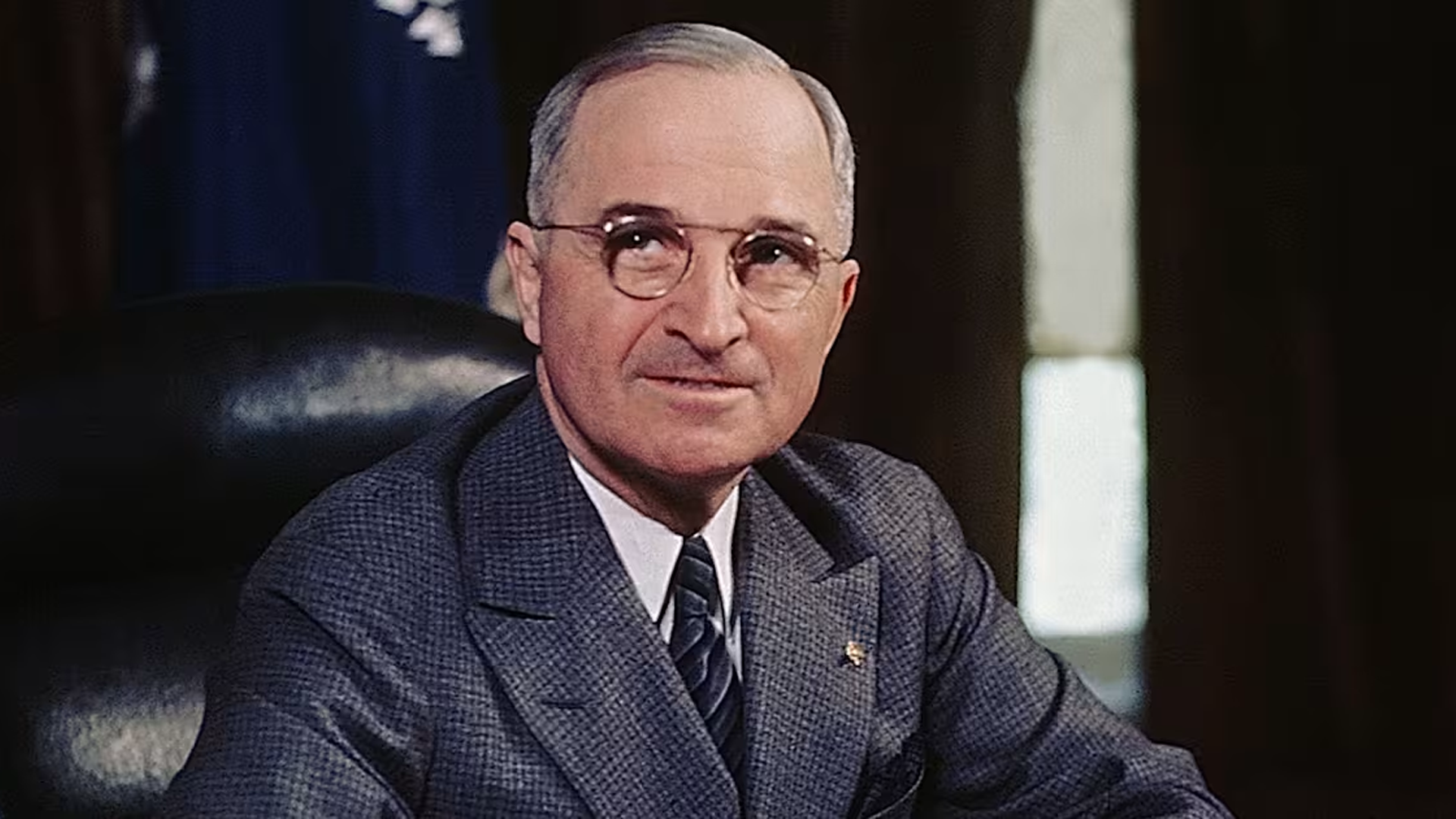
The Fair Deal was President Truman’s effort to build on the New Deal and adapt it to the challenges facing Americans after World War II.
What Happened?
In January 1949, the United States was adjusting to a new era. World War II had ended just a few years earlier, and millions of Americans were returning to civilian life. While the nation was powerful and wealthy, many families still struggled with low wages, housing shortages, discrimination, and unequal access to health care and education.
In his State of the Union address, President Harry S. Truman argued that democracy worked best when ordinary people felt secure and treated fairly. He declared that Americans deserved a “fair deal” from their government—one that protected opportunity, reduced hardship, and prevented wealth and power from becoming too concentrated.
Truman’s Fair Deal proposed raising the minimum wage, expanding Social Security, and investing in public housing to address overcrowded cities and poverty. These ideas were meant to help working families keep up with rising costs and ensure older Americans could retire with dignity.
Health care and education were central to Truman’s vision. He called for national health insurance and federal aid to schools, believing that illness and lack of education should not determine a person’s future. Although Congress rejected national health care, it did approve expansions to Social Security and housing programs.
Civil rights became one of the most lasting parts of the Fair Deal. Truman pushed Congress to pass anti-discrimination laws, but when lawmakers refused, he used executive orders to desegregate the military and the federal workforce—historic steps toward racial equality.
Despite Truman’s surprise reelection in 1948, many Fair Deal proposals faced strong opposition from conservatives and Southern lawmakers who feared bigger government. Rising Cold War tensions and the outbreak of the Korean War also pulled attention and funding away from domestic reform.
While the Fair Deal did not become law in full, it reshaped national priorities. Truman’s agenda kept fairness, civil rights, and economic security at the center of public debate and helped prepare the ground for later reforms during the Civil Rights era and the Great Society.
Why It Matters
The Fair Deal shows how ideas about fairness and opportunity can shape a nation even when they face resistance. Truman’s vision expanded the belief that government has a role in protecting dignity, reducing inequality, and promoting civil rights—principles that continue to influence American democracy today.
?
Why did President Truman believe Americans needed a new set of reforms after World War II?
How was the Fair Deal similar to Franklin Roosevelt’s New Deal?
Why did Congress support some Fair Deal programs but reject others?
How did Truman use executive orders to advance civil rights?
In what ways did the Fair Deal influence later programs like the Great Society?
Dig Deeper
An overview of Truman’s background and the goals behind his Fair Deal agenda.
Related
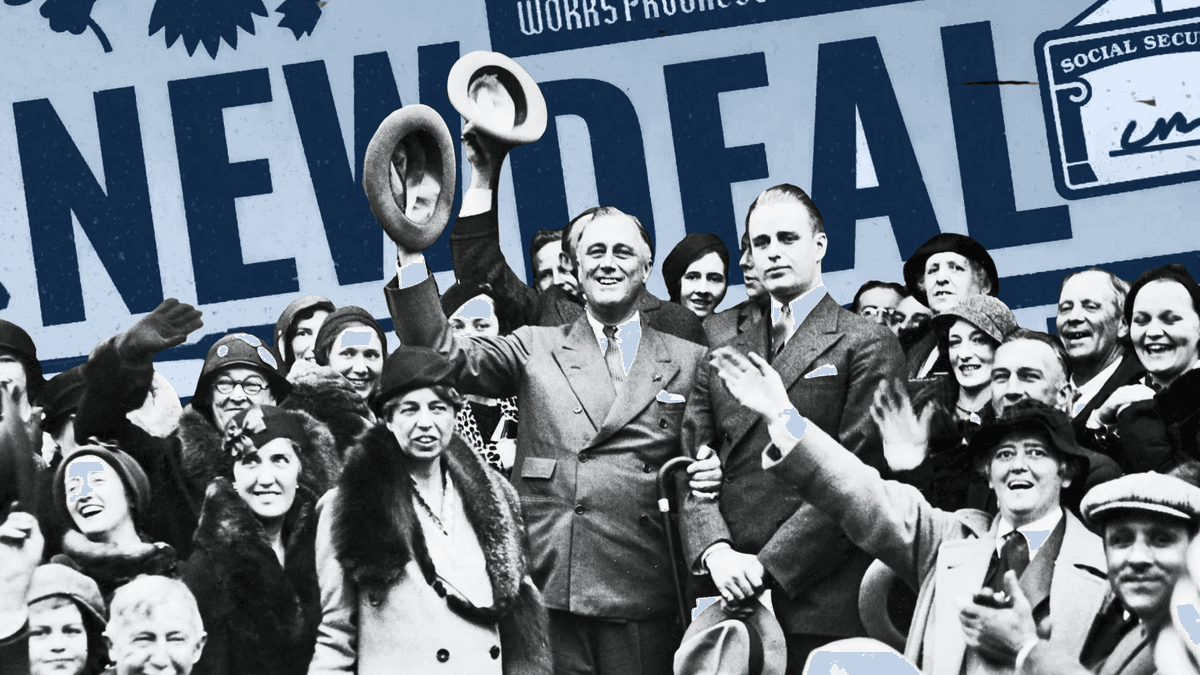
The New Deal: Fighting Depression with Bold Ideas
Faced with economic collapse, President Franklin D. Roosevelt launched a revolutionary plan to rebuild America from the ground up. The New Deal wasn’t just policy—it was a bold experiment in hope, action, and government responsibility.
Fair and Unfair Laws: Justice, Equality, and the Power of Rules
Laws shape how societies function, but not all laws are fair. Understanding the difference between fair and unfair laws helps citizens protect justice and equality.
Deinstitutionalization
Deinstitutionalization was a movement that closed psychiatric hospitals in favor of community care. But without enough resources, it led to homelessness, incarceration, and untreated illness.
Further Reading
Stay curious!