

Thousands Gather for the National Emergency Civil Rights Conference
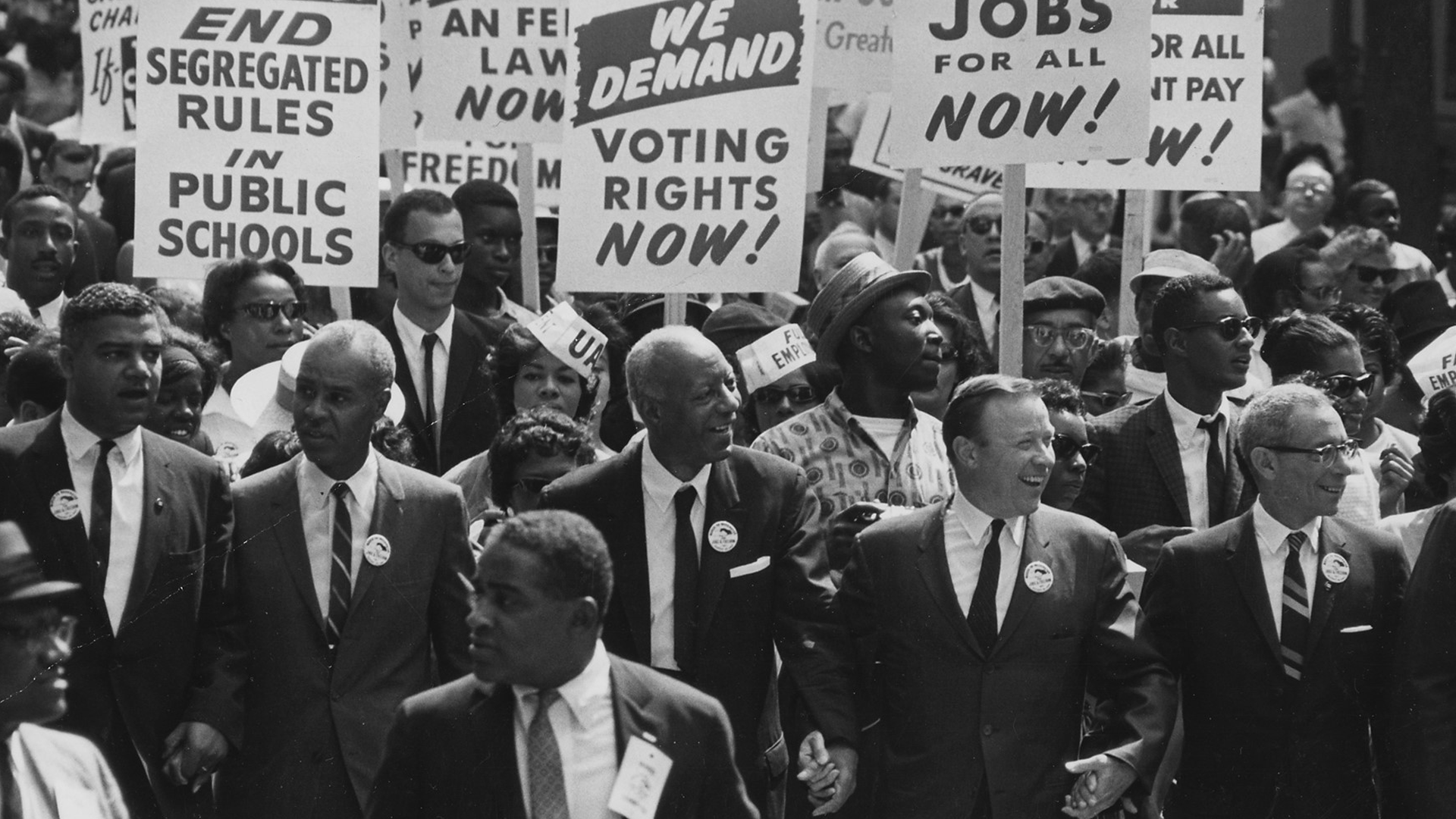
Crowds gathering in Washington, D.C. for the National Emergency Civil Rights Conference in 1950
What Happened?
In January 1950, thousands of civil rights activists traveled to Washington, D.C. for the National Emergency Civil Rights Conference, one of the largest lobbying efforts in American history. Their goal was clear: push Congress to pass laws that would protect African Americans from discrimination, especially in jobs and government hiring.
This conference grew out of years of activism focused on fair employment. During World War II, civil rights leaders had forced the federal government to create the Fair Employment Practices Committee, or FEPC, to prevent discrimination in defense jobs. When Congress later shut it down, activists knew they needed stronger, permanent laws.
Leaders like Roy Wilkins of the NAACP, A. Philip Randolph, and Arnold Aronson helped build a powerful interracial coalition. Black and white religious groups, labor unions, women’s organizations, and civil rights groups worked together, showing that fighting discrimination required unity across communities.
For three days, delegates flooded Capitol Hill, meeting directly with senators and representatives. They argued that democracy could not survive if millions of Americans were denied fair jobs, housing, and opportunities simply because of race.
President Harry S. Truman supported many of their goals and told activists that real change depended on pressuring Congress. Although lawmakers ultimately blocked major civil rights bills at the time, the conference proved that organized citizens could command national attention.
Out of this gathering came something lasting: the creation of the Leadership Conference on Civil Rights. This new coalition became one of the most effective forces behind later victories, including the Civil Rights Acts of the 1950s and 1960s.
Why It Matters
The 1950 conference showed that progress is often slow, but collective action matters. Even when laws do not change right away, building movements creates the foundation for future breakthroughs. The National Emergency Civil Rights Conference showed the power of organized people demanding justice. It helped transform civil rights from isolated struggles into a united national movement and laid the groundwork for the landmark laws that would reshape American democracy in the decades that followed.
?
Why did activists focus so strongly on fair employment during this period?
How did working together across racial and religious groups strengthen the movement?
Why is lobbying Congress an important part of democracy?
What can movements accomplish even when laws do not change right away?
How did this conference help lead to later civil rights victories?
Dig Deeper
An overview of the early civil rights movement and the social conditions that led to major activism in the 1950s.
Related
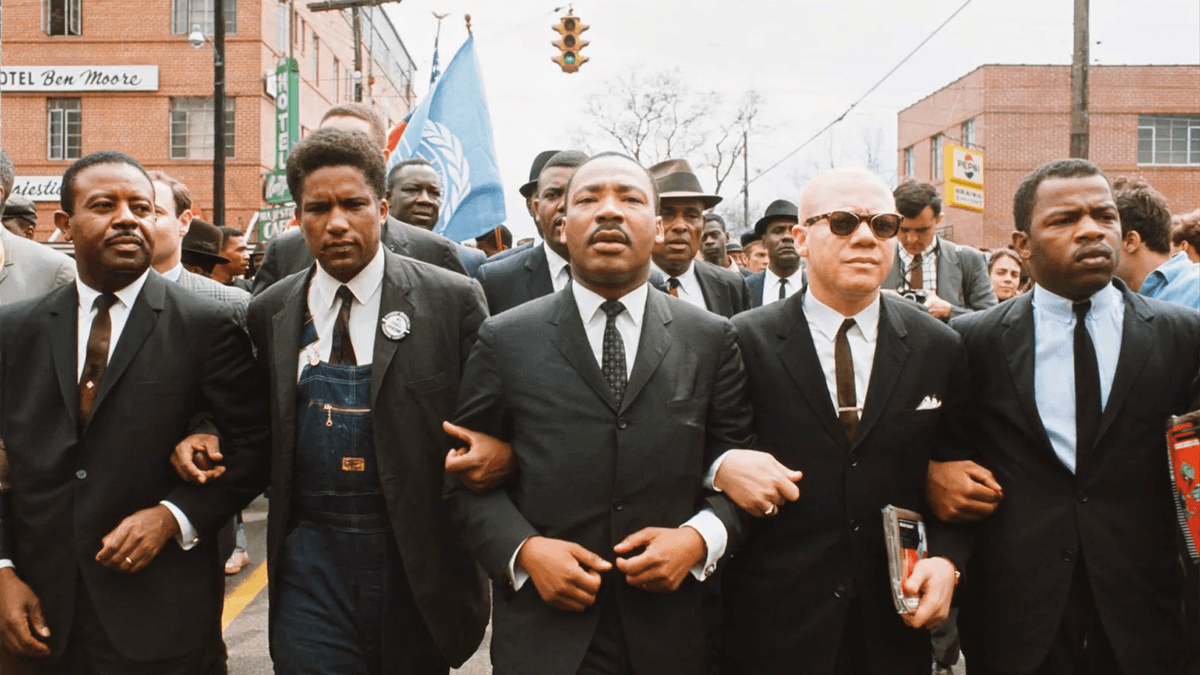
Montgomery Bus Boycott, Greensboro Sit-In, and the Rise of MLK
From Montgomery’s buses to Greensboro’s lunch counters, ordinary citizens ignited extraordinary change — and a new national leader emerged.
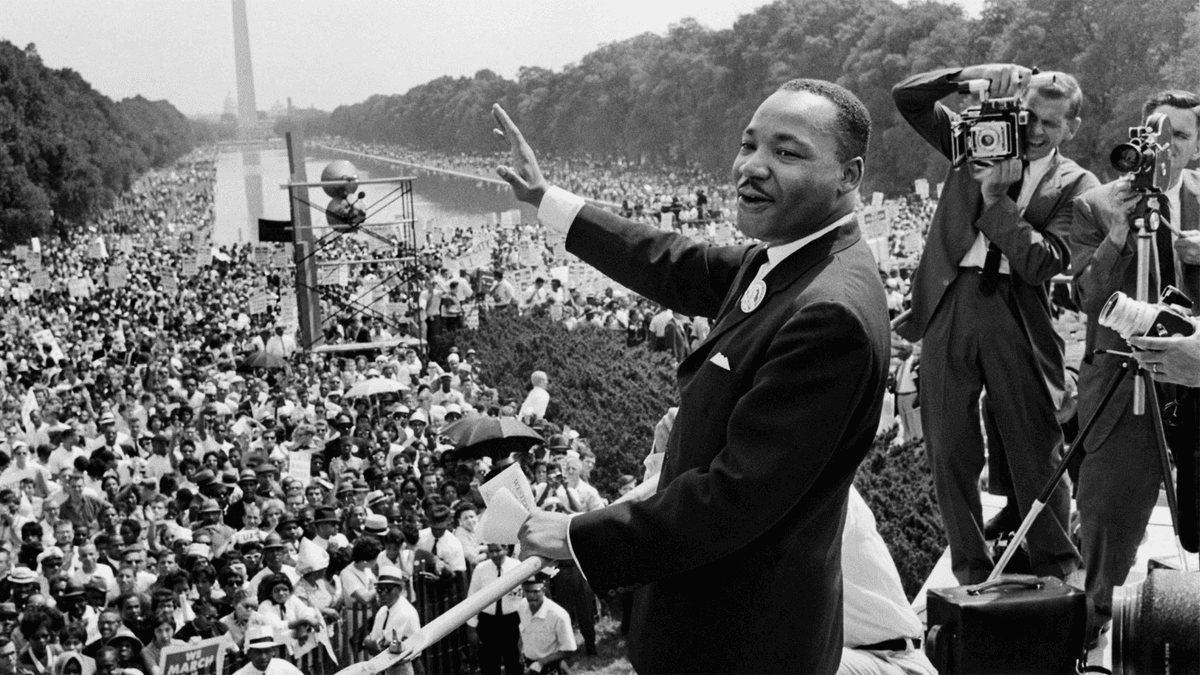
The Civil Rights Movement: Struggle, Solidarity, and Social Change
From classrooms to courthouses, buses to bridges, the Civil Rights Movement reshaped America’s laws — and its conscience.
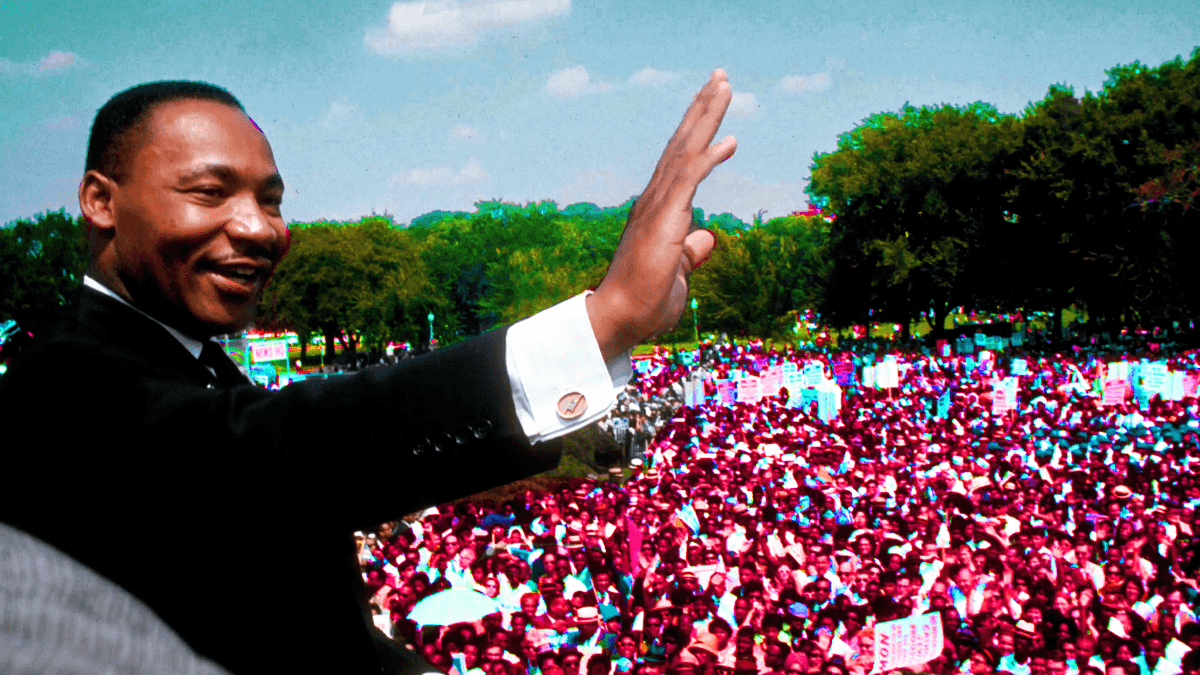
MLK the Disrupter and the Poor People’s Campaign
Dr. Martin Luther King Jr.’s final chapter was about more than civil rights—it was a bold demand for economic justice that challenged the nation’s values at their core.
Further Reading
Stay curious!