

The McCarran-Walter Act Reshapes U.S. Immigration
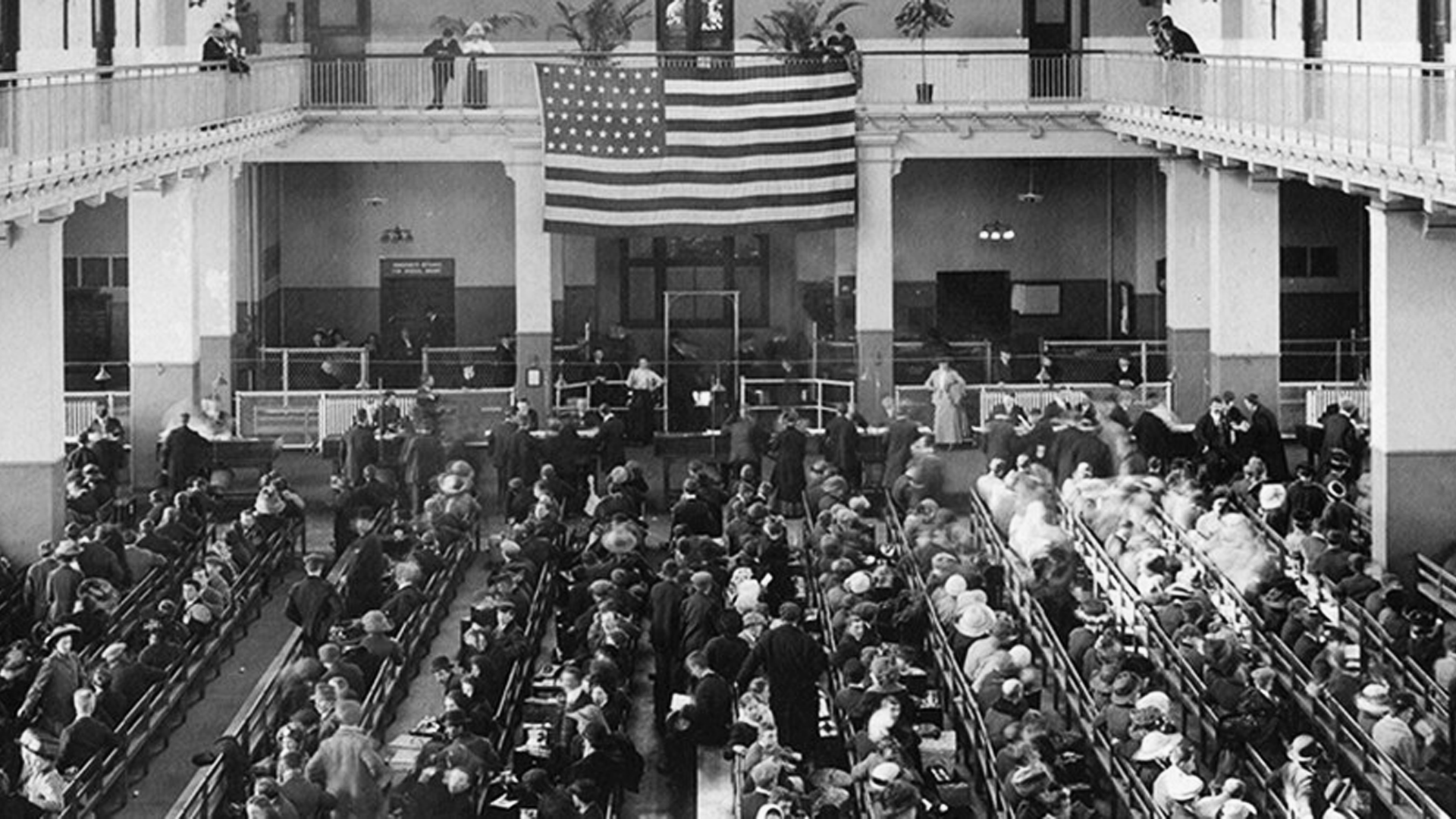
President Harry Truman and Congress during debate over the McCarran-Walter Act
What Happened?
In the early 1950s, the United States was gripped by Cold War anxiety. The Soviet Union had become a global rival, and many American leaders feared that communists or spies could enter the country through immigration. These fears strongly shaped how lawmakers viewed immigrants—not just as newcomers, but as possible security risks.
The McCarran-Walter Act officially went into effect on December 24, 1952, after Congress voted to override President Harry S. Truman’s veto. Truman strongly opposed the law, calling it un-American and unjust because it treated people differently based on where they came from and what ideas they were suspected of holding.
One of the most important features of the law was its decision to keep the national origins quota system created in the 1920s. This system favored immigrants from northern and western Europe, giving them most of the available visas each year, while sharply limiting immigration from southern and eastern Europe and allowing only tiny quotas for Asian countries.
At the same time, the law made a significant symbolic change by ending racial bans on immigration and citizenship. For the first time, people from Asian countries were legally allowed to become naturalized U.S. citizens, ending decades of outright exclusion—even though the law still restricted how many could enter.
The act also expanded the government’s power to screen immigrants based on ideology. It allowed officials to deny entry or deport individuals suspected of being communists or members of organizations labeled ‘subversive,’ reflecting the era’s belief that immigration was closely tied to national security.
Supporters of the law argued that these measures were necessary to protect the country during a dangerous global struggle. Critics, however, warned that fear was being used to justify discrimination and that the law treated immigrants as potential enemies rather than as people seeking safety, opportunity, or family reunification.
Although the McCarran-Walter Act shaped U.S. immigration policy for more than a decade, public pressure continued to grow. In 1965, Congress passed a new immigration law that ended the quota system entirely, marking a major shift toward a more equal and inclusive approach to immigration.
Why It Matters
The McCarran-Walter Act shows how fear—especially during times of global tension like the Cold War—can shape laws in ways that limit freedom and fairness. While the act made some progress by ending racial bans on citizenship, it also reinforced unfair immigration quotas and treated many immigrants as potential threats rather than people seeking safety or opportunity. This law reminds us that immigration policy is never just about borders or security; it reflects a nation’s values, its fears, and its commitment to equality and human dignity. Studying this moment helps us understand why later generations pushed for reform and why debates over immigration continue to matter today.
?
Dig Deeper
A clear explanation of how U.S. immigration laws have shaped who is allowed to enter the country.
An overview of how race and fear have influenced immigration laws throughout American history.
Related

Birthright Citizenship: The Right of the Soil and the Right of the Blood
From English common law to the Fourteenth Amendment, birthright citizenship has shaped who belongs in America — and who is excluded.

The Great Society: Government as a Force for Good
The Great Society wasn’t just a policy agenda, it was a radical vision of what America could be. With sweeping reforms in health care, education, civil rights, immigration, and the environment, President Johnson’s plan aimed to eliminate poverty and racial injustice once and for all.

Fair and Unfair Laws: Justice, Equality, and the Power of Rules
Laws shape how societies function, but not all laws are fair. Understanding the difference between fair and unfair laws helps citizens protect justice and equality.
Further Reading
Stay curious!