

1961: Kennedy Proposes the Alliance for Progress
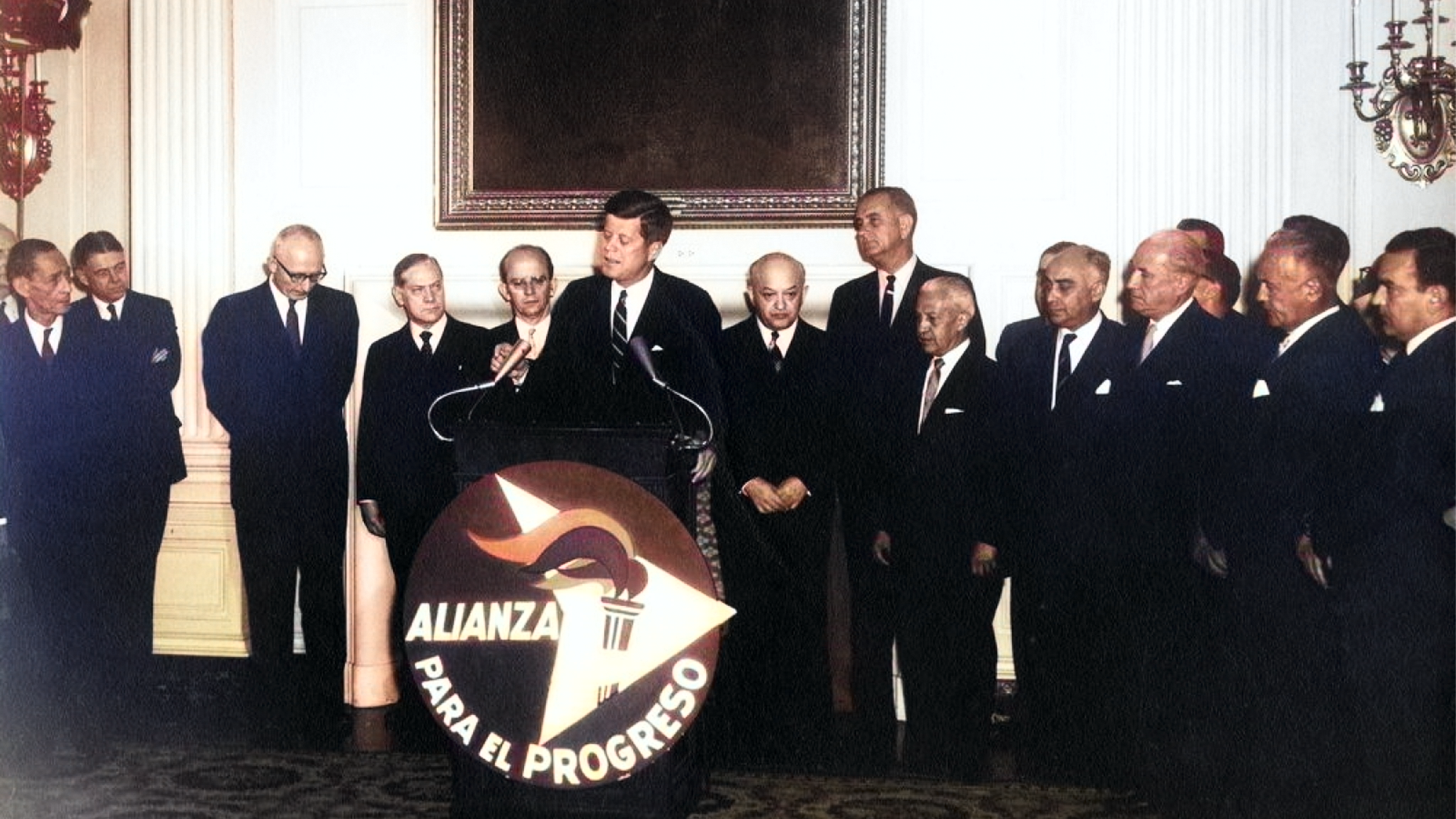
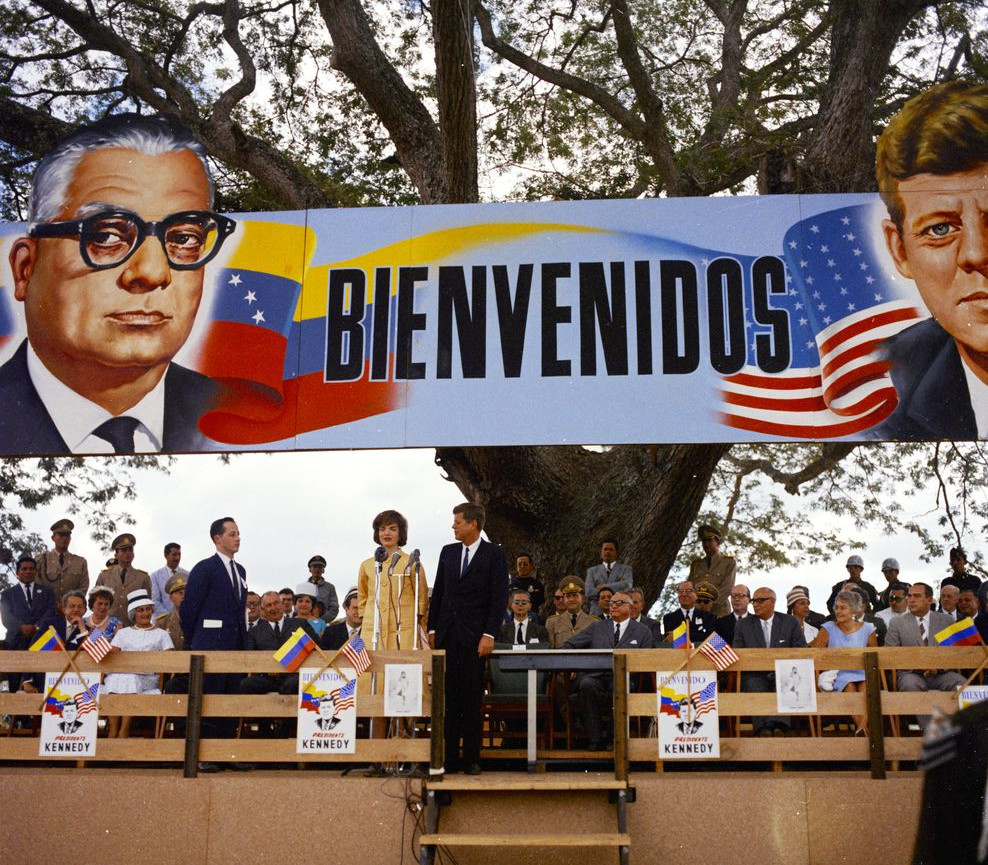
President John F. Kennedy speaking about the Alliance for Progress and cooperation with Latin America.
What Happened?
On March 13, 1961, President John F. Kennedy announced a bold new plan called the Alliance for Progress. The program aimed to strengthen relationships between the United States and the nations of Latin America through economic cooperation and development. Kennedy believed that if countries worked together to reduce poverty and expand opportunity, the Western Hemisphere could become more stable, democratic, and prosperous.
By the early 1960s, relations between the United States and Latin America had grown strained. Many Latin American countries believed that the United States had helped rebuild Europe and Japan after World War II but had not invested enough in the development of their region. At the same time, the Cold War between the United States and the Soviet Union increased fears that political instability or poverty in Latin America might lead some countries to adopt communist governments.
The situation became even more urgent after the Cuban Revolution of 1959, when Fidel Castro came to power in Cuba and established a government that aligned itself with the Soviet Union. American leaders worried that similar movements might spread across the region. Kennedy hoped that improving economic conditions and supporting democratic reforms would reduce the appeal of revolutionary movements.
The Alliance for Progress promised billions of dollars in loans, technical assistance, and development projects over a ten-year period. The program encouraged Latin American countries to improve schools, build housing, expand healthcare, increase agricultural productivity, and promote land reforms that would allow more people to own land. Kennedy described the program as a cooperative effort to help people achieve 'homes, work, land, health, and schools.'
Many countries in the Americas initially welcomed the plan. In August 1961, representatives from most nations in the Western Hemisphere met in Punta del Este, Uruguay, and agreed to work toward goals such as economic growth, education, democratic government, and improved living standards. The Alliance helped support projects like housing construction, hospitals, water systems, and school programs throughout the region.
However, the program faced serious challenges. Some American lawmakers were hesitant to fund large reforms, especially land redistribution programs. In some countries, powerful elites controlled how the money was spent and directed it toward projects that benefited themselves more than the general population. Political instability and military coups also weakened democratic progress in several nations during the 1960s and early 1970s.
Although the Alliance for Progress did not fully achieve its ambitious goals, it represented one of the largest development efforts ever attempted in the Western Hemisphere. It reflected the belief that economic opportunity, education, and social reform could strengthen democracy and reduce conflict. The program remains an important example of how nations attempt to address global challenges through cooperation and development.
Why It Matters
The Alliance for Progress showed how governments sometimes try to address global problems like poverty, inequality, and political instability through international cooperation. Although the program had mixed results, it reflected an important idea of the 20th century: that improving education, health, and economic opportunity can help create stronger and more stable societies. It also reminds us that large development efforts are complex and depend on political will, fair leadership, and cooperation across many countries.
?
Why did President Kennedy believe improving living conditions in Latin America was important for democracy?
How did the Cold War influence the United States’ decision to support economic development in Latin America?
What kinds of projects did the Alliance for Progress try to support in Latin American countries?
Why do large international development programs sometimes struggle to achieve their goals?
Dig Deeper
Historical footage explaining Kennedy’s plan to improve relations and development across Latin America through the Alliance for Progress.
Related
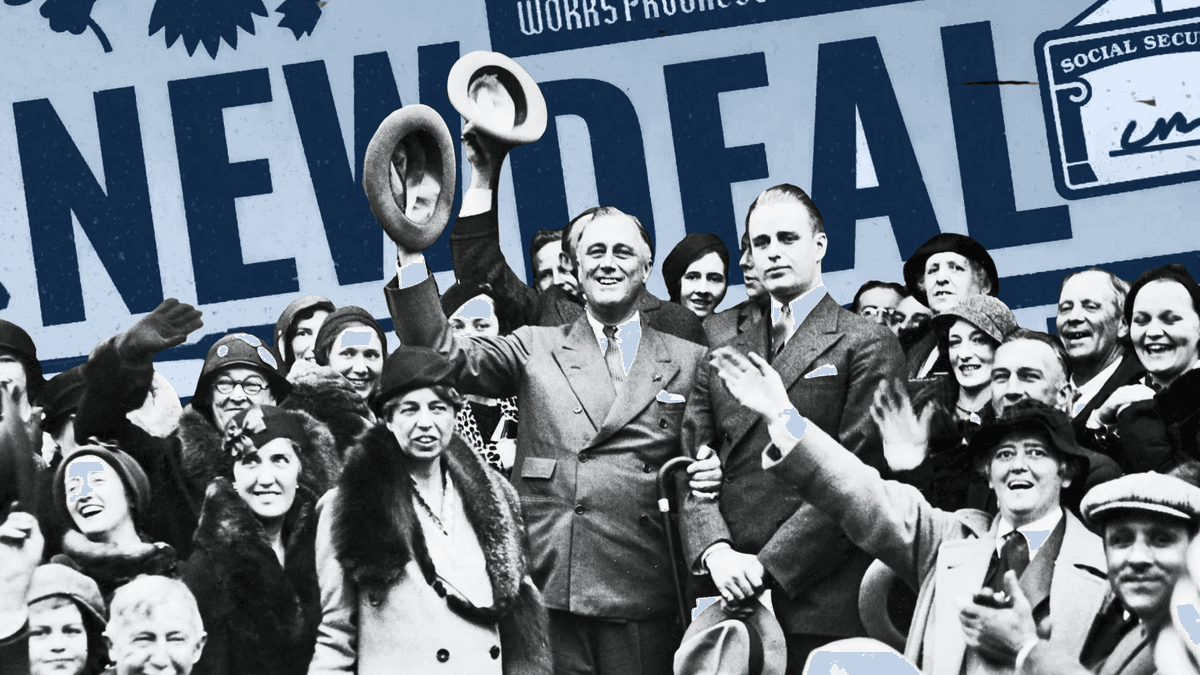
The New Deal: Fighting Depression with Bold Ideas
Faced with economic collapse, President Franklin D. Roosevelt launched a revolutionary plan to rebuild America from the ground up. The New Deal wasn’t just policy—it was a bold experiment in hope, action, and government responsibility.
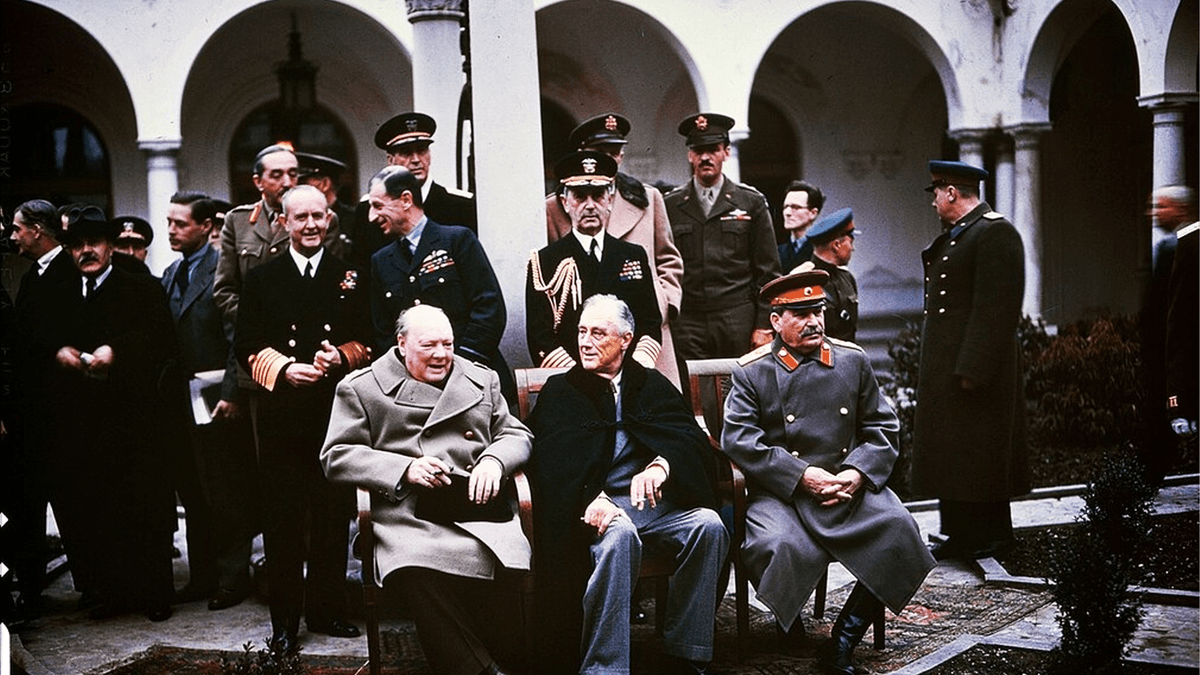
The Cold War & Fear at Home: Ideology, Power, and Public Anxiety
A global rivalry shaped by fear, ideology, and the constant tension between freedom and security.
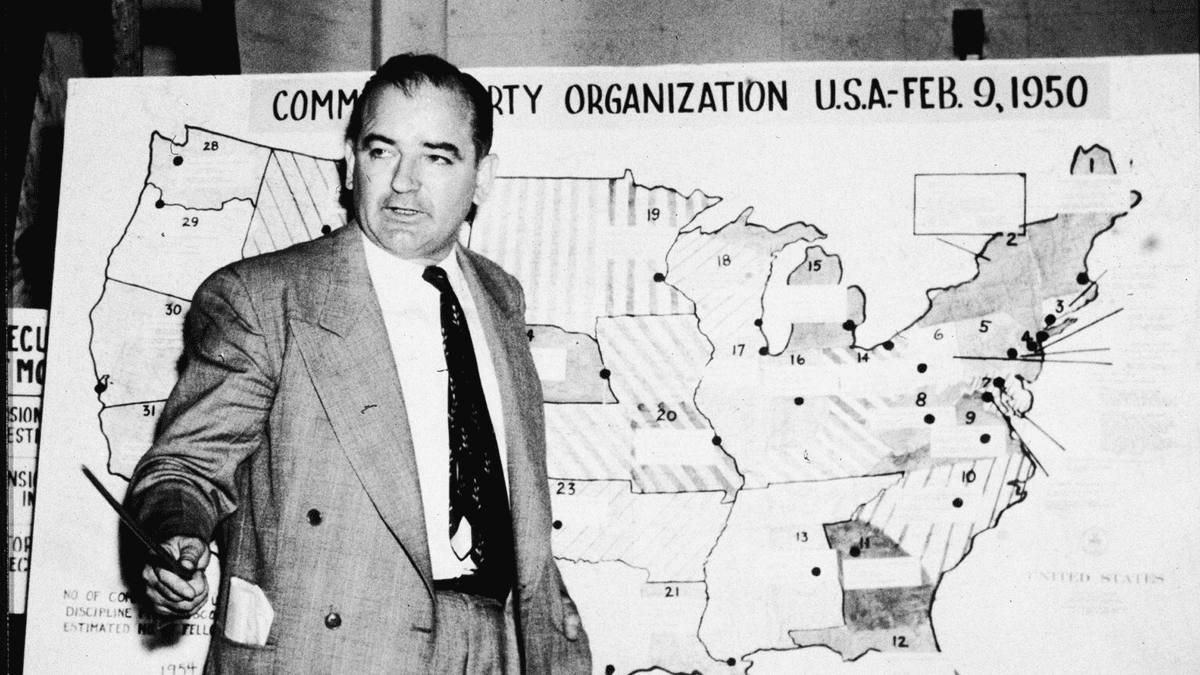
McCarthyism: Fear, Power, and the Red Scare
In the 1950s, fear of communism gripped America. Senator Joseph McCarthy fueled this fear by accusing hundreds of people of being communist traitors—often without proof. The result was a national panic that tested the meaning of truth, justice, and freedom.
Further Reading
Stay curious!