

1964: Bob Dylan’s The Times They Are A-Changin’ Is Released
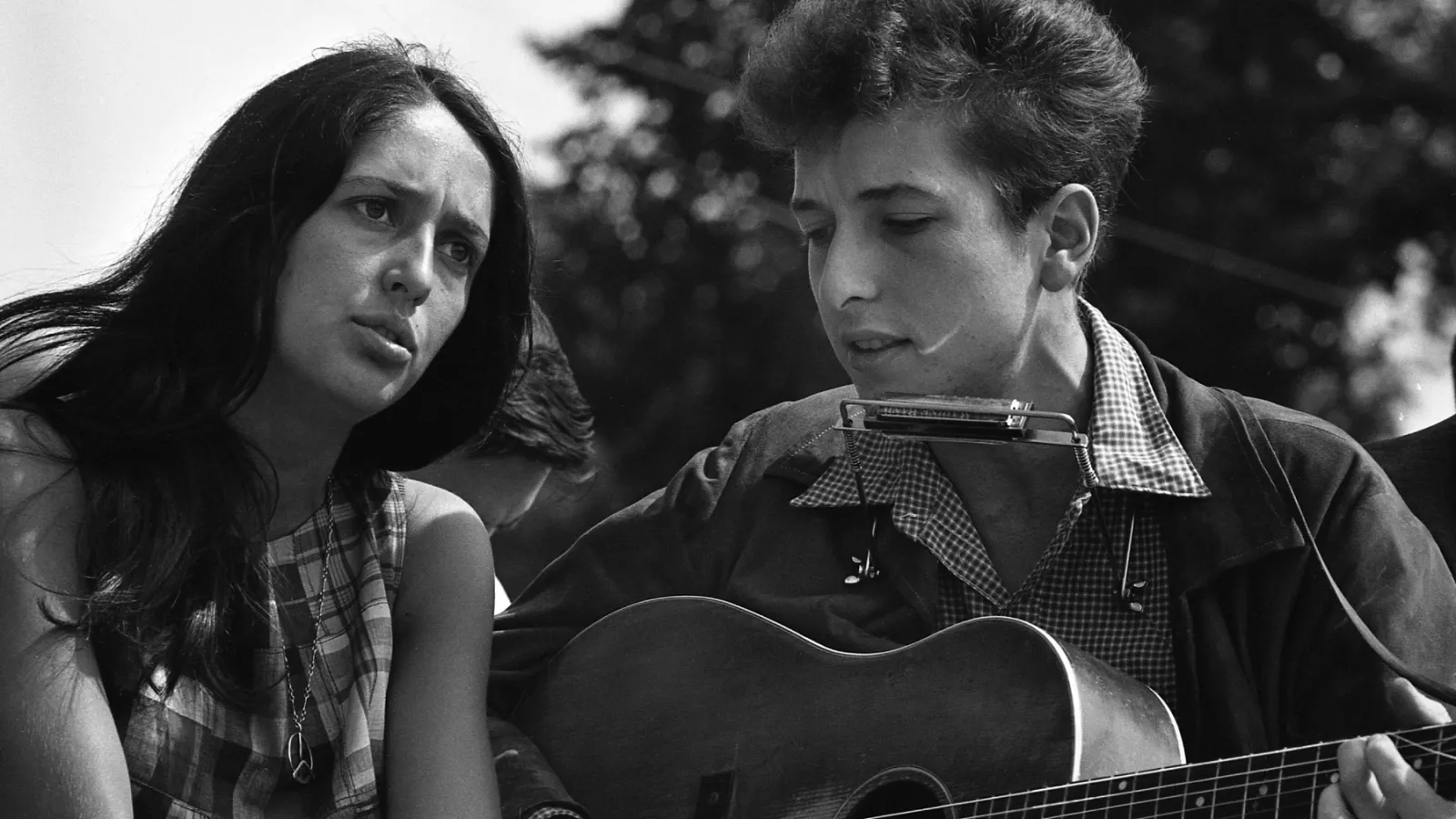
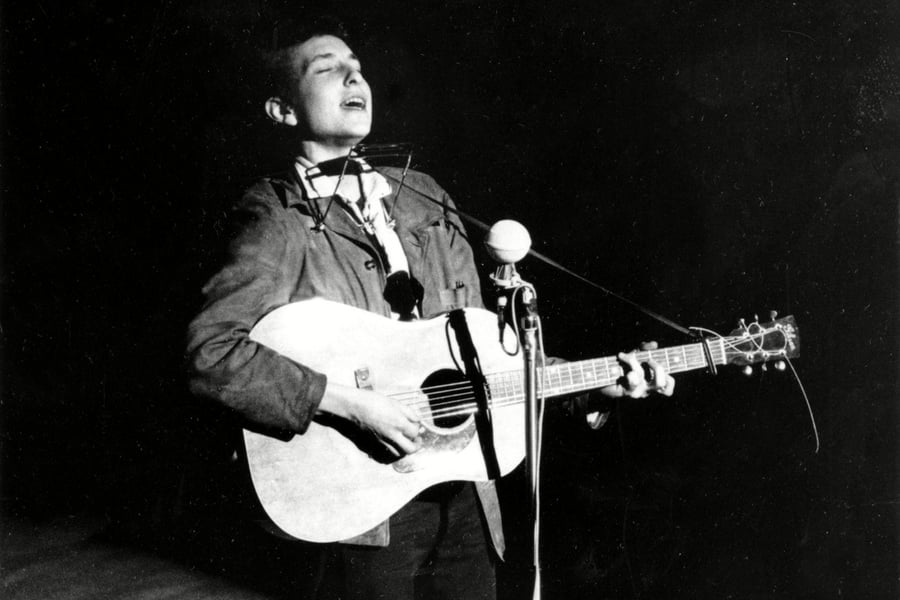
Bob Dylan’s The Times They Are A-Changin’ became the soundtrack for a world in motion.
What Happened?
By the early 1960s, folk music was intertwined with activism, and Dylan—just 22 years old—was at the forefront. His previous albums had already introduced audiences to his poetic, socially conscious songwriting, but The Times They Are A-Changin’ took a sharper tone, tackling injustice head-on.
The album’s title track quickly became an anthem of change, urging senators, congressmen, parents, and critics to step aside if they couldn’t embrace the new world being built. The lyrics carried echoes of Biblical prophecy and folk tradition, warning that ‘the first one now will later be last.’
Many listeners saw the song as a generational divide, a rallying cry for the young to challenge authority and demand a better future. But Dylan rejected the idea that it was about youth versus age. Instead, he described it as a song that separated ‘aliveness from deadness,’ a feeling rather than a manifesto.
Just months after Dylan recorded the song, President John F. Kennedy was assassinated. When Dylan opened his next concert with The Times They Are A-Changin’, he was struck by the audience’s reaction. ‘I couldn't understand why they were clapping, or why I wrote the song,’ he later reflected. ‘For me, it was just insane.’
The album’s other tracks continued Dylan’s critique of injustice, from ‘Only a Pawn in Their Game,’ which condemned the systemic racism behind the murder of civil rights activist Medgar Evers, to ‘With God on Our Side,’ which questioned America’s moral certainty in war.
Why It Matters
Dylan’s The Times They Are A-Changin’ is more than a protest album—it’s a time capsule of an America at a crossroads. It captured the anxiety and urgency of the 1960s, reflecting both the hope and turmoil of a country on the brink of transformation. The title track, now an immortal folk anthem, reminds us that change is constant, and that every generation faces its own reckoning. Over 50 years later, it still asks an uncomfortable but necessary question: Will we resist the tides of history, or learn to swim?
?
Why do you think The Times They Are A-Changin’ resonated so deeply with people in the 1960s? What about it still resonates today?
Bob Dylan later distanced himself from being a ‘protest singer.’ Why do you think he felt that way, despite writing such powerful political songs?
How does music influence social and political movements? Can you think of modern songs that have had a similar impact?
Dig Deeper
This footage was taken a performance at Starlight Ballroom, Belleview Hotel, Clearwater, Florida, 22nd April 1976.
Related
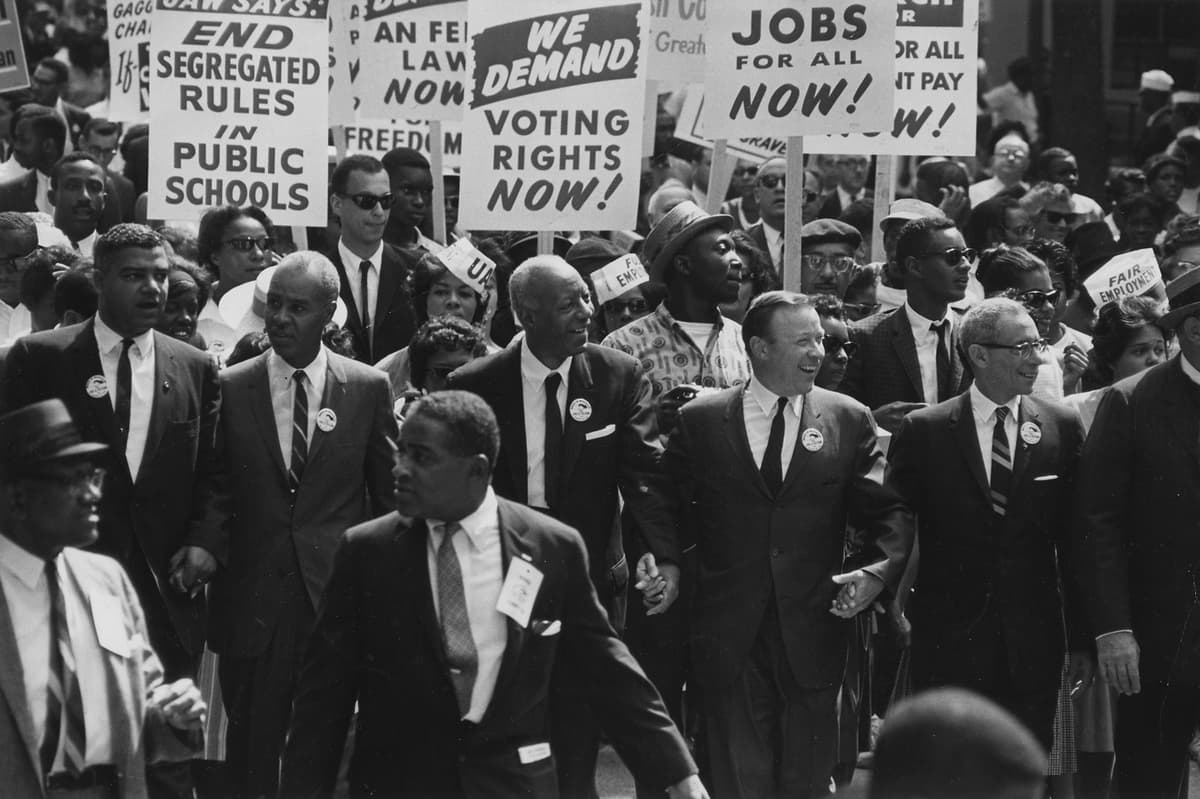
The Right to Protest & Civil Disobedience: How Activism Shapes Democracy
From labor strikes to mass demonstrations, activism has been the engine of social change. But what makes a movement successful? This deep dive explores the different roles in activism, the power of civil disobedience, and why protests are essential to democracy.
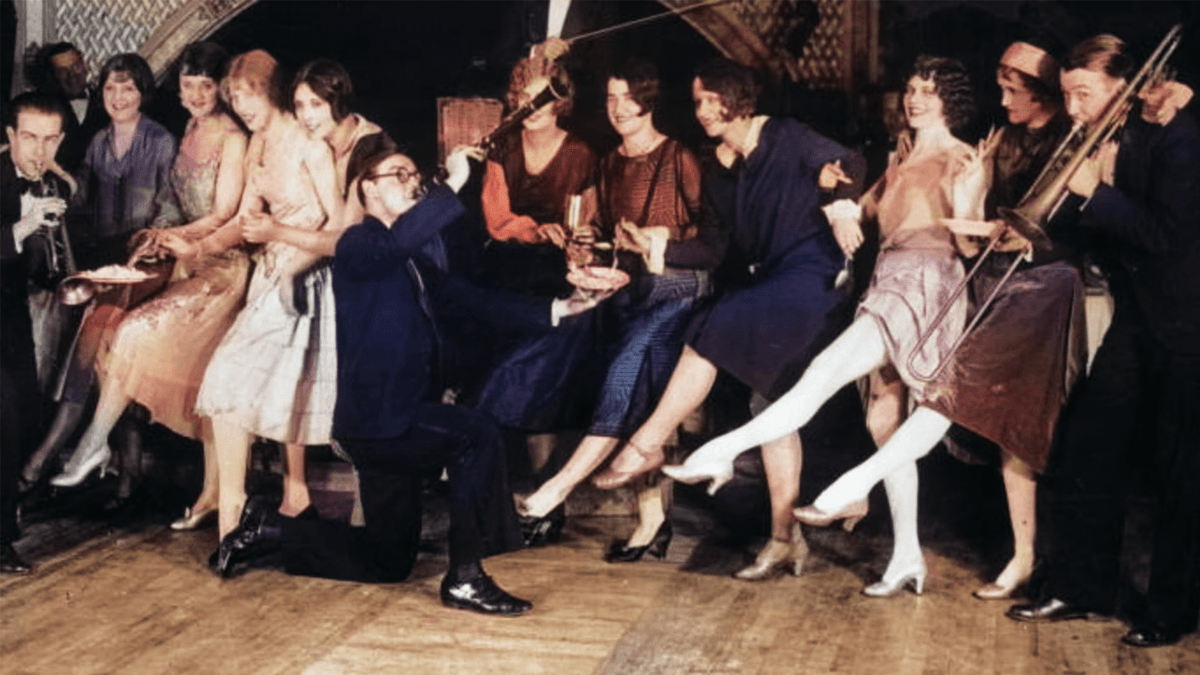
The Roaring Twenties: Prosperity, Culture, and Conflict
The 1920s were a decade of booming technology, jazz, and consumer culture—but beneath the excitement were deep social tensions and cultural conflicts.
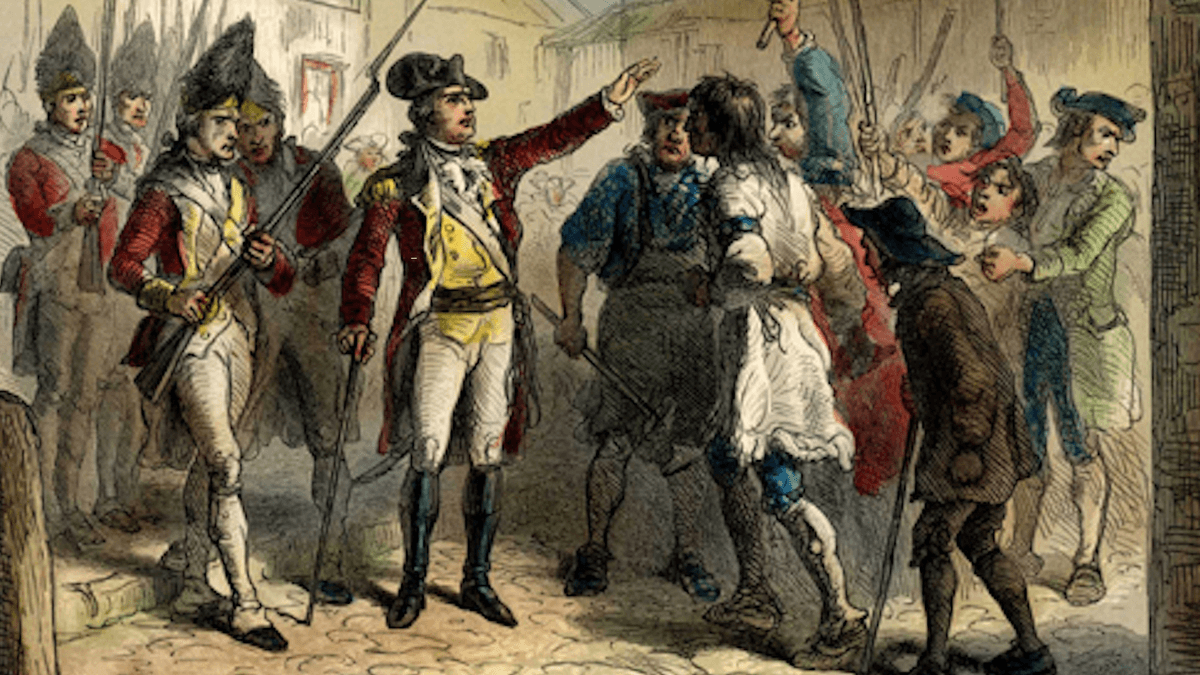
The Regulator Movement: Backcountry Rebellion Before the Revolution
Long before the American Revolution, farmers in North Carolina were already fighting corruption and demanding justice.
Further Reading
Stay curious!