

Muhammad Ali Refuses Army Induction: 'I Ain't Got No Quarrel'
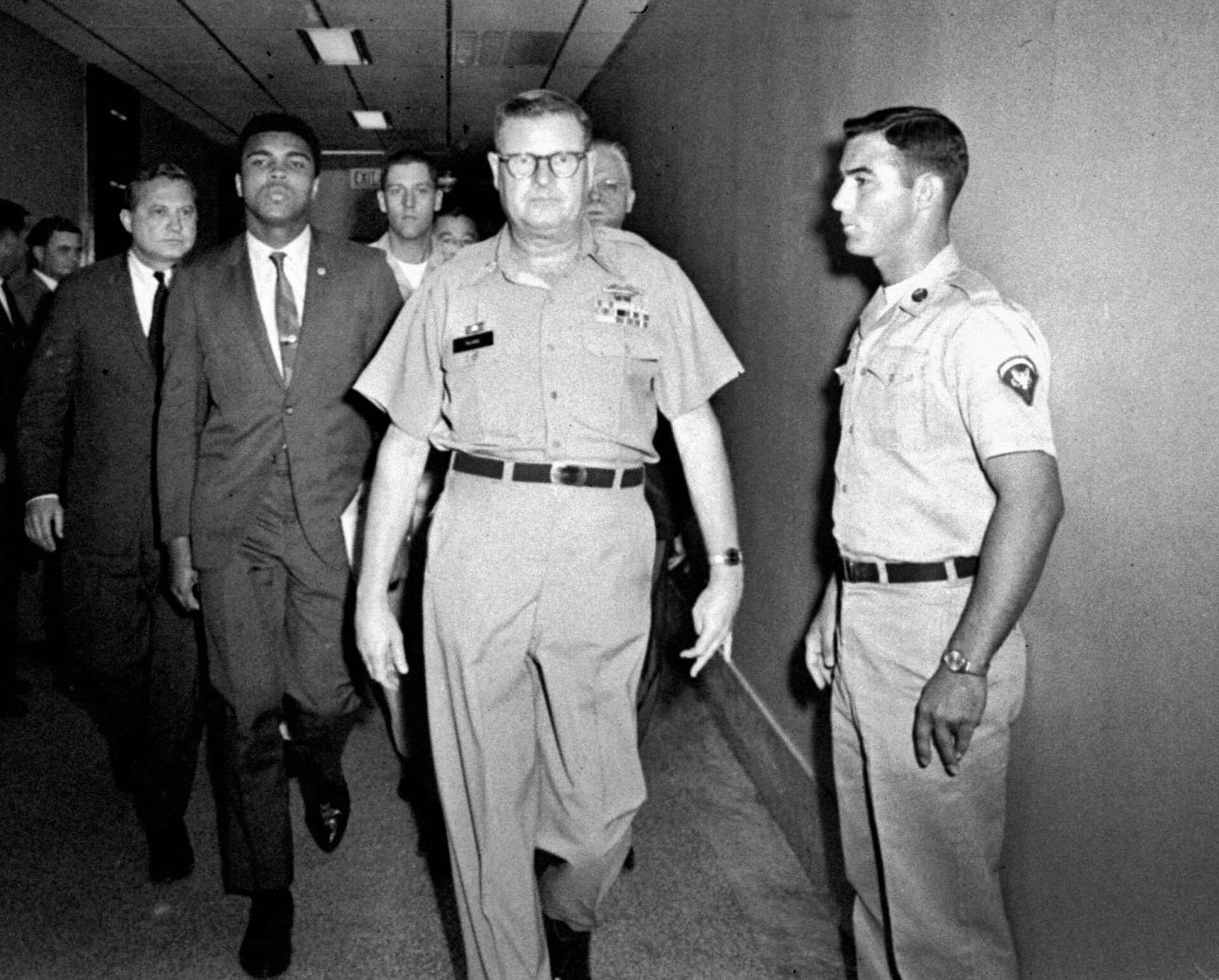
When Ali refused to step forward at the draft board, he wasn’t just dodging a war—he was standing tall for a generation questioning authority, injustice, and imperialism.
What Happened?
By 1967, Muhammad Ali was more than a world champion. He was a global voice unafraid to challenge power. After converting to Islam and joining the Nation of Islam, Ali began speaking more openly about injustice in the United States. He increasingly connected the Vietnam War to racial inequality at home, arguing that Black Americans were being asked to fight for freedoms abroad that they were still denied in their own country.
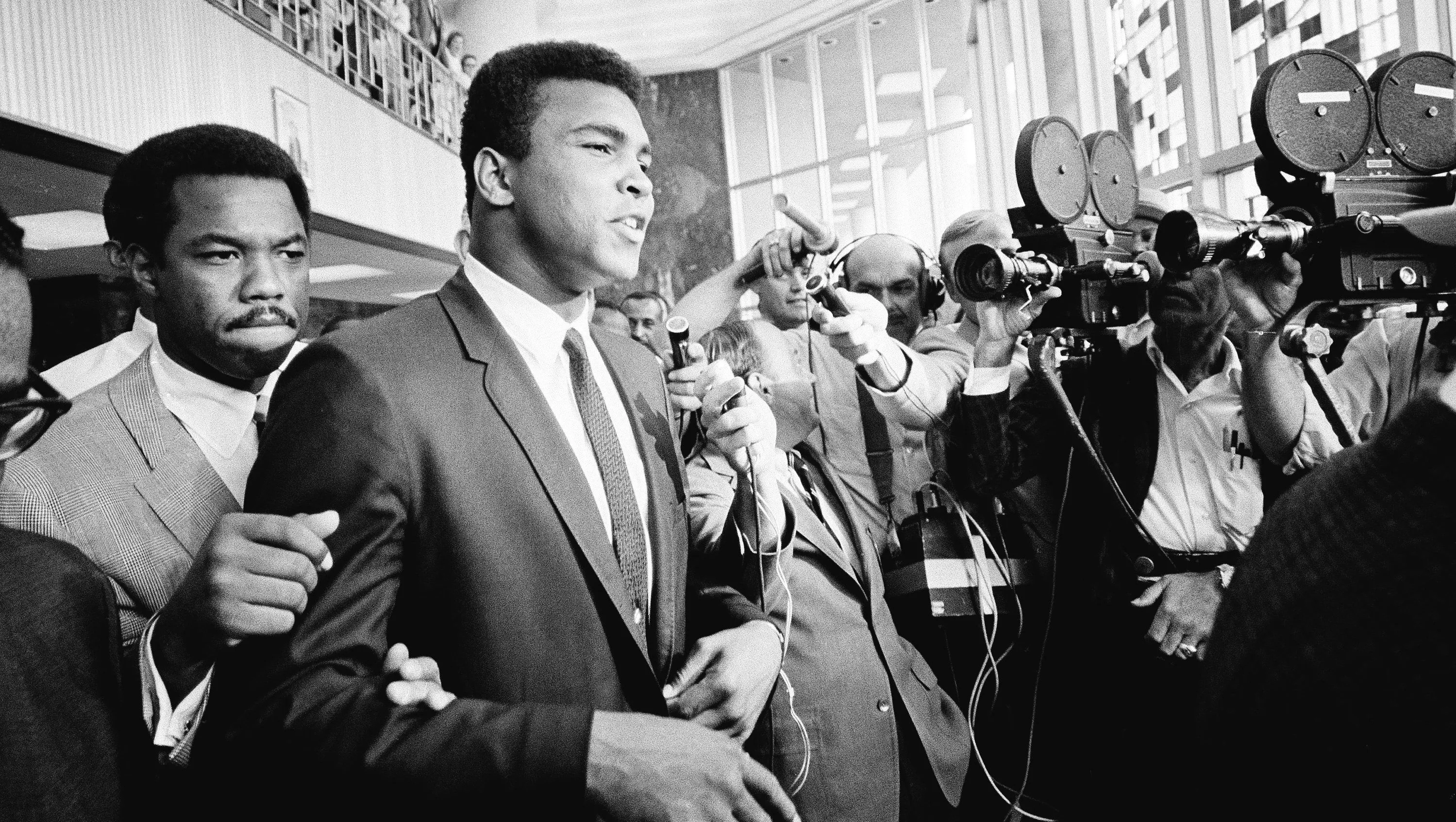
On April 28, 1967, when his name was called at an induction center in Houston, Ali refused to step forward. He famously declared, ‘I ain’t got no quarrel with them Vietcong,’ rejecting the idea that he should fight in a war he believed was morally unjust. His refusal was immediate and public, and the consequences came quickly: he was stripped of his heavyweight title, banned from boxing, and effectively shut out of the sport at the height of his career.
Soon after, Ali was convicted of draft evasion by a federal court. He was sentenced to five years in prison and fined $10,000. Although he remained free while appealing the decision, the ruling carried heavy consequences—financial, professional, and personal. Many historians view the punishment as unusually harsh, shaped by a political climate in which the U.S. government was under pressure to discourage anti-war dissent during a period of rising opposition to the Vietnam conflict.
Instead of weakening the anti-war movement, Ali’s stand helped accelerate it. His decision became a national and international talking point, forcing people to confront uncomfortable questions about war, race, and justice. Civil rights leaders, students, and activists began to see him as more than an athlete. Around the world, protests and demonstrations in support of Ali reflected a growing belief that his refusal represented a broader struggle for human rights and moral accountability.
For more than three years, Ali was barred from boxing, losing the prime years of his athletic career during his physical peak. Despite intense criticism and isolation, he remained firm in his decision. He consistently argued that his actions were based on conscience, faith, and a belief that obedience to injustice was not a moral option. Even as he was vilified in some circles, he continued to insist that justice mattered more than compliance.
In 1971, the United States Supreme Court unanimously overturned Ali’s conviction, ruling that his religious beliefs qualified him for conscientious objector status. By that time, public opinion about the Vietnam War had shifted significantly, and many who once condemned Ali began to reassess his actions as principled rather than unpatriotic.
Why It Matters
Ali’s refusal reminds us that true courage isn’t just physical, it’s moral. On April 28, 1967, by choosing conscience over compliance, Muhammad Ali helped redefine how people understand protest, justice, and the power of a single voice. His stand against the Vietnam War pushed the public to rethink the war and deepened national conversations about civil rights, equality, and freedom of belief. His legacy reminds us that what is right isn’t always easy, but the courage to do what is right can change the course of history
?
How did Muhammad Ali’s religious beliefs shape his stance against the Vietnam War?
Why was Ali’s refusal to be drafted such a powerful symbol for the antiwar movement?
What impact did Ali’s draft refusal have on his boxing career—and on his global legacy?
How did public opinion about Ali shift between his refusal in 1967 and his Supreme Court victory in 1971?
What lessons can modern activists learn from Muhammad Ali’s act of civil disobedience?
Dig Deeper
Prior to his match against Foley, Ali received news he had been drafted to fight in Vietnam. When Ali arrived to be inducted in the United States Armed Forces, however, he refused, citing his religion forbade him from serving. The cost for his refusal would prove to be drastic: the stripping of his heavyweight title, a suspension from boxing, a $10,000 fine, and a five-year prison sentence.
Related
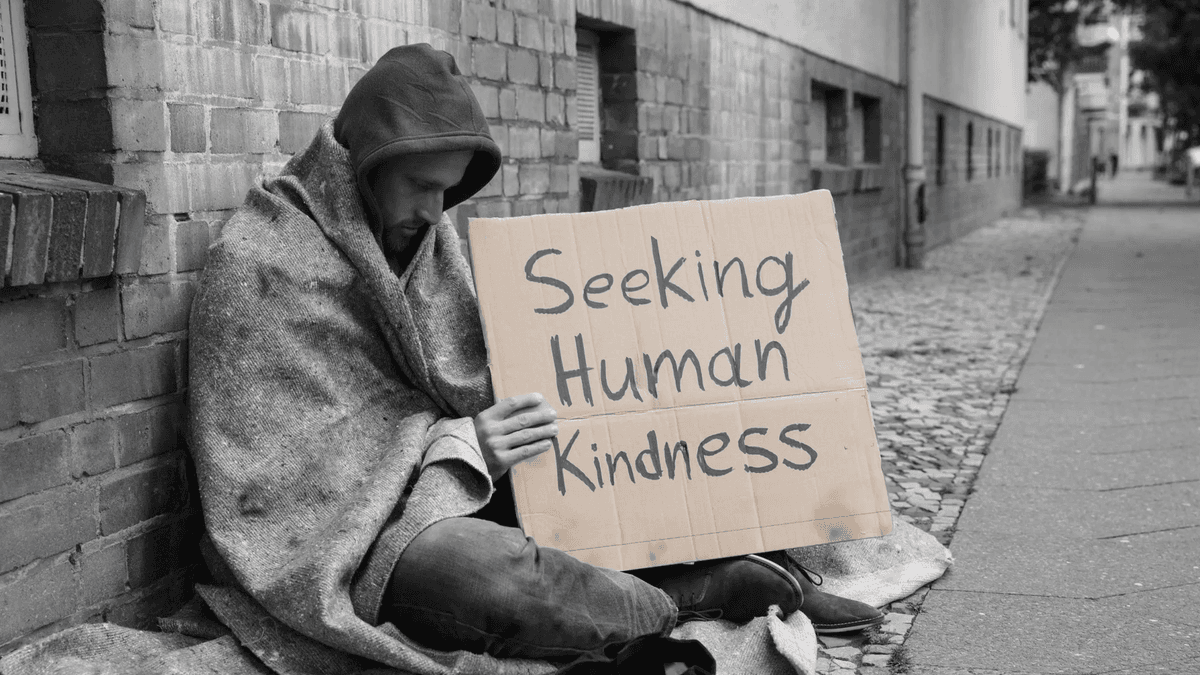
Deinstitutionalization
Deinstitutionalization was a movement that closed psychiatric hospitals in favor of community care. But without enough resources, it led to homelessness, incarceration, and untreated illness.
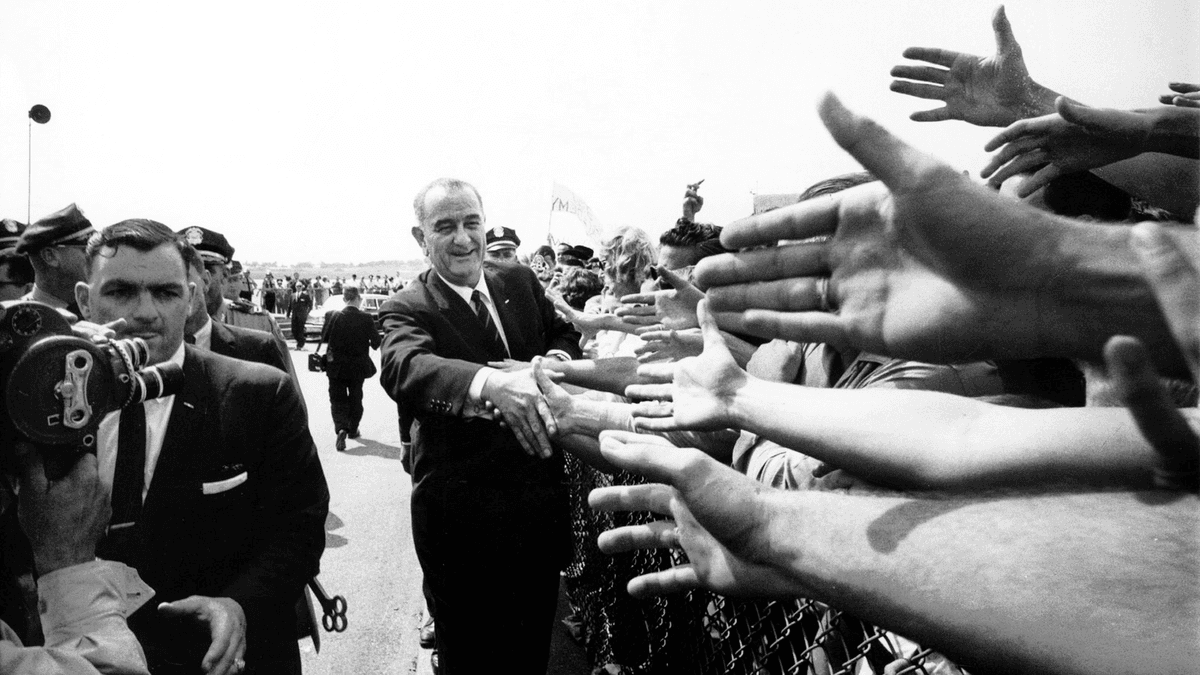
The Great Society: Government as a Force for Good
The Great Society wasn’t just a policy agenda, it was a radical vision of what America could be. With sweeping reforms in health care, education, civil rights, immigration, and the environment, President Johnson’s plan aimed to eliminate poverty and racial injustice once and for all.
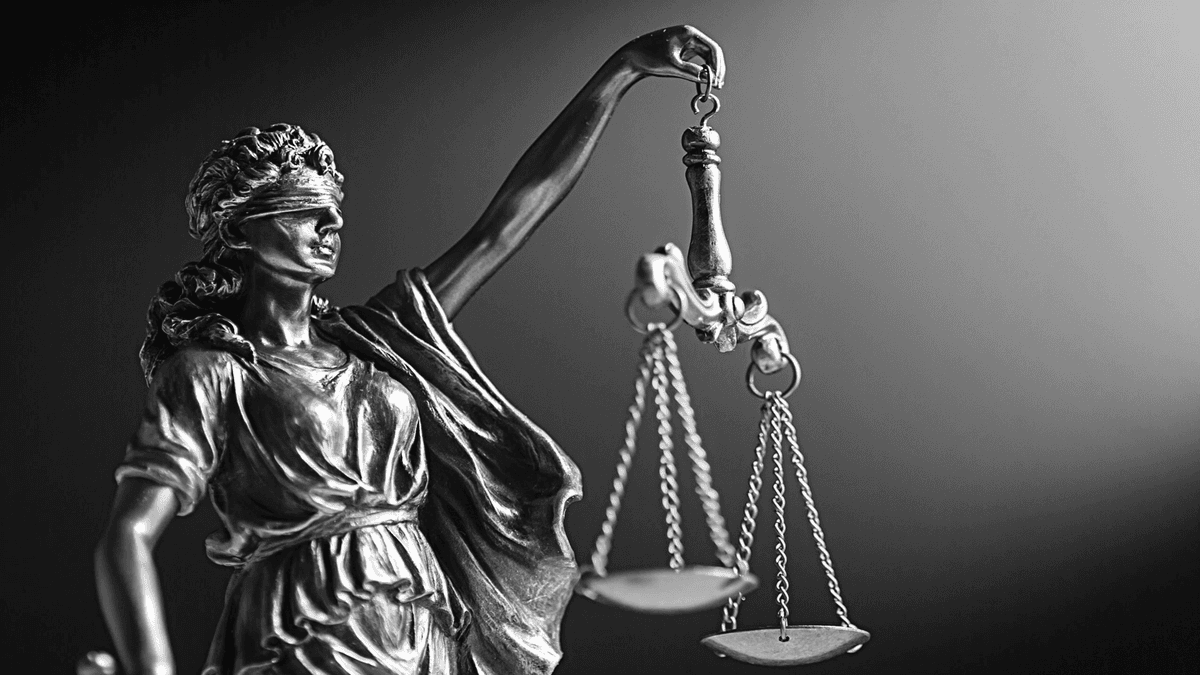
Fair and Unfair Laws: Justice, Equality, and the Power of Rules
Laws shape how societies function, but not all laws are fair. Understanding the difference between fair and unfair laws helps citizens protect justice and equality.
Further Reading
Stay curious!