

1968: The My Lai Massacre
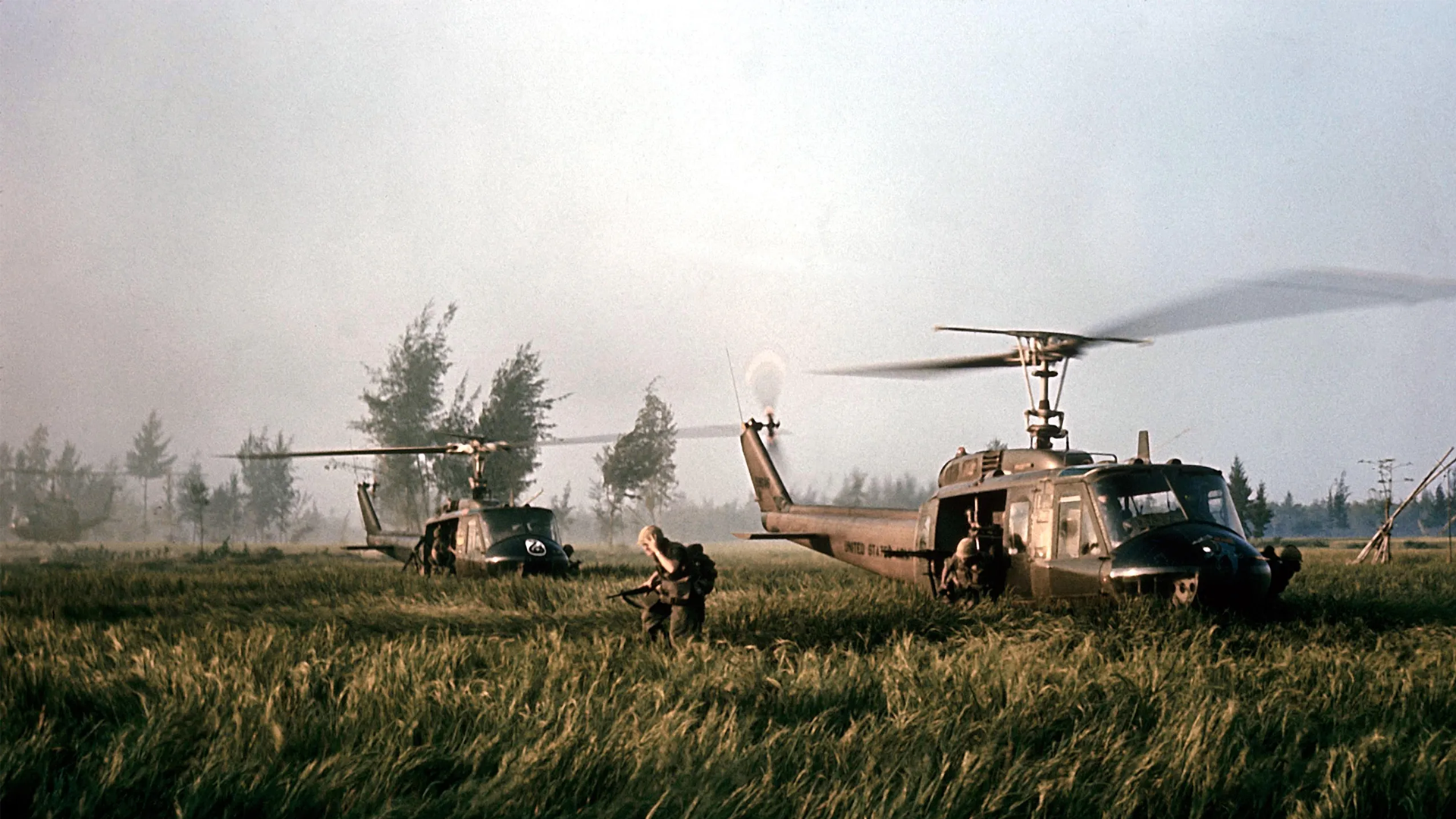
The My Lai Massacre became one of the most shocking and tragic events of the Vietnam War.
What Happened?
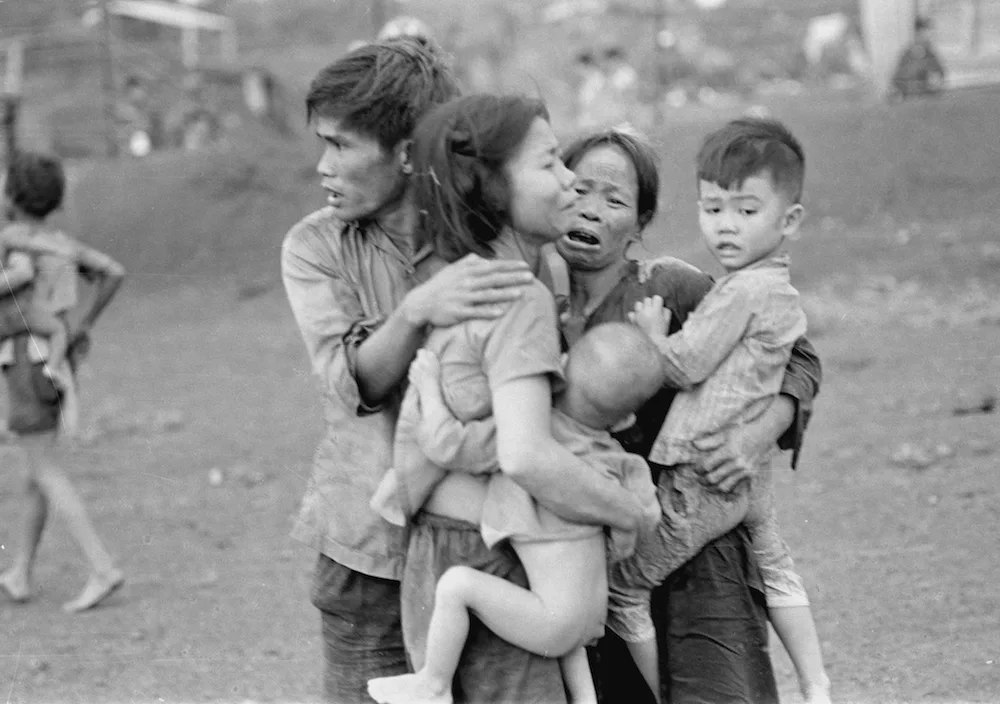
On March 16, 1968, during the Vietnam War, American soldiers entered a small farming village called My Lai in South Vietnam. They had been told that enemy fighters from the Viet Cong might be hiding there. Instead of armed fighters, the soldiers found mostly civilians—women, children, and elderly villagers going about their daily lives. What followed became one of the most tragic and disturbing events of the entire war.
Many of the soldiers had been under intense stress and fear after months of fighting in the region. Some had lost friends in earlier battles and were frustrated by the difficulty of identifying enemy fighters who often blended into the countryside. Military commanders had warned the soldiers that anyone in the village might be connected to the enemy. When they arrived and encountered civilians instead, confusion, fear, and poor leadership contributed to a terrible breakdown in discipline.
Under the direction of Lieutenant William Calley, many soldiers began rounding up villagers and shooting them. Over the course of several hours, hundreds of unarmed people were killed. Victims included mothers holding children, elderly villagers, and even infants. Homes were burned and livestock destroyed. By the end of the attack, more than 500 civilians were dead.
The massacre might have continued even longer if not for the actions of U.S. Army helicopter pilot Hugh Thompson. While flying above the village, Thompson and his crew noticed the bodies scattered across the ground and realized something was terribly wrong. Thompson landed his helicopter between soldiers and fleeing civilians and warned that he would protect the villagers if the shootings continued. He and his crew helped evacuate survivors to safety.
After the attack, some military officers tried to hide what had happened by reporting the deaths as enemy casualties. For more than a year, the truth remained mostly hidden. The story finally reached the public in 1969 when investigative journalist Seymour Hersh revealed the massacre after a former soldier, Ron Ridenhour, had written letters to government officials demanding an investigation.
The news shocked people around the world and deeply affected public opinion about the Vietnam War. Many Americans were horrified that such violence had been committed against civilians and then covered up. The U.S. Army launched investigations, and several officers were charged. In the end, Lieutenant Calley was the only person convicted for the killings, though his sentence was later reduced.
Why It Matters
The My Lai Massacre remains one of the most powerful reminders of the human cost of war and the importance of accountability. The tragedy forced military leaders, governments, and ordinary citizens to confront difficult questions about responsibility, ethics, and the protection of civilians during armed conflict. It showed how quickly violence can spiral when discipline, clear leadership, and moral judgment break down and the rules meant to protect innocent people are ignored. At the same time, the event demonstrated the power of truth-telling. Because soldiers, journalists, and investigators were willing to speak out, the world eventually learned what had happened. Today, My Lai is remembered both as a warning about the dangers of war and as an enduring lesson about justice, responsibility, and the importance of protecting human rights even during times of conflict.
?
Dig Deeper
This documentary explains how the My Lai Massacre happened and how a soldier’s efforts helped bring the truth to light.
A report reflecting on the legacy of the My Lai Massacre and how the event is remembered in Vietnam today.
Related
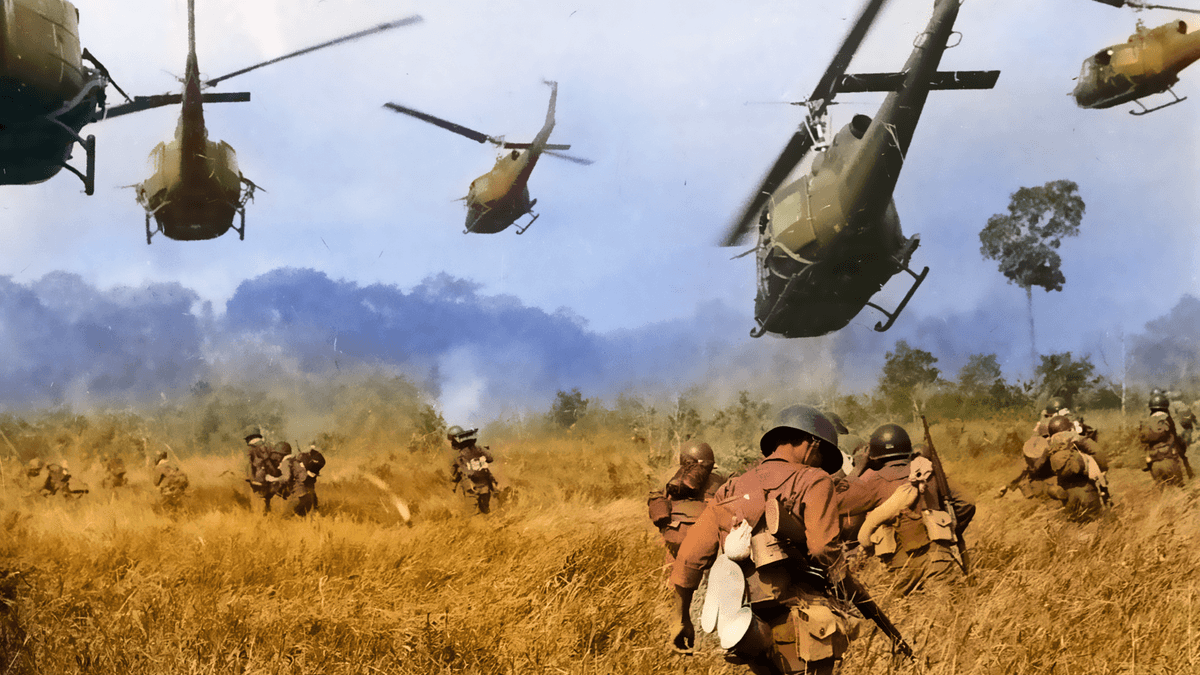
The Vietnam War: Conflict, Cold War, and Consequences
A complex war shaped by colonial history, Cold War fears, and powerful resistance—understand why the Vietnam War happened and why it still matters.
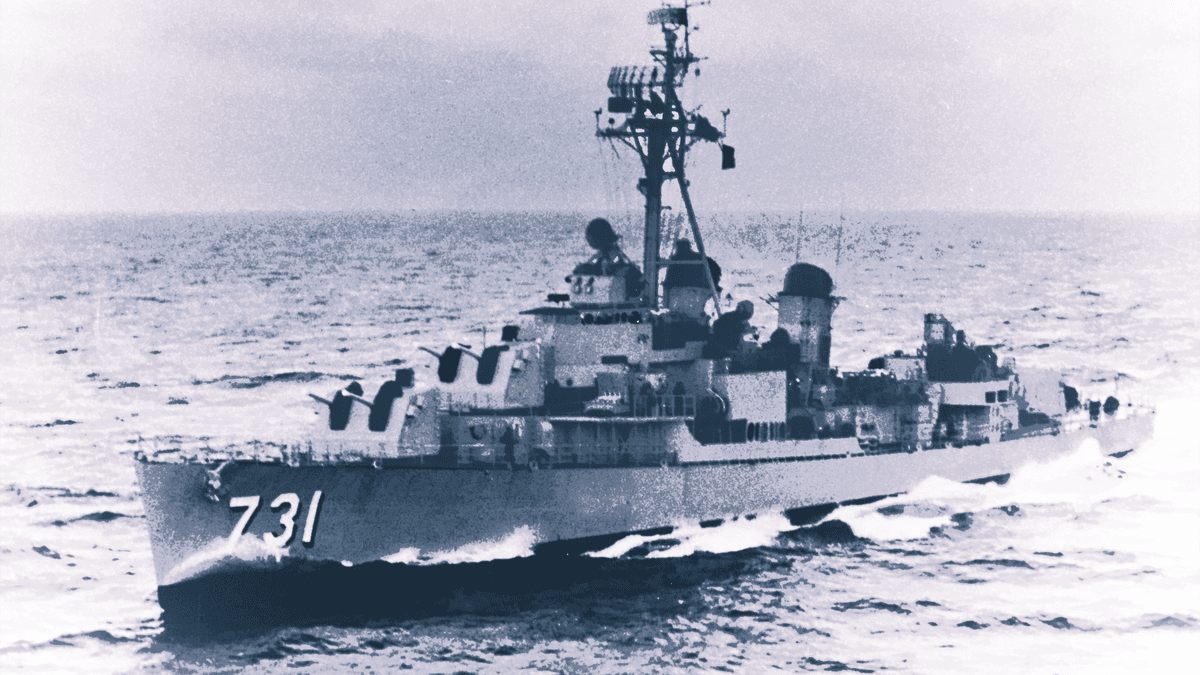
The Gulf of Tonkin Incident: A Turning Point in the Vietnam War
A disputed naval encounter that led to full-scale U.S. involvement in Vietnam—and raised lasting questions about power, truth, and war.
The Enlightenment: Revolution of the Mind
The Enlightenment wasn’t just an era of smart people in powdered wigs—it was a radical shift in how humans understood power, truth, and their place in the world. Its ideas fueled revolutions, rewrote constitutions, and laid the intellectual bricks of modern democracy.
Further Reading
Stay curious!