

Douglas Wilder Becomes the First Elected Black Governor

Douglas Wilder’s election marked a historic breakthrough in American politics and reflected major changes in voting rights, representation, and democracy.
What Happened?
Douglas Wilder’s inauguration in January 1990 marked a turning point in American history. For the first time, voters elected a Black governor in a nation that had once denied African Americans the right to vote. His victory came in Virginia, a state deeply shaped by slavery, segregation, and the Civil War, making the moment especially powerful.
Wilder’s life story reflected the long struggle for civil rights. Born in 1931 in segregated Richmond, Virginia, he grew up during the Jim Crow era as the grandson of enslaved people. He attended segregated schools, earned a college degree from Virginia Union University, served bravely in the Korean War, and later became a lawyer after studying at Howard University.
In 1969, Wilder entered politics by winning a seat in the Virginia State Senate, becoming the first Black state senator in Virginia since Reconstruction. Over time, he built a reputation as a skilled legislator who was willing to challenge both political parties and powerful institutions, earning respect even from those who disagreed with him.
After winning statewide office as lieutenant governor in 1985, Wilder ran for governor in 1989. The race was extremely close and required a recount, highlighting how difficult it still was for Black candidates to win statewide elections. Despite these challenges, Wilder narrowly won, proving that a diverse coalition of voters could overcome long-standing racial barriers.
As governor, Wilder governed as a centrist, focusing on balancing Virginia’s budget, improving infrastructure, and reducing crime. He also took moral stands beyond state borders, including ordering Virginia to divest from South Africa’s apartheid government, making it the first Southern state to do so.
Wilder’s election reshaped how Americans viewed political possibility. It showed that leadership could emerge from communities once excluded from power and that voters were capable of judging candidates by experience and ideas rather than race alone.
Though his victory did not erase racial inequality, Douglas Wilder’s success expanded the meaning of democracy in the United States. His career demonstrated how persistence, public service, and civic participation can slowly transform institutions and open doors for future generations.
Why It Matters
Douglas Wilder’s election showed that democracy can grow to include voices once excluded from power. His victory reminded the nation that representation matters, barriers can be challenged, and progress often comes through persistence, participation, and the courage to lead in spaces where change once seemed impossible.
?
Why was Douglas Wilder’s election especially significant in a state like Virginia?
How did Wilder’s life experiences shape his political career?
Why do close elections sometimes reveal deeper challenges in democracy?
How can representation change how people view government and leadership?
What barriers to political participation still exist today?
Dig Deeper
An overview of Douglas Wilder’s historic election and lasting influence on Virginia and national politics.
Related
Fair and Unfair Laws: Justice, Equality, and the Power of Rules
Laws shape how societies function, but not all laws are fair. Understanding the difference between fair and unfair laws helps citizens protect justice and equality.
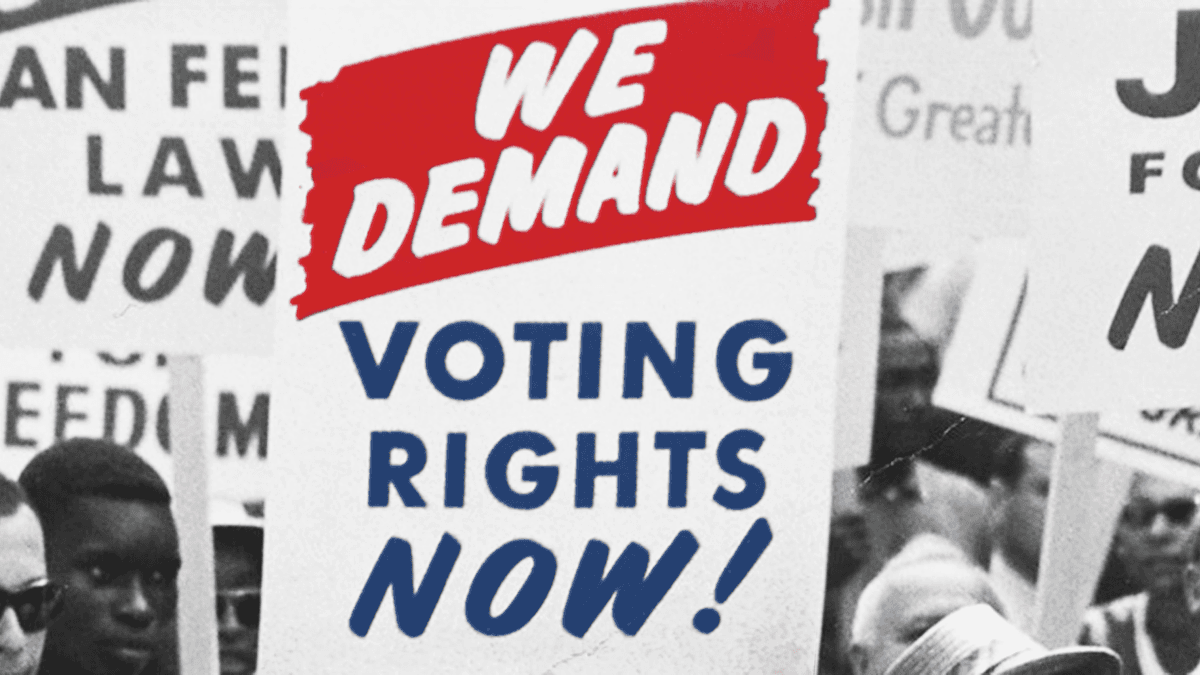
Universal Suffrage in the United States
The right to vote wasn’t handed to everyone—it was fought for, over centuries, by people demanding that democracy actually mean everyone has a voice.
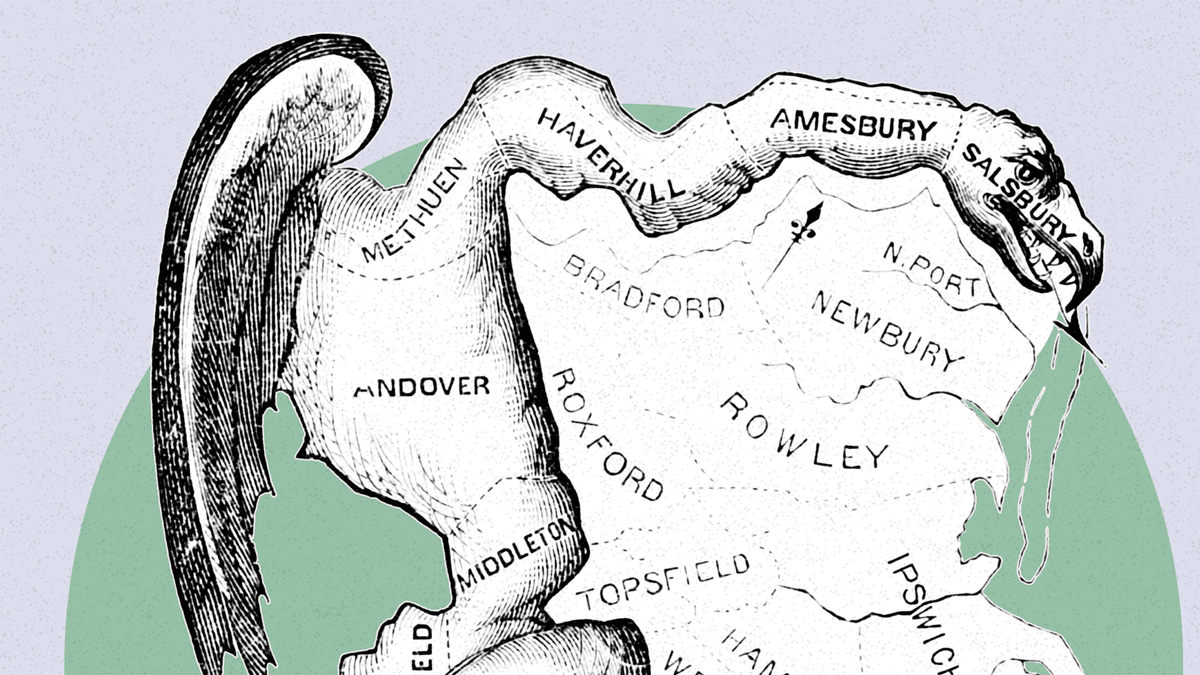
Gerrymandering: When Maps Become Weapons
What happens when politicians choose their voters instead of the other way around? Welcome to the twisted world of gerrymandering.
Further Reading
Stay curious!