

The January 6 U.S. Capitol Attack
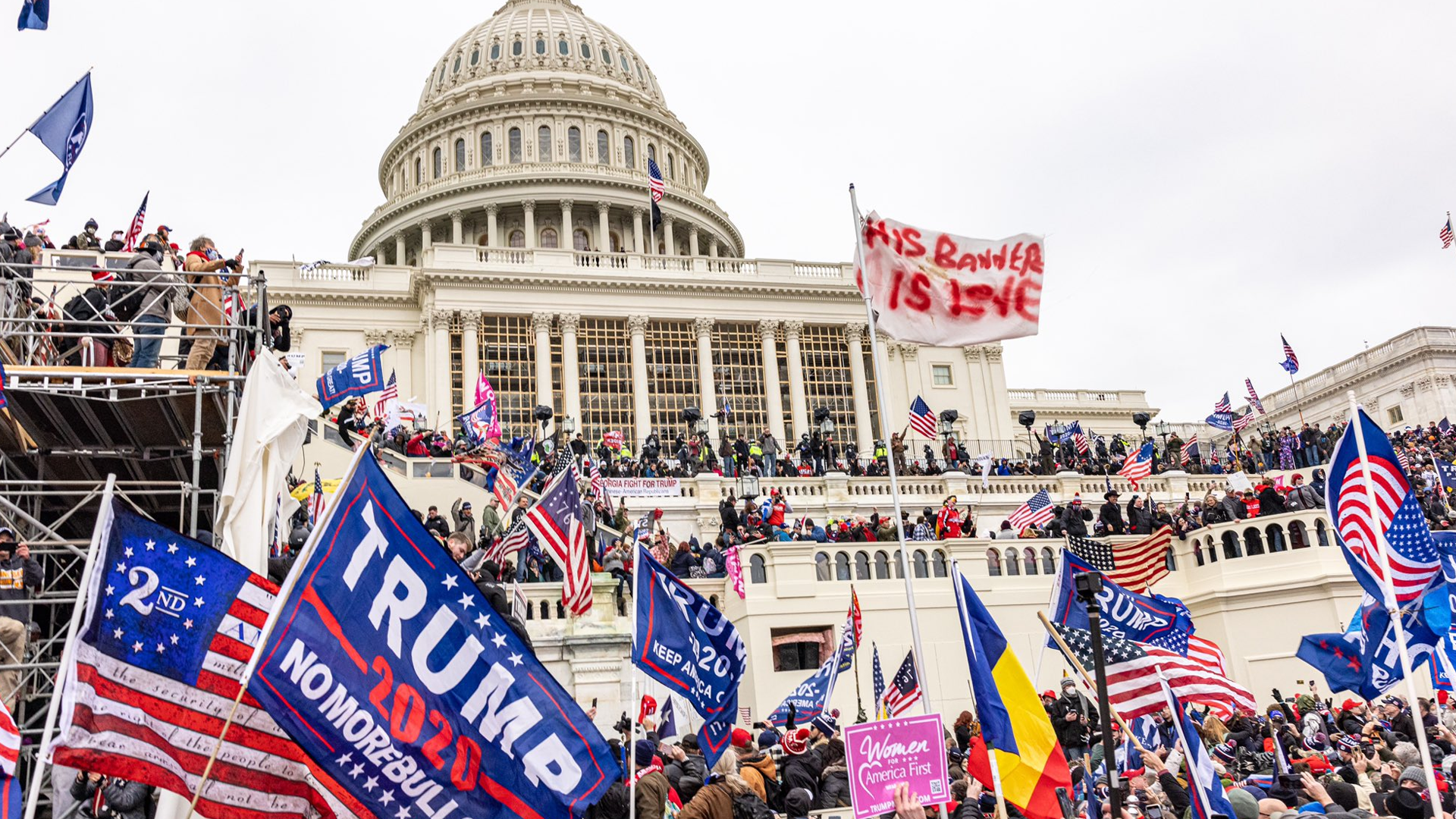
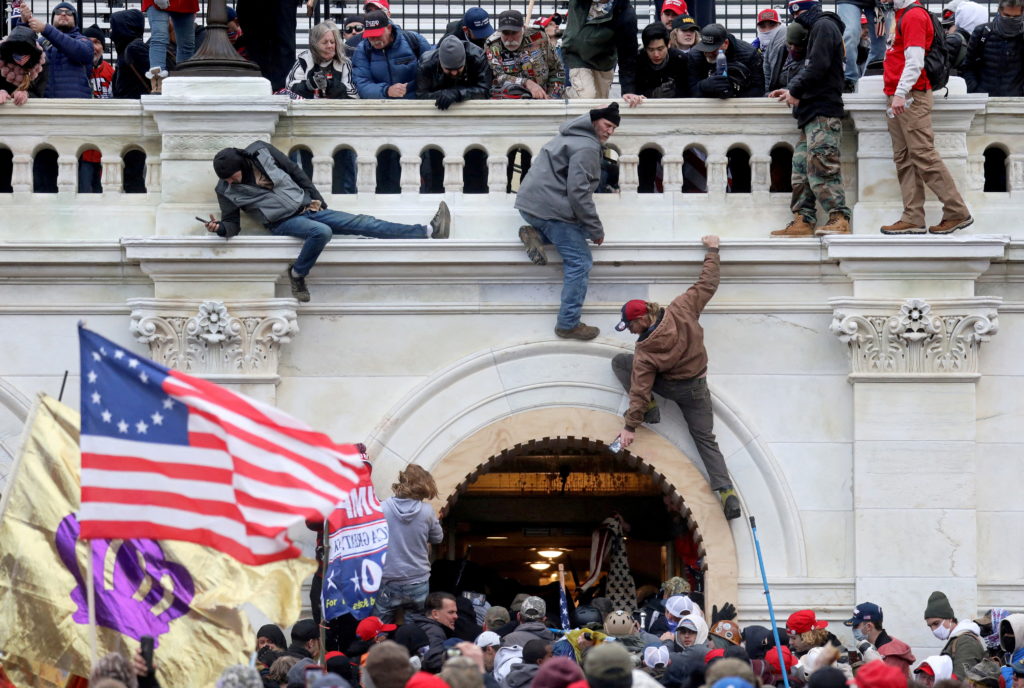
Rioters breaching the U.S. Capitol building on January 6, 2021
What Happened?
On the afternoon of January 6, 2021, a violent mob of supporters of President Donald Trump stormed the U.S. Capitol in an effort to disrupt Congress’s constitutionally mandated certification of the 2020 presidential election. The attack marked the first time since 1814 that the Capitol had been forcibly breached and represented an unprecedented assault on the peaceful transfer of power in the United States.
Earlier that day, at a rally on the Ellipse near the White House, Trump repeated false claims that the 2020 election had been stolen through widespread voter fraud. He publicly pressured Vice President Mike Pence to refuse to certify certain electoral votes, despite Pence lacking any constitutional authority to do so. Trump urged his supporters to march to the Capitol, declaring, among other statements, that the country could not be reclaimed “with weakness.”
As Congress met to count the electoral votes, thousands of rally attendees converged on the Capitol. By approximately 2:00 p.m., rioters breached police barricades, smashed windows and doors, and forced their way inside. Members of the United States Congress were evacuated or sheltered in place, including Vice President Pence and his family. Congressional offices, including that of House Speaker Nancy Pelosi, were ransacked, and rioters entered the Senate chamber.
Approximately 140 law enforcement officers were assaulted during the attack. One rioter died after being shot by police. The Capitol wasn't secured until the evening, after the deployment of the District of Columbia National Guard and other law enforcement agencies. At around 4:00 p.m., Trump released a video message reiterating his false fraud claims while telling supporters to go home. Congress reconvened that night and, at 3:24 a.m. on January 7, formally certified Joe Biden as the winner of the 2020 election.
The attack stunned the nation and the world. One week later, President Donald Trump was impeached by the House of Representatives for incitement of insurrection. The impeachment followed extensive evidence showing that the violence wasn't spontaneous, but the foreseeable result of months of false claims that the 2020 election had been stolen—claims repeatedly rejected by courts, state election officials, and federal investigators due to the absence of credible evidence.
The January 6 attack exposed the vulnerability of democracy when disinformation, fear, and political pressure override the rule of law. It demonstrated that democracy doesn't sustain itself automatically; it depends on shared commitment to factual truth, institutional accountability, and citizens and leaders willing to defend the peaceful and lawful transfer of power, even when election outcomes are politically inconvenient.
Why It Matters
January 6, 2021, revealed how fragile democracy can become when truth is ignored and trust in elections is weakened. The attack showed that repeated false claims and attacks on democratic institutions can lead people to believe violence is an acceptable way to resolve political disagreements. It wasn't an accident or a sudden outburst, but the result of long-term misinformation and growing disrespect for the rule of law. Understanding January 6 helps us recognize the importance of facts, peaceful participation, and shared responsibility in protecting constitutional government and ensuring that disagreements are settled through democratic—not violent—means.
?
Dig Deeper
BBC News footage capturing the chaos as Trump supporters stormed the Capitol and lawmakers were forced into lockdown.
Jordan Klepper breaks down how political rhetoric and misinformation contributed to the Capitol insurrection.
Related
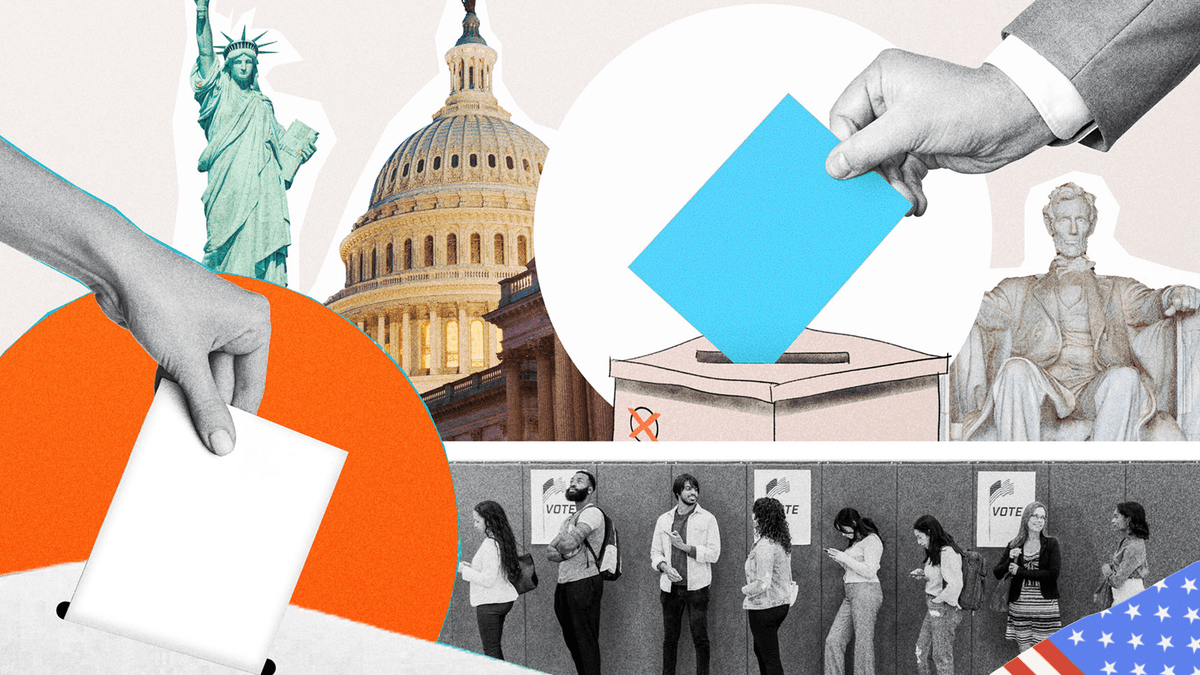
Democracy: Government by the People
Democracy is more than voting every few years. It is a way of sharing power, protecting rights, and making sure ordinary people have a real voice in how they are governed.
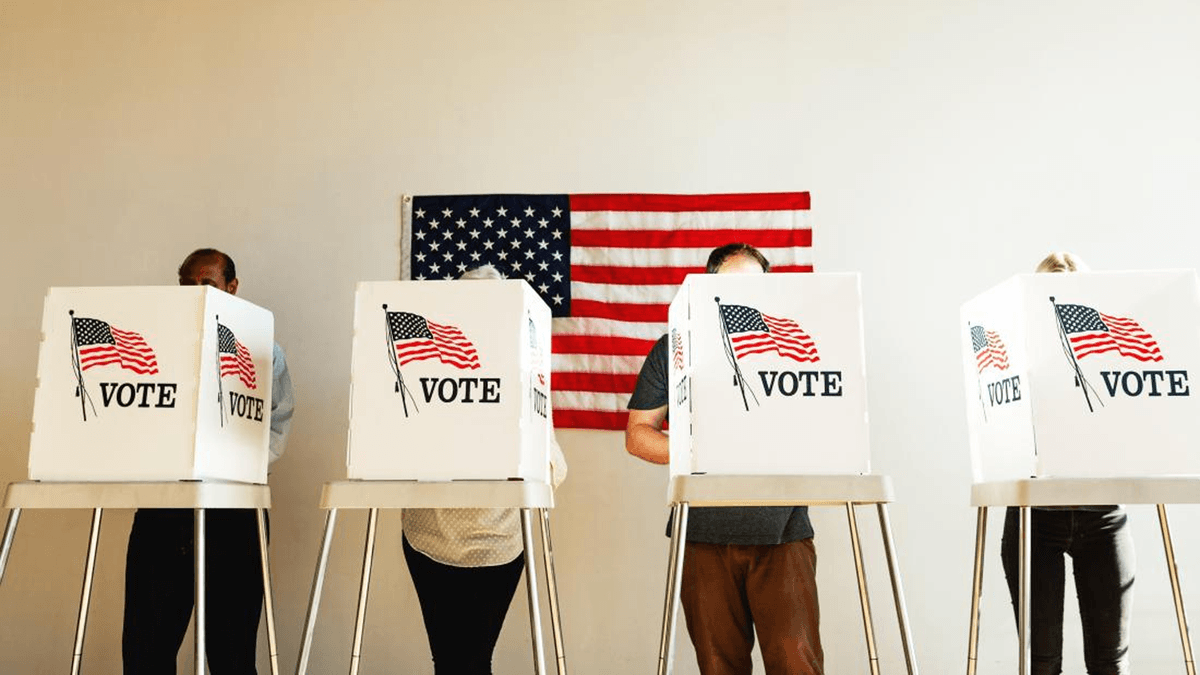
Voting & Participation: Why Your Voice Matters
Voting is one of the most powerful ways citizens shape their government, hold leaders accountable, and strengthen democracy.
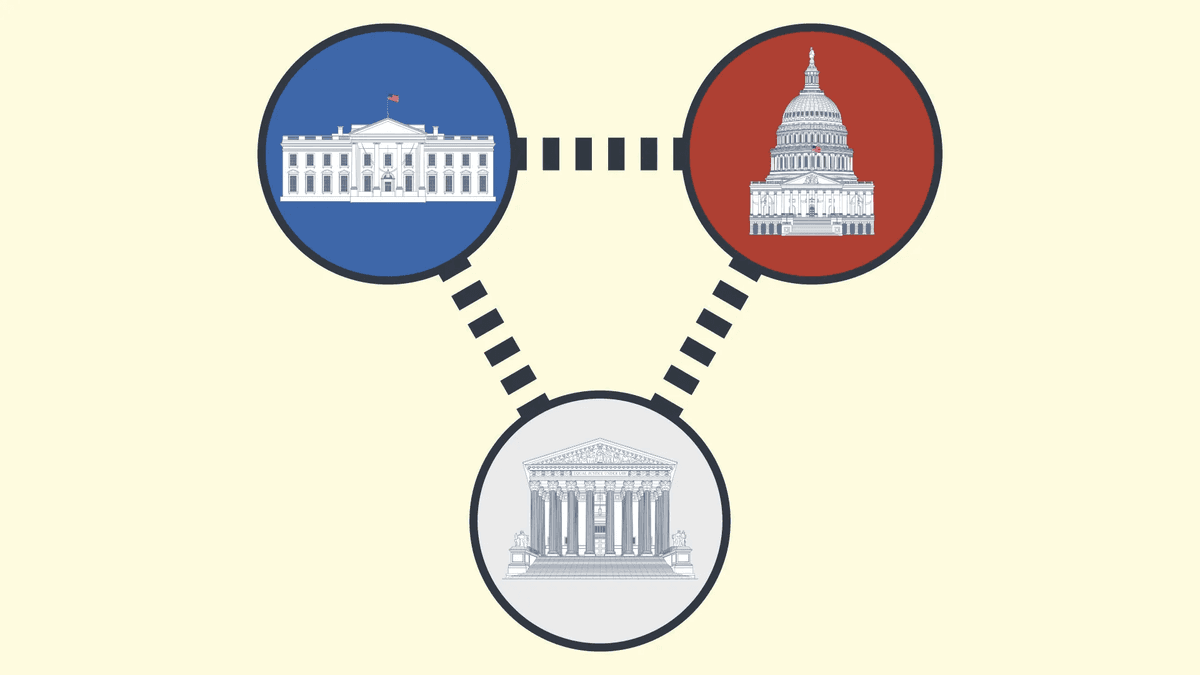
Separation of Powers
The U.S. Constitution divides power among three branches—legislative, executive, and judicial—to prevent tyranny and keep government balanced.
Further Reading
Stay curious!