

The Evolution of Love: From Ancient Rites to Greeting Cards
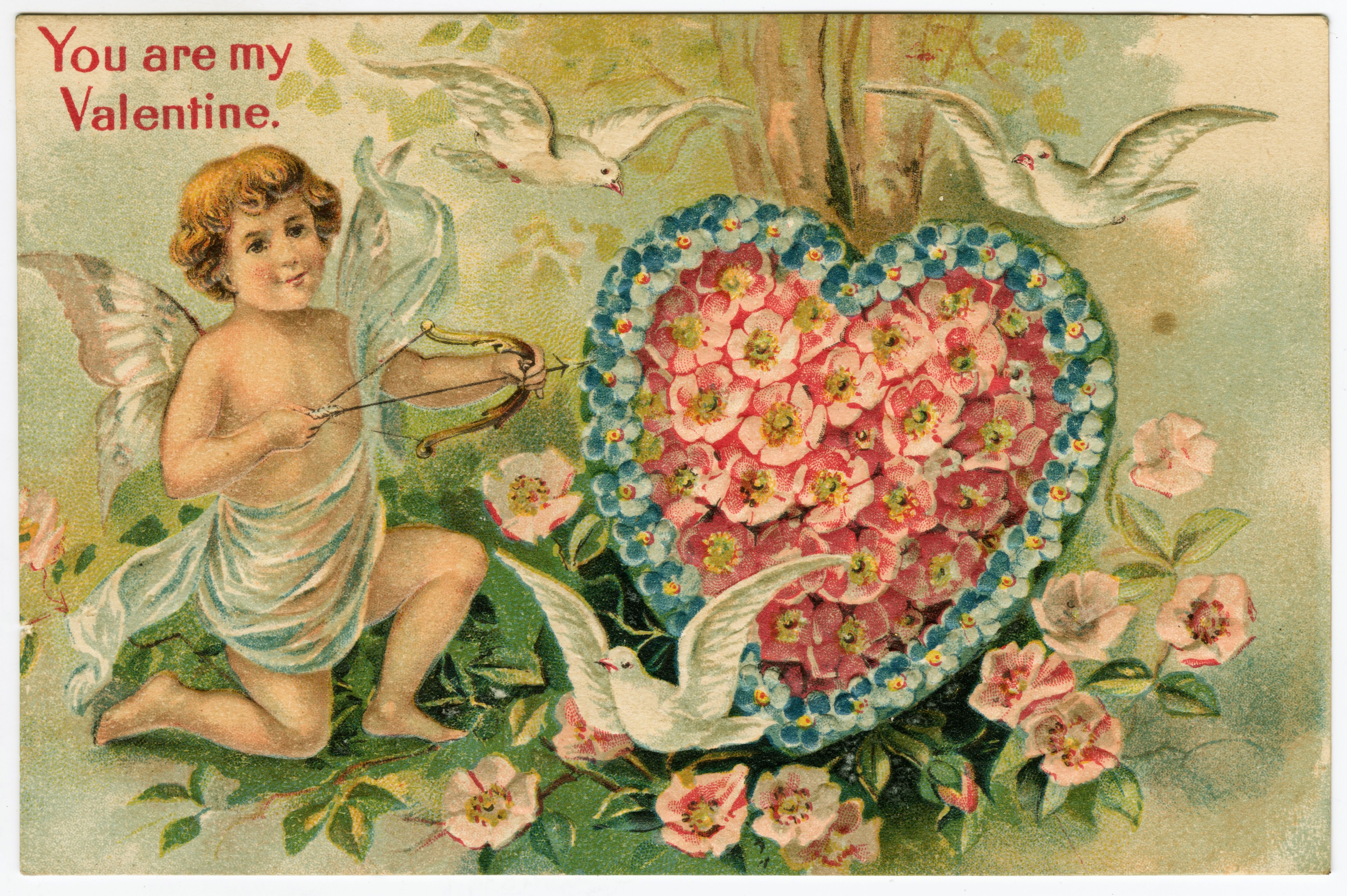
Valentine’s Day as we know it is an amalgamation of ancient Roman traditions, medieval poetry, and good old-fashioned capitalism.
What Happened?
Long before love notes and candy hearts, February 14 was associated with Lupercalia, a Roman festival dedicated to fertility and purification. It involved animal sacrifices and ritual beatings (yes, really), believed to promote good fortune in love and childbirth.
By the 3rd century, stories emerged of St. Valentine, a priest who defied the emperor by secretly marrying couples. Imprisoned and later executed, legend has it that he sent the first 'Valentine'—a note signed 'From Your Valentine'—before his execution. The church later declared February 14 his feast day, conveniently replacing the more scandalous Lupercalia.
During the Middle Ages, the idea of courtly love flourished, and thanks to Geoffrey Chaucer’s poem Parliament of Fowls (1375), Valentine’s Day became linked to romance. He wrote about birds choosing their mates on February 14, and medieval Europe decided that humans should follow suit.
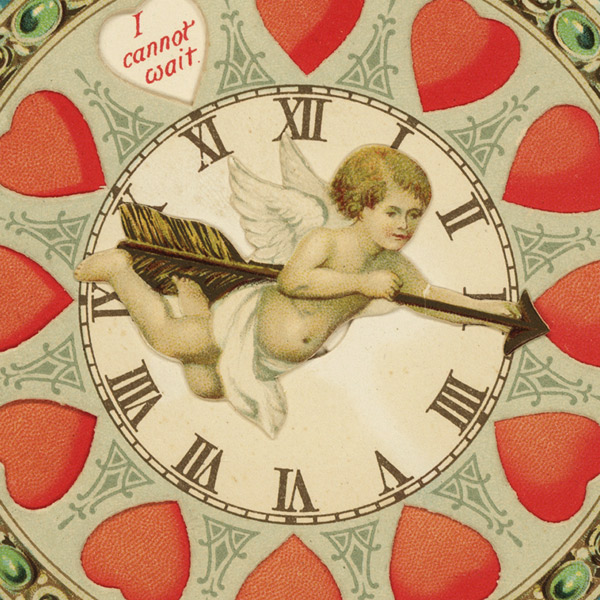
By the 16th century, the first handmade Valentine’s cards appeared, and by the 19th century, industrialization made mass-produced Valentine's cards an economic force. Esther A. Howland, known as the 'Mother of the Valentine,' began selling elaborate lace-trimmed cards in the 1840s, and the trend spread worldwide.
Today, Valentine’s Day is a global celebration of love—and, let’s be honest, an economic juggernaut. Americans alone spend over $25 billion annually on flowers, chocolates, and experiences, proving that while love is timeless, so is the art of good marketing.
Why It Matters
Valentine’s Day isn’t just about romance—it’s about the intersection of tradition, storytelling, and commerce. What started as a Roman fertility ritual evolved into a saint’s feast day, which then morphed into a medieval matchmaking event and, eventually, a multi-billion-dollar industry. The holiday reminds us that human connection is deeply tied to the cultures we create, and how we celebrate love is often shaped by history, literature, and the marketplace. It also raises an interesting question: In a world driven by consumerism, does love need a price tag to feel real?
?
Why do you think Geoffrey Chaucer’s poem had such a lasting impact on how we celebrate Valentine’s Day?
How do modern Valentine’s Day traditions compare to their ancient Roman and medieval counterparts?
Is Valentine’s Day a celebration of love, or a celebration of marketing genius?
With digital communication replacing handwritten notes, how do you think Valentine’s Day will evolve in the future?
Dig Deeper
A deep dive into the origins of Valentine’s Day, from Roman rituals to mass-produced greeting cards.
Related
Who Was Molly Pitcher? Unpacking the Legend, the Facts, and the Firepower
Was she a single fearless woman, or the name shouted when soldiers needed water? The truth is more complicated—and more powerful. Meet the women behind the legend of Molly Pitcher.
The Role of Ideas in Revolutionary Change
The Role of Ideas in Revolutionary Change: How can ideas and writings change the course of history?
The Emancipation Proclamation & The 13th Amendment
Freedom on paper is one thing; freedom in practice is another. The Emancipation Proclamation and the 13th Amendment were giant leaps toward liberty—yet the road ahead for formerly enslaved people was long and uneven.
Further Reading
Stay curious!