

The Bill of Rights Is Ratified
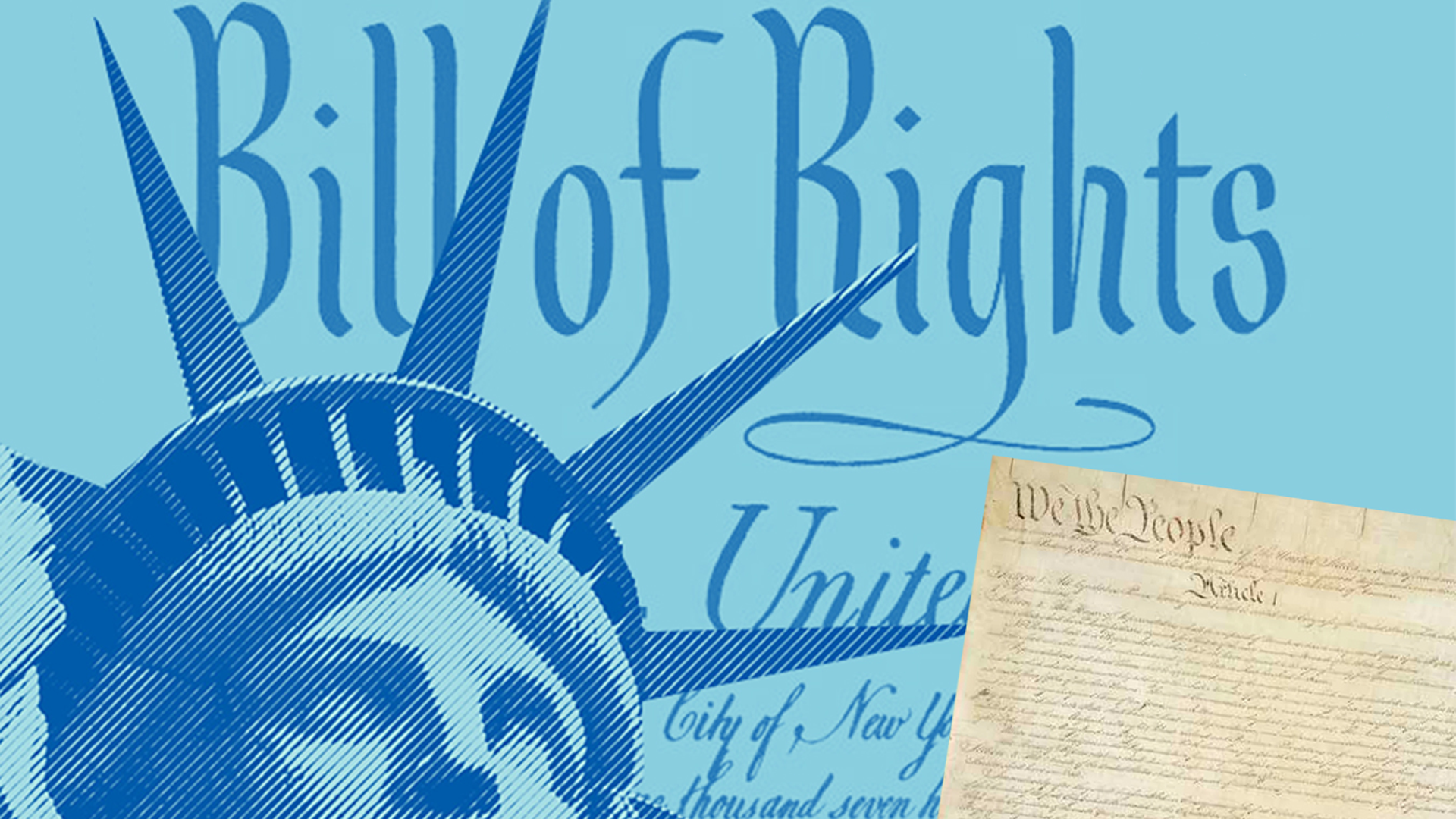
The Bill of Rights became law in 1791, guaranteeing core freedoms and protections for people living in the United States.
What Happened?
When the Constitution was first written, many Americans were worried that it gave the new federal government too much power and did not clearly protect individual freedoms. People remembered how British rulers had abused their authority, and they feared that history could repeat itself. This concern sparked intense debates across the states and nearly prevented the Constitution from being ratified at all.
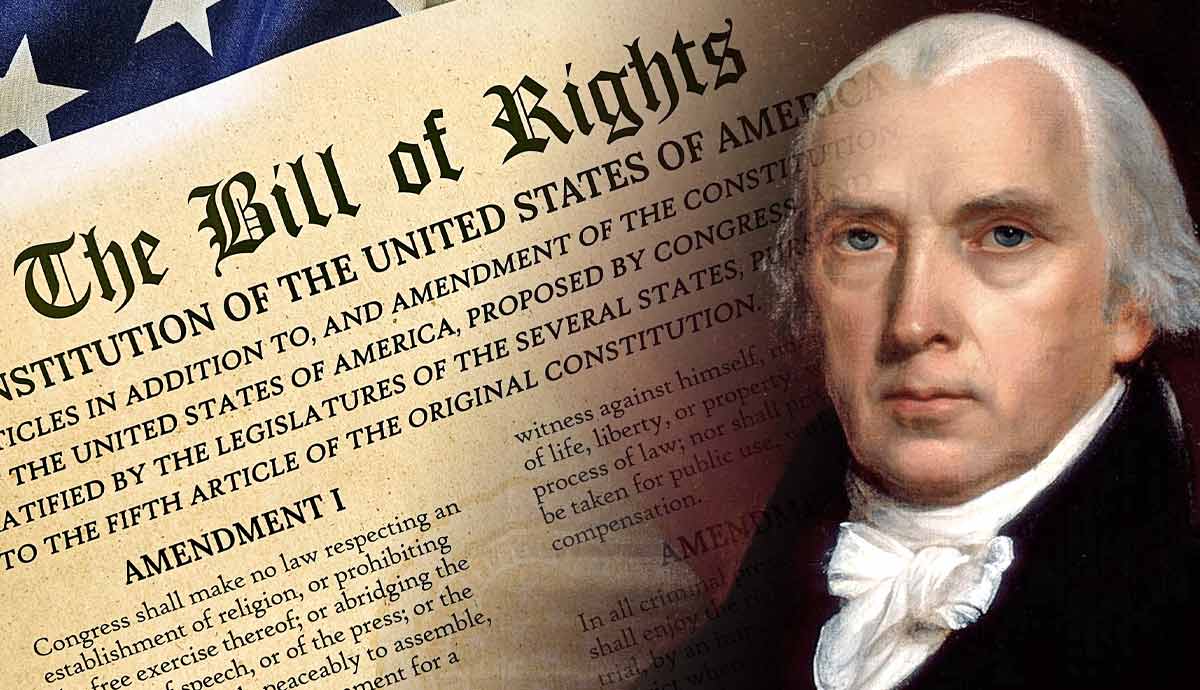
To resolve these fears, leaders like James Madison promised to add amendments that would clearly spell out the rights of the people. These amendments became known as the Bill of Rights. They were designed to place firm limits on government power and to guarantee that certain freedoms could never be taken away, no matter who was in charge.
The Bill of Rights draws from a long history of struggles for liberty. Ideas from England’s Magna Carta, the English Bill of Rights, and Virginia’s Declaration of Rights all influenced its language. Together, these traditions shaped a powerful idea: that government exists to protect the people, not to control them.
On December 15, 1791, Virginia became the final state needed to ratify the first ten amendments, officially making the Bill of Rights part of the Constitution. These amendments protected freedoms like speech, religion, the press, and assembly, as well as rights related to fair trials, due process, and protection from cruel punishment.
At first, the Bill of Rights only limited the federal government, not the states. Over time, especially after the Civil War and the passage of the Fourteenth Amendment, most of these protections were applied to the states as well. This meant that state governments also had to respect the same fundamental rights.
The Bill of Rights has shaped nearly every major debate about freedom and justice in American history. From courtrooms to classrooms, it has been used to defend free expression, protect the accused, and ensure that government power has clear boundaries.
More than two centuries later, the Bill of Rights remains a living promise. It reminds Americans that rights are not gifts from the government, but protections that belong to the people. Its lasting importance lies in its core message: a free society depends on safeguarding individual liberty, even when it is difficult or unpopular.
Why It Matters
The Bill of Rights explains what freedom actually means in everyday life, not as an idea but as a promise written into law. It protects speech, belief, fairness, and personal liberty while placing clear limits on government power. By doing so, it shifts authority away from rulers and toward the people, affirming that rights exist because we are human, not because the government allows them. Understanding the Bill of Rights helps us see how a free society survives when citizens know their rights, defend them, and expect the law to protect everyone equally.
?
Why were people worried about the Constitution before the Bill of Rights was added?
Which right in the Bill of Rights do you think affects your daily life the most?
Why do you think the Founders believed rights should be written down?
How might life be different if these rights were not protected?
Why do debates about the Bill of Rights still matter today?
Dig Deeper
A clear and student-friendly overview of the freedoms protected by the first ten amendments to the Constitution.
A creative and engaging exploration of why the Bill of Rights still matters to Americans today.
Related
The Bill of Rights: What Is It and What Does It Actually Do?
The Bill of Rights wasn’t added to the Constitution because everything was going great, it was added because the people didn’t trust the government. And they had every reason not to.

The First Amendment: America’s Blueprint for Freedom
The First Amendment protects freedoms of speech, religion, press, assembly, and petition. It’s the foundation of American democracy—but also a source of constant debate and interpretation.
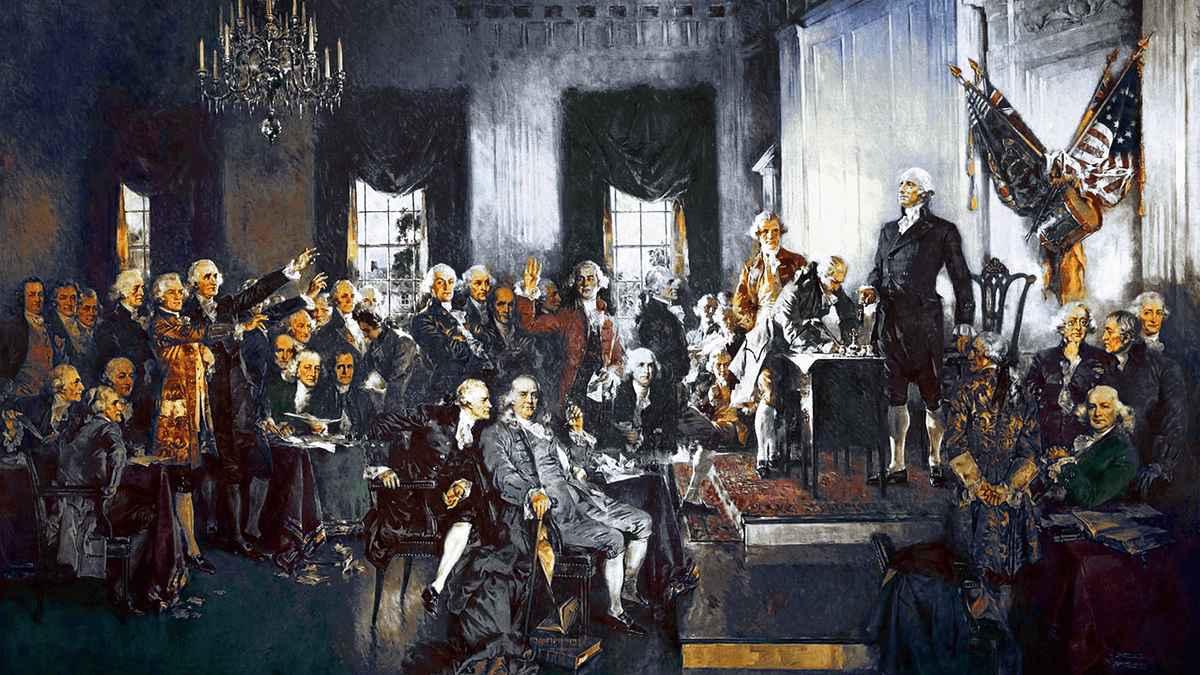
Federalists vs. Anti-Federalists: The Battle That Built the Constitution
One side feared chaos. The other feared tyranny. Together, they gave us the Constitution—and the Bill of Rights.
Further Reading
Stay curious!