

The Gulag Archipelago Is Published
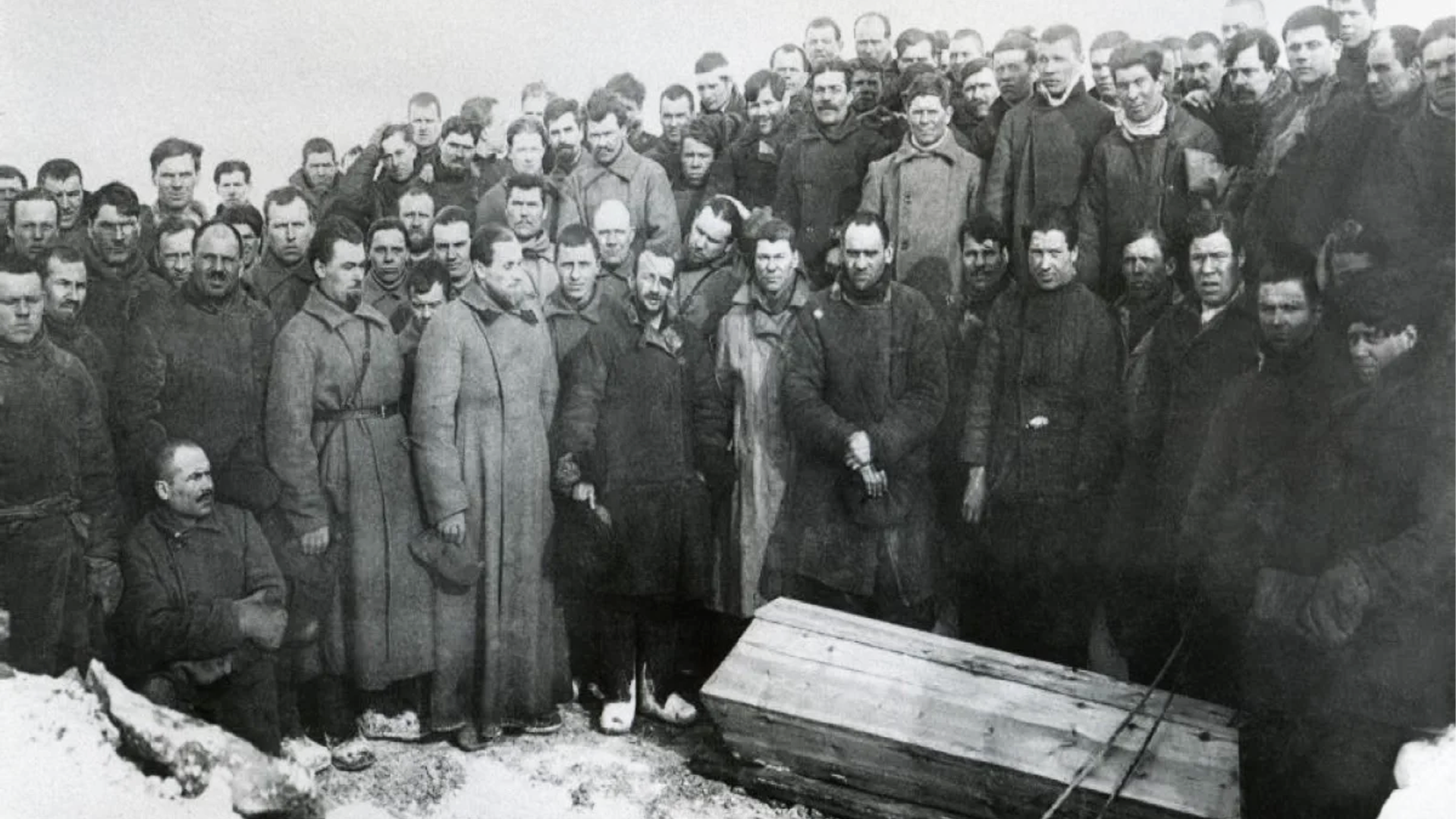
One book shattered the silence around one of the most brutal systems of repression in modern history.
What Happened?
For decades, the Soviet Union claimed to be a workers’ paradise, but beneath the surface existed a vast and terrifying system of prison labor camps known as the Gulag. Millions of people—political prisoners, artists, farmers, soldiers, and ordinary citizens—were arrested, often without real trials, and sent to camps scattered across the Soviet landscape.
Aleksandr Solzhenitsyn knew this system firsthand. As a young army officer during World War II, he was arrested for criticizing the Soviet government in private letters and spent eight years in labor camps. After his release, he secretly gathered stories from hundreds of survivors and committed them to memory, knowing that writing them down could mean prison or death.
The Gulag Archipelago, published in 1973, wasn't a novel but a powerful mix of history, testimony, and personal experience. Solzhenitsyn showed that terror and repression were not accidents or mistakes, but built into the Soviet system from its earliest days after the Bolshevik Revolution.
The book described how people were arrested in the middle of the night, forced to confess to crimes they did not commit, transported in brutal conditions, and worked to exhaustion in freezing camps. Hunger, disease, and violence were common, and survival often depended on luck more than justice.
When the book appeared in the West, it shocked readers and changed how many people viewed the Soviet Union. Supporters of communism were forced to confront evidence that contradicted official propaganda, while survivors finally saw their suffering acknowledged.
The Soviet government reacted with fury. Solzhenitsyn was arrested, stripped of his citizenship, and exiled in 1974. Yet his book could not be silenced. It circulated secretly inside the USSR and later became widely available after the fall of the Soviet system.
The Gulag Archipelago became one of the most important books of the 20th century, reminding the world of the dangers of unchecked power and the courage it takes to tell the truth—even when the truth is dangerous.
Why It Matters
The publication of The Gulag Archipelago showed how words and truth can challenge even the most powerful governments. By exposing state violence and repression, Solzhenitsyn helped millions understand the human cost of authoritarian rule and demonstrated why protecting human rights, free speech, and accountability matters in every society.
?
Dig Deeper
A documentary explaining how Solzhenitsyn revealed the hidden world of Soviet labor camps.
An overview of daily life and suffering inside the Soviet Gulag system.
Related
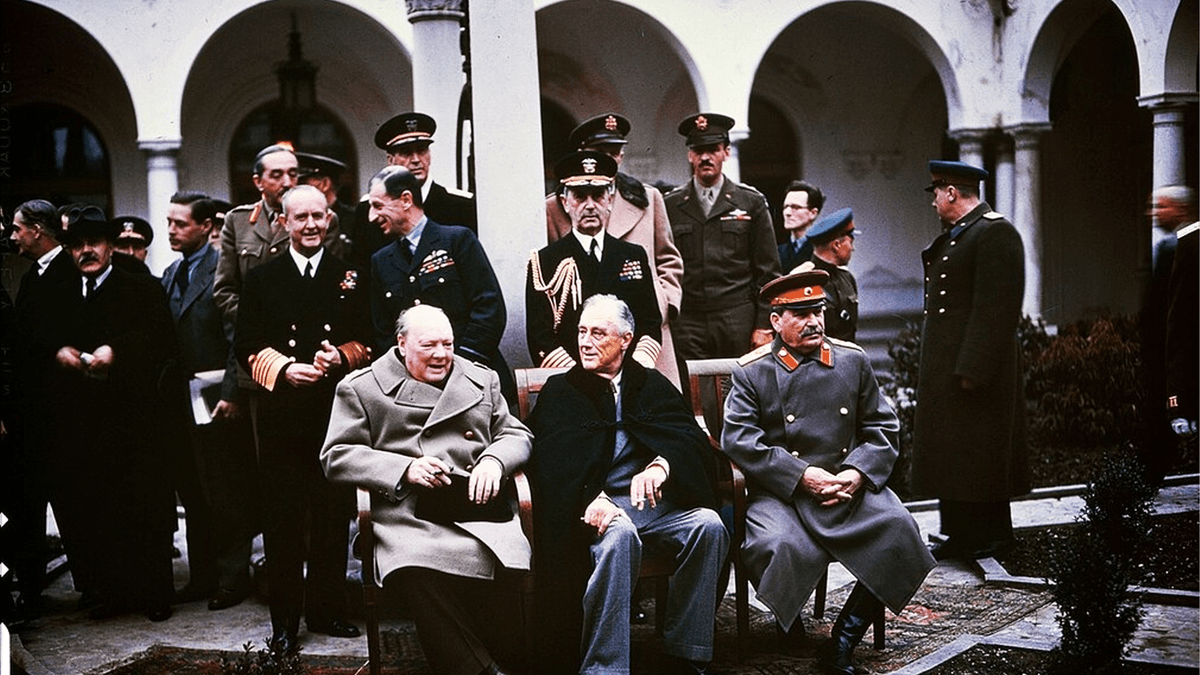
The Cold War & Fear at Home: Ideology, Power, and Public Anxiety
A global rivalry shaped by fear, ideology, and the constant tension between freedom and security.
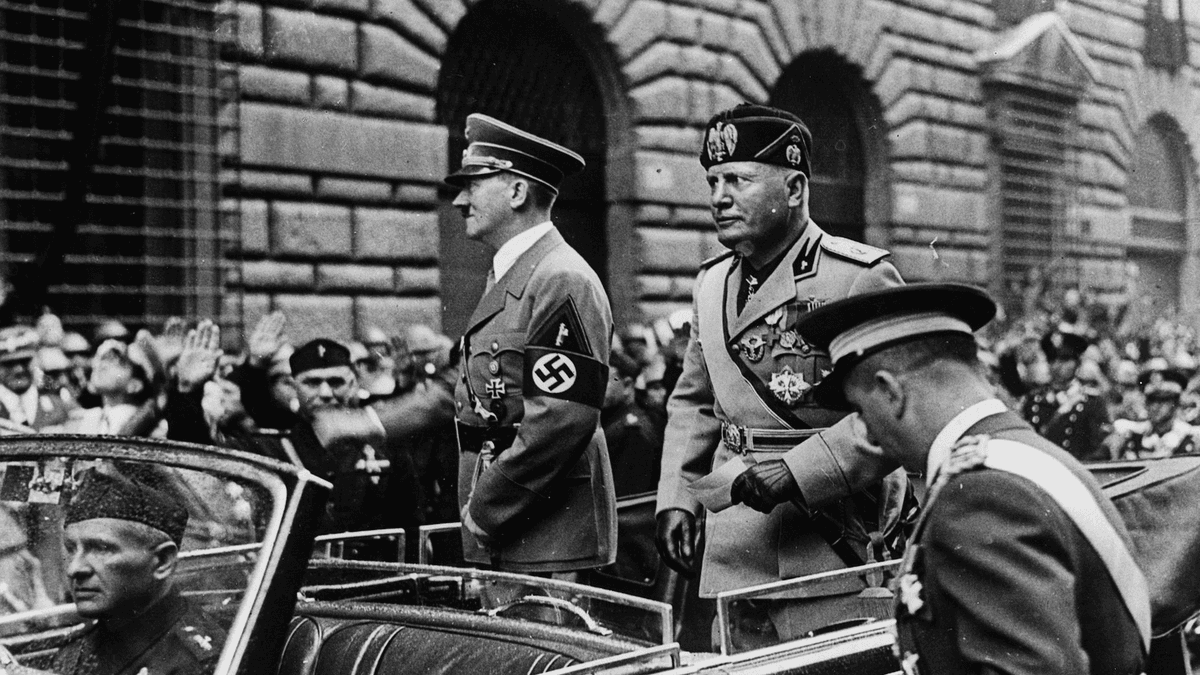
Fascism: Power, Propaganda, and the Fall of Democracy
Fascism emerged from the ruins of World War I and found its foothold in fear, nationalism, and economic despair. It promised unity, but delivered control, conformity, and catastrophe.

The Gulf of Tonkin Incident: A Turning Point in the Vietnam War
A disputed naval encounter that led to full-scale U.S. involvement in Vietnam—and raised lasting questions about power, truth, and war.
Further Reading
Stay curious!