

Violence Erupts in Rwanda
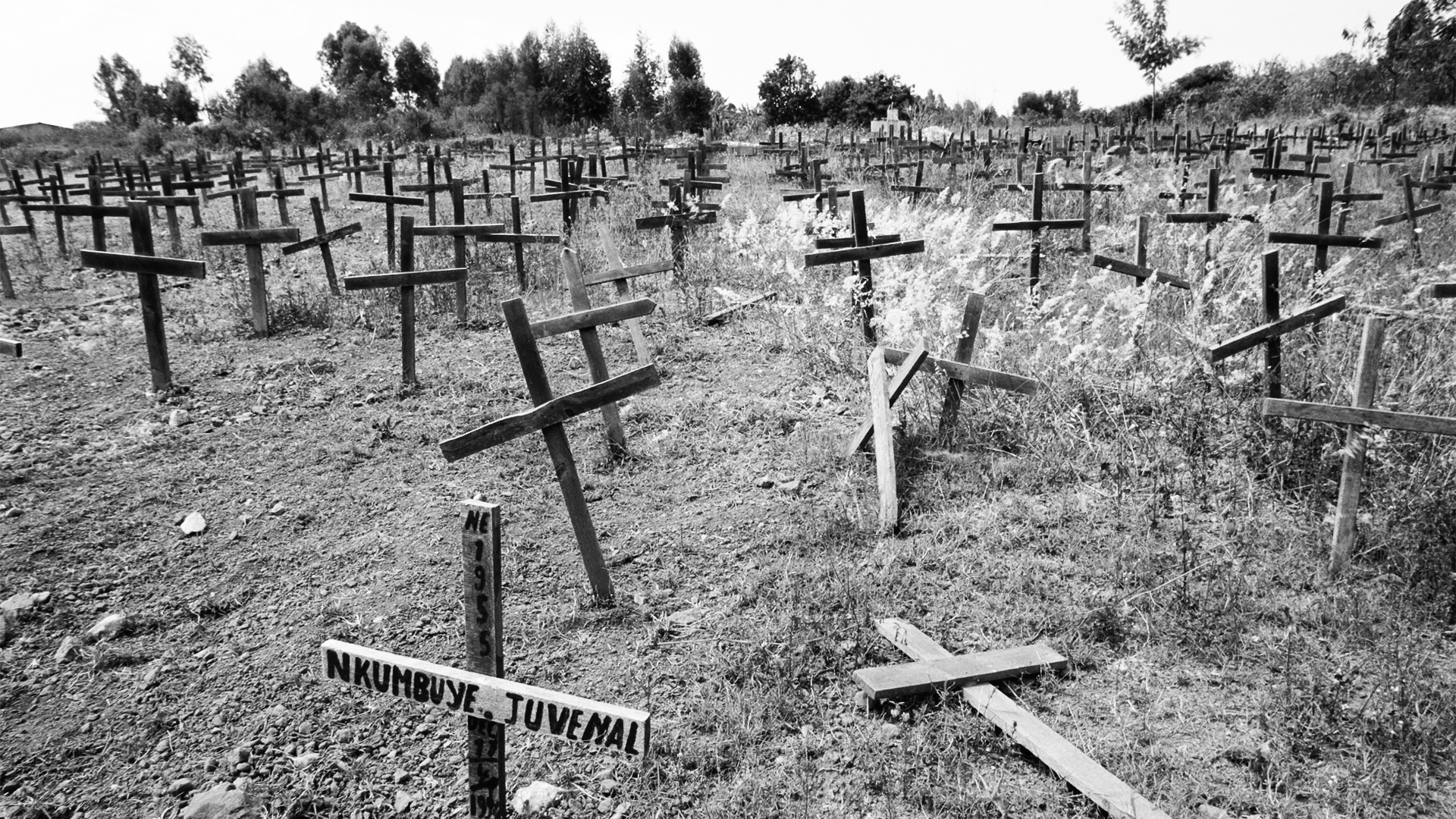
Memorial for victims of the Rwandan Genocide
What Happened?
On April 7, 1994, Rwanda entered one of the darkest chapters in human history as organized violence began against the Tutsi minority and moderate Hutus. Within hours of the president’s assassination, extremist leaders directed attacks that quickly spread across the country. What followed was a planned campaign of mass killing that would last about 100 days.
To understand how this happened, we have to look at Rwanda’s history. During colonial rule, European powers divided people into rigid ethnic groups—Hutu, Tutsi, and Twa—even though they shared language and culture. These divisions were reinforced through laws and identity cards, creating long-lasting inequality and tension that would later be exploited for political power.
In the years leading up to 1994, leaders used propaganda to spread fear and hatred, especially against Tutsis. Radio broadcasts and political messages falsely labeled them as enemies, preparing ordinary people to accept violence. At the same time, weapons were distributed and militias were trained, showing that the violence was not spontaneous but carefully organized.
After the president’s plane was shot down on April 6, extremist leaders used the moment as a trigger. Militias and soldiers set up roadblocks, identified people by ethnicity, and began killing neighbors, classmates, and even friends. Many victims were attacked with simple weapons like machetes, making the violence deeply personal and devastating.
One of the most difficult truths about this event is that the world did very little to stop it. Peacekeeping forces were reduced, and many countries hesitated to intervene. Later, global leaders admitted that early action—such as sending more troops—could have saved hundreds of thousands of lives.
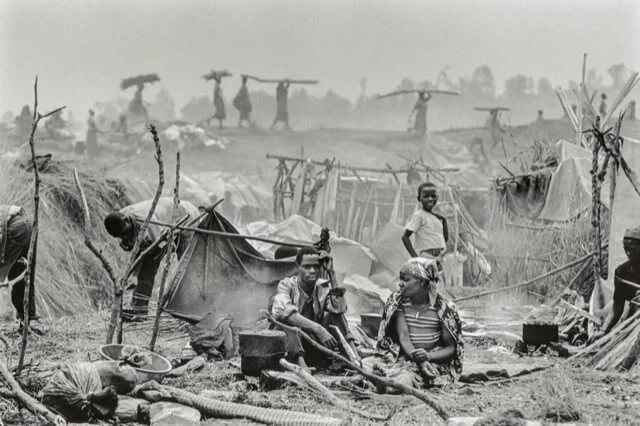
By July 1994, a rebel group known as the Rwandan Patriotic Front (RPF) ended the genocide by taking control of the country. But by then, an estimated 800,000 to 1 million people had been killed, and countless others were displaced. Rwanda was left to rebuild not only its cities, but also trust between its people.
Why It Matters
The Rwandan Genocide teaches powerful lessons about how hatred, propaganda, and division can escalate into violence when people are dehumanized. It reminds us that words and ideas have real consequences, and that silence in the face of injustice can allow harm to grow. Most importantly, it calls on us to recognize our shared humanity, stand up against discrimination, protect human rights, and take action early to prevent tragedy.
?
Dig Deeper
An educational breakdown of the causes and consequences of the Rwandan Genocide.
A powerful firsthand account from a survivor of the genocide.
Related
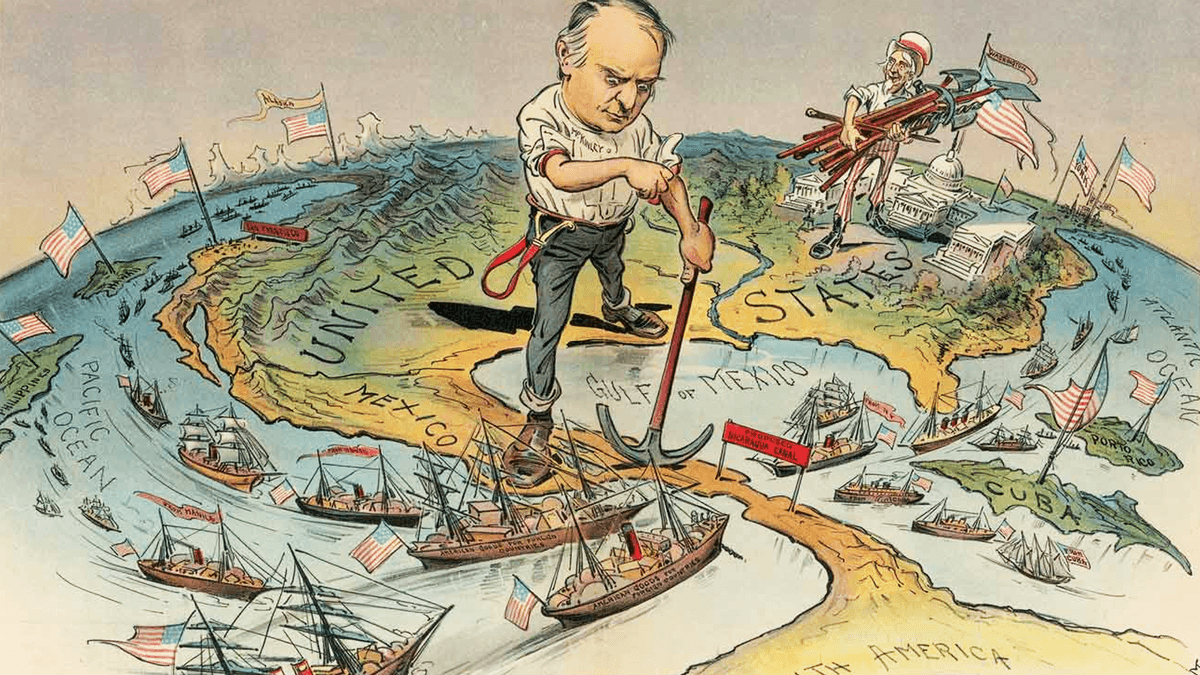
U.S. Imperialism: The Spanish-American War and Its Aftermath
In 1898, the United States fought Spain in a short war that reshaped its identity—from a republic born in anti-colonial revolution to a global imperial power with overseas territories.
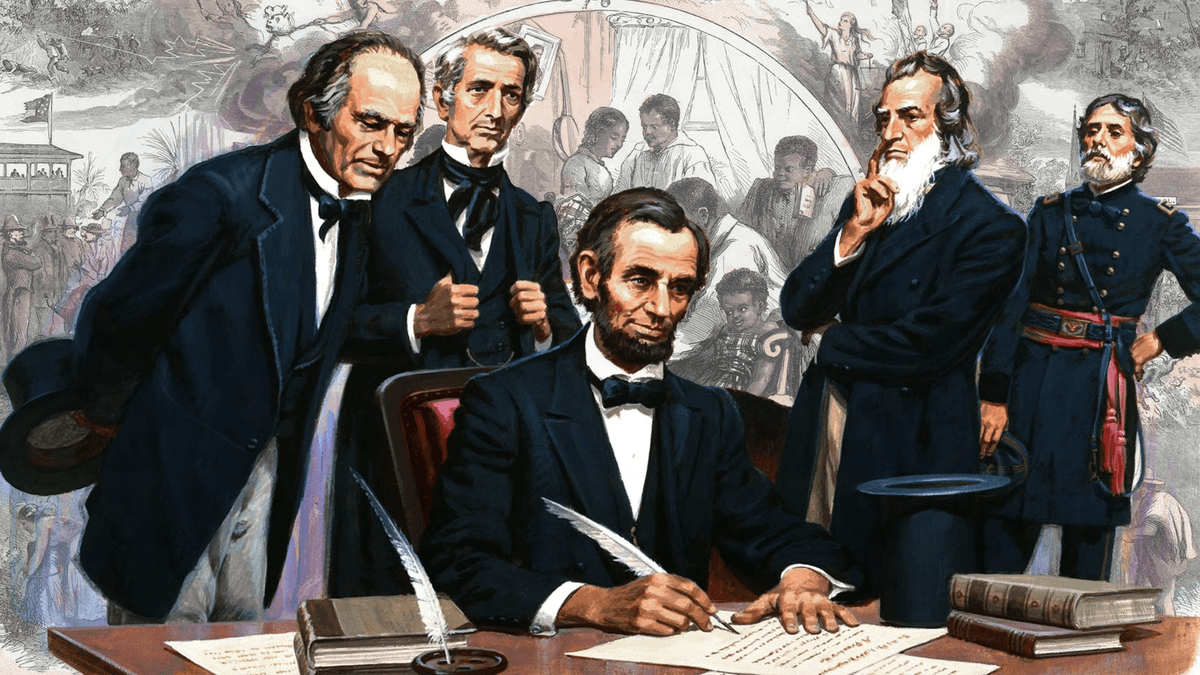
The Emancipation Proclamation & The 13th Amendment
Freedom on paper is one thing; freedom in practice is another. The Emancipation Proclamation and the 13th Amendment were giant leaps toward liberty—yet the road ahead for formerly enslaved people was long and uneven.
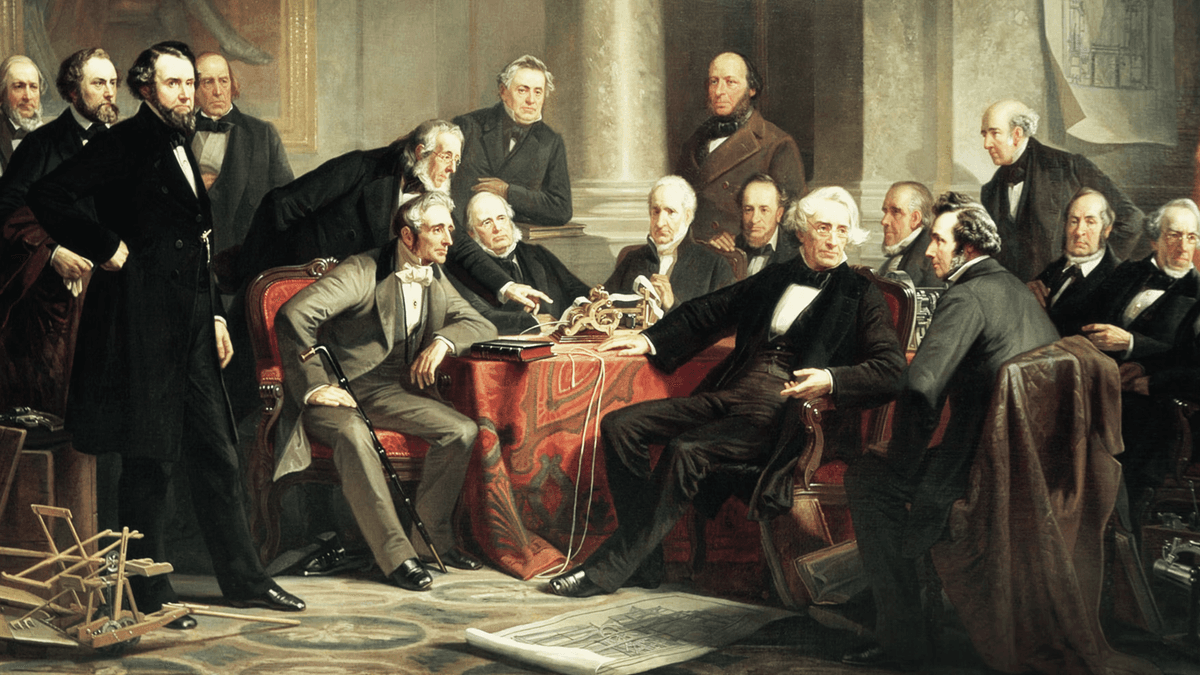
The Enlightenment: Revolution of the Mind
The Enlightenment wasn’t just an era of smart people in powdered wigs—it was a radical shift in how humans understood power, truth, and their place in the world. Its ideas fueled revolutions, rewrote constitutions, and laid the intellectual bricks of modern democracy.
Further Reading
Stay curious!