

South Carolina Secedes from the Union
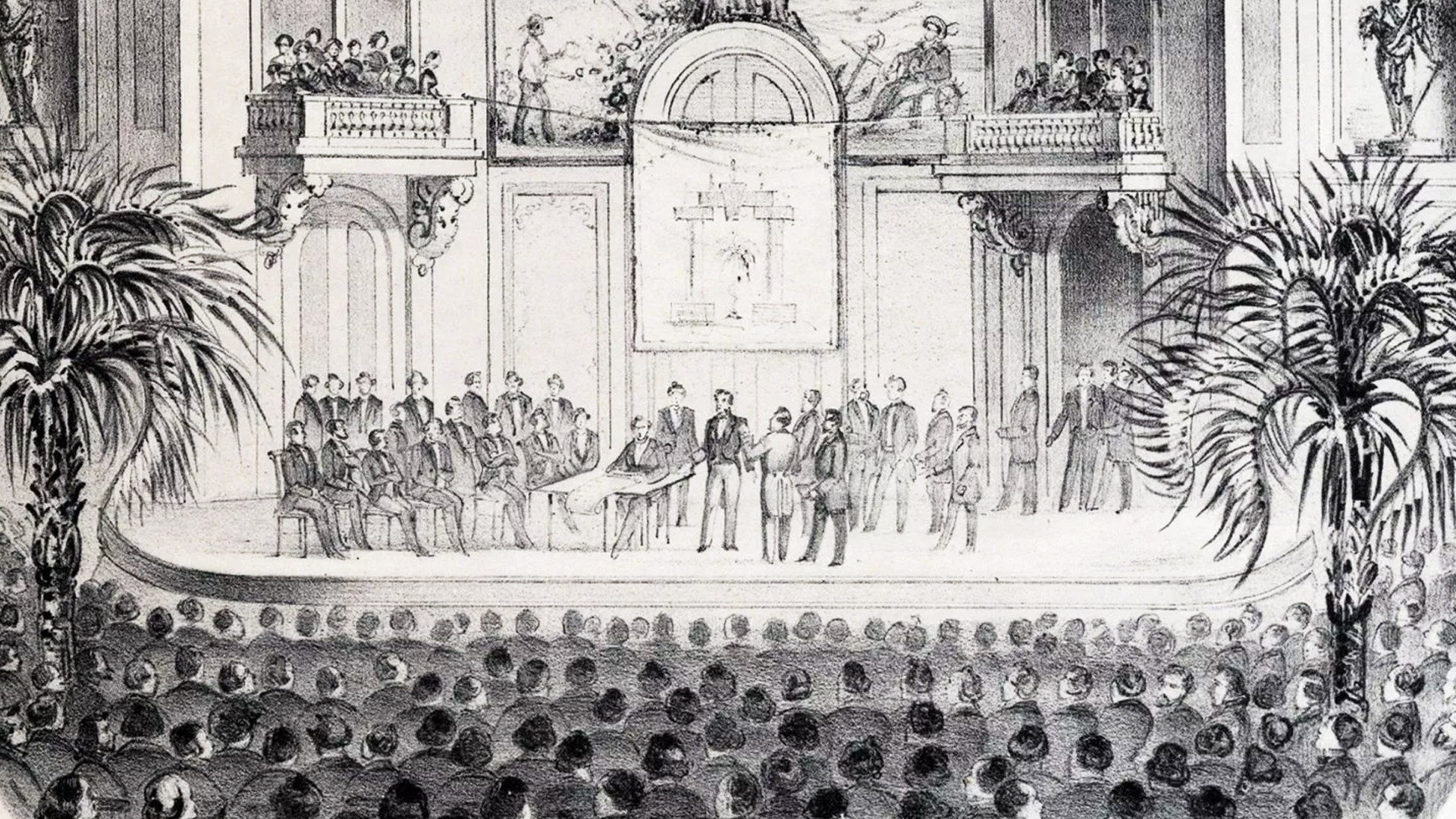
South Carolina’s secession convention in Charleston votes to leave the United States, setting the nation on a path toward civil war.
What Happened?
In December 1860, the United States stood at a breaking point. The recent election of Abraham Lincoln, who opposed the spread of slavery, deeply alarmed many white Southern leaders. Although Lincoln had won fairly, he received no electoral votes from Southern states, convincing many in the South that their political power was slipping away.
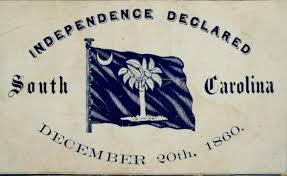
On December 20, South Carolina’s leaders met in Charleston and voted 169–0 to leave the Union. They declared the state an independent commonwealth, arguing that the federal government no longer protected their interests. Celebrations broke out across Charleston, with parades, ringing church bells, and bonfires marking the dramatic decision.
South Carolina’s leaders claimed they were defending states’ rights, but their official declaration made clear that slavery was the central issue. They argued that Northern states had turned against slavery, refused to fully enforce fugitive slave laws, and supported a president they believed was hostile to their way of life.
This moment did not come out of nowhere. For decades, South Carolina politicians had warned that a powerful federal government threatened Southern economic and social systems. Conflicts over tariffs, westward expansion, and slavery had repeatedly strained the Union, making secession seem like a real option to many Southern elites.
South Carolina’s decision quickly inspired other Southern states to follow. Within months, ten more slaveholding states left the Union and formed the Confederate States of America. What began as a political act soon became a military one, as tensions turned into open conflict at Fort Sumter in April 1861.
The secession of South Carolina showed how fragile the American Union had become. It revealed that disagreements over slavery and democracy were no longer just debates, but questions powerful enough to tear the nation apart and lead directly to civil war.
Why It Matters
South Carolina’s secession marked the moment when political disagreement became national rupture. It exposed how deeply slavery shaped American power, identity, and law, and how fragile democratic compromise can be when a society refuses to confront injustice. Understanding this event helps explain why the Civil War began and why the survival of the United States required redefining freedom, federal authority, and equality.
?
Why did Abraham Lincoln’s election cause fear in Southern states?
What reasons did South Carolina give for leaving the Union?
How did slavery influence the decision to secede?
Why did South Carolina’s action encourage other states to leave?
What might have happened if South Carolina had chosen not to secede?
Dig Deeper
An explanation of why South Carolina became the first state to secede and how this decision pushed the nation toward civil war.
Related
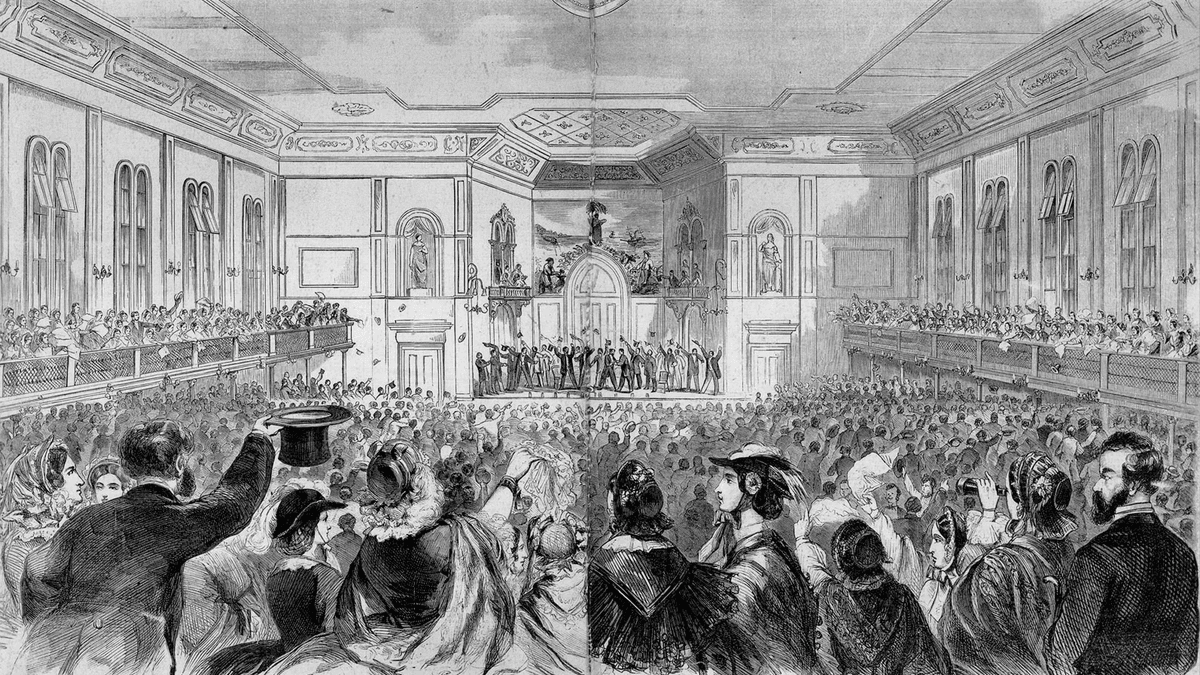
North Carolina’s Road to Secession
Why a state known for hesitation became a decisive force in the Confederacy.
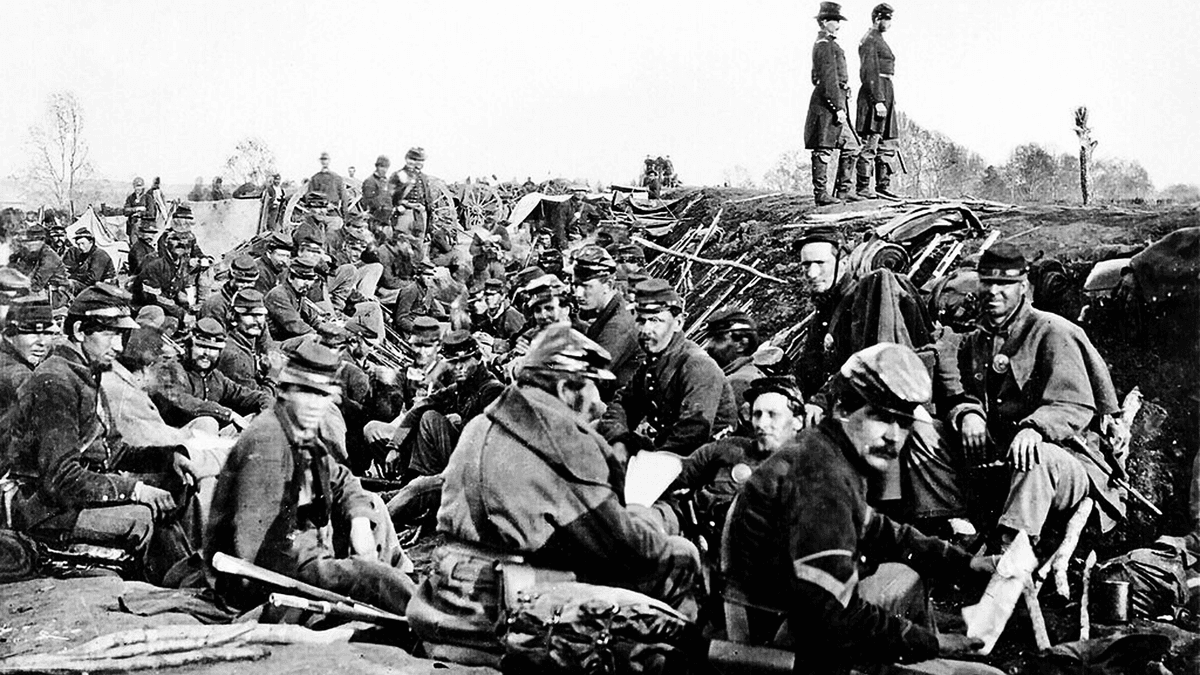
The American Civil War – A Nation Torn Apart
From Fort Sumter to Appomattox, the Civil War was the deadliest conflict in U.S. history, fought over the nation's most profound moral and political divisions.
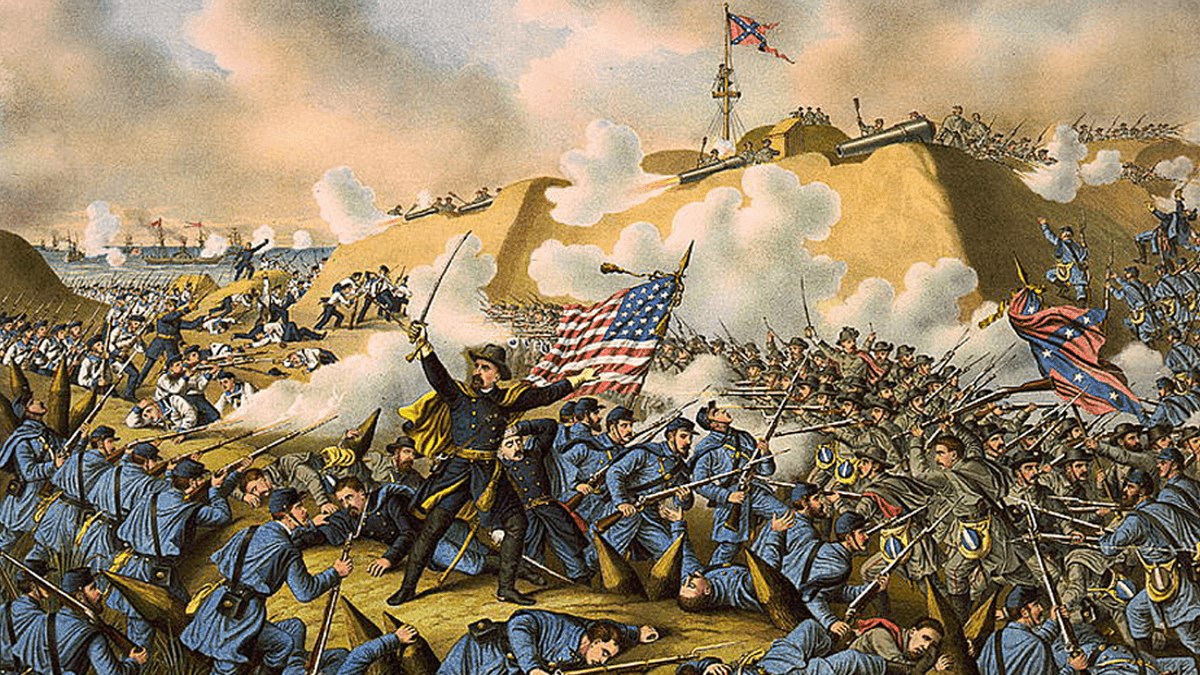
The American Civil War & North Carolina’s Role (1861–1865)
A nation divided, a state conflicted, and four years that reshaped American life forever.
Further Reading
Stay curious!