

The Soviet Union Is Established
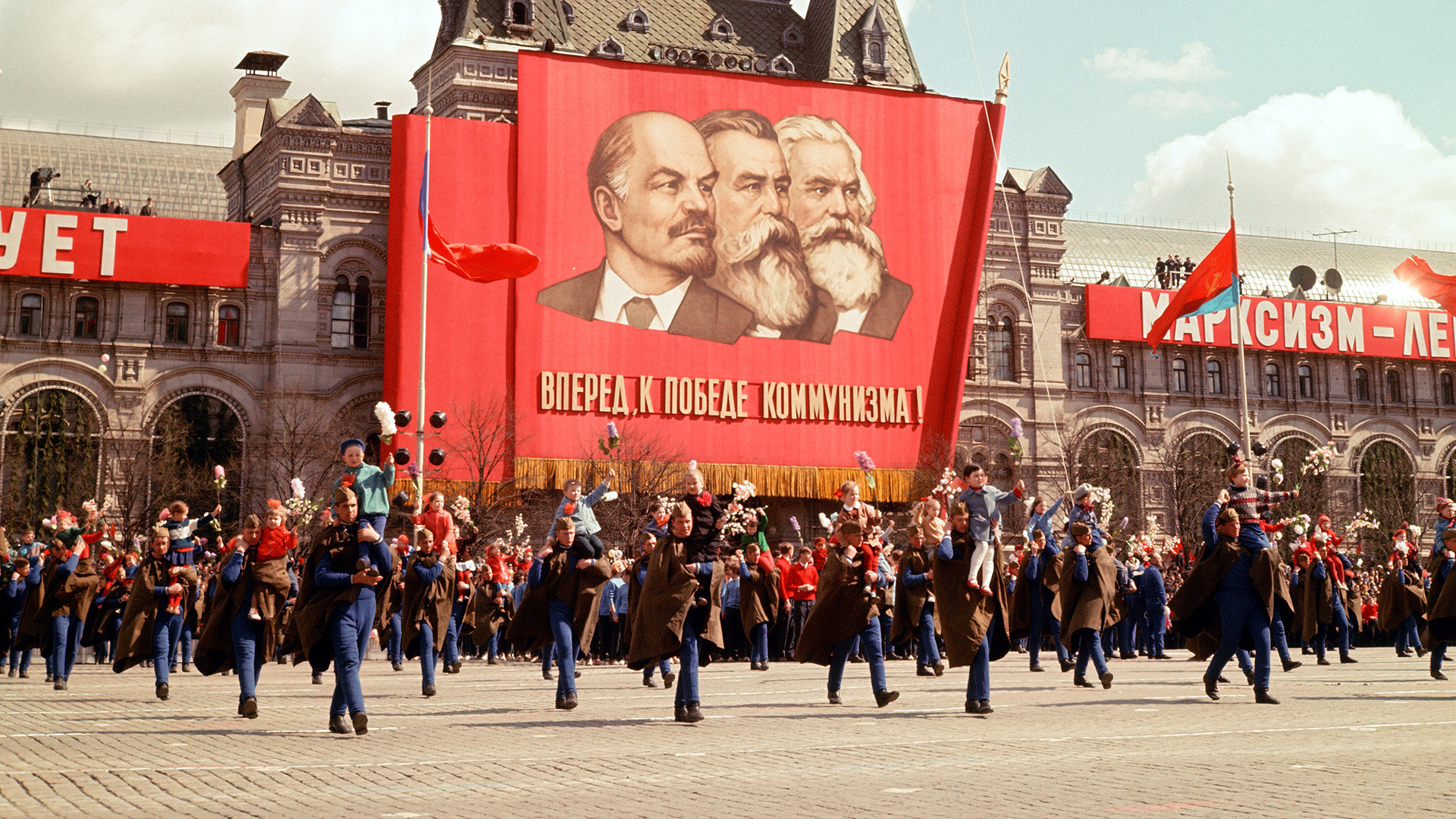
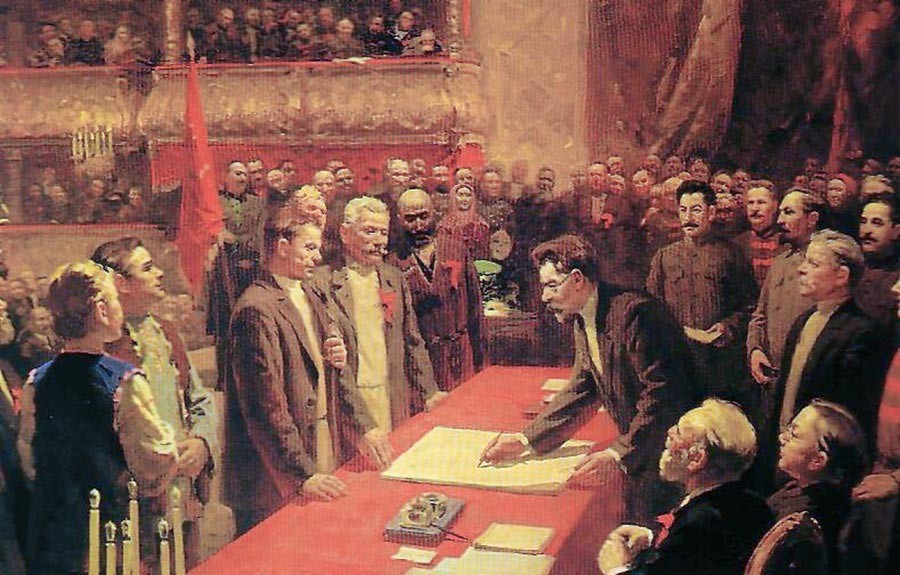
Map and imagery representing the founding of the Soviet Union in 1922
What Happened?
In December 1922, leaders of the Bolshevik Revolution officially created a new country called the Union of Soviet Socialist Republics, or USSR. This marked the end of the old Russian Empire and the beginning of the world’s first government built on Marxist socialism. The new union brought together Russia, Ukraine, Belarus, and the Transcaucasian region, which included present-day Georgia, Armenia, and Azerbaijan.
The creation of the Soviet Union grew out of the Russian Revolution of 1917, when widespread poverty, food shortages, and anger over World War I led workers and soldiers to overthrow Tsar Nicholas II. The Bolsheviks, led by Vladimir Lenin, promised peace, land, and bread, and believed society should be organized around workers rather than kings, landlords, or wealthy elites.
After the revolution, Russia plunged into a violent civil war that lasted several years. The Bolshevik Red Army fought the White Army, a loose group of monarchists, foreign-backed forces, and anti-communists. Millions of people died from combat, famine, and disease. When the Bolsheviks emerged victorious, they used force and strict control to rebuild the country under Communist Party rule.
Under the Soviet system, the government took ownership of factories, banks, railroads, and natural resources. Farmers were pushed into collective farms where land and equipment were shared and controlled by the state. While leaders claimed this would create fairness and equality, many people experienced loss of freedom, shortages of food, and harsh punishment for disobedience.
After Lenin died in 1924, Joseph Stalin gained power and ruled the Soviet Union through fear and repression. His government used secret police, forced labor camps known as Gulags, and mass arrests to eliminate opposition. At the same time, Stalin rapidly industrialized the country, turning the USSR into a powerful military and industrial state at an enormous human cost.
Over time, the Soviet Union expanded to include fifteen republics and became one of the two most powerful countries in the world, alongside the United States. Their rivalry, known as the Cold War, shaped global politics, military conflicts, and scientific competition, including nuclear weapons development and the Space Race.
By the late 20th century, economic struggles, lack of freedoms, and growing demands for reform weakened the Soviet system. In 1991, after years of political change and public pressure, the Soviet Union dissolved. Its collapse ended nearly seventy years of communist rule and reshaped global politics, leaving lasting effects that are still felt today.
Why It Matters
The founding of the Soviet Union shows how powerful ideas can reshape nations and affect millions of lives. It reminds us that political systems deeply influence freedom, equality, and everyday life, and that choices made during moments of crisis can echo across generations and around the globe.
?
Why did many Russians support the Bolshevik Revolution in 1917?
How did life change for ordinary people under Soviet rule?
What were some promises of socialism, and how were they carried out in practice?
Why did the Soviet Union become a rival of the United States?
What lessons can be learned from the rise and fall of the USSR?
Dig Deeper
An exploration of Lenin’s role in founding the Soviet Union and the debates surrounding his legacy.
A concise overview of why the Soviet Union collapsed after decades as a global superpower.
Related
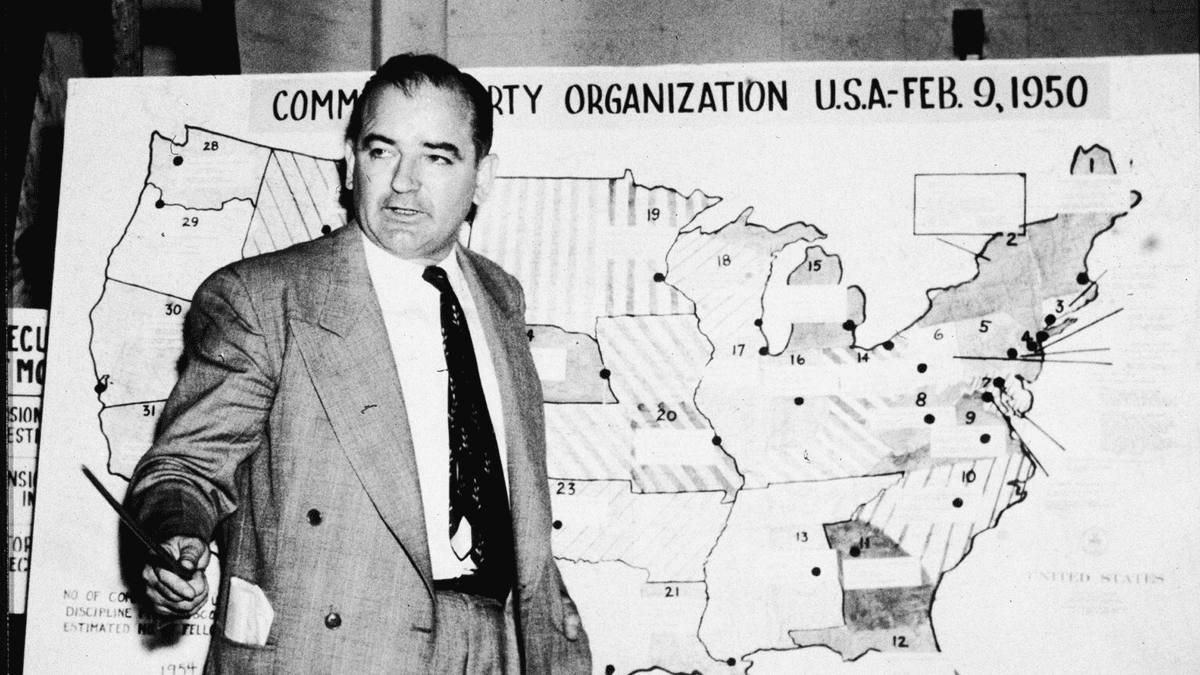
McCarthyism: Fear, Power, and the Red Scare
In the 1950s, fear of communism gripped America. Senator Joseph McCarthy fueled this fear by accusing hundreds of people of being communist traitors—often without proof. The result was a national panic that tested the meaning of truth, justice, and freedom.
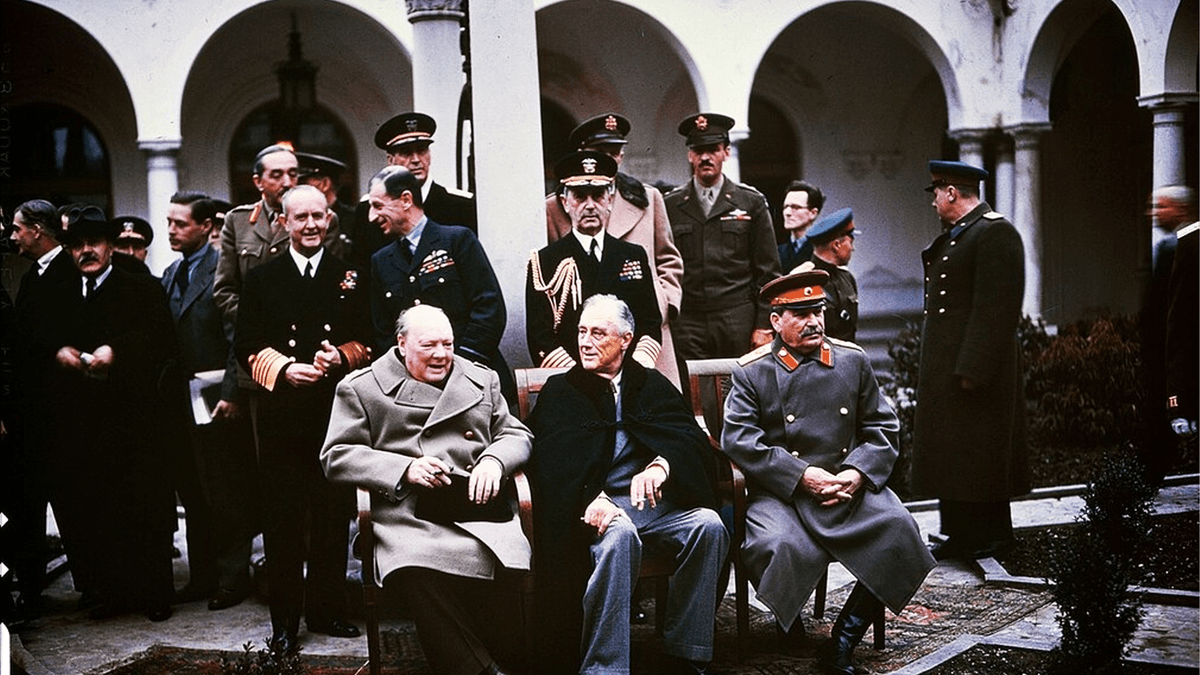
The Cold War & Fear at Home: Ideology, Power, and Public Anxiety
A global rivalry shaped by fear, ideology, and the constant tension between freedom and security.
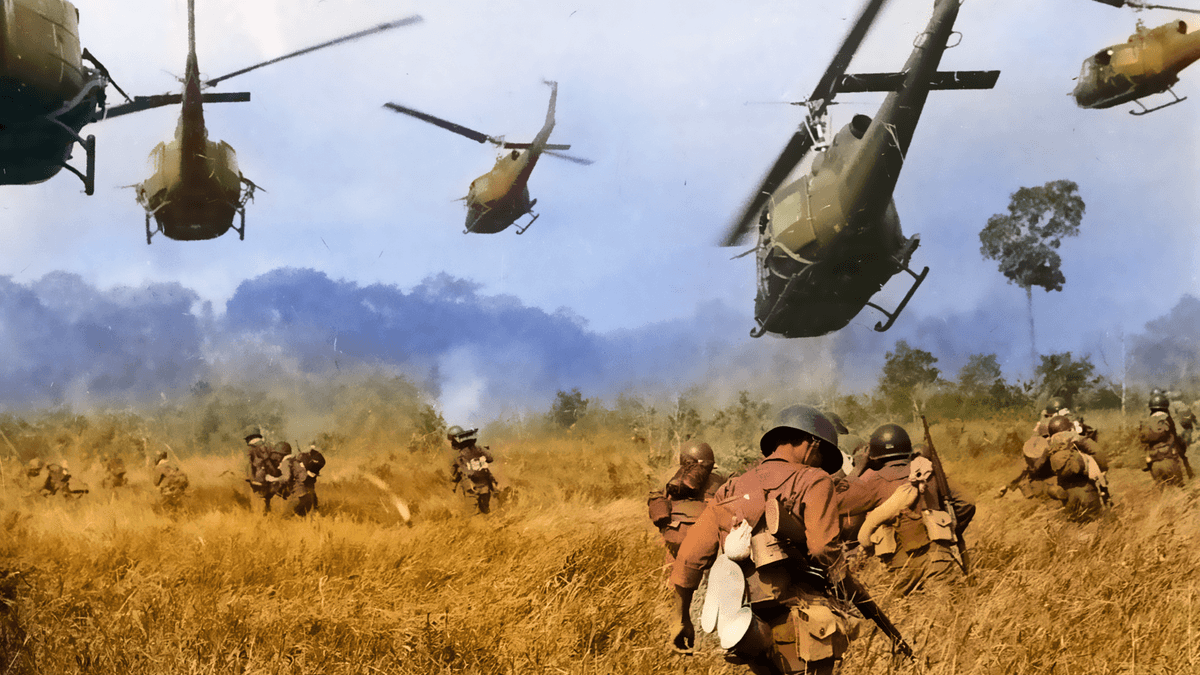
The Vietnam War: Conflict, Cold War, and Consequences
A complex war shaped by colonial history, Cold War fears, and powerful resistance—understand why the Vietnam War happened and why it still matters.
Further Reading
Stay curious!