

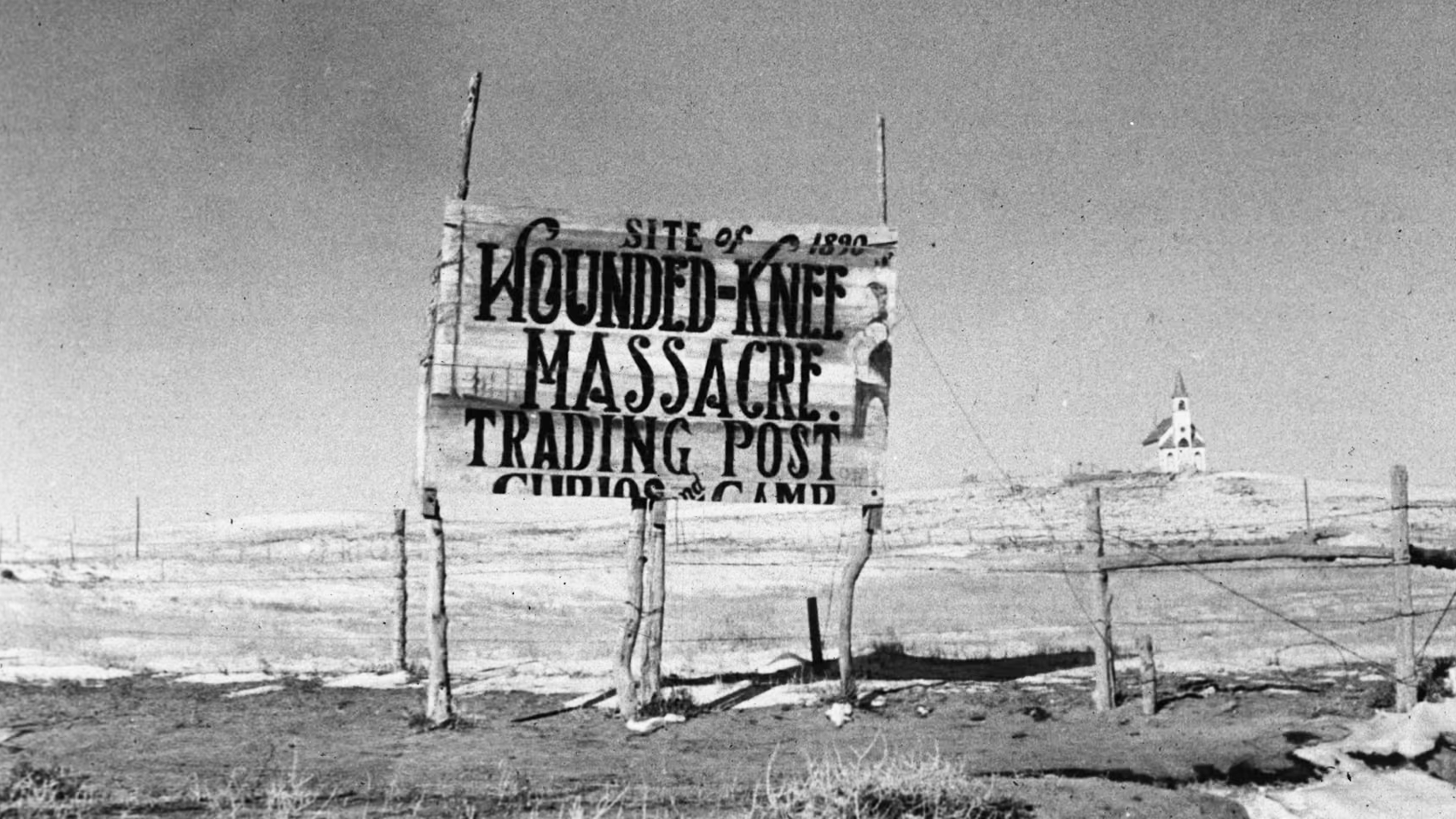
The Wounded Knee Massacre
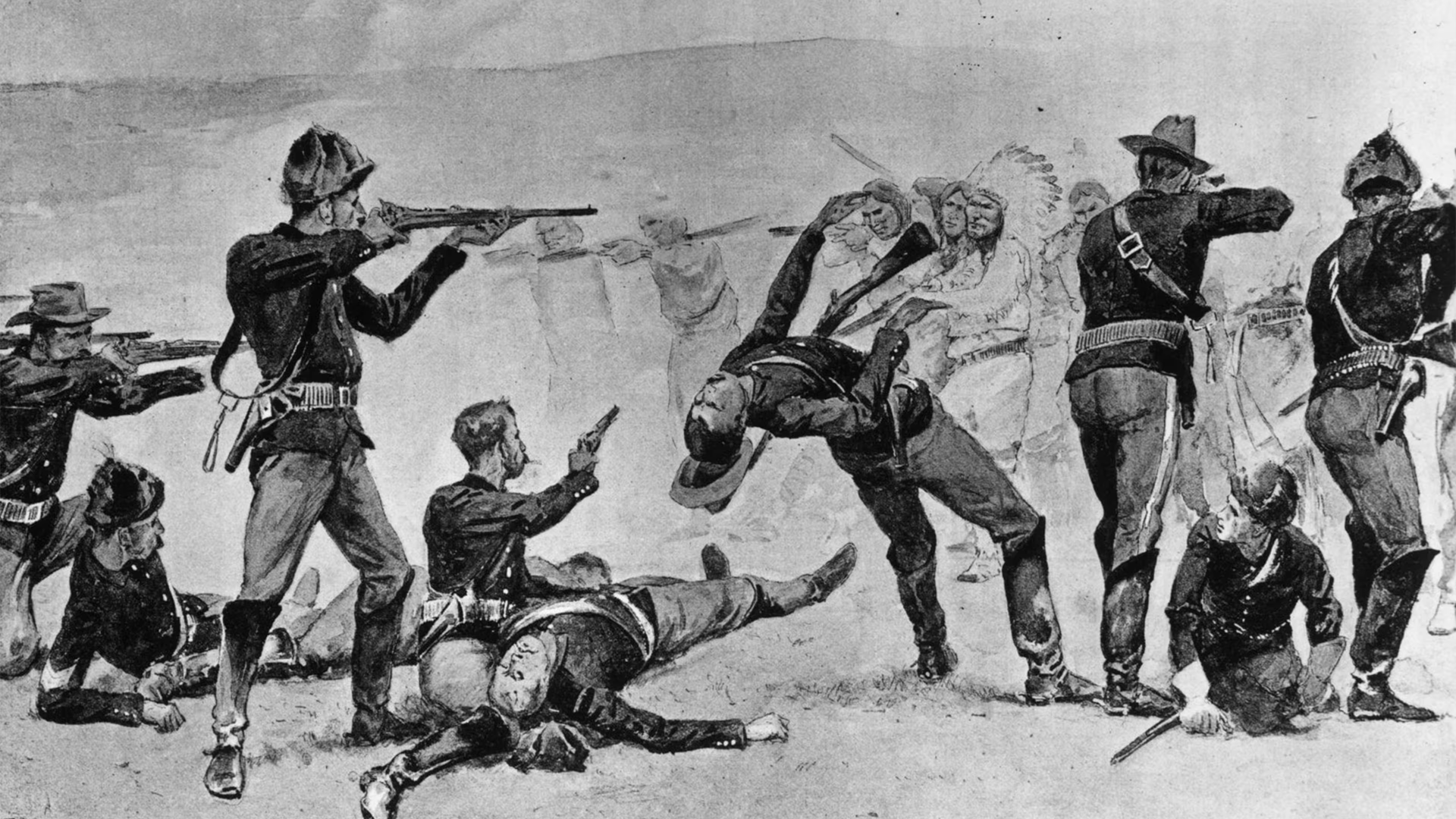
U.S. Army soldiers surrounding Lakota men, women, and children at Wounded Knee Creek on the Pine Ridge Reservation in 1890
What Happened?
By the late 1800s, the Lakota people had been forced onto reservations after decades of broken treaties, land seizures, and violent conflict with the U.S. government. Their traditional way of life had been shattered as the buffalo disappeared, food rations were cut, and federal officials pushed Native communities to abandon their languages, beliefs, and cultures.
In this atmosphere of fear and loss, a spiritual movement known as the Ghost Dance spread among many Plains tribes. The Ghost Dance taught that through prayer and ceremony, the world could be renewed, Native lands restored, and suffering brought to an end. To many Lakota, it offered hope during a time of deep hardship, but U.S. officials viewed it as a dangerous threat.
Tensions increased after the killing of the Lakota leader Sitting Bull on December 15, 1890, during a failed arrest by reservation police. News of his death spread fear across the reservations, causing groups of Lakota families to flee in search of safety. One of these groups, led by Chief Big Foot, was traveling toward the Pine Ridge Reservation when they were intercepted by the U.S. Army.
On the night of December 28, soldiers from the 7th Cavalry surrounded Big Foot’s band near Wounded Knee Creek. The Lakota had already surrendered and were cold, hungry, and exhausted. Big Foot himself was gravely ill with pneumonia. The next morning, soldiers attempted to disarm the group while Hotchkiss cannons were positioned above the camp.
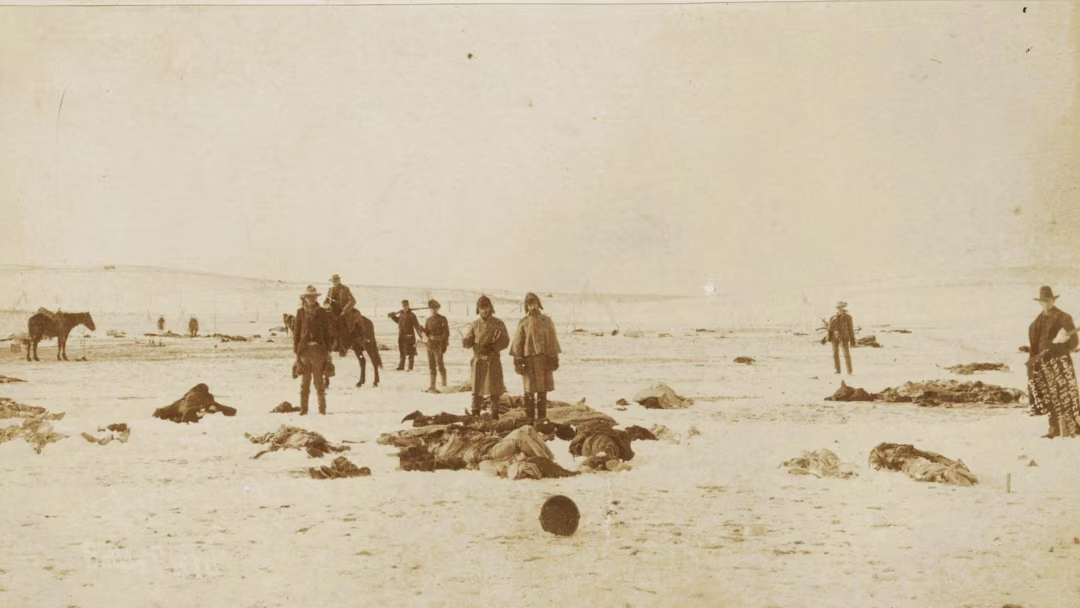
During the tense disarming process, a single gunshot rang out. What followed was chaos. Soldiers opened fire on the Lakota camp, and artillery shells tore through the area. Men were killed first, followed by women and children who tried to flee across the snow-covered fields and ravines.
By the time the shooting ended, more than 150 Lakota people were dead, with some estimates placing the number closer to 250. Nearly half were women and children. Twenty-five U.S. soldiers also died, many from friendly fire. The massacre effectively ended the Ghost Dance movement and marked the last major violent confrontation of the Indian Wars.
Wounded Knee became a powerful symbol of injustice and loss. Decades later, in 1973, Native activists returned to the site to protest ongoing mistreatment of Indigenous peoples, reminding the nation that the wounds of Wounded Knee had never fully healed.
Why It Matters
The Wounded Knee Massacre reveals how fear, racism, and broken promises led to extreme violence against Native Americans. It reminds us that U.S. history includes not only ideals of freedom, but also moments of profound injustice. Understanding Wounded Knee helps us honor those who were lost and recognize why Native sovereignty, cultural survival, and historical truth still matter today.
?
Why did the U.S. government see the Ghost Dance as a threat?
How did broken treaties contribute to the events at Wounded Knee?
Why is Wounded Knee considered a massacre rather than a battle?
How did the massacre affect Native American communities afterward?
Why is remembering events like Wounded Knee important today?
Dig Deeper
An exploration of the events leading to the Wounded Knee Massacre and the death of Sitting Bull.
A broader look at Lakota history and how U.S. expansion led to Wounded Knee.
Related
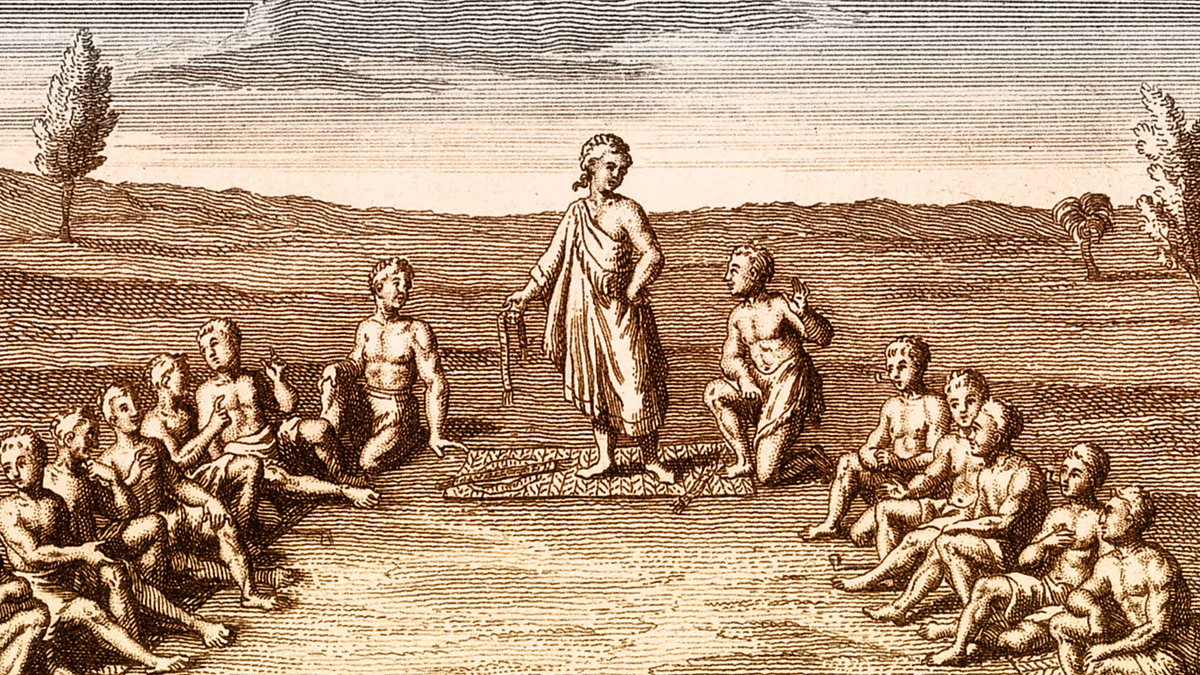
The Haudenosaunee Confederacy: Indigenous Roots of American Democracy
Long before the Founding Fathers gathered in Philadelphia, a league of Native Nations had already established one of the world’s oldest participatory democracies—an Indigenous blueprint for unity, peace, and governance.
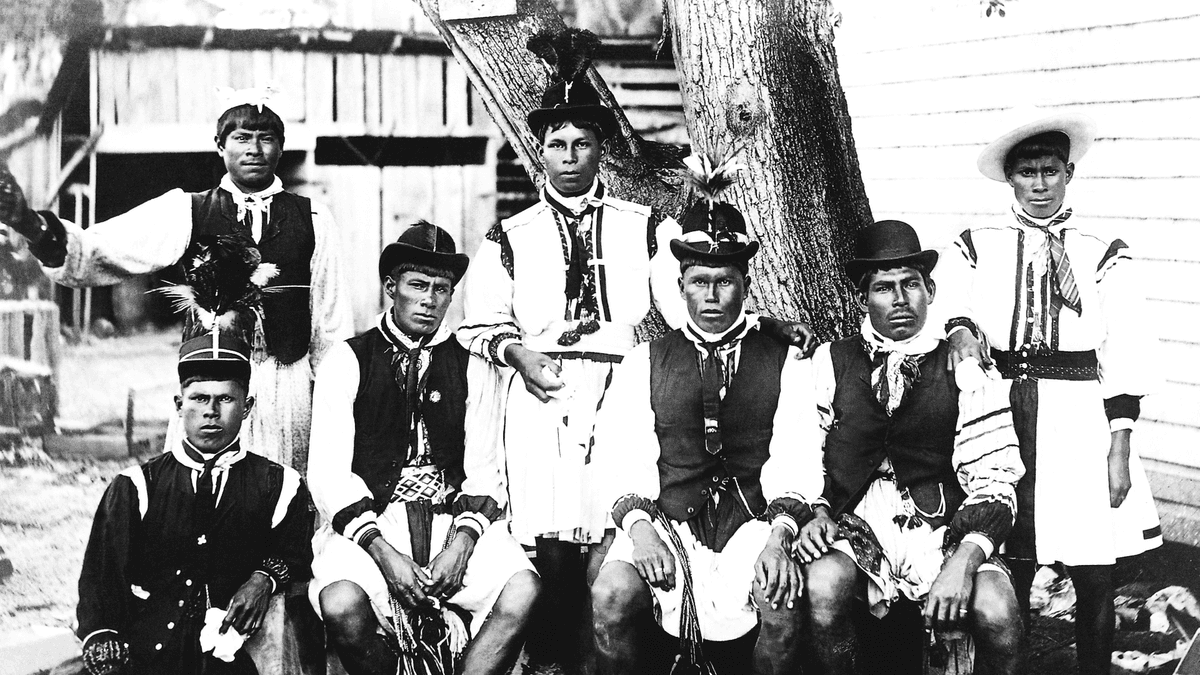
The Cape Fear & Waccamaw Siouan: Indigenous History of Southeast North Carolina
Long before the first European ships arrived at the Carolina coast, the Cape Fear River and Lake Waccamaw were home to thriving Indigenous communities.
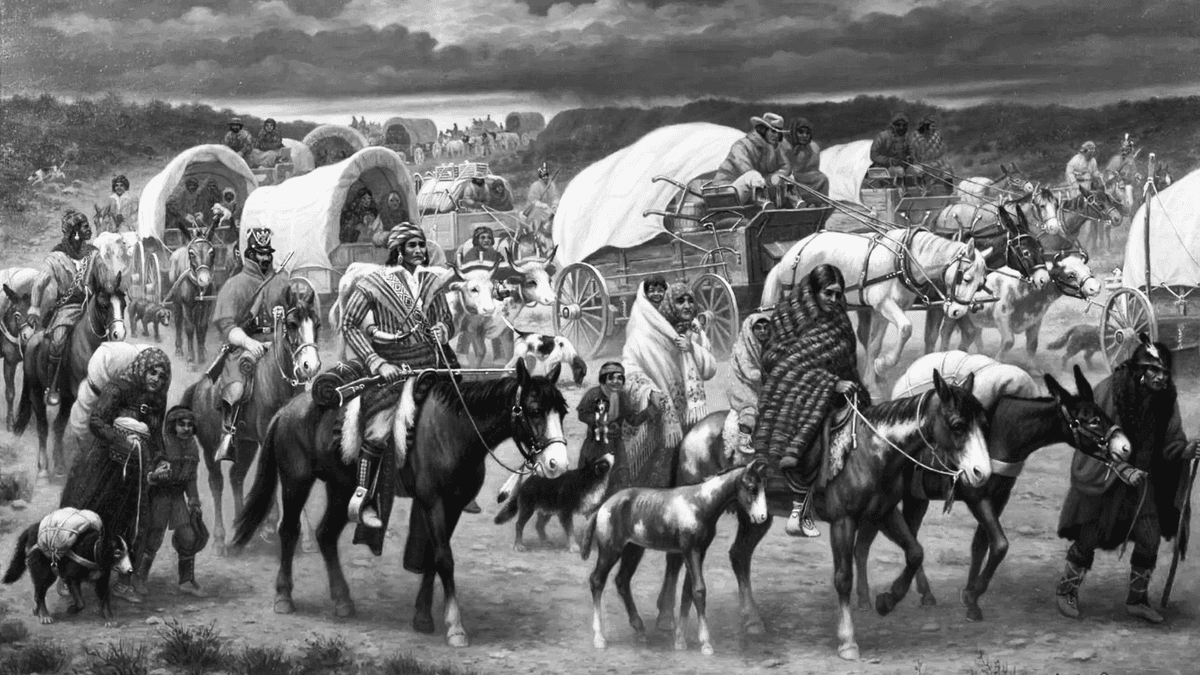
Indian Removal and the Trail of Tears
In the 1830s, the U.S. government forced thousands of Native Americans—including the Cherokee—off their ancestral lands, leading to a deadly westward march known as the Trail of Tears.
Further Reading
Stay curious!