

Ruth Bader Ginsburg
Biography
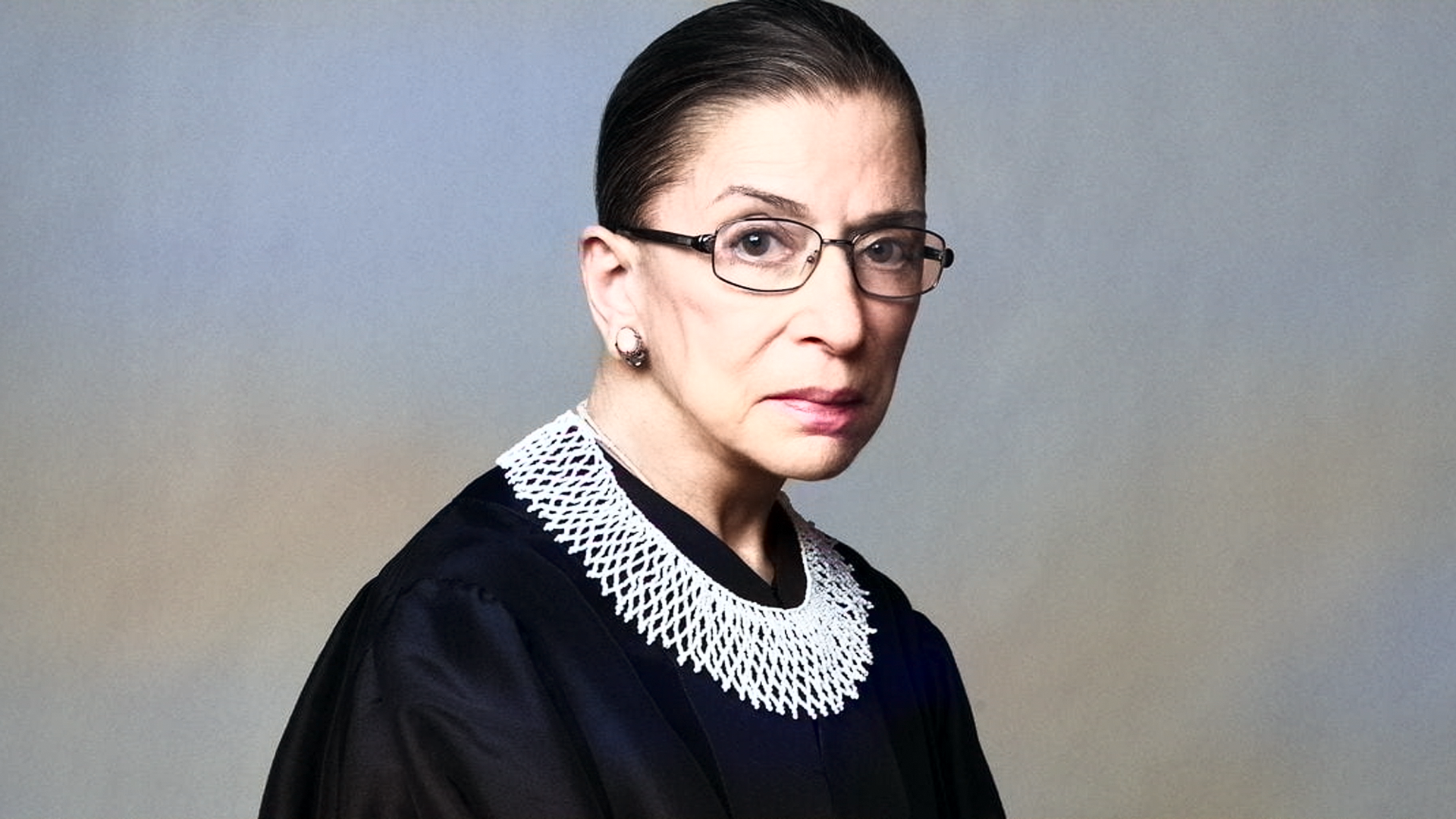
Ruth Bader Ginsburg believed that real change happens step by step. She spent her life working to make the law fairer for everyone. Known affectionately by many as “R.B.G.”, she became one of the most respected justices on the Supreme Court and a symbol of courage for people who believed in justice and equality. Her story shows how determination, education, and courage can help change a nation.
Ruth Bader Ginsburg was born on March 15, 1933, in Brooklyn, New York. Her parents valued education and encouraged her curiosity from an early age. Her mother, Celia, especially inspired Ruth to love learning and to believe in independence. Sadly, her mother died the day before Ruth graduated from high school, but the lessons she taught Ruth stayed with her for the rest of her life.
Ruth went on to study at Cornell University, where she graduated near the top of her class in 1954. While at Cornell, she met a fellow student named Martin Ginsburg. The two soon married and would become lifelong partners who supported each other’s ambitions. After college, Ruth began studying law at Harvard Law School. At the time, very few women were allowed into top law schools. In her class of about 500 students, only nine were women. Some professors even asked the women to explain why they deserved a place that could have gone to a man.
Despite these challenges, Ruth excelled. She worked incredibly hard while also raising a young daughter and helping care for her husband when he became seriously ill. Later she transferred to Columbia Law School, where she graduated first in her class in 1959. Even with these achievements, many law firms refused to hire her simply because she was a woman. Instead of giving up, Ruth began teaching law and looking for ways to challenge unfair laws.
In the 1970s, Ginsburg became one of the country’s most important lawyers fighting gender discrimination. She helped create the Women’s Rights Project at the American Civil Liberties Union. Through this work, she argued several important cases before the Supreme Court of the United States. Many of these cases focused on laws that treated men and women differently. By carefully choosing cases and explaining why the laws were unfair, she helped convince the Court that the Constitution protects women and men equally.
In 1980, President Jimmy Carter appointed Ginsburg to serve on the U.S. Court of Appeals in Washington, D.C. Thirteen years later, President Bill Clinton nominated her to the Supreme Court. In 1993 she officially became a justice, making history as the second woman—and the first Jewish woman—to serve on the nation’s highest court.
As a Supreme Court justice, Ginsburg continued her lifelong work for equality. In the case United States v. Virginia (1996), she wrote the Court’s decision that women could not be denied admission to the Virginia Military Institute simply because they were women. In other cases, she wrote powerful dissents when she believed the Court had made the wrong decision. One of her most famous dissents helped inspire Congress to pass the Lilly Ledbetter Fair Pay Act, which strengthened protections against pay discrimination.
Ginsburg became known for her careful thinking, her strong work ethic, and her belief that change takes patience. She once said, “Real change, enduring change, happens one step at a time.” Even while battling serious illnesses later in life, she rarely missed a day of work and continued to participate fully in Supreme Court decisions.
Ruth Bader Ginsburg died on September 18, 2020, but her legacy continues to shape the country. She showed that justice often advances slowly, through persistence and courage. By challenging unfair laws and opening doors for women in the legal profession, she helped build a more equal society. Her life reminds us that when people use their talents to stand up for fairness, they can help repair the world and leave it better than they found it.
Ruth Bader Ginsburg’s work helped change the way the law treats men and women. Before her efforts, many laws assumed women should have fewer opportunities or different roles in society. Through careful legal arguments and years of dedication, she helped show that equality under the law must apply to everyone. Her influence can be seen in workplace protections, education opportunities, and countless legal decisions that recognize equal rights. Ginsburg’s life also teaches a deeper lesson about democracy: meaningful change often takes patience, courage, and persistence. By steadily challenging unfair laws and encouraging lawmakers to do better, she helped strengthen the promise of justice in America. Her legacy reminds us that each generation has a responsibility to improve the systems it inherits.
?
Dig Deeper
Learn about the remarkable life and career of Supreme Court Justice Ruth Bader Ginsburg.
Discover how Ruth Bader Ginsburg became an unlikely cultural icon and a powerful symbol of equality.
A reflection on the life and legacy of one of the most influential justices in modern American history.
Discover more
Eleanor Roosevelt
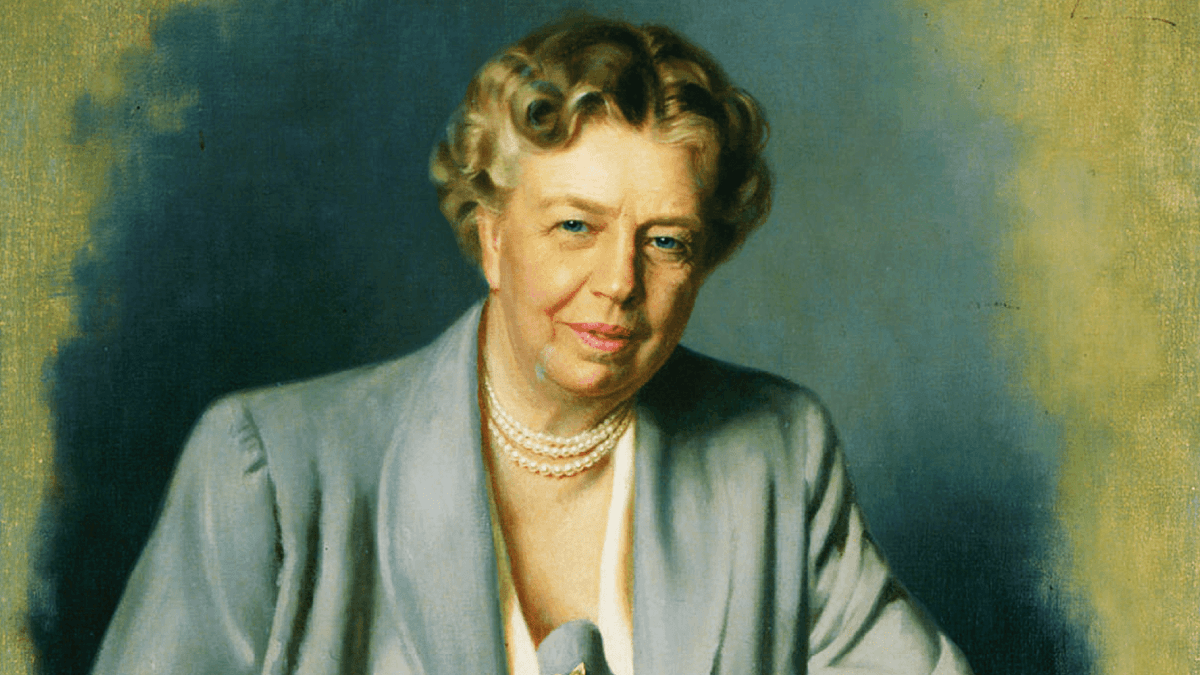
Eleanor Roosevelt transformed the role of First Lady into one of activism, journalism, diplomacy, and fearless advocacy.
Jane Addams
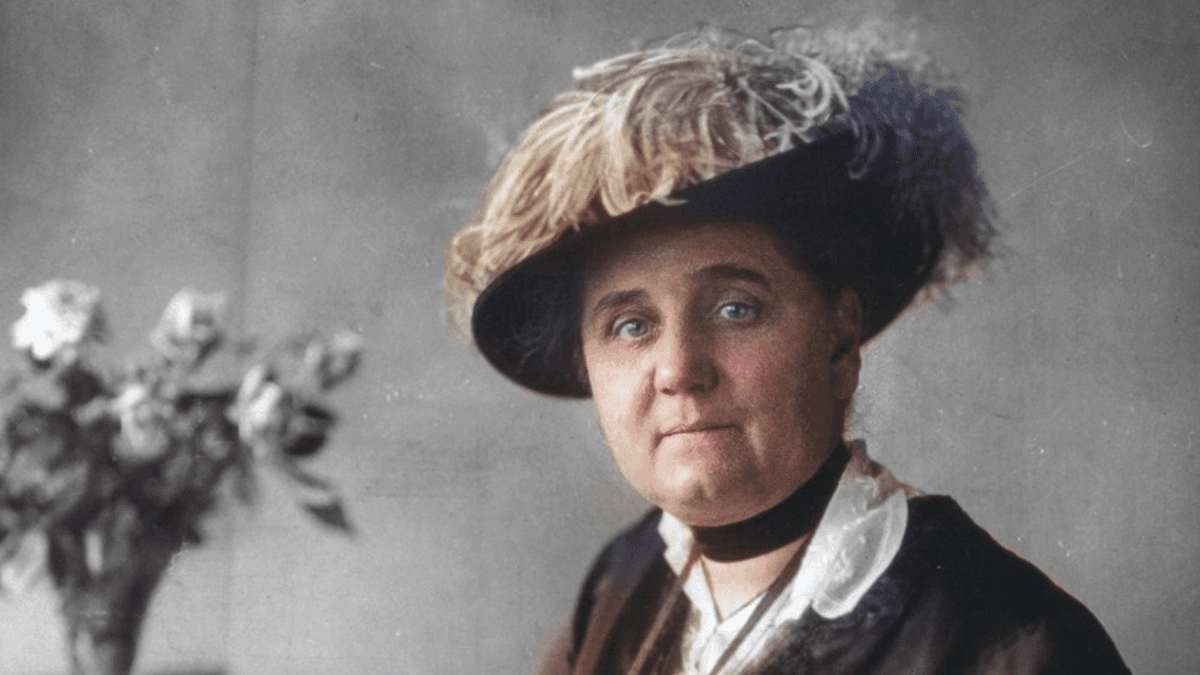
Jane Addams was a pioneering social reformer and peace activist who believed communities grow stronger when people care for one another.
Abigail Adams
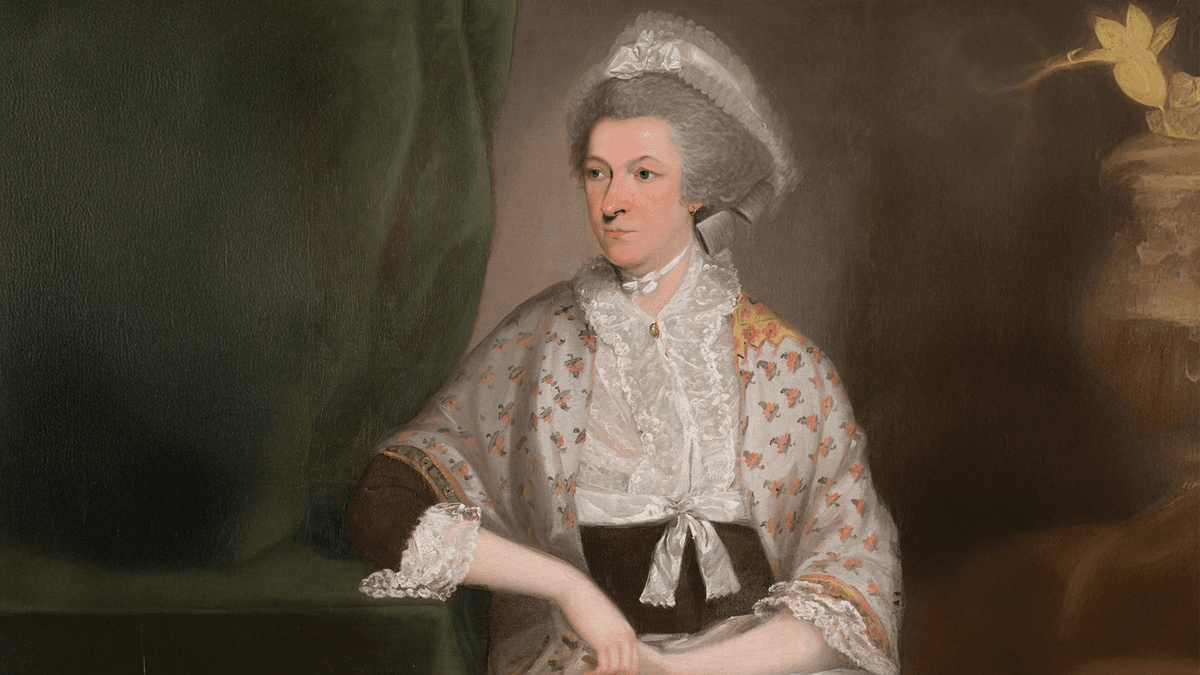
Abigail Adams was an early voice for women’s rights, a trusted political advisor to President John Adams, and one of the most thoughtful minds of the American founding era.
Further Reading

Stay curious!