

Abigail Adams
Biography
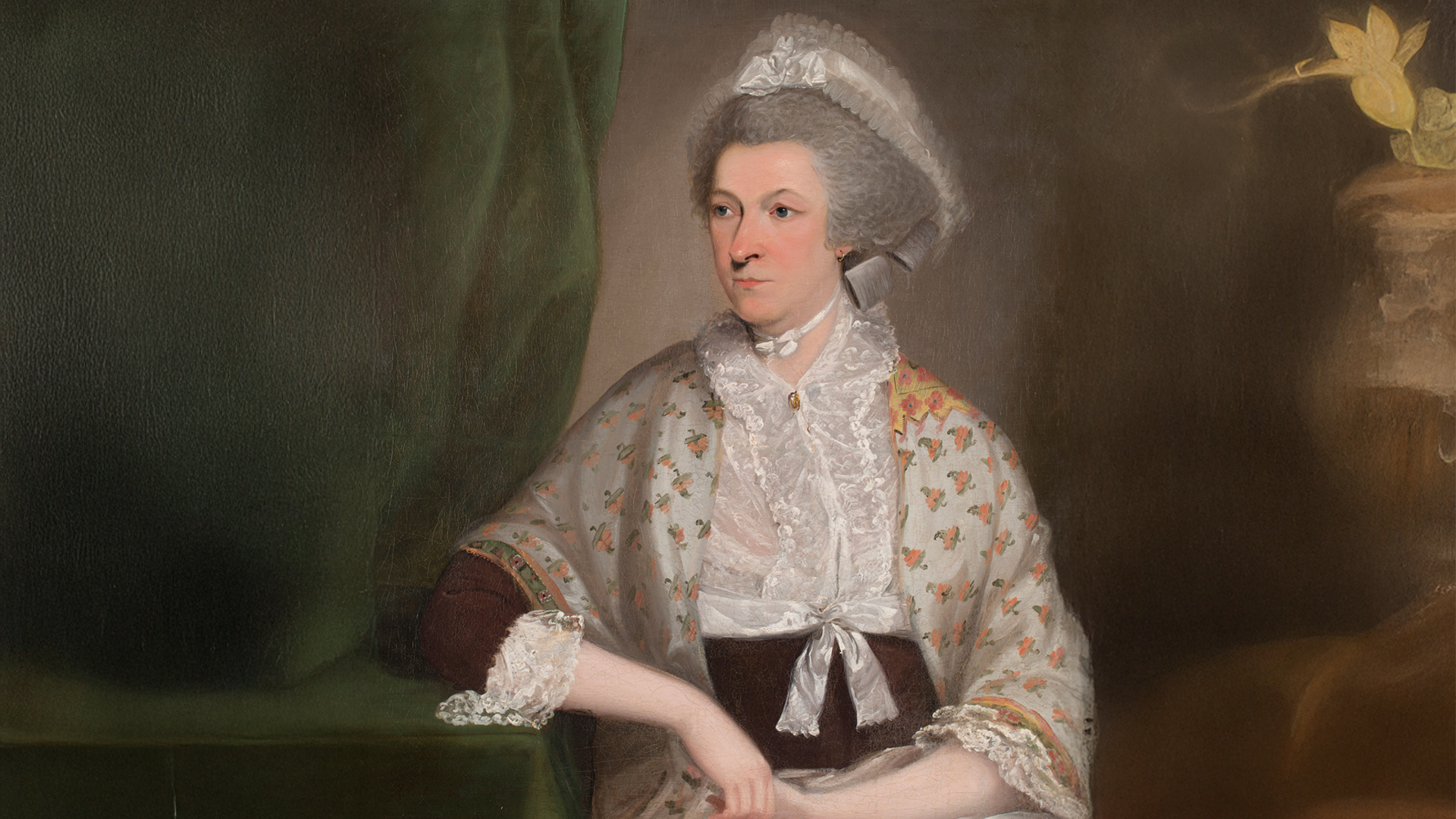
Abigail Adams was one of the most thoughtful and influential women of America’s founding era. Although she never held public office, her ideas and courage helped shape the young nation. She is often called a “Founding Mother” because she supported the American Revolution, advised her husband John Adams, and spoke boldly about the rights of women and the injustice of slavery. At a time when women were rarely heard in politics, Abigail Adams made sure her voice mattered.
She was born Abigail Smith on November 11, 1744, in Weymouth, Massachusetts. Her father was a minister, and her family valued learning and curiosity. Girls in the eighteenth century were usually not allowed to attend school the way boys were, but Abigail refused to let that stop her. She educated herself by reading books from her father’s library and studying subjects such as history, philosophy, and literature. This love of learning shaped the way she saw the world and later influenced her strong belief that women deserved better access to education.
In 1764, Abigail married a young lawyer named John Adams. Their marriage became one of the most important partnerships in American history. The couple had five children and built their home in Massachusetts. When John began traveling for his political work, Abigail managed the farm, raised their children, and handled family finances on her own. She proved that women were capable of leadership and responsibility, even though the law gave most power to men.
During the years leading up to the American Revolution, John Adams often traveled to Philadelphia to help lead the colonies. While he was away, Abigail wrote him many letters. These letters became famous because they reveal what life was like during the Revolution and show how deeply Abigail thought about politics and justice. In 1776, as the Founding Fathers debated independence and new laws for the country, Abigail sent John one of the most famous messages in American history. She urged him and the other leaders to think about women when building the new government. She wrote: “Remember the Ladies, and be more generous and favourable to them than your ancestors. Do not put such unlimited power into the hands of the Husbands. Remember all Men would be tyrants if they could.” Her words were bold and ahead of their time, calling for fairness and protection for women.
Abigail Adams also believed strongly in freedom and human dignity. She opposed slavery and believed that the new nation should live up to its ideals of liberty. At the same time, she argued that women should be educated so they could raise thoughtful and responsible citizens. Her ideas were unusual in the eighteenth century, but they showed how deeply she believed in equality and moral responsibility.
After the American Revolution, John Adams served the new nation in several important roles. He was a diplomat in Europe, the first vice president of the United States, and later the second president. During these years Abigail continued to advise him through letters and conversations. Many people noticed her influence and even jokingly called her “Mrs. President.” In 1797, when John Adams became president, Abigail became the nation’s First Lady. In 1800, she and her husband moved into the newly built White House in Washington, D.C., becoming the first presidential family to live there.
Later in life, Abigail returned with John to their home in Massachusetts. She remained interested in politics and continued writing letters to friends and leaders across the country. She watched proudly as her son John Quincy Adams built his own political career, though she would not live to see him become president. Abigail Adams died on October 28, 1818, at the age of seventy-three.
Abigail Adams left behind more than letters and memories. She left a powerful example of courage, intelligence, and moral conviction. She believed that a nation built on freedom should treat all people with fairness and dignity. Her famous request to “remember the ladies” reminds us that democracy must continue to grow and include more voices over time. Abigail Adams helped plant the early seeds of equality in the United States, and her ideas continue to inspire people who believe that justice should belong to everyone.
?
Dig Deeper
Learn about Abigail Adams and her influence on early American politics and women’s rights.
Discover more
John Adams
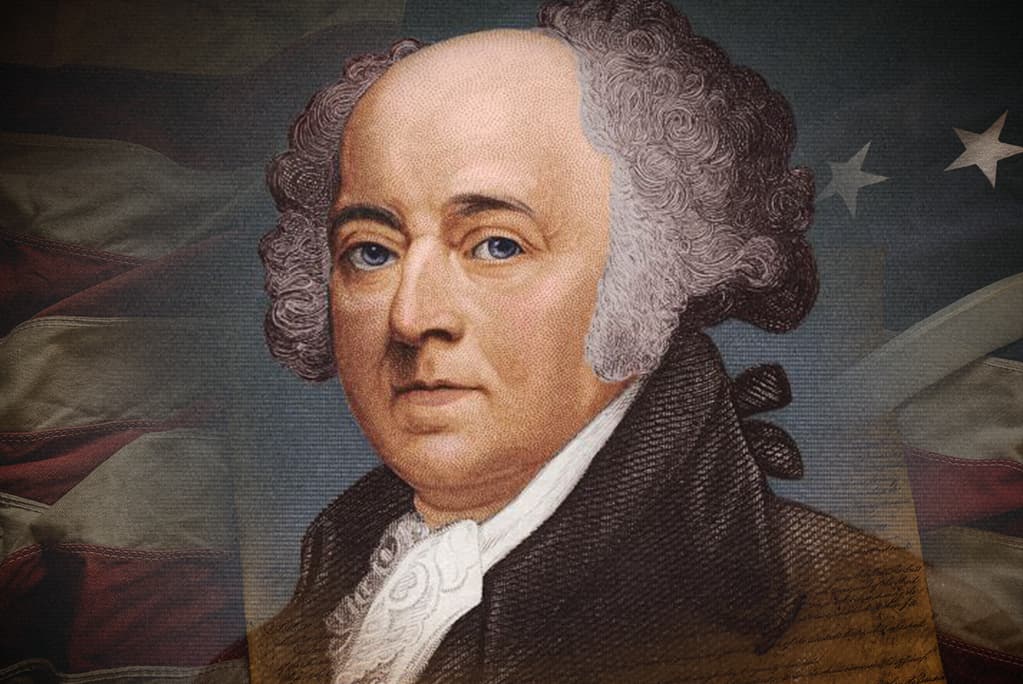
As a lawyer, diplomat, political philosopher, and the second President of the United States, John Adams helped shape the very idea of American liberty.
Eleanor Roosevelt
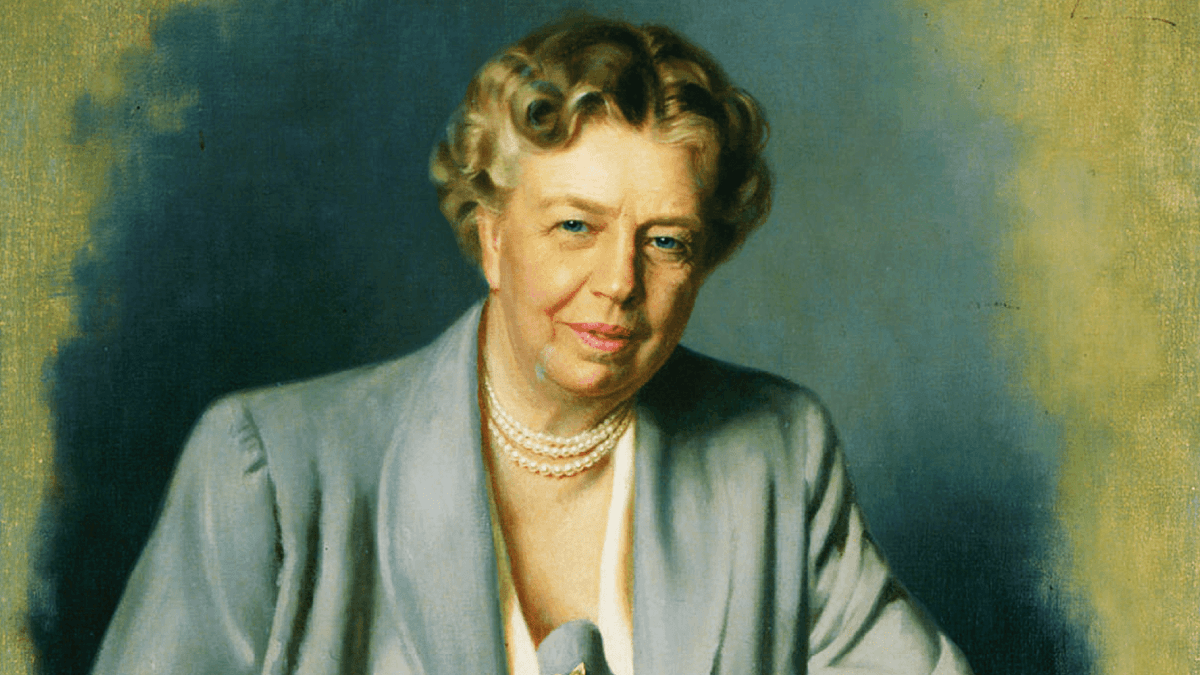
Eleanor Roosevelt transformed the role of First Lady into one of activism, journalism, diplomacy, and fearless advocacy.
Benjamin Franklin
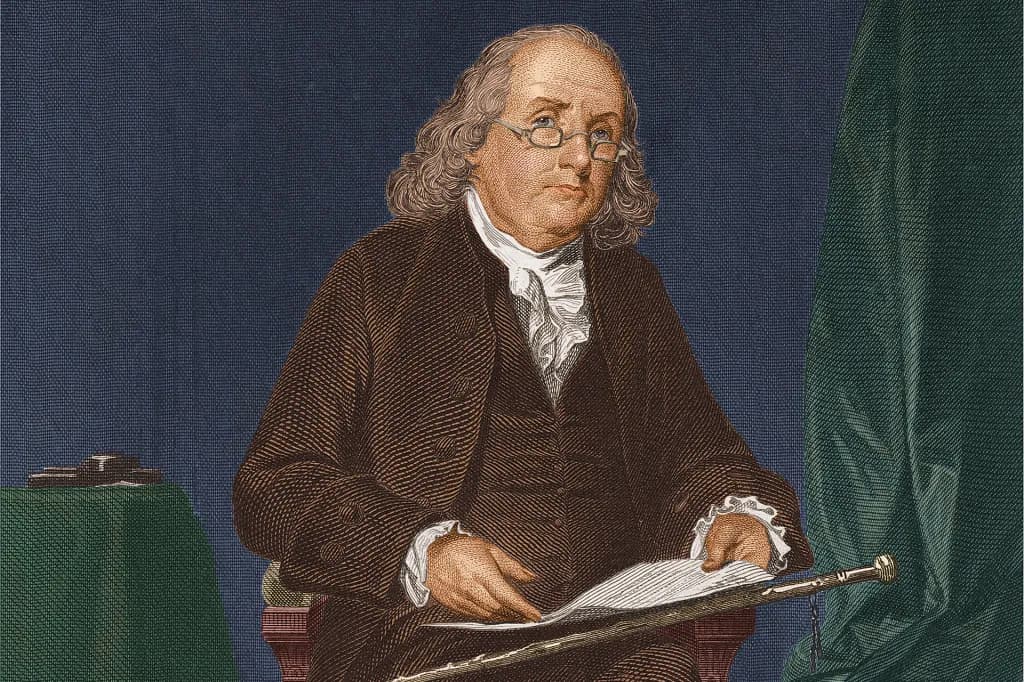
Printer, publisher, scientist, inventor, diplomat, and philosopher, Benjamin Franklin shaped nearly every aspect of early American life.
Further Reading

Stay curious!