

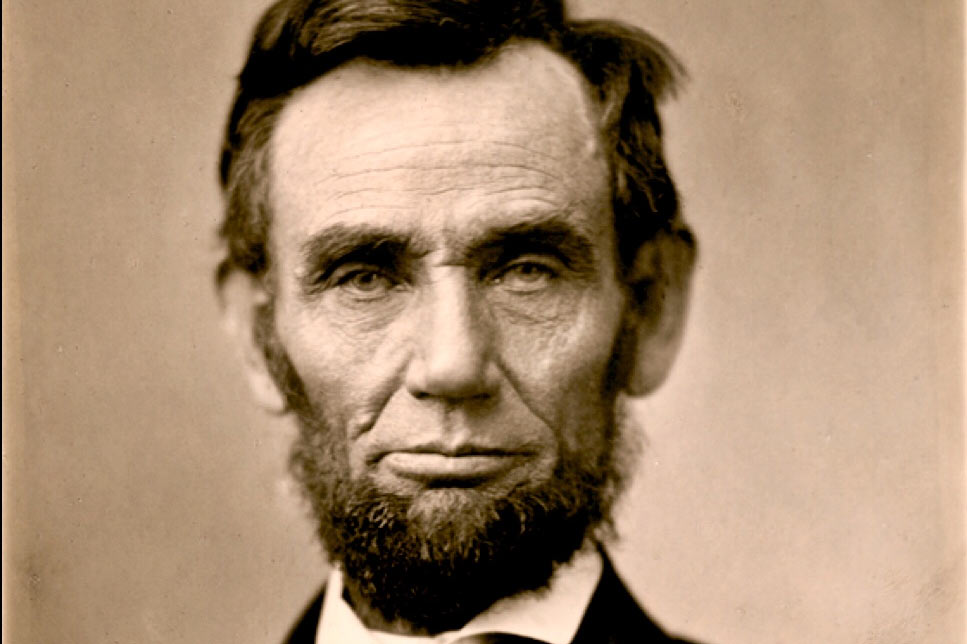
Abraham Lincoln
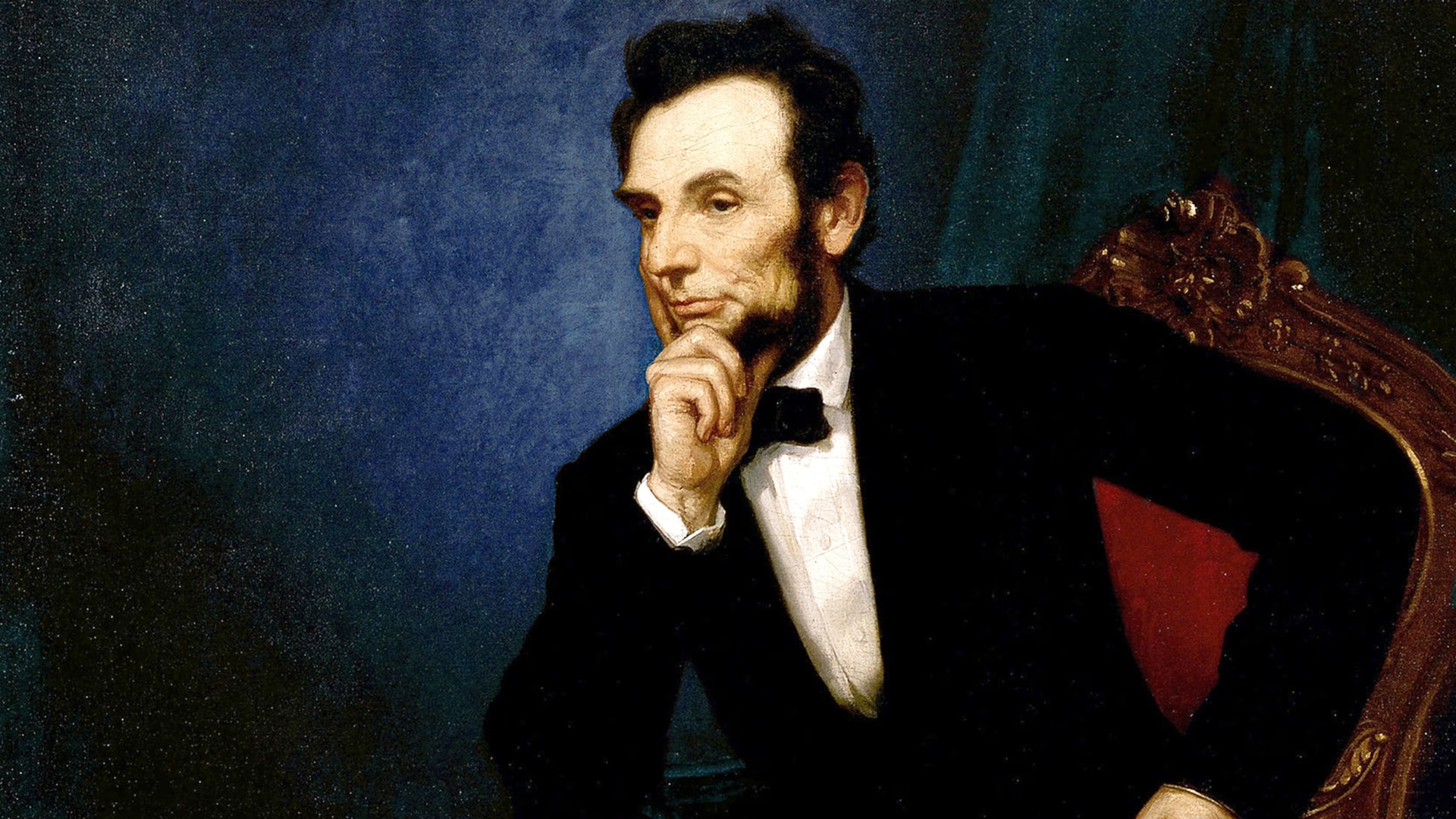
Lincoln preserved the Union, issued the Emancipation Proclamation, expanded presidential leadership, and redefined the nation’s purpose around equality and democracy.
Biography
Abraham Lincoln’s story begins in the rough woods of Kentucky and Indiana, where he grew up surrounded by poverty, loss, and the constant demands of frontier survival. His mother died when he was nine, and his sister passed away when he was a teenager. His father was stern and emotionally distant, regarding Lincoln’s love of reading as laziness. The boy who would one day write and speak with unmatched clarity had only a year of formal schooling. Lincoln’s early life was defined by grief, isolation, and long stretches of self-taught learning by firelight. Out of this environment came a mind shaped by curiosity, a heart shaped by sorrow, and a character strengthened by adversity.
As a young man, Lincoln worked wherever he could—splitting rails, clerking in a general store, serving briefly in the Black Hawk War, and eventually teaching himself law. His ambition, according to a law partner, was “a little engine that knew no rest.” In 1858, he debated Senator Stephen Douglas and lost that race, but his clear arguments against the expansion of slavery gave him a national reputation. Two years later, he won the presidency in a deeply divided nation. Southern states responded to his election by seceding from the Union, convinced that Lincoln threatened their way of life. Lincoln, however, insisted that secession was illegal and that he was sworn to preserve, protect, and defend the Constitution—even if doing so meant confronting rebellion.
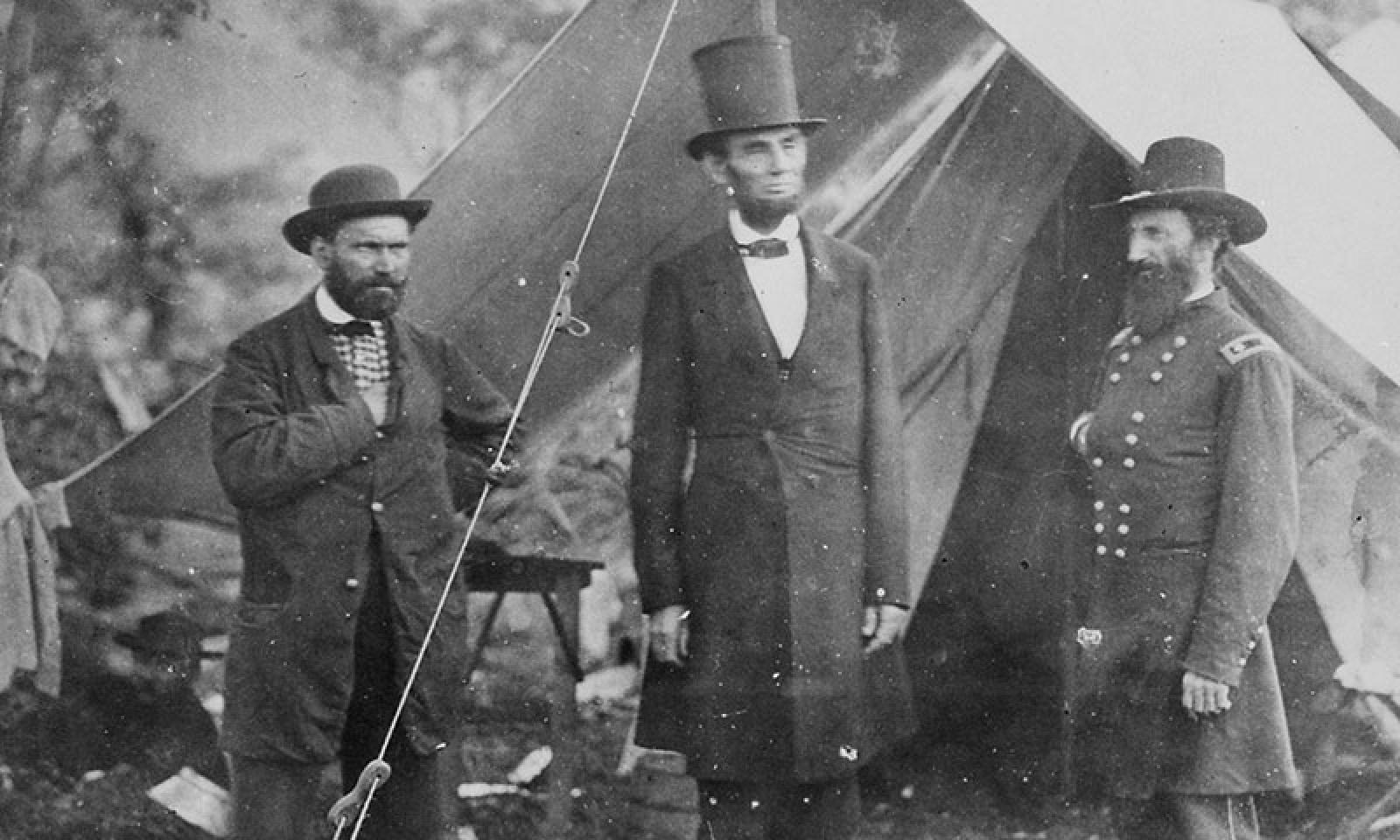
When Confederate forces fired on Fort Sumter in April 1861, Lincoln called for 75,000 volunteers, igniting the Civil War. Eleven states formed the Confederacy, while four slaveholding Border States remained in the Union. As president, Lincoln grew into the role with remarkable speed. He used executive power more boldly than any president before him, blockading Southern ports, suspending habeas corpus in certain regions, expanding the military, authorizing arrests of suspected traitors, and taking actions he believed were necessary to save the nation. Lincoln later acknowledged that he stretched constitutional limits, arguing that preserving the nation took precedence over preserving every clause of the Constitution during a moment of existential crisis.
On January 1, 1863, Lincoln issued the Emancipation Proclamation, declaring enslaved people in Confederate-controlled states to be free. Though limited in immediate reach, the proclamation changed the heart of the war. The Union was no longer fighting solely to restore the Union; it was fighting for human freedom. It also allowed African Americans to enlist, and by war’s end more than 200,000 Black soldiers and sailors had contributed to the cause. Lincoln’s leadership reframed the conflict as a struggle not just for territory, but for the nation’s soul.
Lincoln’s Gettysburg Address, delivered in just 272 words, reminded the nation that the Civil War was a test of whether a government “of the people, by the people, for the people” could endure. He challenged the country to ensure that the sacrifices of the fallen would lead to “a new birth of freedom.” His words became a moral compass for the nation, linking the Union cause to universal principles of liberty and democratic self-government.
Despite facing fierce criticism throughout his first term, Lincoln won reelection in 1864 as Union victories turned the tide of the war. His Second Inaugural Address, now carved into stone at the Lincoln Memorial, called for healing rather than vengeance: “With malice toward none; with charity for all.” This was not naive optimism. Lincoln was a man who lived with lifelong depression, who buried two sons, who absorbed the hatred of half the country, and who often walked through the night under the weight of a war that consumed hundreds of thousands of lives. His hope was not a feeling; it was a deliberate act of courage. He chose to meet darkness with compassion and responsibility rather than bitterness.
On April 14, 1865, just days after the surrender at Appomattox, Lincoln was assassinated by John Wilkes Booth at Ford’s Theatre. His death shocked the nation and instantly transformed him into a symbol of sacrifice, unity, and moral leadership. Historians today consistently rank him as the greatest American president because he led with integrity, emotional resilience, strategic brilliance, and an unwavering commitment to democracy. Lincoln preserved the Union, destroyed the institution of slavery, expanded the moral purpose of the American experiment, and proved that leadership can be both strong and deeply humane.
Lincoln’s life demonstrates how extraordinary leadership can grow from ordinary beginnings. His hardships forged empathy. His grief shaped wisdom. His struggles with depression deepened his sense of responsibility to others. In the face of national collapse, he chose courage, patience, and hope as deliberate practices. His legacy continues to remind us that democracy survives when citizens choose compassion over contempt and responsibility over resentment. The work of “binding up the nation’s wounds” is ours now.
Abraham Lincoln proved that leadership anchored in humility, integrity, and moral courage can reshape the destiny of a nation. He guided the United States through its most dangerous crisis, preserved the Union, and set the country on a path toward eliminating slavery. His willingness to endure criticism, sorrow, and unimaginable pressure for the sake of the nation offers a timeless model of democratic responsibility. Lincoln demonstrates that hope is not passive optimism but a deliberate choice to act with courage, compassion, and clarity even when circumstances feel bleak. His life challenges us to meet our own moment with the same steady resolve. To do our part in healing divisions, expanding justice, and safeguarding a democracy that depends on every generation’s commitment to its ideals.
?
How did Lincoln’s difficult childhood shape his character and leadership?
Why did Lincoln believe the Union must be preserved at all costs?
What made the Emancipation Proclamation such a transformative document?
How did Lincoln expand the powers of the presidency during the Civil War?
Why is the Gettysburg Address still considered one of the most important speeches in American history?
What does Lincoln’s approach to hope and hardship teach us about resilience?
How can we apply Lincoln’s call for “malice toward none, charity for all” to our world today?
Dig Deeper
Here's everything you need to know about Abraham Lincoln, the sixteenth President of the United States, in just 60 seconds.
Abraham Lincoln is largely considered one of the greatest presidents this country has ever seen. In Abraham Lincoln for Kids, you will learn so many wonderful things about this great president. For instance, did you know he was such a good wrestler that he is honored at the National Wrestling Hall of Fame?
Abraham Lincoln (February 12, 1809 to April 15, 1865) was the 16th president of the United States and is regarded as one of America's greatest heroes due to his role as savior of the Union and emancipator of the slaves.
Discover more
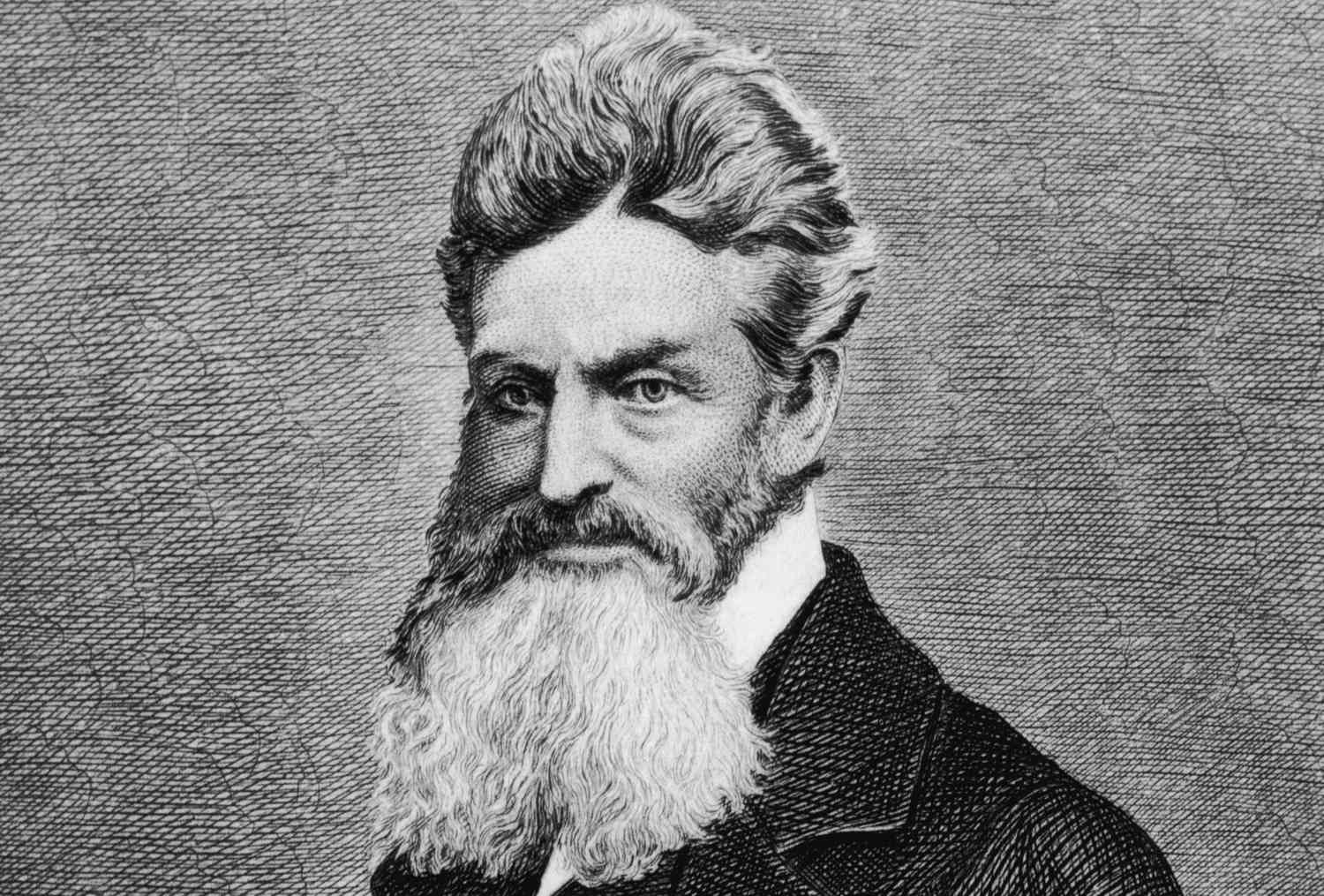
John Brown
John Brown was a radical abolitionist who believed that slavery would never end unless confronted with violence.
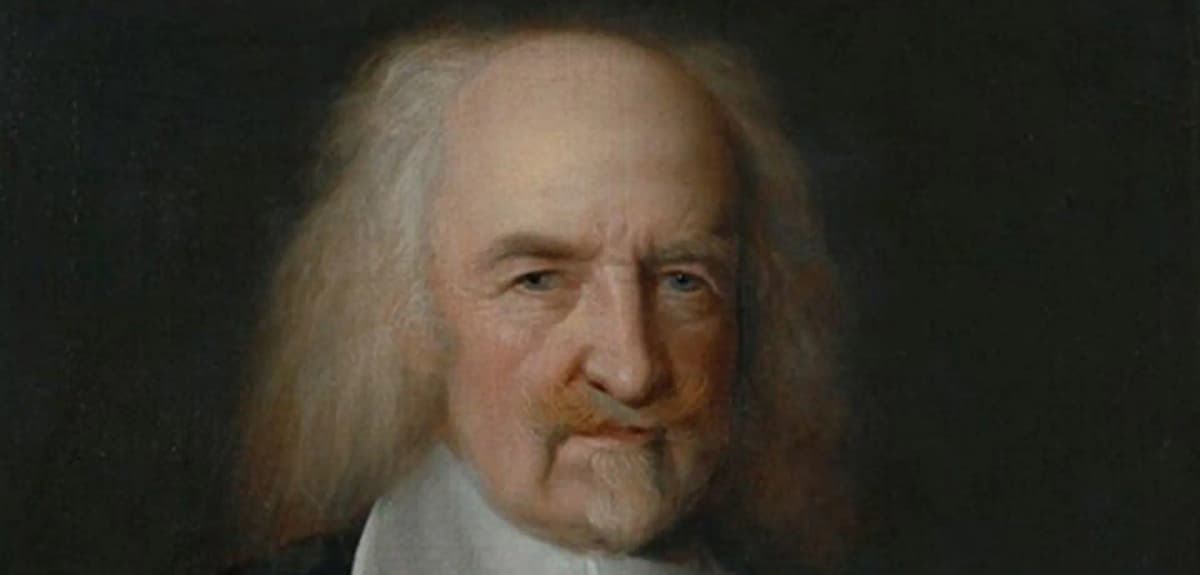
Thomas Hobbes
Thomas Hobbes was a 17th-century English philosopher whose brutal honesty about human nature helped shape the foundations of modern political thought.
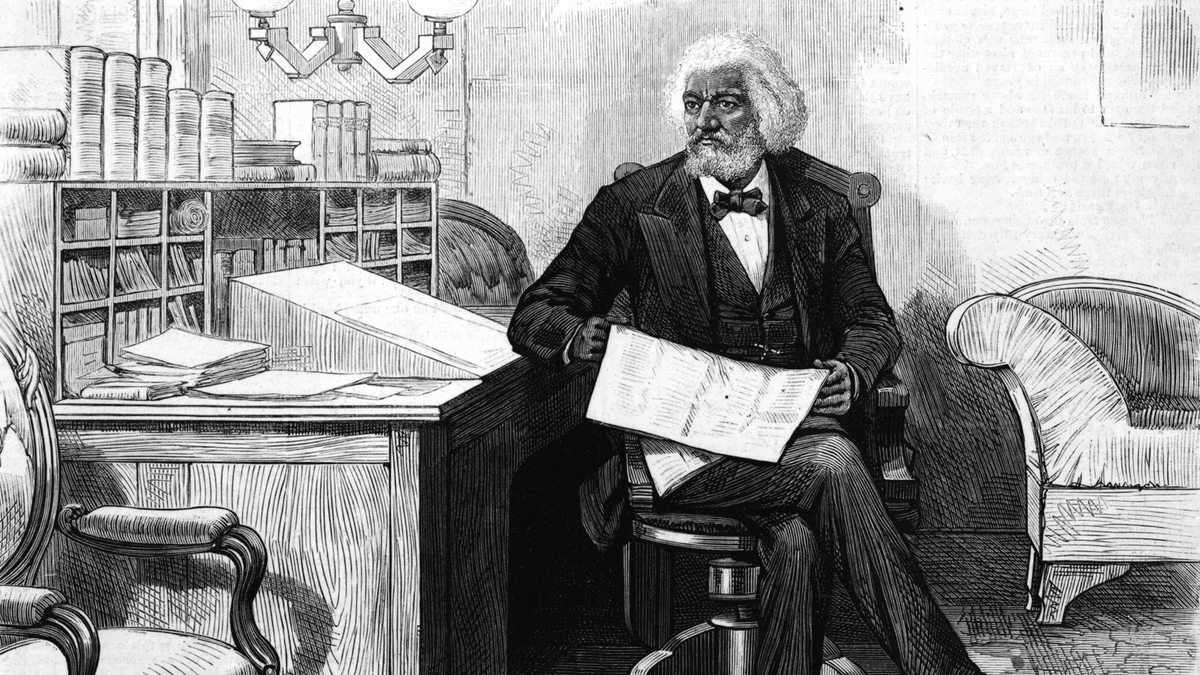
Frederick Douglass
Frederick Douglass was born into slavery and became one of the most powerful voices for freedom, equality, and civil rights in American history.
Further Reading
Stay curious!