

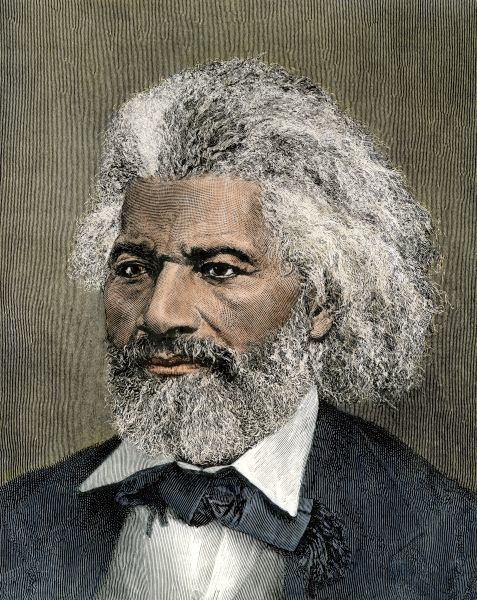
Frederick Douglass
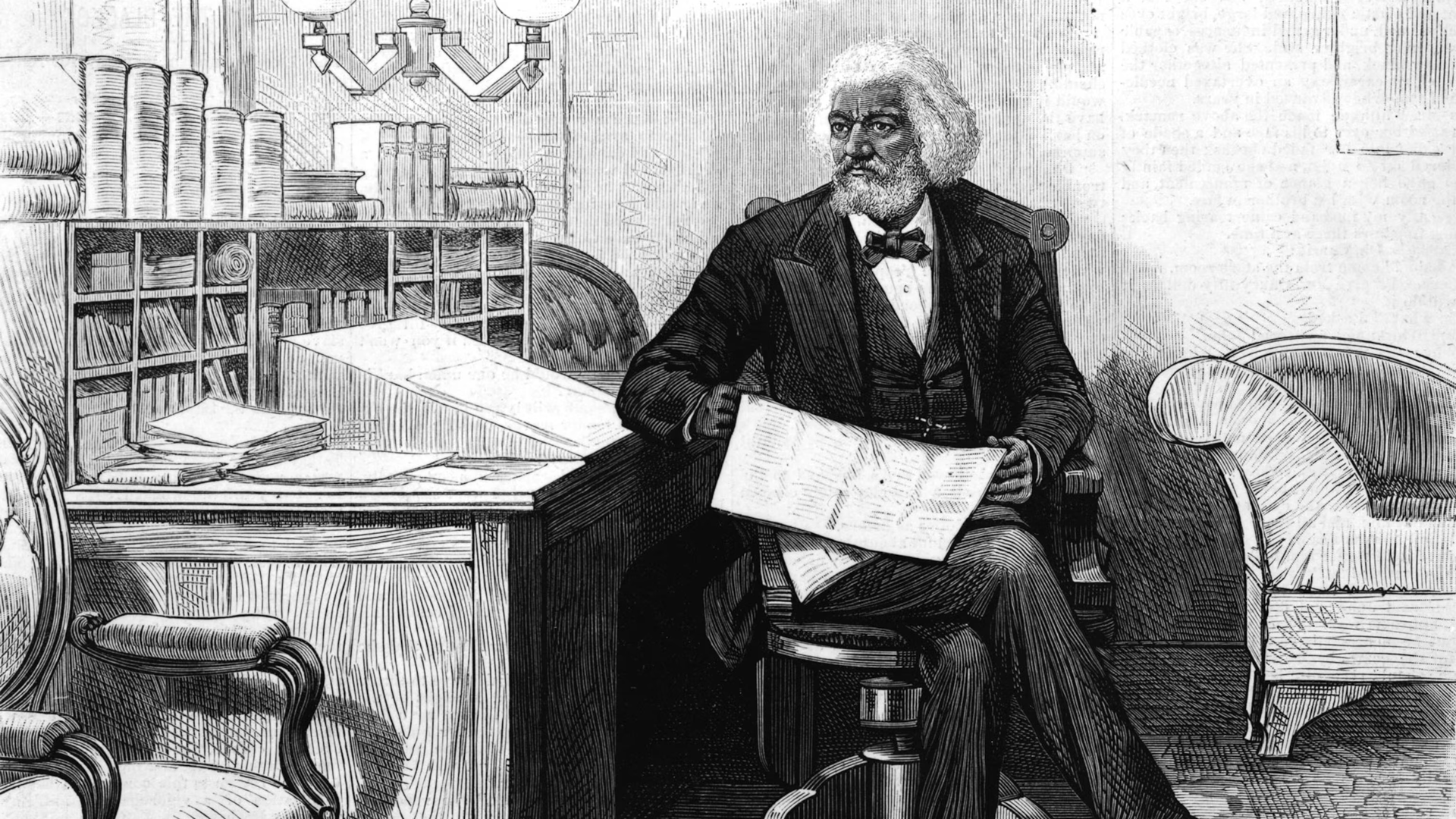
Biography
Frederick Douglass was born into slavery in Maryland in 1818. He didn't know his exact birthday. He didn't know his father. He barely knew his mother. From the very beginning, his life was shaped by injustice. But even as a young boy, Frederick sensed that freedom was possible. Once he understood that, nothing could stop him from chasing it.
When Frederick was about eight years old, he was sent to live with a family in Baltimore. The wife of his enslaver, Sophia Auld, began teaching him the alphabet. But her husband quickly stopped the lessons. He warned her that if an enslaved person learned to read, he would “no longer be easy to control.“ Frederick heard what the man said and in that moment, he understood something life-changing: education was the pathway to freedom.
Even though it was illegal to teach enslaved people to read, Frederick secretly taught himself. He traded bread for reading lessons with white children in the streets. He studied every book he could find. One book, The Columbian Orator, filled his mind with speeches about liberty and human rights. The more he learned, the more he understood that slavery was wrong.
As a teenager, Frederick was sent back to work on a plantation under a cruel slaveholder who tried to break his spirit. He was beaten and treated brutally. But one day, Frederick fought back. He physically resisted the man who was abusing him. Later, he said that fight changed him forever. He might still have been enslaved in body, but in his heart, he no longer felt like a slave. He had reclaimed his sense of dignity.
In 1838, at just twenty years old, Frederick made a daring escape. Disguised as a sailor and carrying borrowed papers, he boarded a train heading north. Within 24 hours, he arrived in New York City. He later wrote that it felt like “a new world had opened.” Soon after, he changed his name to Frederick Douglass and married a free Black woman named Anna Murray, who had helped him escape. Together, they built a new life in Massachusetts. But Douglass didn't just want freedom for himself. He wanted freedom for everyone.
Frederick Douglass became one of the most powerful speakers in the abolitionist movement. He traveled across the country telling the truth about slavery. Some doubted that such an educated, confident man could have ever been enslaved. So in 1845, he published his first autobiography: Narrative of the Life of Frederick Douglass, an American Slave. The book exposed the brutal truth of slavery. It became an international bestseller and helped change hearts and minds. To avoid being captured and returned to slavery, Douglass traveled to England and Ireland. Supporters there raised money to legally purchase his freedom. When he returned to the United States, he founded his own newspaper, The North Star.
Douglass didn't fight just for the end of slavery. He supported women’s rights and attended the Seneca Falls Convention in 1848. He believed equality could not be divided. You could not fight injustice in one place and ignore it in another. During the Civil War, Douglass met with President Abraham Lincoln and urged him to allow Black men to fight in the Union Army. Two of his own sons joined the famous 54th Massachusetts Regiment. After slavery ended, Douglass continued pushing for full citizenship. He supported the 13th Amendment (which ended slavery), the 14th Amendment (which granted citizenship), and the 15th Amendment (which protected voting rights for Black men). He later served in important government positions, including U.S. Marshal and Minister to Haiti — some of the highest roles ever held by a Black American at that time.
Frederick Douglass died in 1895 at the age of seventy-seven. He had been born enslaved and rose to become one of the most respected leaders in the nation. He once said: “Where justice is denied… neither persons nor property will be safe.” Douglass understood something we are still learning today: freedom is not just about chains. It is about education. It is about dignity. It is about equal protection under the law. From an enslaved child who secretly learned the alphabet to a national leader who advised presidents, Frederick Douglass proved that words have power. Courage has power. Education has power.
Frederick Douglass helped America confront its greatest contradiction: a nation built on freedom that allowed slavery. Through his speeches and writing, he forced the country to face the truth. He reminded Americans that democracy cannot survive where justice is denied. His famous speech, “What to the Slave Is the Fourth of July?” challenged the nation to live up to its own ideals. Douglass believed unity meant more than words—it meant equal rights, equal protection, and equal opportunity. His life shows us that literacy is liberation, that courage can break chains, and that freedom without equality is unfinished work.
?
Dig Deeper
Learn how Frederick Douglass escaped slavery and became one of the most influential leaders of the 19th century.
A deeper look at Douglass’s life, his writings, and his impact on abolition and civil rights.
Discover more
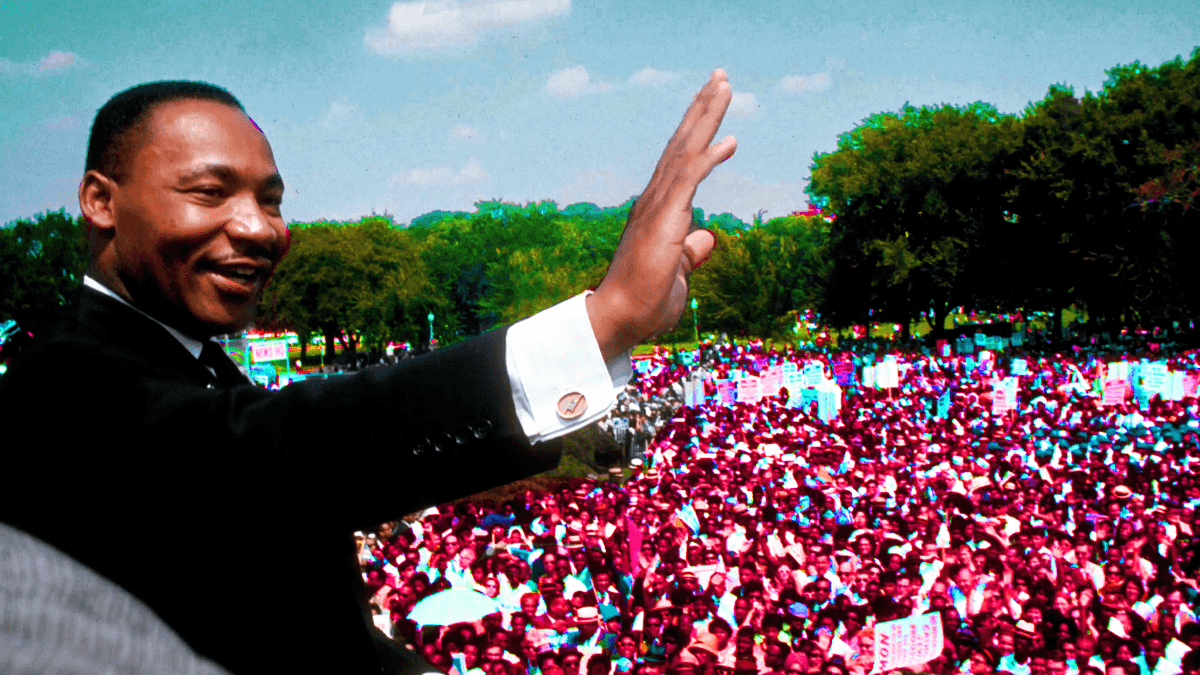
Martin Luther King Jr.
Martin Luther King Jr. was a transformative leader in the American Civil Rights Movement, advocating for justice through nonviolent resistance.
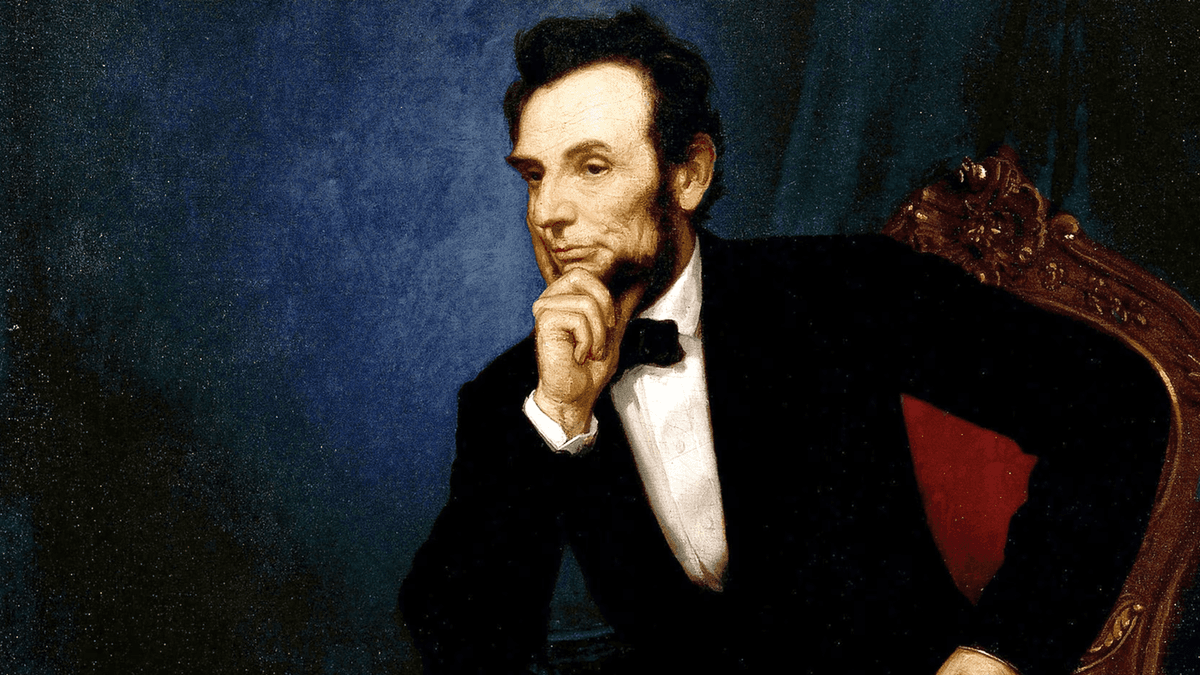
Abraham Lincoln
Born in a Kentucky log cabin and shaped by hardship, Abraham Lincoln rose to lead the nation through its greatest moral and constitutional crisis—the Civil War.
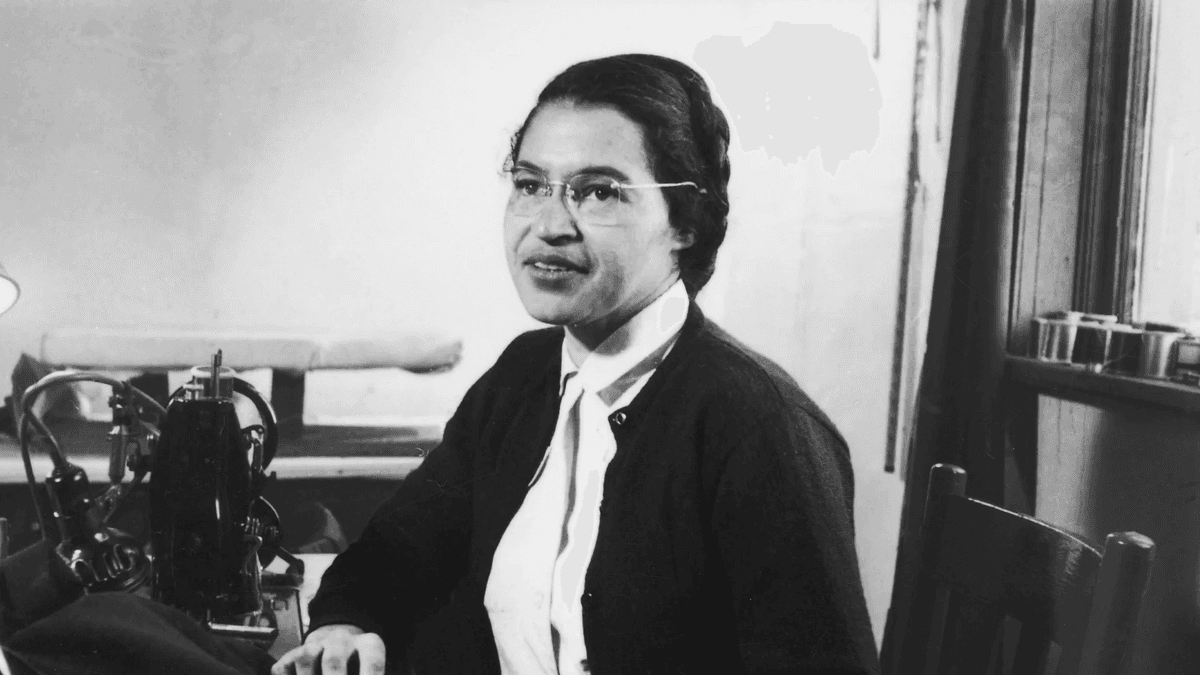
Rosa Parks
Rosa Parks did not simply stay seated because she was tired, she sat down and refused to move because she was tired of giving in.
Further Reading
Stay curious!