

Henry David Thoreau
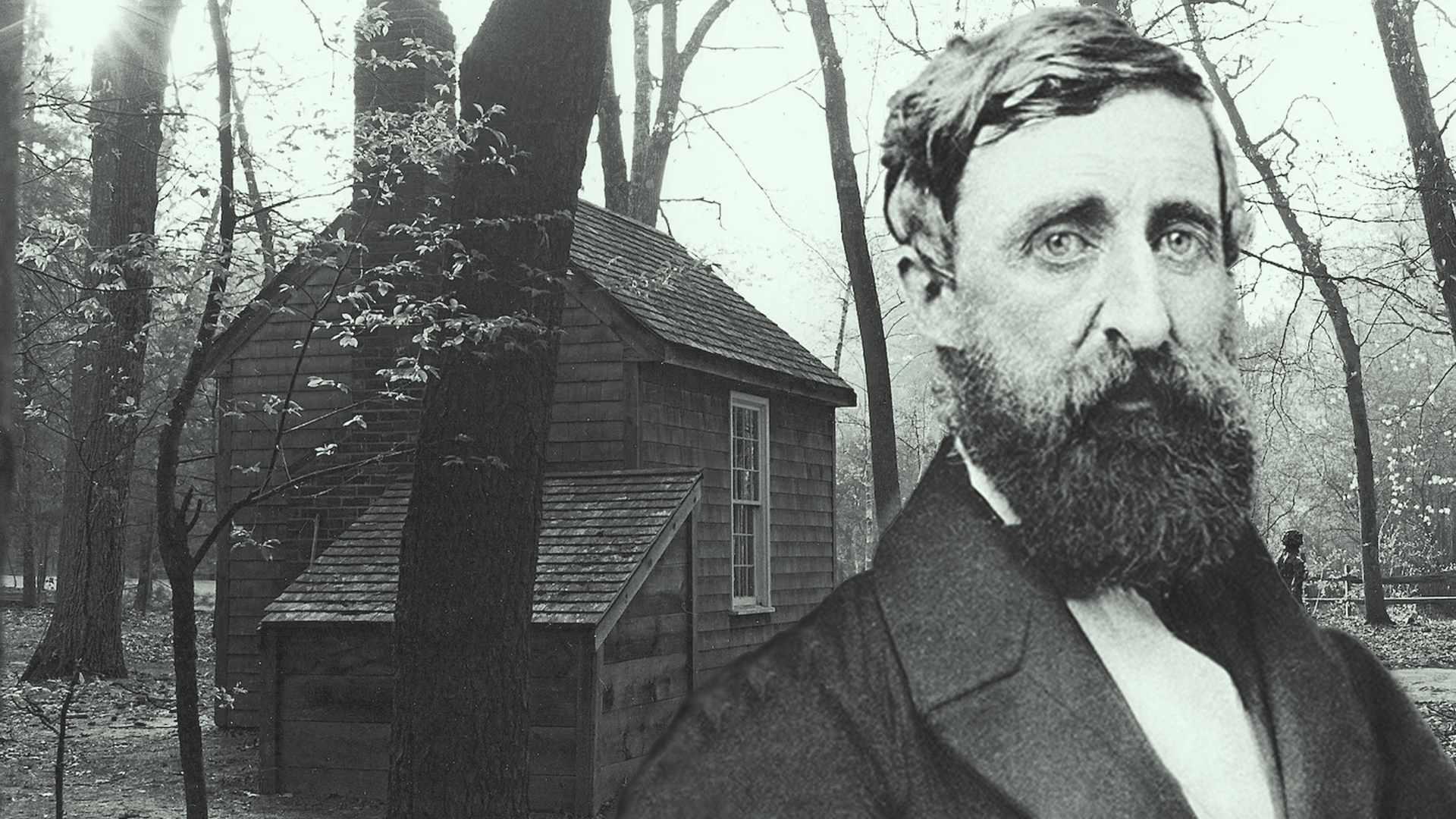
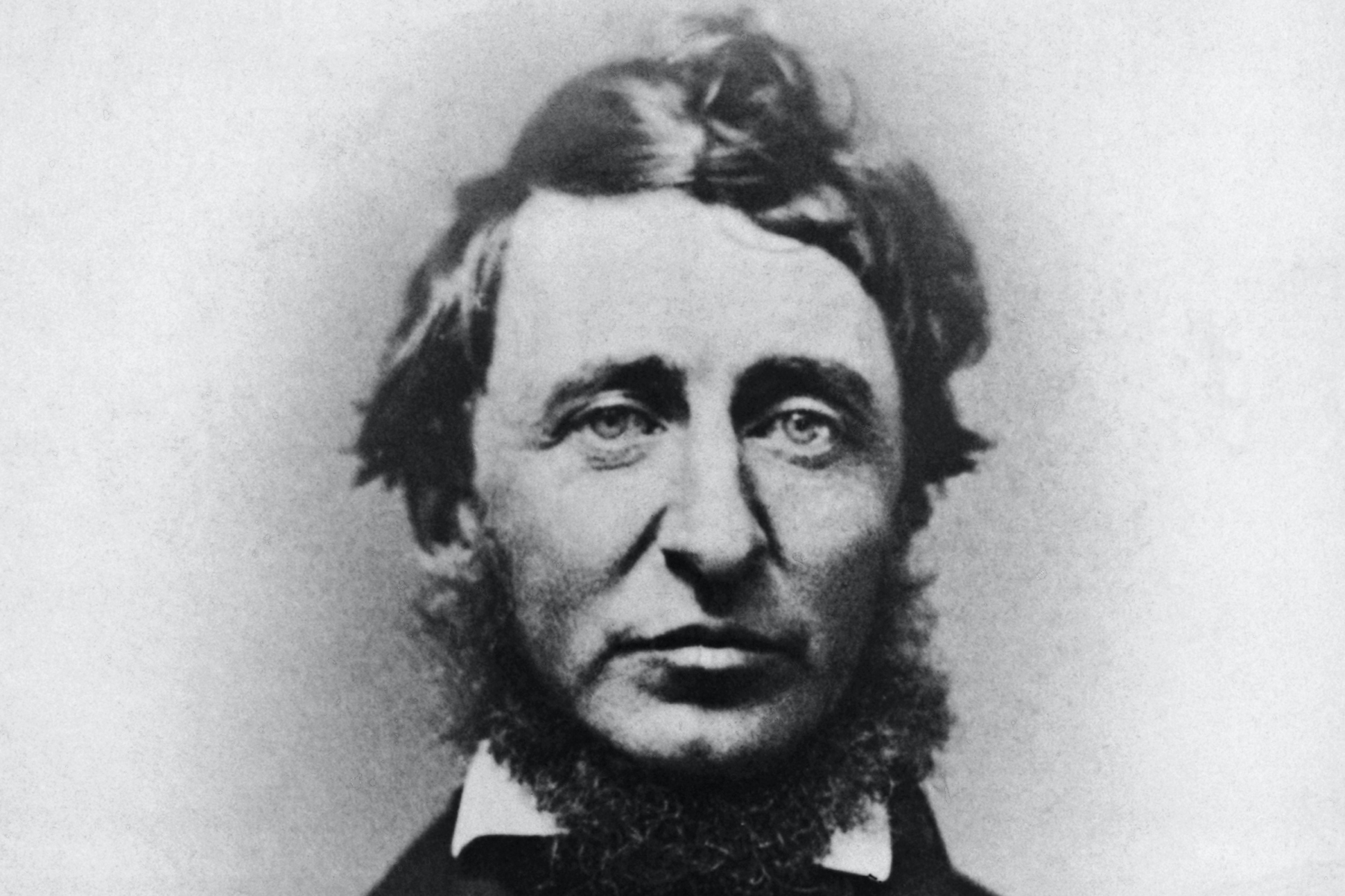
Henry David Thoreau, American writer and philosopher.
Biography
Henry David Thoreau was born on July 12, 1817, in Concord, Massachusetts, at a moment when America was still defining what it stood for. The country was expanding, slavery was fiercely debated, and new ideas about individual freedom were taking root. Thoreau grew up surrounded by writers and thinkers, including his mentor Ralph Waldo Emerson, and became part of the Transcendentalist movement—a group that believed truth could be found through nature, intuition, and moral independence rather than tradition or authority.
Thoreau was not easily placed into one category. He worked as a teacher, surveyor, pencil-maker, handyman, and lecturer, but he always considered himself first and foremost a writer. From an early age, he kept detailed journals filled with observations of the natural world and reflections on society, ethics, and the meaning of a well-lived life. These journals—eventually totaling more than two million words—became the foundation of his essays and books, and today they are considered one of the richest records of nineteenth-century American thought.
Thoreau believed that modern life often distracted people from what truly mattered. He was deeply critical of blind conformity, excessive work, and the idea that success should be measured by money or possessions. In his most famous experiment, he lived for two years in a small cabin near Walden Pond, where he sought to live simply, deliberately, and attentively. His goal, as he wrote in 'Walden', was to “live deliberately” and discover what was essential by stripping life down to its basics. The experience became a meditation on freedom, self-reliance, and clarity in a world obsessed with speed and accumulation.
Nature was not just scenery to Thoreau—it was a teacher. He walked miles every day, carefully observing plants, animals, weather patterns, and seasonal changes. Long before environmentalism had a name, Thoreau argued that wildness was not something to conquer, but something humanity needed to survive spiritually and morally. His careful studies of forests, seeds, and ecosystems made him an early scientific thinker as well as a poetic one, and many of his ecological insights are still respected today.
Thoreau’s commitment to conscience extended beyond philosophy into action. He was a fierce opponent of slavery and refused to pay taxes that supported the Mexican-American War or a government that upheld human bondage. In 1846, this refusal landed him in jail for one night—an experience that later inspired his influential essay 'Civil Disobedience'. In it, Thoreau argued that individuals have a moral duty to resist unjust laws, even when doing so comes at personal cost. For him, obedience without conscience was more dangerous than disorder.
The ideas in 'Civil Disobedience' traveled far beyond Concord. They influenced reformers and movements across the world, including Leo Tolstoy, Mahatma Gandhi, and Martin Luther King Jr., all of whom drew on Thoreau’s belief that nonviolent resistance rooted in moral clarity could challenge even the most powerful systems. Thoreau did not believe that the majority always decides what is right; he believed conscience must come first.
Although Thoreau published relatively little during his lifetime and often struggled financially, his influence grew after his death in 1862. His friend Emerson remarked that the nation had not yet realized what it had lost. Today, Thoreau is recognized as one of America’s most original thinkers—a writer who challenged people to slow down, think deeply, live honestly, and refuse to surrender their moral responsibility to society’s expectations.
Henry David Thoreau asked questions most societies would rather avoid: What do we truly need? Who decides what is right? And what do we owe one another when laws and customs become unjust? At a time when conformity was rewarded and dissent punished, Thoreau insisted that moral responsibility begins with the individual. His defense of conscience over convenience helped shape movements for civil rights, independence, and nonviolent resistance around the world. Just as importantly, his love of nature challenged people to see the natural world not as property or resource, but as a living system essential to human well-being. In an age of constant noise, consumption, and distraction, Thoreau’s work continues to call us back to simplicity, integrity, and the courage to live deliberately.
?
What does Thoreau mean by living deliberately, and how might that look today?
When, if ever, is it right to disobey a law?
How does Thoreau’s view of nature challenge modern ideas about progress?
Why do you think 'Civil Disobedience' has inspired movements around the world?
What parts of Thoreau’s philosophy feel most relevant in modern society?
How can simplicity be a form of resistance?
What responsibilities do individuals have when governments act unjustly?
Dig Deeper
An exploration of Thoreau’s political philosophy and his challenge to modern ideas of progress and authority.
A modern reflection on Thoreau’s ideas about success, simplicity, and living intentionally.
Discover more
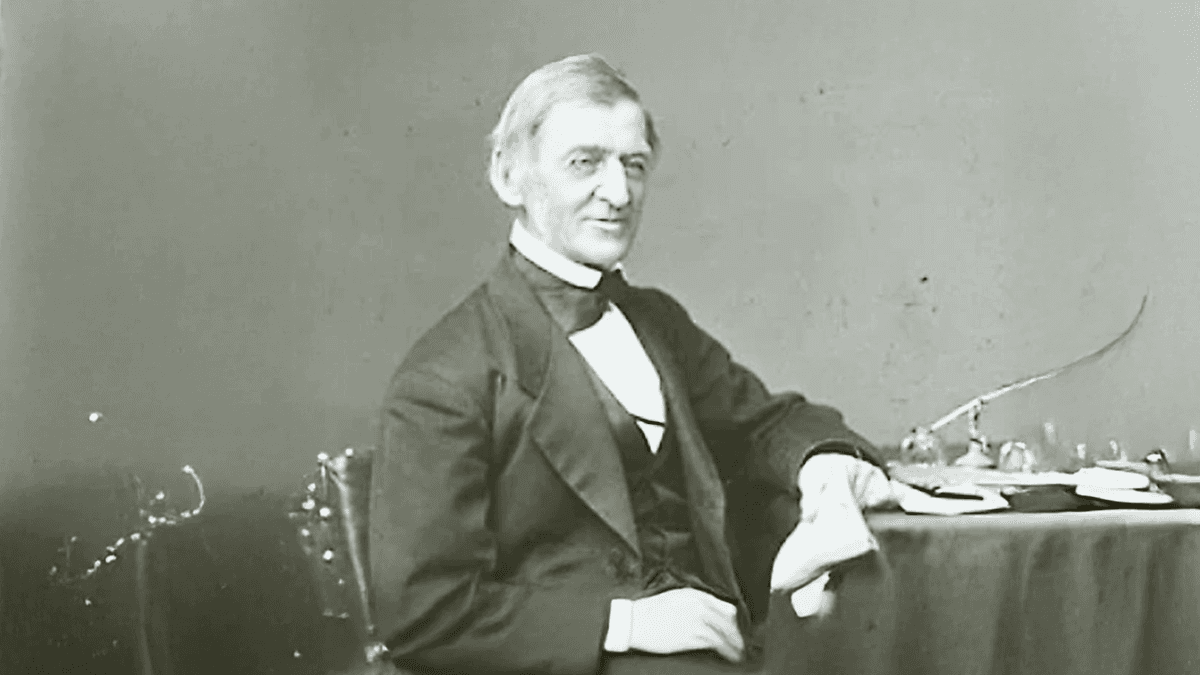
Ralph Waldo Emerson
Ralph Waldo Emerson was a writer, philosopher, and public thinker who urged Americans to trust themselves, think independently, and find truth through nature and lived experience.
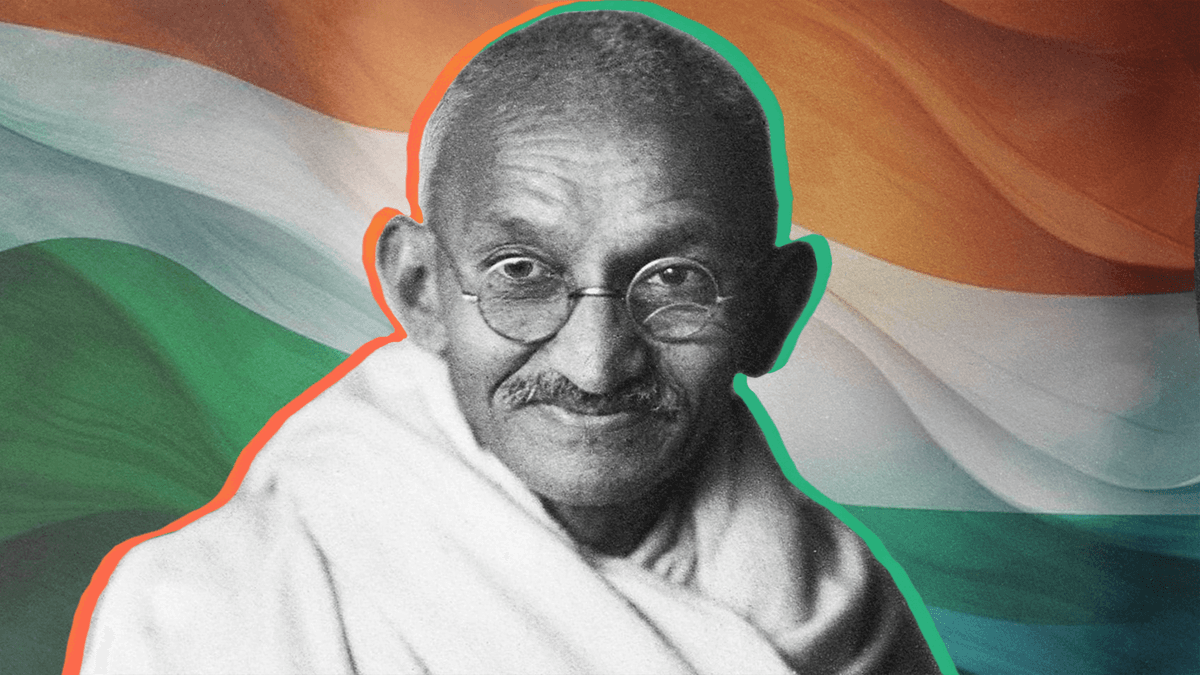
Mohandas Gandhi
Mohandas Gandhi led India’s fight for independence through a radical commitment to nonviolence and truth.
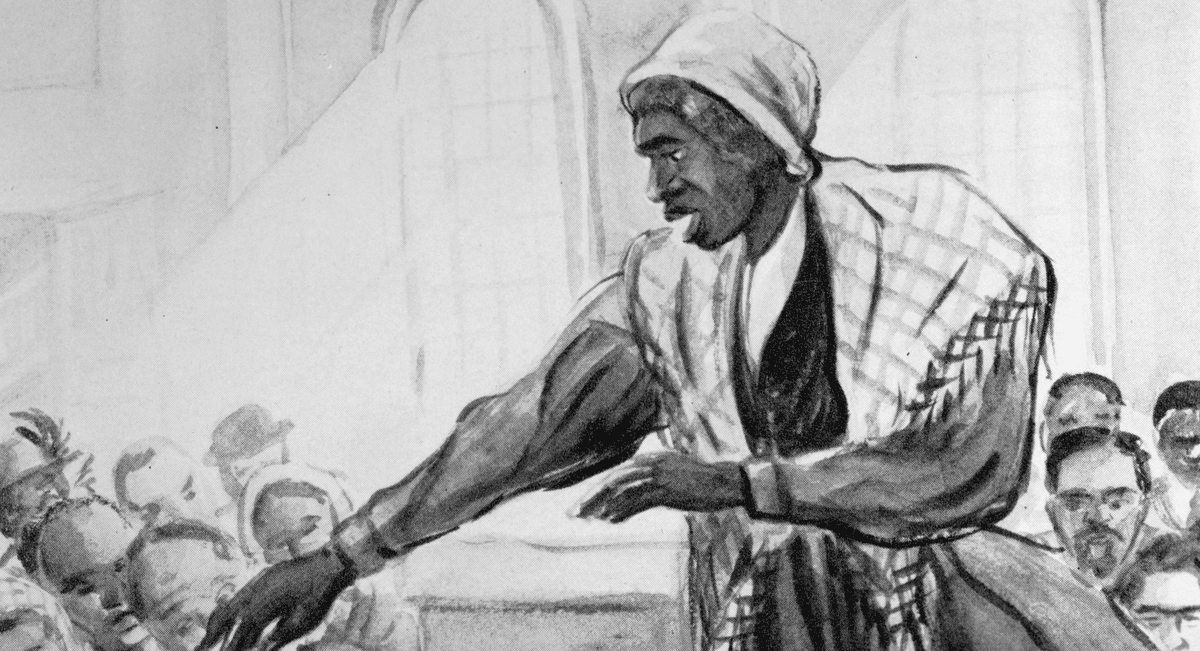
Sojourner Truth
Sojourner Truth was a formerly enslaved woman who became one of the most powerful voices in American history for abolition, women’s rights, and racial justice.
Further Reading
Stay curious!