

Ralph Waldo Emerson
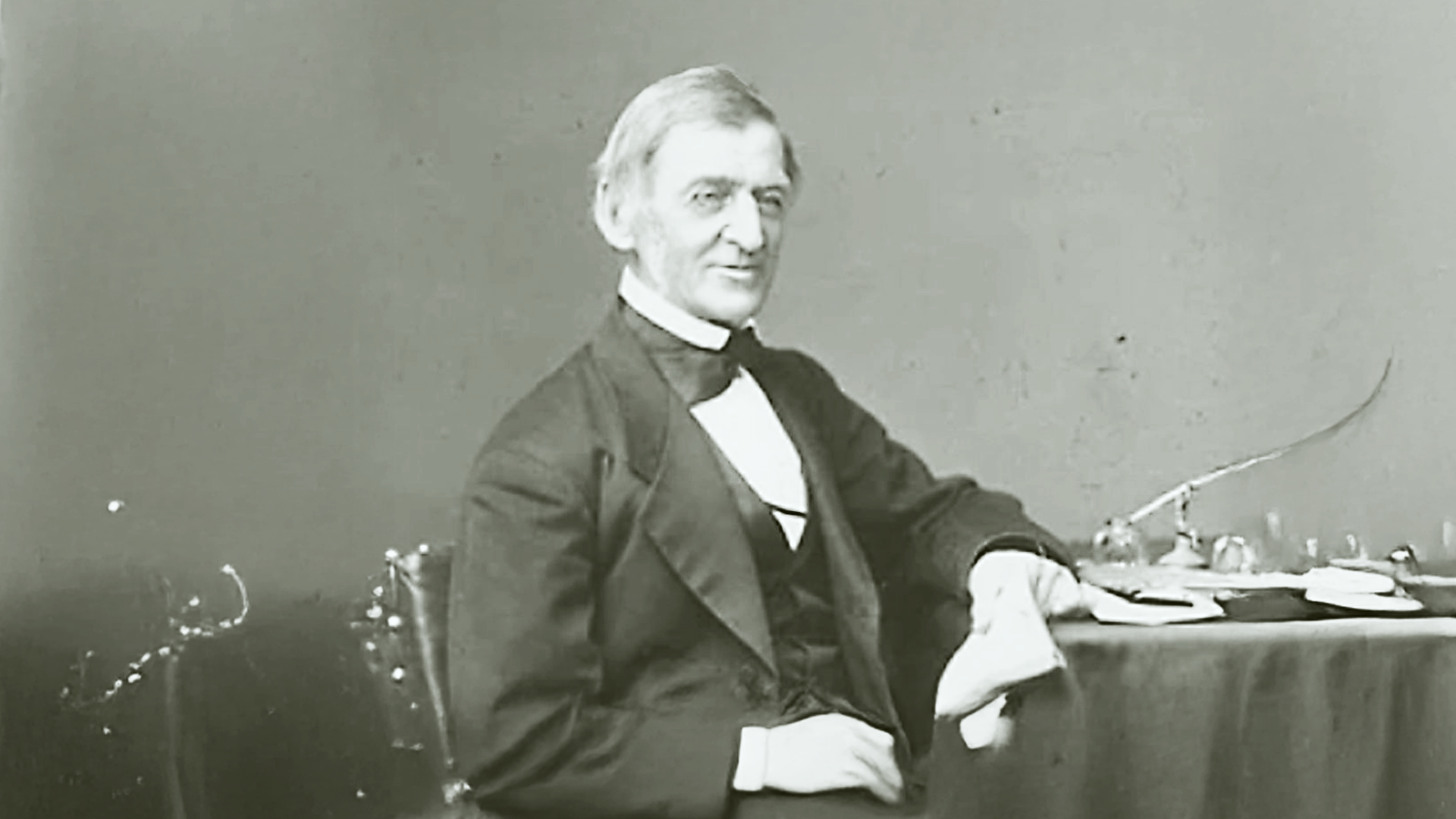
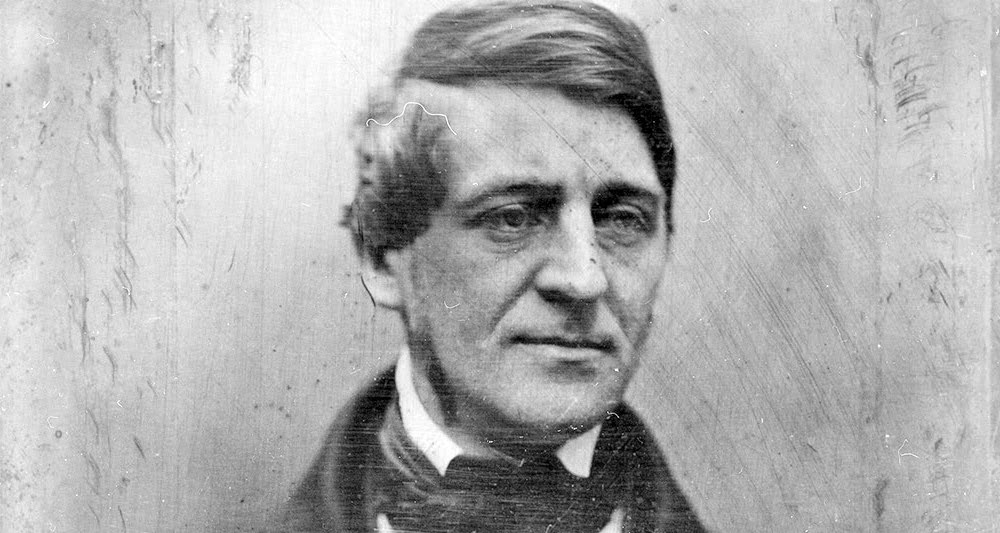
Ralph Waldo Emerson, American essayist, philosopher, and poet
Biography
Ralph Waldo Emerson was born on May 25, 1803, in Boston, Massachusetts, into a long line of ministers. His childhood was shaped by hardship early on when his father died while Emerson was still young, leaving his mother to raise five sons with limited resources. Despite financial strain, Emerson received an excellent education, attending Boston Latin School and later Harvard University. These early years instilled in him both intellectual discipline and a deep sensitivity to loss, responsibility, and self-reliance—qualities that would later define his philosophy.
After graduating from Harvard, Emerson briefly worked as a teacher before entering the Unitarian ministry, following family tradition. Yet even as a young preacher, he struggled with organized religion. The death of his first wife, Ellen Tucker, from tuberculosis devastated him and deepened his spiritual questioning. Unable in good conscience to perform religious rituals he no longer believed in, Emerson resigned from the pulpit in 1832. This decision marked a turning point: rather than abandon spirituality, he began searching for a deeper, more personal understanding of truth, faith, and meaning.
A formative journey to Europe exposed Emerson to influential thinkers like Thomas Carlyle and reinforced his belief in the power of the individual mind. Upon returning to New England, Emerson settled in Concord, Massachusetts, where he became a public lecturer and writer. He found his voice not in sermons, but in essays and speeches that challenged Americans to stop borrowing ideas from tradition and authority and begin thinking for themselves. His 1837 address, “The American Scholar,” called for intellectual independence and helped define a uniquely American philosophy.
Emerson soon emerged as the central figure of Transcendentalism, a movement that rejected rigid doctrine and emphasized intuition, conscience, and direct experience with nature. In his groundbreaking book *Nature* (1836), Emerson argued that the natural world is a reflection of deeper spiritual truths and that every individual has access to insight without intermediaries. He introduced the idea of the Over-Soul—a shared spiritual essence connecting all people—an idea that empowered readers to trust their inner moral compass over external authority.
Through essays like “Self-Reliance,” Emerson encouraged nonconformity, originality, and courage. He believed that society often pressures people to imitate rather than innovate, to obey rather than reflect. Emerson did not argue for selfishness, but for integrity: living honestly according to one’s convictions. His belief that “to be great is to be misunderstood” challenged readers to accept discomfort as the cost of authenticity.
Although often remembered as a philosopher of ideas, Emerson was also deeply engaged with the moral crises of his time. He spoke out against slavery, protested the forced removal of Native Americans, and supported women’s rights. While not always eager to enter political battles, Emerson believed that injustice demanded a response. He understood that thought and action were inseparable—and that ideas carried real consequences.
Emerson was also a mentor and catalyst for other writers, most notably Henry David Thoreau. By offering encouragement, intellectual companionship, and even land near Walden Pond, Emerson helped shape one of America’s most original thinkers. Their relationship was complex but deeply influential, and Emerson later wrote a moving tribute after Thoreau’s death.
Despite personal tragedies—including the loss of his wife, brothers, and young son—Emerson continued to write, lecture, and reflect well into old age. His later years were marked by declining health and memory loss, yet his influence only grew. When he died in 1882, Emerson left behind a body of work that had transformed American literature, philosophy, and civic thought.
Ralph Waldo Emerson taught generations of Americans how to think, not what to think. At a time when tradition and authority dominated intellectual life, Emerson insisted that truth begins with the individual mind and moral conscience. His belief in self-reliance challenged people to reject conformity, question injustice, and live with integrity. Emerson’s ideas helped shape movements for abolition, civil rights, environmental awareness, and personal freedom. In an age overwhelmed by noise, imitation, and borrowed opinions, Emerson’s work still calls us back to clarity, courage, and the responsibility of independent thought. His legacy reminds us that democracy depends not only on laws and institutions, but on citizens willing to think deeply, act ethically, and trust their own capacity for wisdom.
?
What does Emerson mean by trusting oneself?
How can independent thinking strengthen democracy?
Why might conformity feel safer than originality?
How did Emerson’s ideas influence later reform movements?
What role does nature play in Emerson’s philosophy?
When is it difficult to follow your conscience?
How can ideas become a form of action?
Dig Deeper
An introduction to Emerson’s philosophy, focusing on nature, individuality, and inner divinity.
A modern exploration of Emerson’s ideas on self-reliance and moral independence.
Discover more
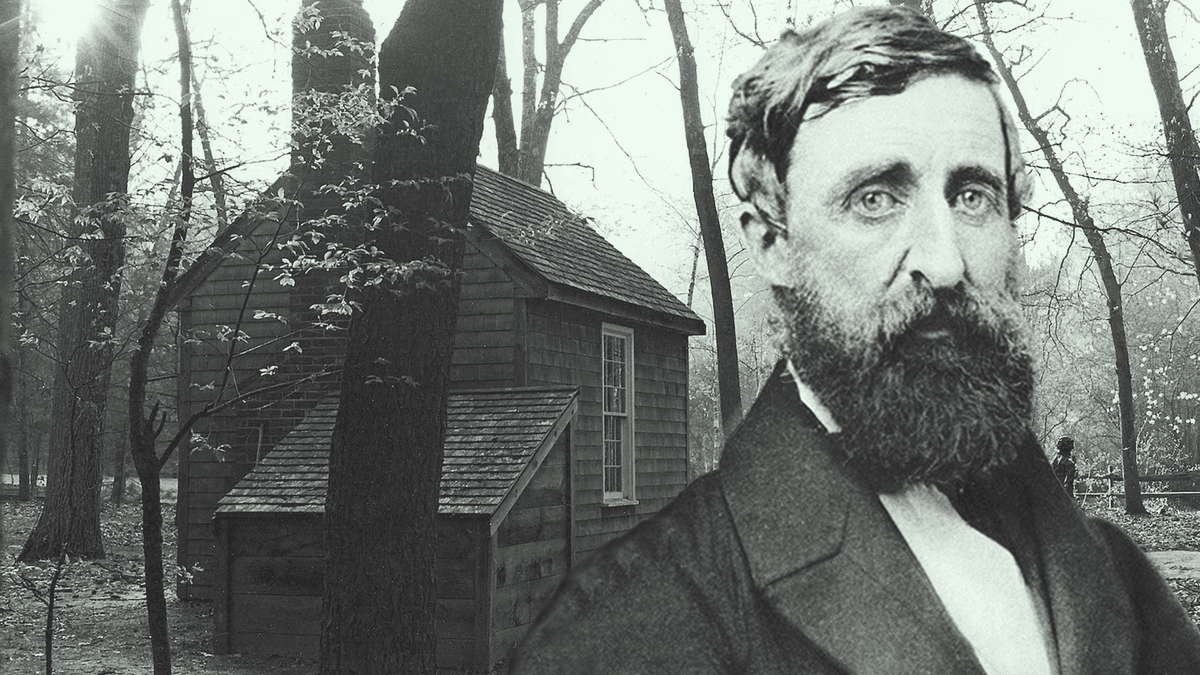
Henry David Thoreau
Henry David Thoreau was a writer, philosopher, and naturalist who believed that a good life requires conscience, simplicity, and a deep relationship with nature.
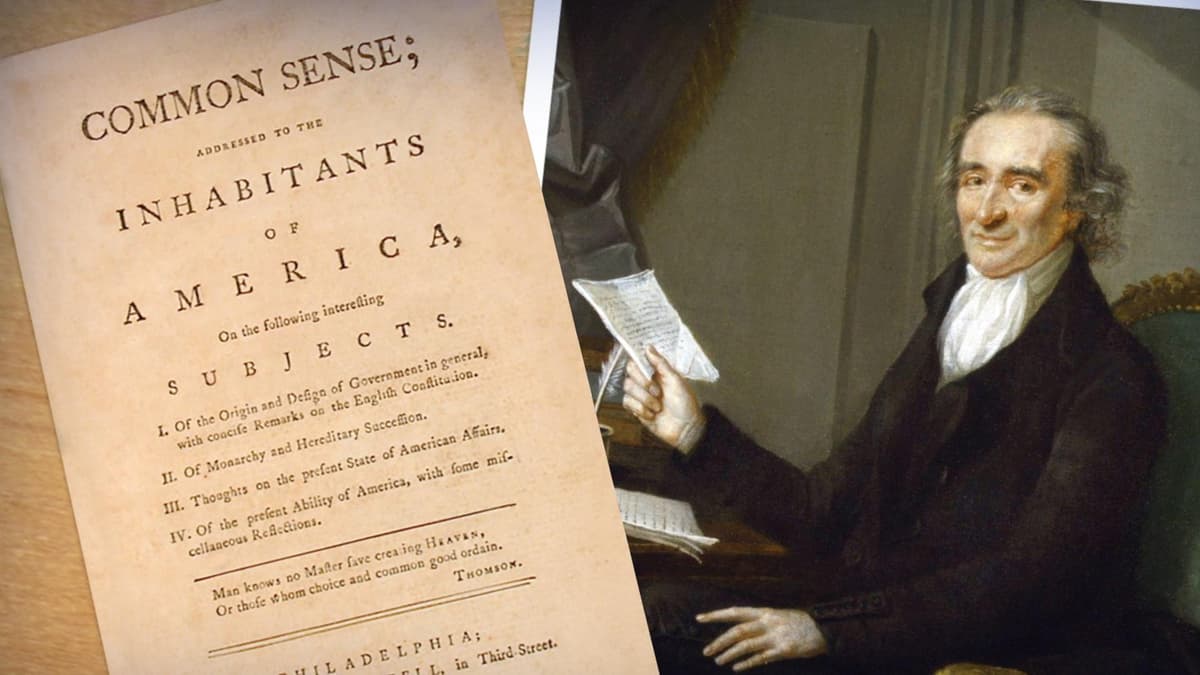
Thomas Paine
From 'Common Sense' to 'The American Crisis,' Thomas Paine rallied citizens with radical ideas of freedom, democracy, and equality.
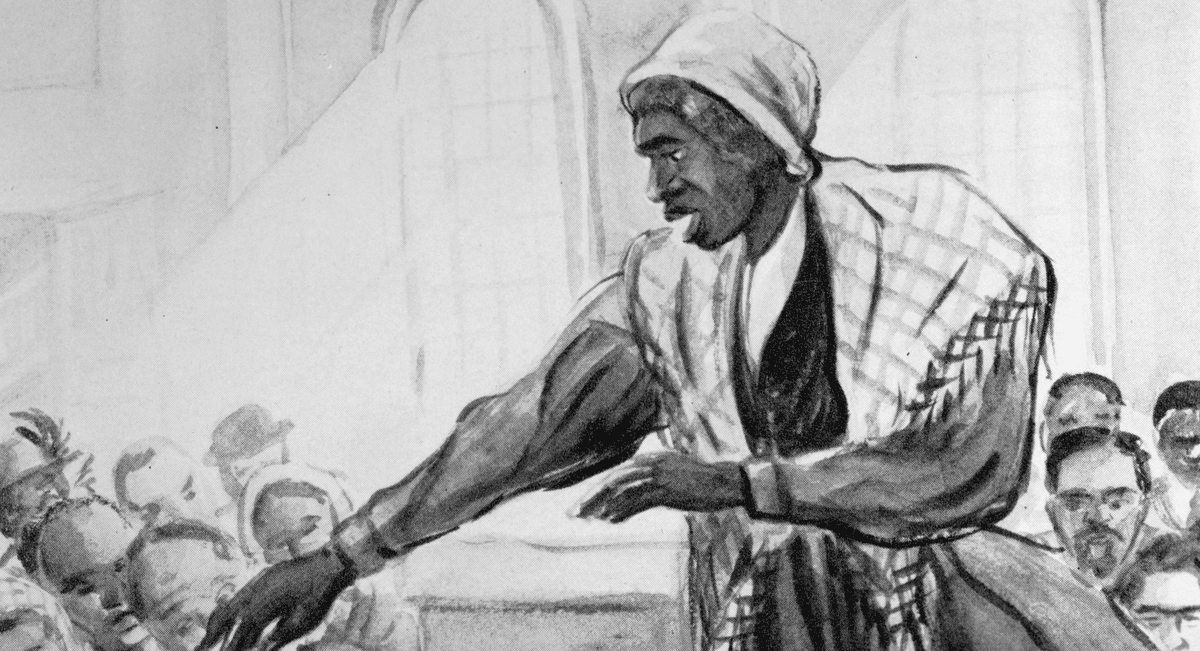
Sojourner Truth
Sojourner Truth was a formerly enslaved woman who became one of the most powerful voices in American history for abolition, women’s rights, and racial justice.
Further Reading
Stay curious!