

The American Civil War & North Carolina’s Role (1861–1865)

The Dive
The American Civil War erupted in 1861 after decades of tension over slavery, states’ rights, and the limits of federal power. When Confederate forces fired on Fort Sumter in April, the conflict shattered any hope of compromise. North Carolina initially resisted leaving the Union, voters rejected secession in early 1861, but after President Lincoln called for troops to suppress the rebellion, the state joined the Confederacy on May 20, becoming one of the last Southern states to secede. This decision marked a turning point: North Carolina would soon become one of the Confederacy’s greatest sources of manpower, sacrifice, and internal conflict.
North Carolina’s contribution to the war was huge. More than 130,000 soldiers served in the Confederate military (about one-sixth of the entire Confederate fighting force) while approximately 8,000 men from the state joined the Union Army, including over 5,000 Black soldiers who enlisted as part of the United States Colored Troops. North Carolinians fought in major battles across the South, from Antietam to Gettysburg. The famed 26th North Carolina Infantry suffered one of the highest casualty rates of any regiment in the war, losing over 80 percent of its men during Pickett’s Charge at Gettysburg. Their losses show how profoundly the war cut into the state’s communities and families.
The war’s course stretched from early Confederate victories to decisive Union gains. Key battles shaped the nation’s trajectory. Antietam (1862) gave President Lincoln the momentum to issue the Emancipation Proclamation. Gettysburg (July 1863) halted General Robert E. Lee’s invasion of the North and became the war’s turning point. Later, Union General William T. Sherman led a devastating march through Georgia and the Carolinas, shattering Confederate supply lines. North Carolina became central to these final campaigns: Sherman’s entrance into the state in 1865 brought the battlefront and home front crashing together as fighting swept west toward Raleigh.
North Carolina itself experienced three major phases of military activity. The first (1861–1862) saw rapid Union advances along the coast, including the fall of Hatteras, Roanoke Island, New Bern, and Fort Macon—giving the Union control of the Albemarle and Pamlico Sounds. The second phase (1862–1864) brought fewer large battles but frequent raids, blockades, and attempts by Confederates to retake key towns. The third and final phase (late 1864–1865) was the most intense. Battles in the Cape Fear region, the fall of Wilmington (the last major Confederate port), and Sherman’s Carolinas Campaign pushed the Confederacy to collapse. By March 1865, the Battle of Bentonville—Johnston’s last stand—marked North Carolina as the site of the Confederacy’s final major battle.
Life on the home front was equally turbulent. Inflation soared, leaving families unable to afford basic goods. Women managed farms alone, organized bread riots when food ran low, and wrote letters urging husbands and sons to come home. Desertions became common—North Carolina had some of the highest rates in the Confederacy—as soldiers struggled to choose between duty to their country and responsibility to starving families. Home guard units, made up of older men, often used brutal tactics to punish deserters or suspected Union sympathizers. In the western mountains, guerrilla violence created deep divisions among neighbors, turning the war into an internal fight over loyalty and survival.
Enslaved people in North Carolina watched the war closely, knowing that Union victories could mean freedom. As Union forces captured coastal regions, thousands fled plantations and entered contraband camps or enlisted in the U.S. Colored Troops. Their participation made the Civil War not only a political and military conflict, but also a revolution in the definition of citizenship. By the end of the war, emancipation had become inseparable from Union victory, and enslaved North Carolinians were already shaping their futures long before the last shots were fired.
The end of the war unfolded dramatically in North Carolina. After the Confederate defeat at Bentonville and the fall of Raleigh, Generals Sherman and Johnston met at the Bennett Farm near Durham. Their negotiations led to the largest Confederate surrender of the war on April 26, 1865—larger even than Lee’s surrender at Appomattox. The terms allowed Confederate soldiers to return home with their personal property and horses, helping expedite the painful transition to peace. Though devastated by casualties, destruction, and economic collapse, North Carolina became a critical site where the Confederacy’s military resistance truly ended.
By the war’s close, an estimated 40,000 North Carolinians had died—roughly 6 percent of the state’s free population. The countryside was scarred, families divided, and communities forever changed. Yet the Civil War also set the stage for Reconstruction, emancipation, and long-term struggles for civil rights. Studying this era reveals how political disagreements can spiral into national tragedy—and how rebuilding requires cooperation, accountability, and a willingness to redefine what freedom means for everyone. North Carolina’s story within the Civil War teaches us that history is not just battles and dates; it is choices, consequences, and the human cost of conflict.
Why It Matters
The Civil War reshaped the United States by ending slavery, redefining citizenship, and forcing the nation to confront the consequences of division. North Carolina’s story reveals how ordinary people experienced history’s most violent national crisis. Understanding this conflict helps us recognize how political disagreements can escalate, how communities bear the cost of war, and why unity and justice require constant effort. The lessons of the Civil War still echo today: freedom must be protected, democracy must be nurtured, and healing requires truth, responsibility, and shared commitment to a better future.
?
Why did North Carolina initially reject secession, and what changed after Lincoln called for troops?
How did geography shape Union and Confederate strategies in North Carolina?
How did enslaved people use the chaos of war to pursue freedom?
Why was the Battle of Gettysburg a turning point, and what role did North Carolinians play?
How does the Civil War challenge us to think about loyalty, justice, and national identity today?
Dig Deeper
An accessible overview of the major events, military actions, and human stories behind North Carolina’s Civil War experience.
Related
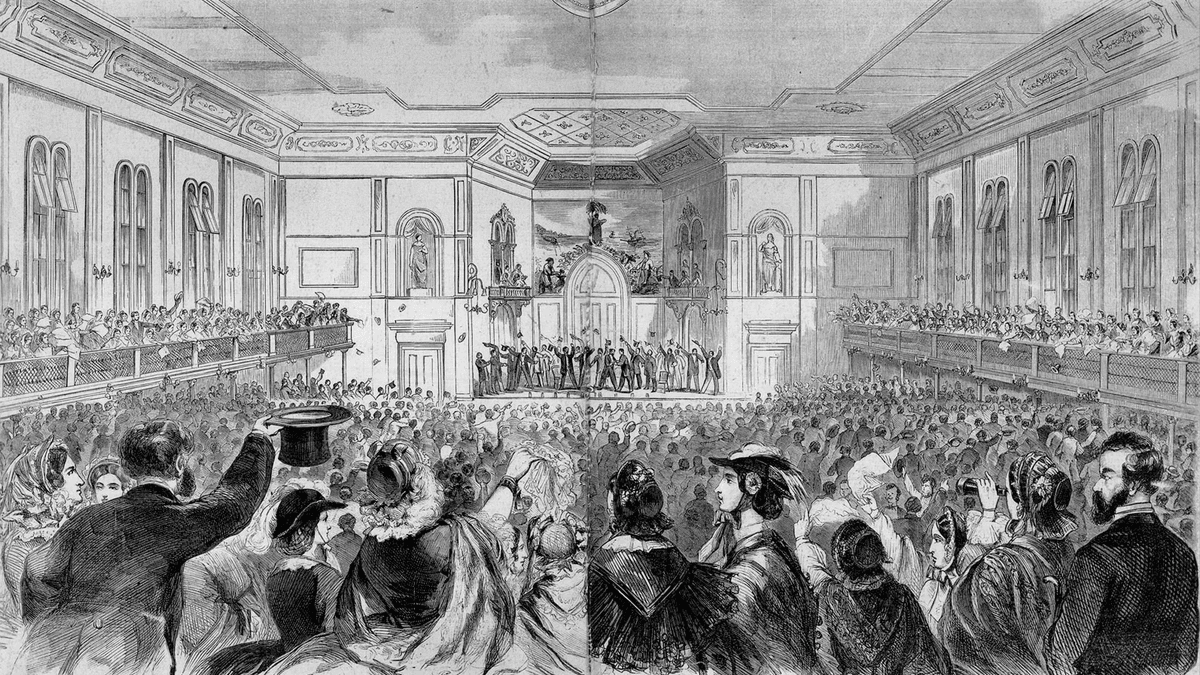
North Carolina’s Road to Secession
Why a state known for hesitation became a decisive force in the Confederacy.
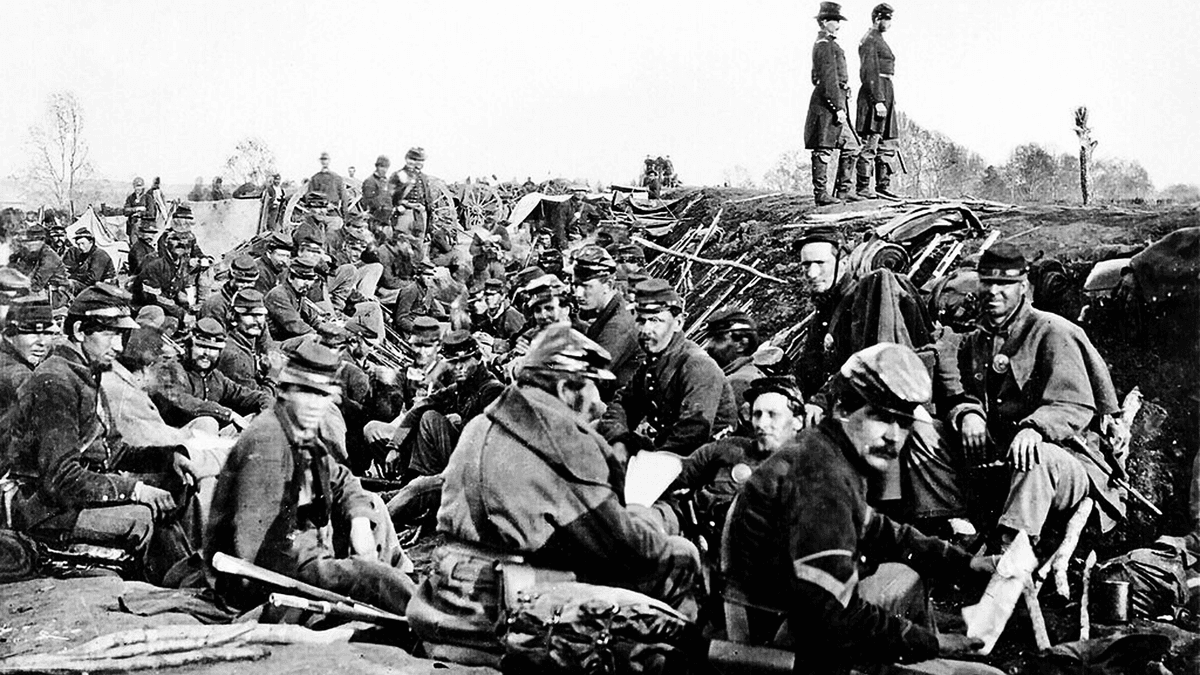
The American Civil War – A Nation Torn Apart
From Fort Sumter to Appomattox, the Civil War was the deadliest conflict in U.S. history, fought over the nation's most profound moral and political divisions.
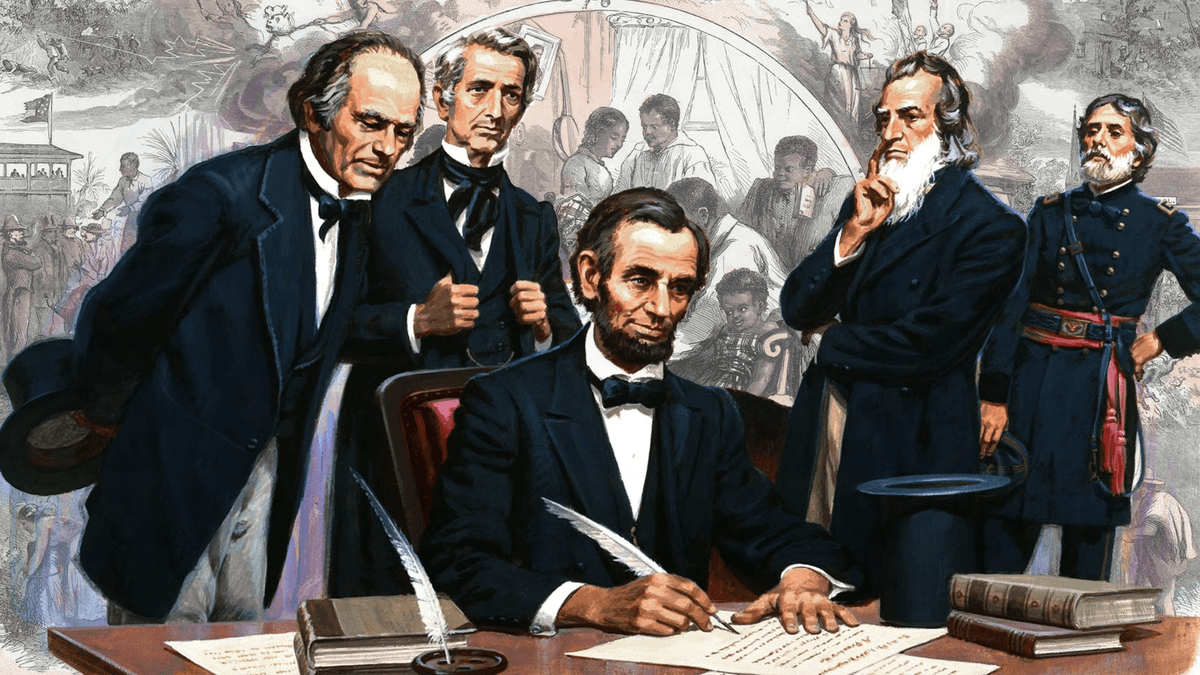
The Emancipation Proclamation & The 13th Amendment
Freedom on paper is one thing; freedom in practice is another. The Emancipation Proclamation and the 13th Amendment were giant leaps toward liberty—yet the road ahead for formerly enslaved people was long and uneven.
Further Reading
Stay curious!