

The Cold War & Fear at Home: Ideology, Power, and Public Anxiety
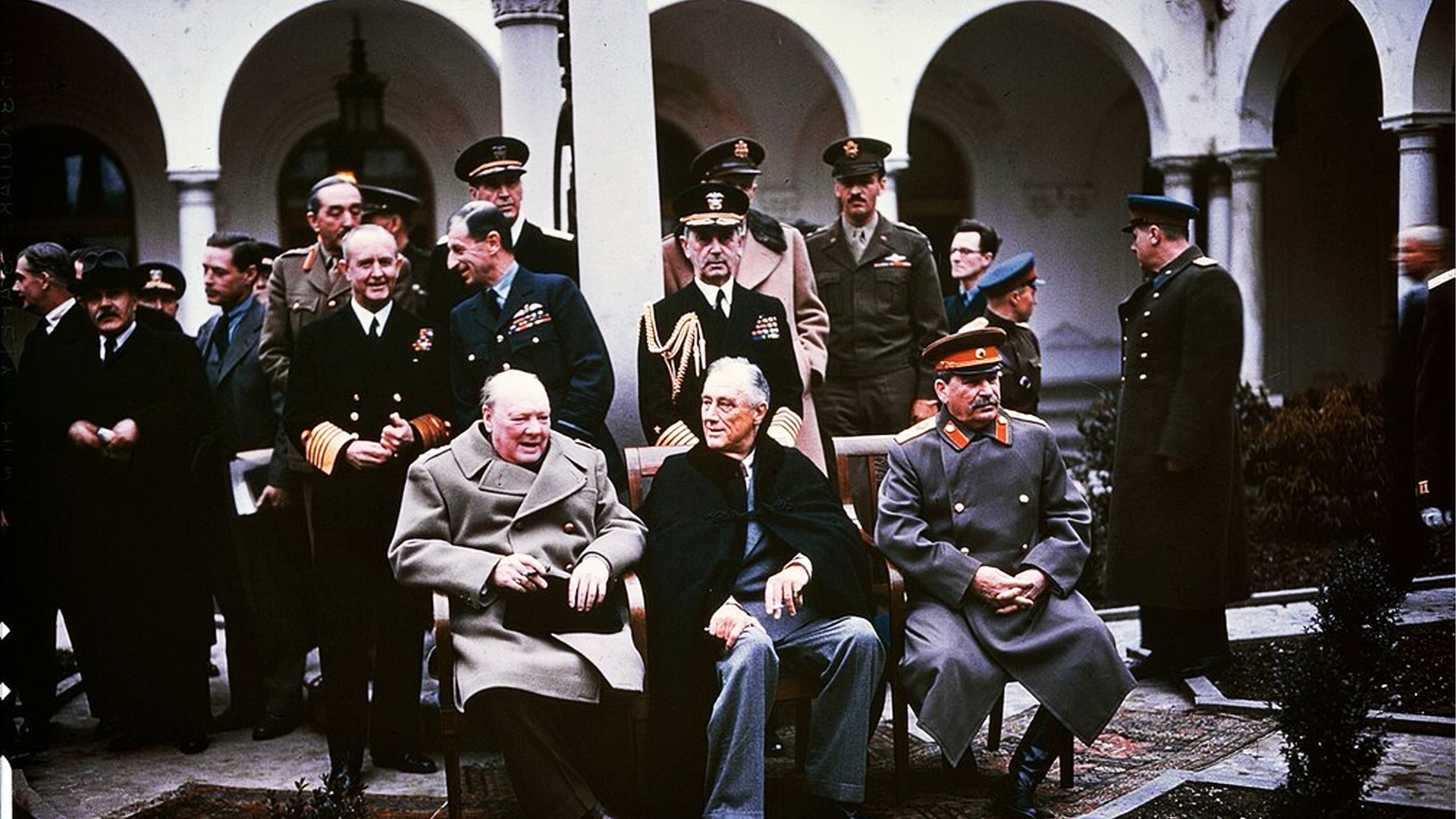
The Cold War was a decades-long period of tension between the United States and the Soviet Union that followed World War II.
The Dive
The Cold War began after World War II, when the alliance between the United States and the Soviet Union quickly broke down into suspicion and rivalry. Although they had fought together against Nazi Germany, their political systems were fundamentally different: the United States supported capitalism and democracy, while the Soviet Union promoted communism and a one-party state. This ideological clash created deep mistrust and set the stage for a global struggle for influence.
Unlike traditional wars, the Cold War was defined by indirect conflict. The United States and the Soviet Union avoided direct military confrontation, largely because both possessed nuclear weapons capable of massive destruction. Instead, they competed through political alliances, economic aid, propaganda, espionage, and proxy wars in regions like Korea and Vietnam, turning the world into a stage for their rivalry.
One of the central strategies of U.S. foreign policy during the Cold War was containment—the idea that communism should be prevented from spreading beyond where it already existed. First clearly articulated by diplomat George Kennan and later embraced by President Harry S. Truman, containment became the foundation of American global policy for decades. The Truman Doctrine pledged support to countries resisting communist influence, framing the Cold War as a global struggle between freedom and oppression.
This global competition led to an intense arms race between the United States and the Soviet Union. Both nations rapidly expanded their military capabilities, particularly their nuclear arsenals. The development of atomic and hydrogen bombs created a situation known as 'mutually assured destruction,' where both sides understood that a full-scale war could lead to total annihilation. This constant threat shaped both foreign policy and everyday life.
At home, Cold War tensions fueled widespread fear of communist influence within the United States. This period, known as the Red Scare, was marked by suspicion that communists had infiltrated American institutions, including the government, schools, and the entertainment industry. Government programs required loyalty oaths, and investigations sought to identify individuals suspected of holding communist beliefs.
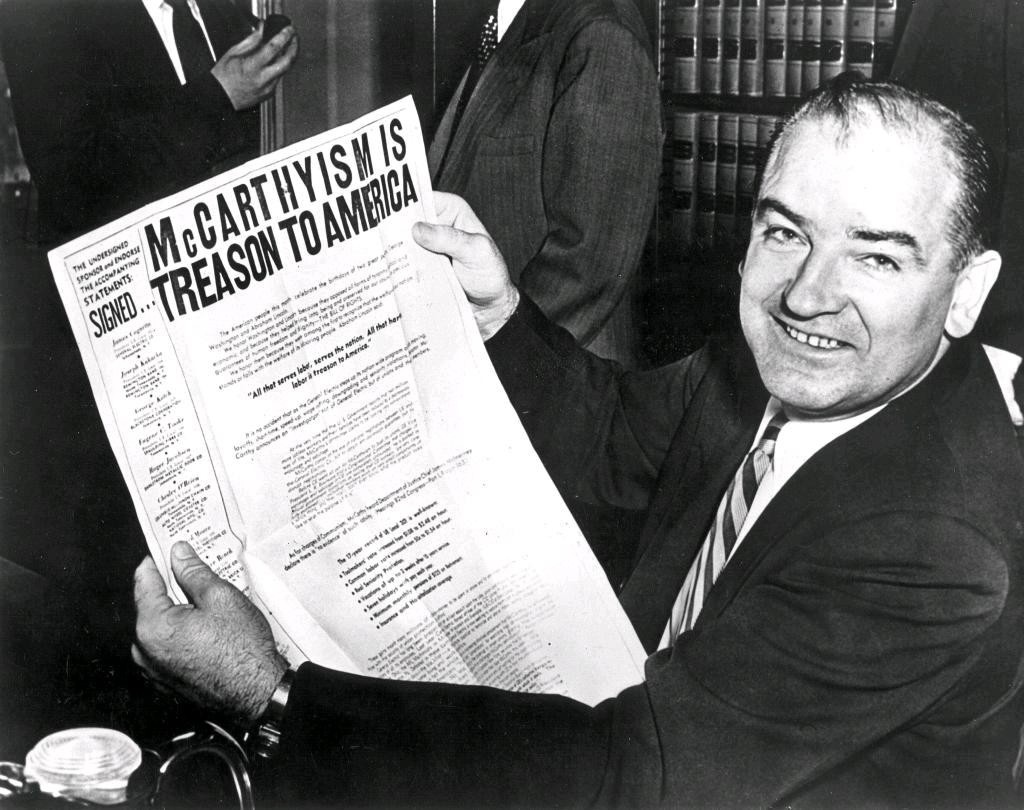
Senator Joseph McCarthy became the most visible figure associated with this era of fear. Through a series of highly publicized accusations, often without solid evidence, McCarthy claimed that communists were working within the U.S. government. His actions led to what is now known as McCarthyism—a period in which fear and suspicion overrode fairness, damaging reputations, careers, and lives. Thousands of people were investigated, and many lost their jobs despite a lack of proof.
The role of media and propaganda during the Cold War was significant. Films, radio broadcasts, newspapers, and television programs often portrayed communism as a direct threat to American values. At the same time, the United States presented itself as a defender of freedom and democracy. This messaging shaped public opinion, reinforcing fear while also building national unity against a common enemy.
The Cold War also exposed contradictions within American society. While the United States promoted freedom and democracy globally, some domestic policies during the Red Scare restricted civil liberties, including freedom of speech and association. People were punished not for actions, but for suspected beliefs, raising important questions about the balance between national security and individual rights.
Despite its intensity, the Cold War evolved over time. Periods of heightened tension, such as the Cuban Missile Crisis, brought the world dangerously close to nuclear war, while other periods, like détente in the 1970s, saw efforts to reduce tensions through diplomacy and arms control agreements. These shifts demonstrated that even in conflict, cooperation was sometimes necessary to avoid catastrophe.
The Cold War eventually ended in 1991 with the collapse of the Soviet Union. However, its impact remains significant. It reshaped global alliances, influenced domestic politics, and left lasting lessons about the power of ideology, the dangers of fear-driven decision-making, and the importance of protecting democratic values even during times of crisis.
Why It Matters
The Cold War shows us that fear can shape decisions in powerful ways. It can influence government policies, control public opinion, and even change how people treat one another. While some concerns about national security were real, many actions taken during this time went too far, harming innocent people and weakening the very freedoms the country claimed to protect. The Cold War was not just a battle between two superpowers—it was a test of values. It forced Americans to ask difficult questions about safety, freedom, and trust. In the end, the Cold War asks us to consider not just how we respond to fear—but who we become because of it.
?
What were the key differences between capitalism and communism?
Why did the United States adopt the policy of containment?
How did fear influence government actions during the Red Scare?
What was McCarthyism, and why was it controversial?
How did media shape public opinion during the Cold War?
What were the risks of the nuclear arms race?
How did the Cold War affect everyday life in the United States?
What lessons can we learn from the Cold War about balancing security and freedom?
Dig Deeper
An engaging overview of how the Cold War began and how it shaped global politics.
Explains how fear and suspicion during the Cold War led to political repression.
Related
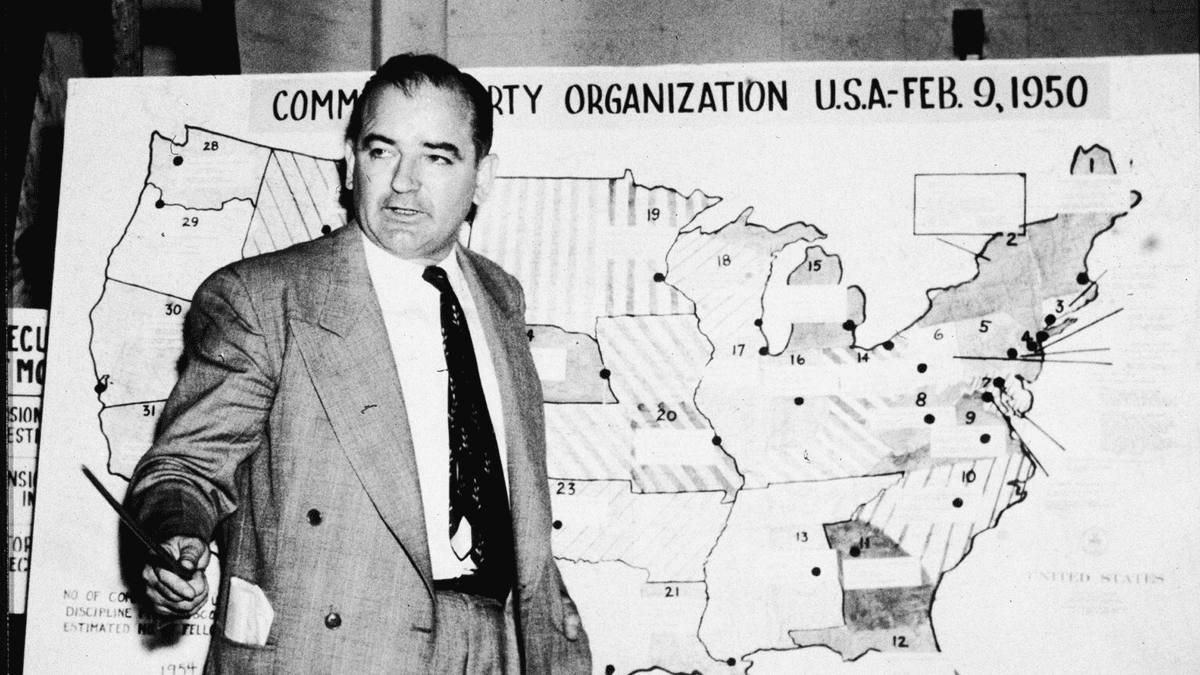
McCarthyism: Fear, Power, and the Red Scare
In the 1950s, fear of communism gripped America. Senator Joseph McCarthy fueled this fear by accusing hundreds of people of being communist traitors—often without proof. The result was a national panic that tested the meaning of truth, justice, and freedom.
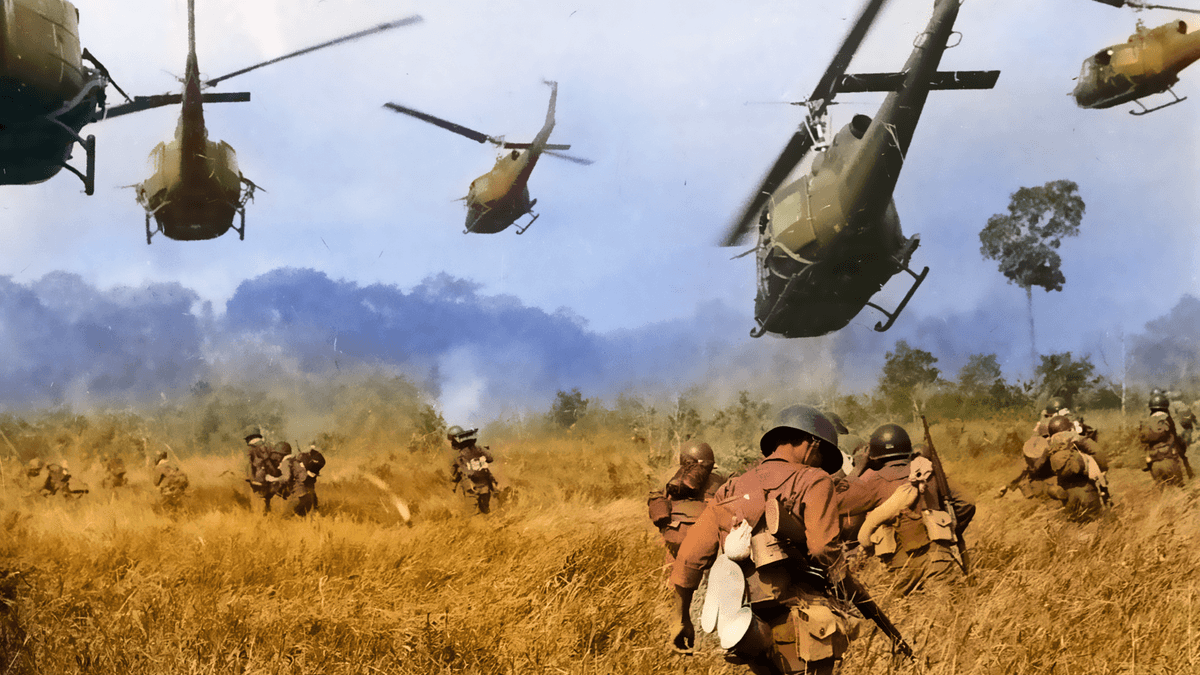
The Vietnam War: Conflict, Cold War, and Consequences
A complex war shaped by colonial history, Cold War fears, and powerful resistance—understand why the Vietnam War happened and why it still matters.

World War II & the Home Front (1941–1945)
A global war that reshaped American society—expanding opportunity, exposing injustice, and redefining the meaning of freedom at home.
Further Reading
Stay curious!