

Voting & Participation: Why Your Voice Matters
The Dive
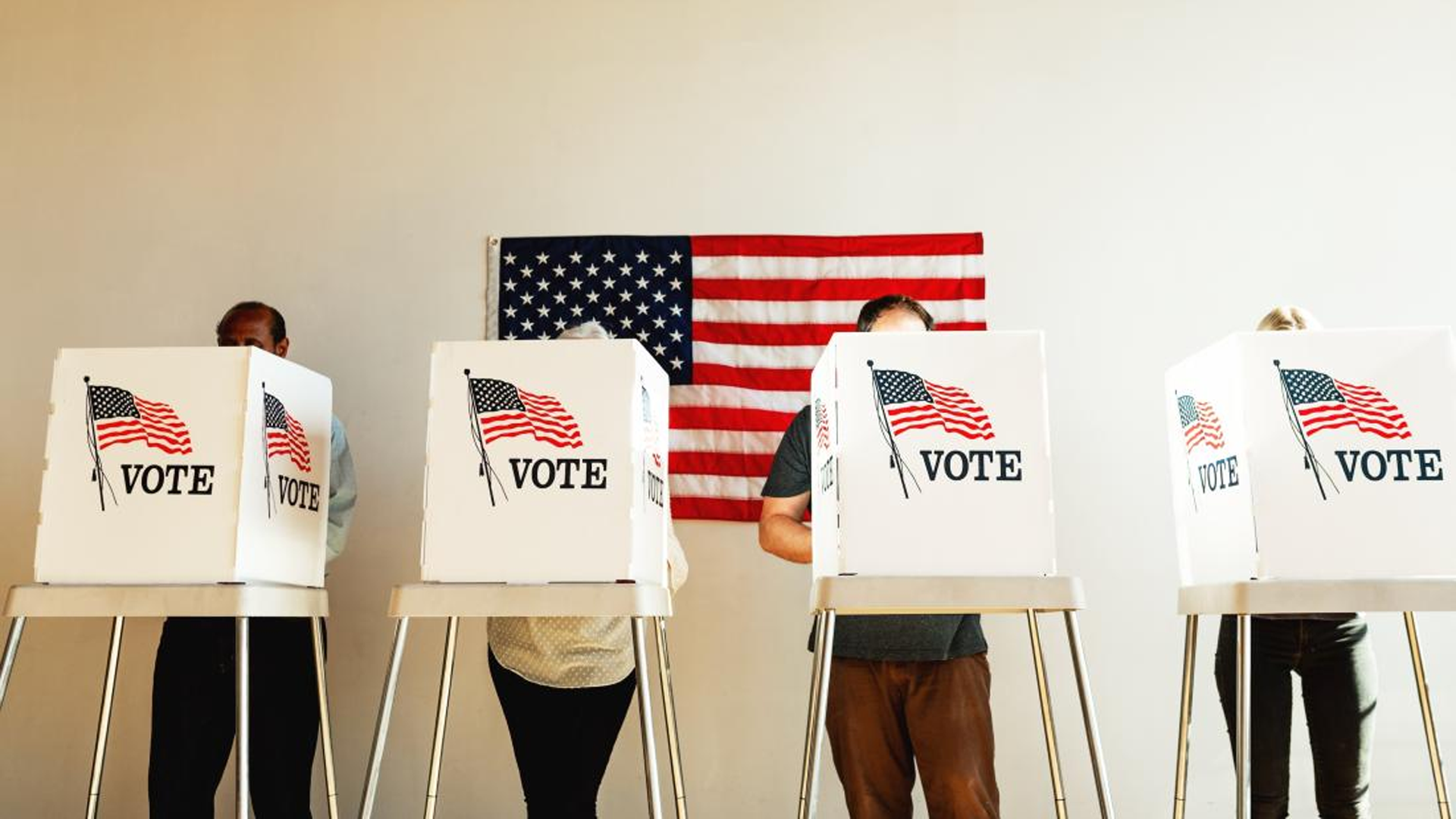
Democracy isn't a system that runs on its own—it depends on the active participation of the people. At its core, voting is the primary way citizens communicate with their government. Each vote represents a voice, and together those voices shape the direction of communities, states, and the nation. Without participation, democracy becomes less representative and less responsive to the needs of its people.
In the United States, voting is both a right and a responsibility. To vote, individuals must be U.S. citizens, at least 18 years old, and registered in their state. While rules vary slightly by state, most people can register online, by mail, or in person, and many states offer early voting or voting by mail. These systems are designed to make participation more accessible and ensure that more people can take part in the democratic process.
Voting allows citizens to choose their leaders at the local, state, and national levels. Elected officials—from mayors and governors to members of Congress and the president—make decisions that affect education, healthcare, public safety, transportation, and more. When people vote, they help decide who will represent their interests and values in government.
Beyond choosing leaders, voting also gives people direct influence over laws and policies. Many elections include ballot measures, which allow voters to approve or reject laws, constitutional amendments, or public policies. These decisions can affect taxes, education systems, civil rights, and criminal justice, giving citizens a direct role in shaping the rules that govern their lives.
Voting is also a powerful tool for accountability. Elected officials are expected to serve the public, and regular elections give voters the opportunity to reward leaders who represent them well or replace those who do not. This system ensures that power ultimately remains with the people and encourages leaders to listen to their communities.
Participation matters just as much as the act of voting itself. When more people vote, election results more accurately reflect the will of the population. However, voter turnout in the United States is often uneven. Younger people, lower-income individuals, and some marginalized communities tend to vote at lower rates, which can lead to policies that do not fully reflect their needs. Increasing participation helps create a more fair and representative democracy.
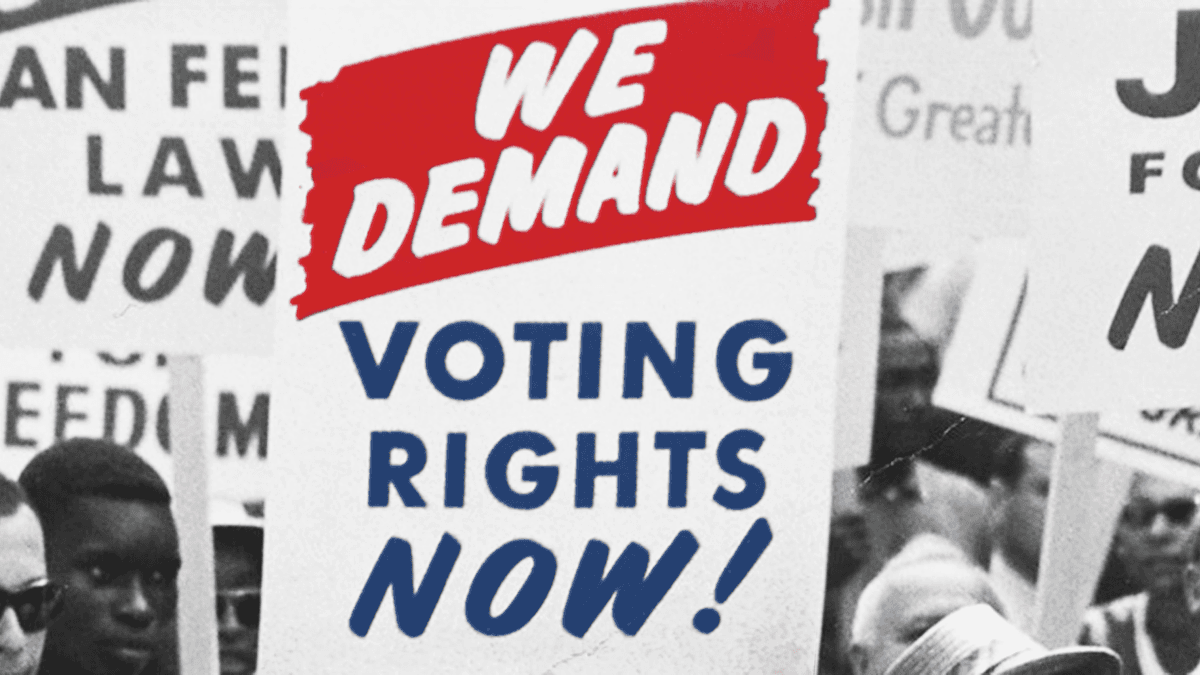
The right to vote hasn't always been equally available to all Americans. Throughout history, many groups—including women, Black Americans, Native Americans, and others—were denied this right and had to fight for it through protest, legislation, and constitutional amendments. Expansions of voting rights, such as the Fifteenth Amendment, the Nineteenth Amendment, and the Voting Rights Act of 1965, reflect ongoing efforts to make democracy more inclusive.
Voting often leads to greater civic engagement. People who participate in elections are more likely to stay informed about issues, discuss ideas with others, volunteer in their communities, and communicate with elected officials. In this way, voting is not just a single act but part of a broader pattern of participation that strengthens democratic society.
It's important to remember that elections happen every year, not just during presidential races. Local and state elections often have the most direct impact on daily life. Officials such as school board members, city council members, and judges make decisions about education, housing, public safety, and the justice system. Even ballot measures and local races—sometimes found at the bottom of the ballot—can shape communities in lasting ways.
Why It Matters
Some people believe their vote doesn't matter, especially in large elections, but change in a democracy rarely happens all at once—it builds over time through the combined actions of many individuals. When people vote consistently and encourage others to participate, they help create a system that reflects the needs, values, and voices of the entire population. Voting is one of the most direct ways citizens influence their government, shaping decisions that affect everyday life. As participation increases, democracy becomes stronger, more representative, and more responsive to the people it serves. When participation is low, however, decisions are shaped by fewer voices, which can lead to inequality and leave many communities underrepresented. In this way, voting is not just an individual act—it is a collective force that helps define the direction and fairness of a democratic society.
?
Dig Deeper
An exploration of why people vote and why participation matters in democracy.
Ben Sheehan uncovers the surprising – and often overlooked – true history of voting rights in America. From the founding era to Reconstruction to Civil Rights to today, this is the story that may not have been fully taught in school. Case in point: Americans don’t actually have a constitutional right to vote for president…
A breakdown of different voting systems and how they shape election outcomes.
Related
Universal Suffrage in the United States
The right to vote wasn’t handed to everyone—it was fought for, over centuries, by people demanding that democracy actually mean everyone has a voice.
What Is Civics?
Civics is the study of how citizens participate in democracy—and why their participation matters.
Basic Rights and Personal Responsibilities
Rights give us freedom. Responsibilities protect those freedoms—for ourselves and for each other.
Further Reading
Stay curious!