

Roe v. Wade: A Decision That Defined Reproductive Rights in America
A symbolic gavel resting on a book titled 'Roe v. Wade,' representing the landmark Supreme Court decision.
What Happened?
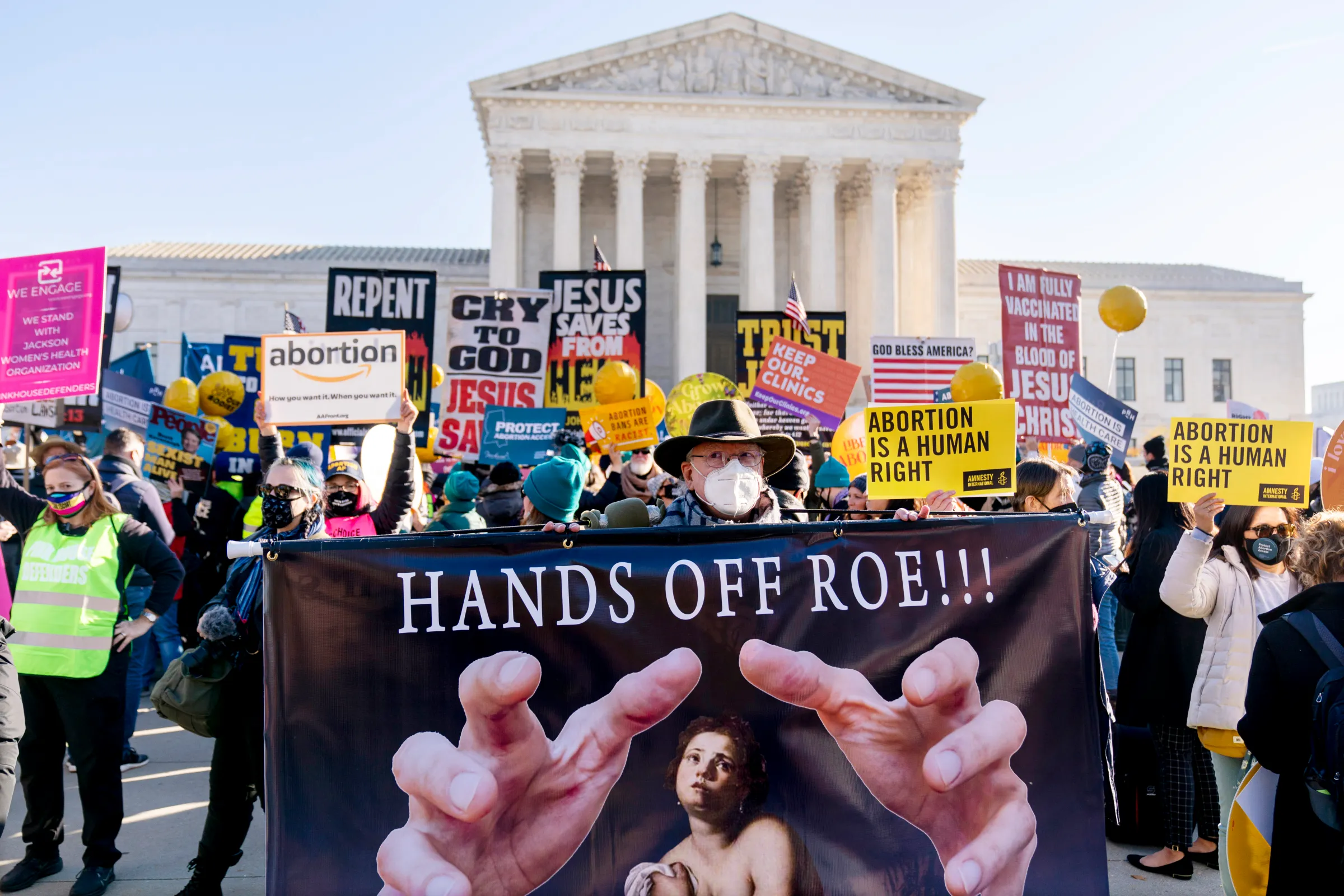
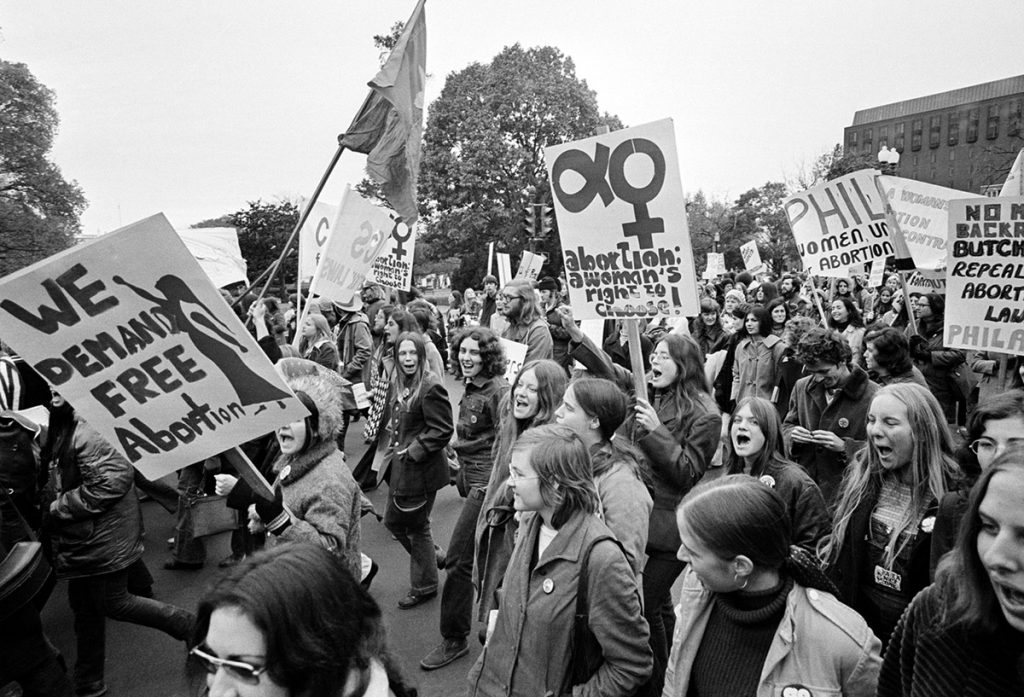
The Supreme Court’s decision in Roe v. Wade recognized abortion as a constitutional right under the 14th Amendment’s implied right to privacy. The ruling set a federal standard, balancing individual liberty with state regulation over pregnancy stages. For 49 years, Roe defined reproductive rights, reducing maternal mortality and shaping public opinion on abortion access. In 2022, Dobbs v. Jackson Women’s Health Organization overturned Roe, returning abortion policy to the states and reigniting national debates on privacy, equality, and autonomy.
Why It Matters
Roe v. Wade was a defining moment in American legal and cultural history, establishing reproductive choice as a constitutional right under the umbrella of privacy. By affirming this right, the decision significantly reduced maternal mortality and elevated the principle of personal autonomy, empowering individuals to make decisions about their own bodies. Roe represented a broader commitment to liberty and equality, particularly for women, ensuring they could participate more fully in society by having control over their reproductive lives. The reversal of Roe in Dobbs v. Jackson Women’s Health Organization marked a seismic shift, returning the contentious debate over abortion rights to the states. This decision underscored the complexities of balancing federal and state authority in a democracy while reigniting questions about privacy, equality, and personal freedom. The divergence in state-level abortion laws has created an uneven patchwork of rights, amplifying disparities and forcing a renewed examination of what it means to ensure fairness and autonomy in a democratic society. Understanding the legacy of Roe v. Wade is crucial for addressing the broader implications of its reversal and for engaging with ongoing debates about privacy, personal freedom, and the role of government in shaping fundamental rights. This historical context offers vital insights into the challenges of achieving justice and equity in a diverse and evolving democracy.
?
Dig Deeper
Explore the origins and impact of Roe v. Wade, the legal case that established a constitutional right to abortion.
Related
Jim Crow and Plessy v. Ferguson
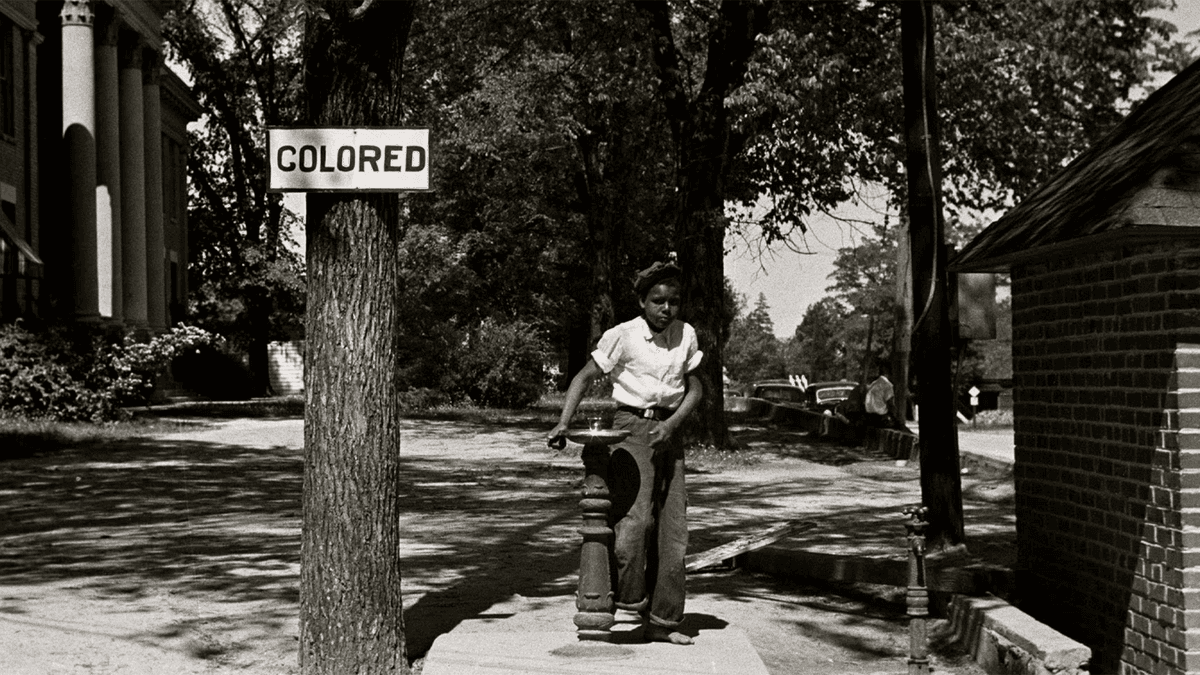
After Reconstruction, the South built a legal system to enforce racial segregation and strip African Americans of political power. The Supreme Court’s Plessy v. Ferguson decision in 1896 made 'separate but equal' the law of the land—cementing injustice for decades.
Privacy in the Digital Age: Protecting Your Information
As we share more of our lives online, protecting personal information has become a critical challenge. How can we safeguard our privacy in an age of data breaches and surveillance?
The Bill of Rights: What Is It and What Does It Actually Do?
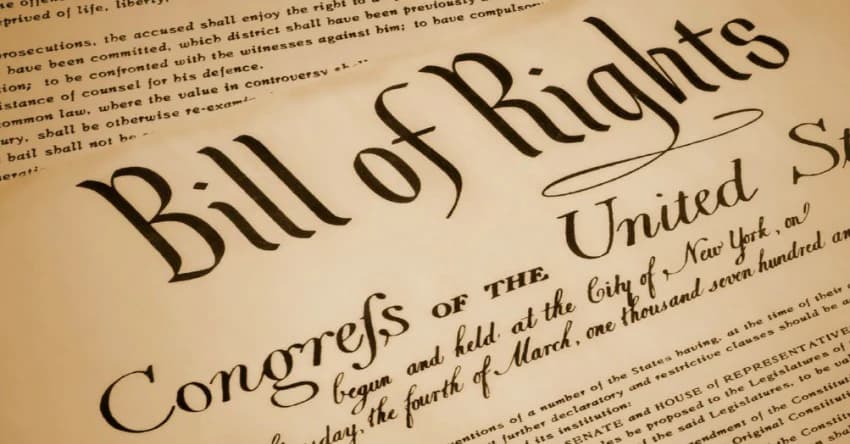
The Bill of Rights wasn’t added to the Constitution because everything was going great, it was added because the people didn’t trust the government. And they had every reason not to.
Further Reading
Stay curious!