

1865: The 13th Amendment Abolishes Slavery—Or Does It?
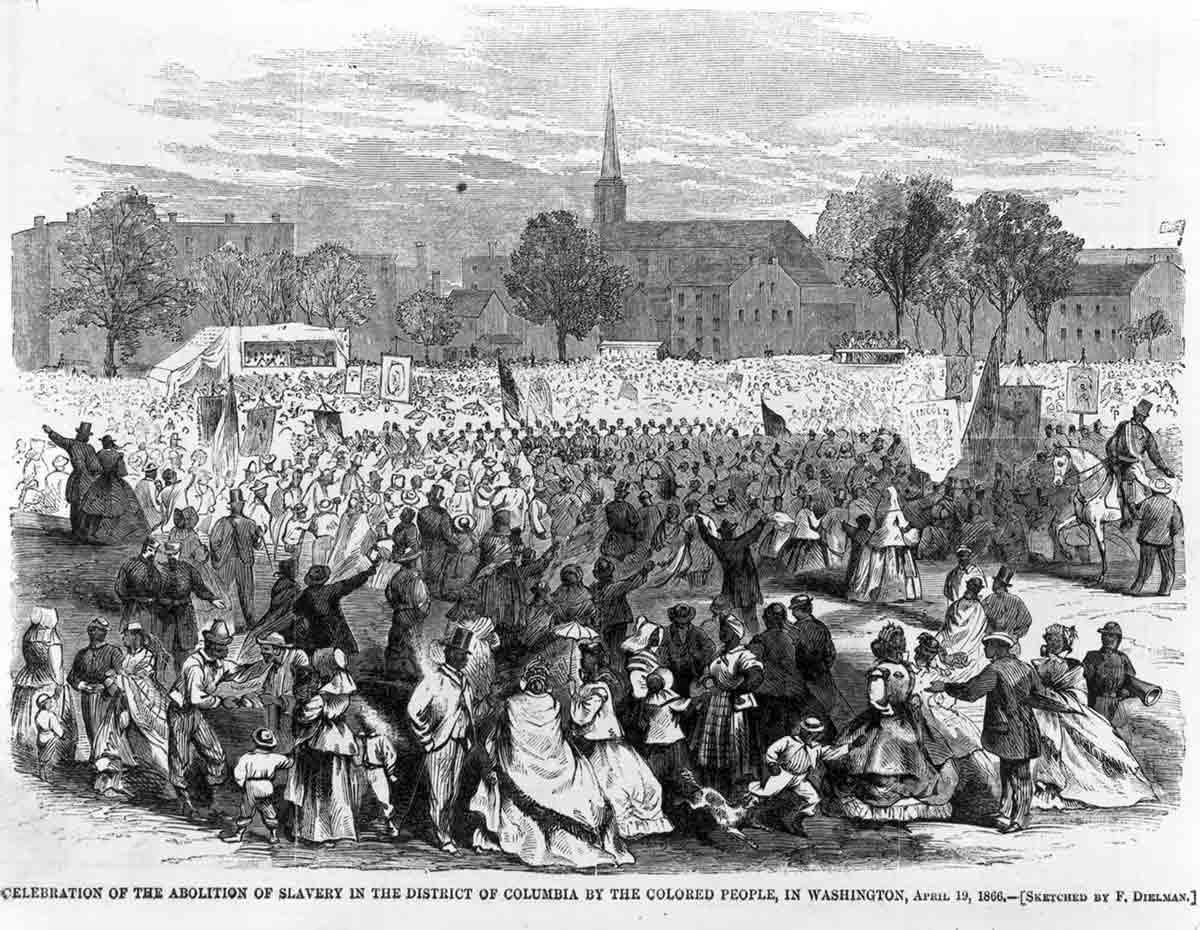
The U.S. House of Representatives passes the 13th Amendment, abolishing slavery—except as punishment for a crime.
What Happened?
On January 31, 1865, Congress passed the 13th Amendment, officially outlawing slavery in the United States—except for one major caveat. The amendment abolished slavery and involuntary servitude, ‘except as punishment for a crime.’ While this move legally freed nearly four million enslaved people, it left a loophole wide enough to drive an entire system of forced labor through.
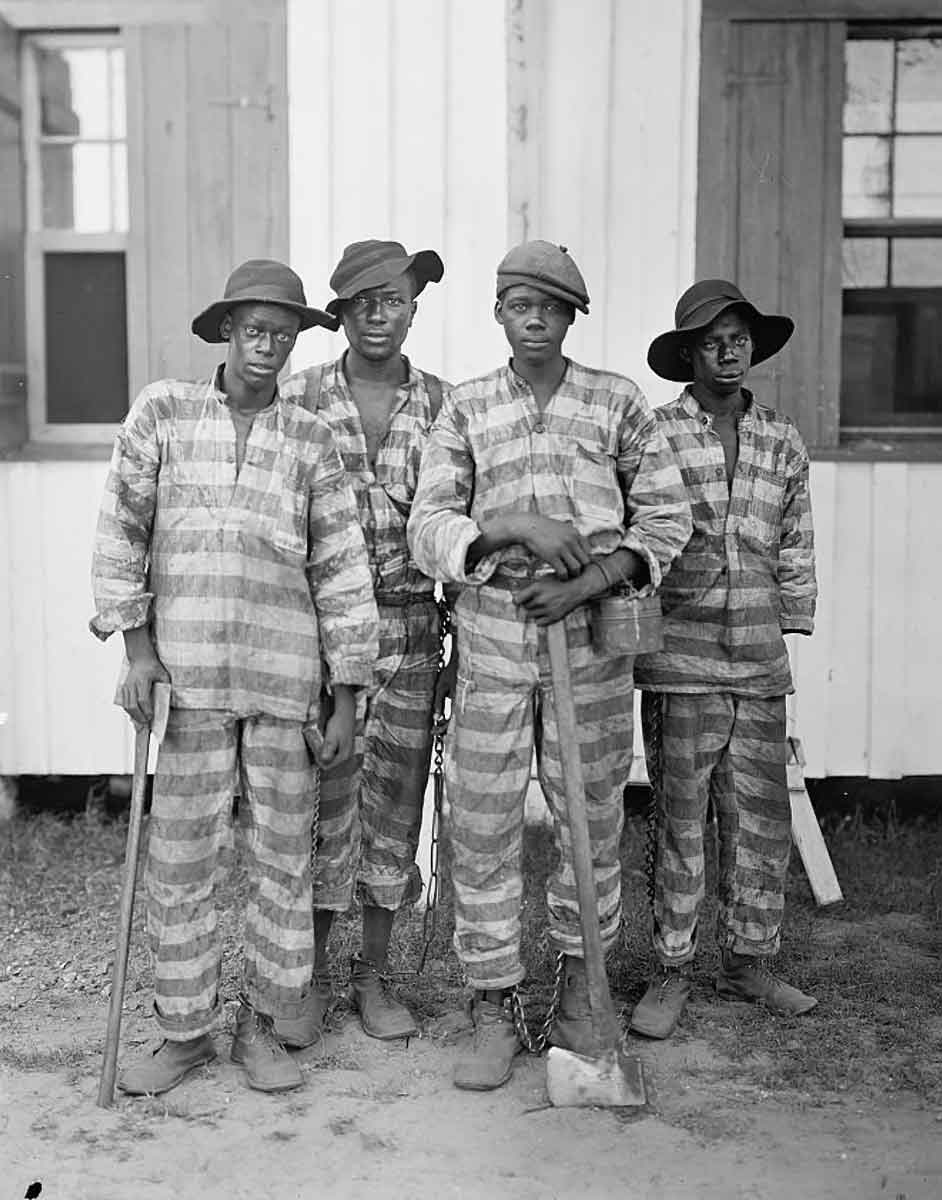
In the immediate aftermath, Southern states passed ‘Black Codes’—laws designed to criminalize the daily existence of newly freed Black Americans. Walking without proof of employment, gathering in groups, or even speaking ‘disrespectfully’ to a white person could lead to arrest and forced labor in prisons. Plantation owners and business elites seized on this system, leasing out prisoners to work in coal mines, railroads, and farms under brutal conditions.
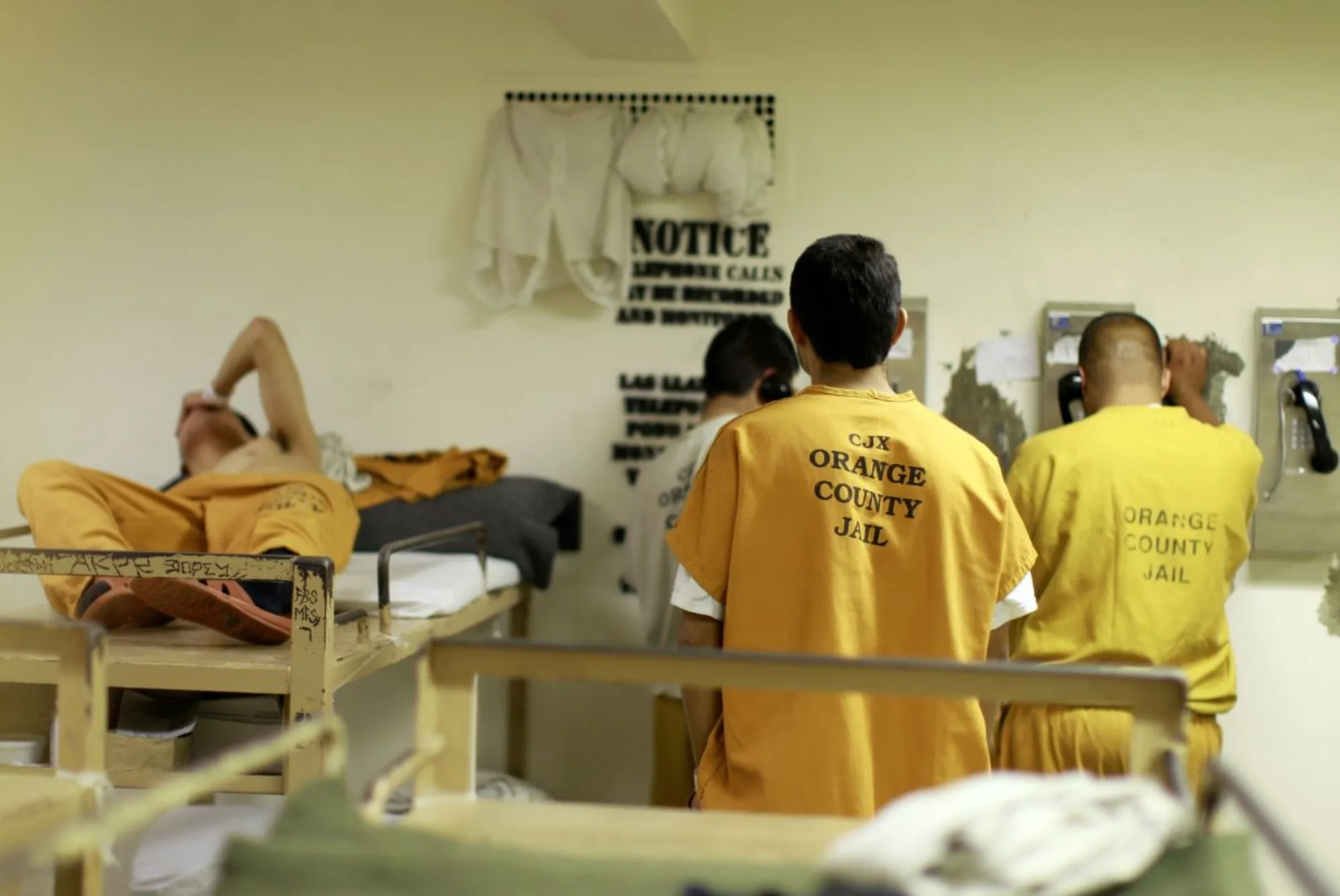
Today, echoes of this system remain in the American prison-industrial complex. Hundreds of thousands of incarcerated people—disproportionately Black and Brown—work for pennies an hour, producing everything from license plates to military gear. States like California even rely on prison labor to fight wildfires. The fight to close this ‘slavery loophole’ has gained momentum in recent years, with several states voting to remove forced prison labor from their constitutions. But the question remains: Is the 13th Amendment the victory we were taught it was, or an unfinished chapter in the struggle for justice?
Why It Matters
We celebrate the 13th Amendment as the law that ended slavery, but its loophole left the door open for a new system of forced labor—one that still thrives today. The transition from plantations to prison cells wasn’t an accident; it was by design. Understanding this history forces us to ask hard questions about modern mass incarceration, prison labor, and the lingering racial injustices embedded in our legal system. Does true abolition mean simply ending slavery, or does it mean dismantling every system built to replace it?
?
Dig Deeper
Should companies provide a ‘Made In an American Prison’ label if the product is made in an American jail?
Related
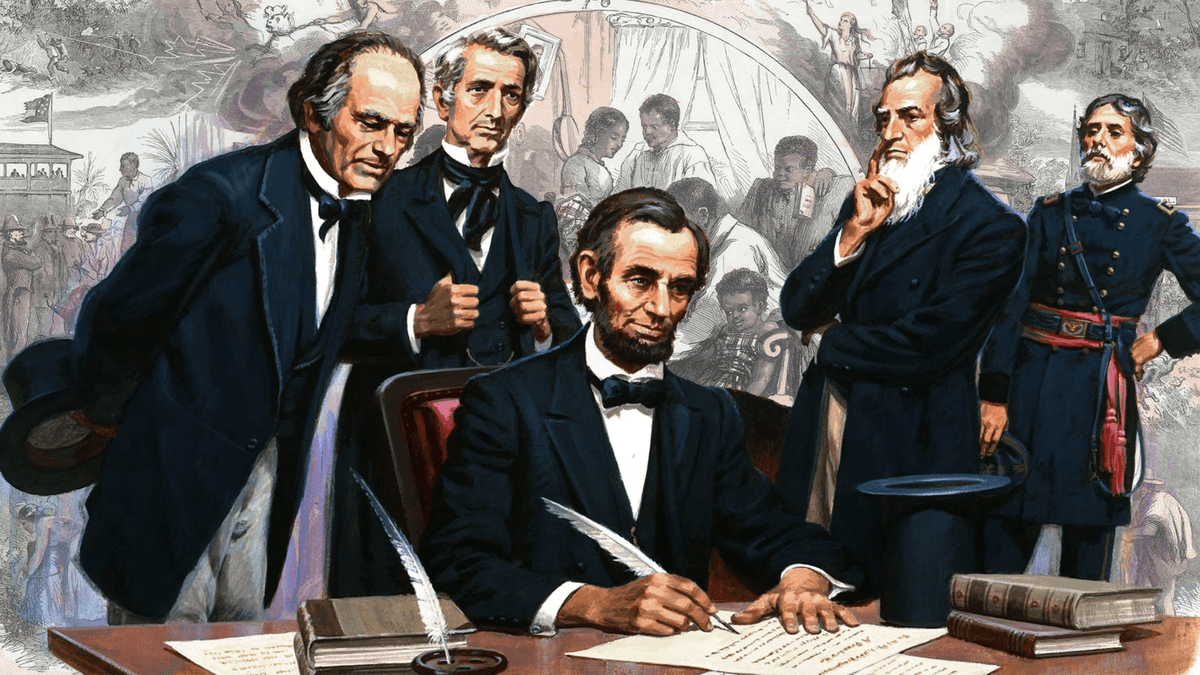
The Emancipation Proclamation & The 13th Amendment
Freedom on paper is one thing; freedom in practice is another. The Emancipation Proclamation and the 13th Amendment were giant leaps toward liberty—yet the road ahead for formerly enslaved people was long and uneven.
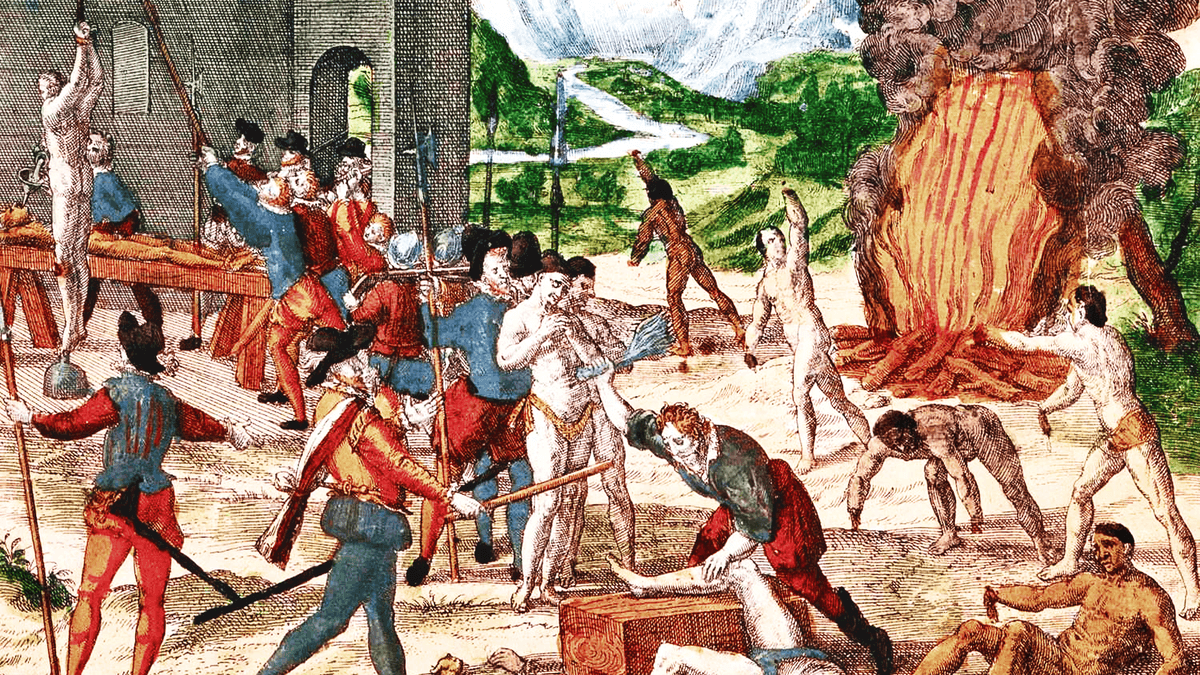
The Encomienda System: Empire, Labor, and the Roots of Colonial Slavery
The encomienda system promised 'protection' and Christianization. What it delivered was forced labor, cultural erasure, and the blueprint for slavery in the Americas.
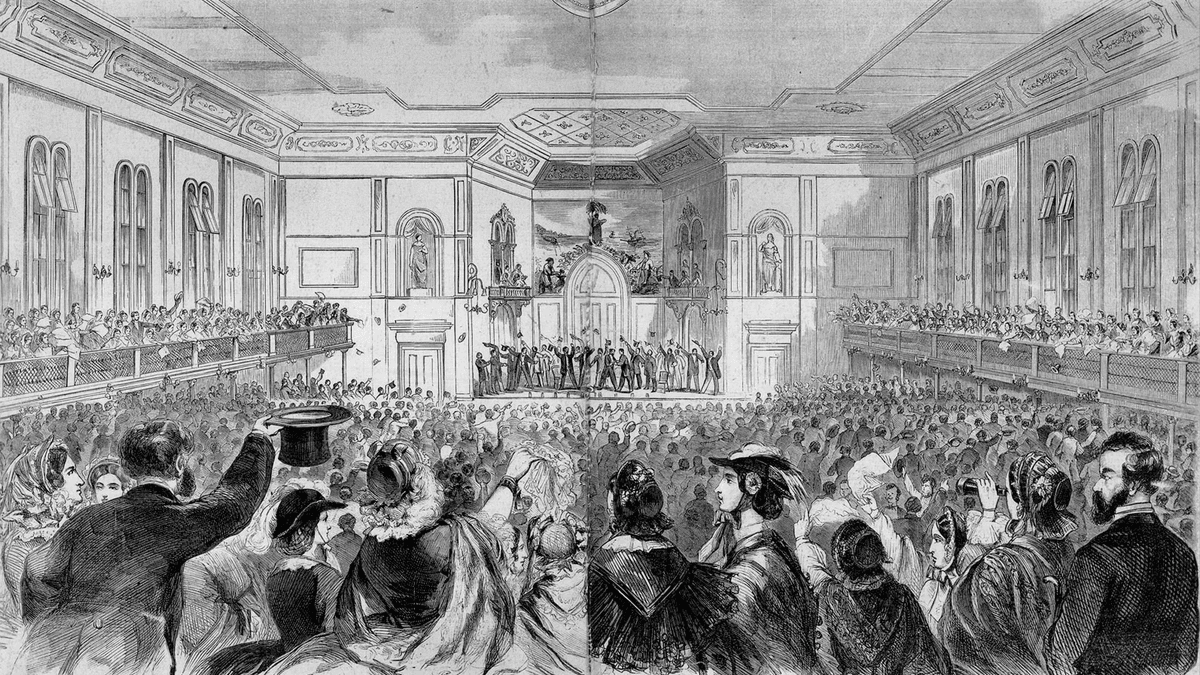
North Carolina’s Road to Secession
Why a state known for hesitation became a decisive force in the Confederacy.
Further Reading
Stay curious!