

1633: Galileo Galilei Arrives in Rome to Face the Roman Inquisition
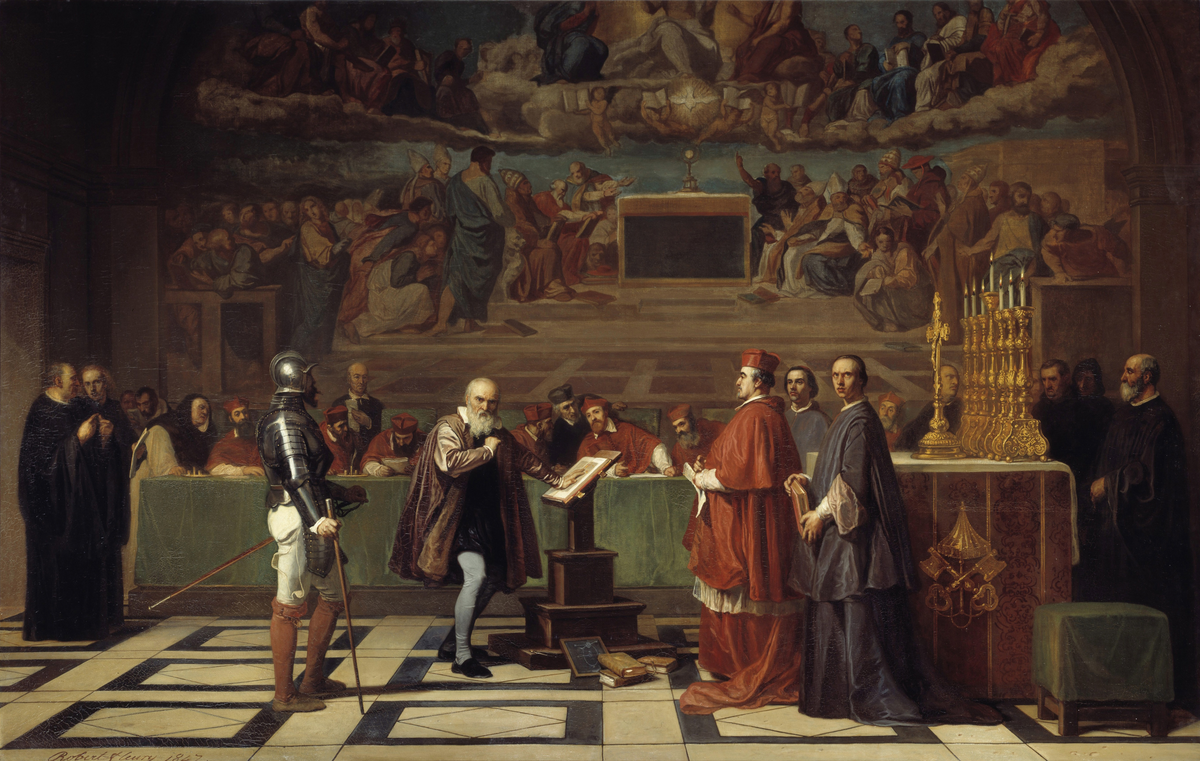
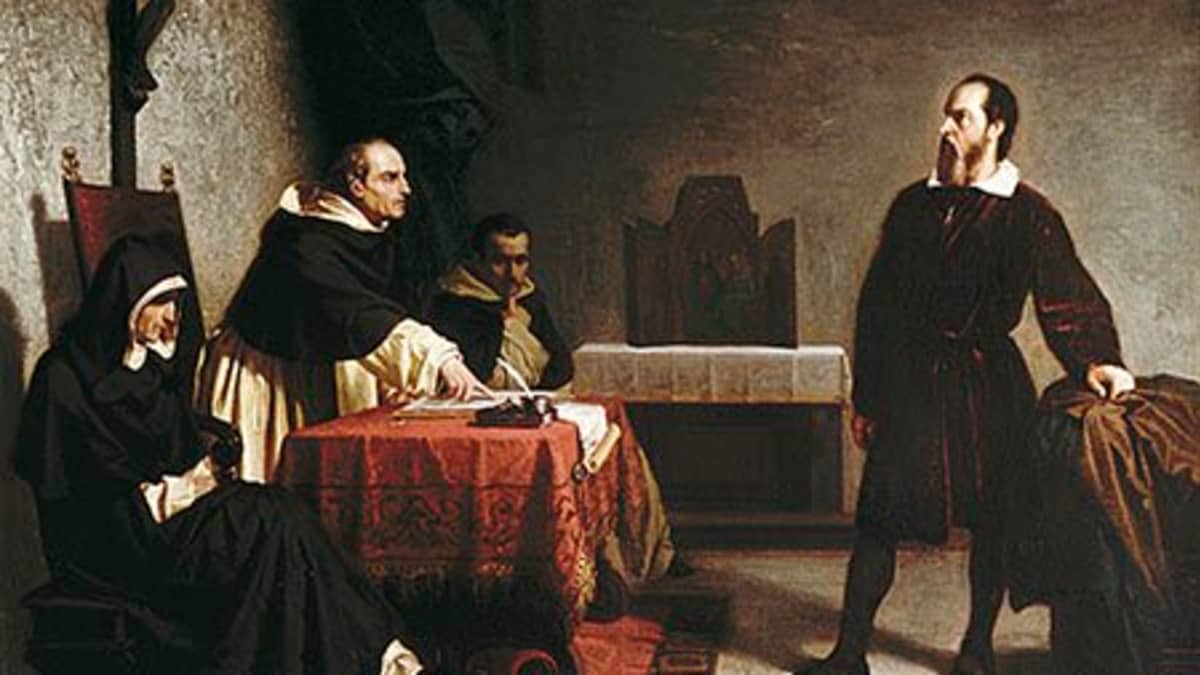
A dramatic scene of Galileo Galilei before the Roman Inquisition, defending his support of the heliocentric model.
What Happened?
Galileo Galilei, born in 1564, was a brilliant scientist and mathematician who forever changed the way humans understand the universe. Initially studying medicine, he shifted his focus to philosophy and mathematics, ultimately challenging the scientific dogma of his time.
While teaching at the University of Pisa, Galileo disproved Aristotle’s long-held belief that heavier objects fall faster than lighter ones—possibly by dropping objects from the Leaning Tower of Pisa.
His groundbreaking work in astronomy led him to develop a telescope that could magnify objects up to 20 times. With it, he observed the rugged surface of the Moon, the moons of Jupiter, the phases of Venus, and the realization that the Milky Way was composed of countless stars. These findings supported the heliocentric model of the universe, which the Catholic Church deemed heretical.
In 1616, Galileo was warned by the Church to abandon his support of heliocentrism. He didn’t. Instead, he continued writing and publishing his findings, leading to his infamous 1633 trial before the Inquisition.
Rather than risk execution, Galileo agreed to recant his theories and was sentenced to house arrest for the remainder of his life. Despite this, he continued to study physics, motion, and gravity—paving the way for the future of science.
Why It Matters
Galileo’s trial wasn’t just about astronomy—it was about power, control, and the eternal struggle between knowledge and dogma. His story is a reminder that challenging authority in pursuit of truth can come at great personal cost, but history favors those who dare to ask big questions. Today, we still see similar battles over scientific discoveries, from climate change to medical advancements. What lessons can we learn from Galileo’s defiance, and who are the Galileos of our time?
?
Why is it important to stand by the truth even when others refuse to believe it?
Why do you think the Catholic Church felt so threatened by Galileo’s discoveries?
What risks do scientists and truth-seekers face today when challenging the status quo?
Scientific discoveries often face resistance before they become widely accepted. What are some modern scientific debates where people struggle to accept new information?
Dig Deeper
A look at the infamous trial of Galileo Galilei and how his discoveries challenged the world’s understanding of the universe.
Related
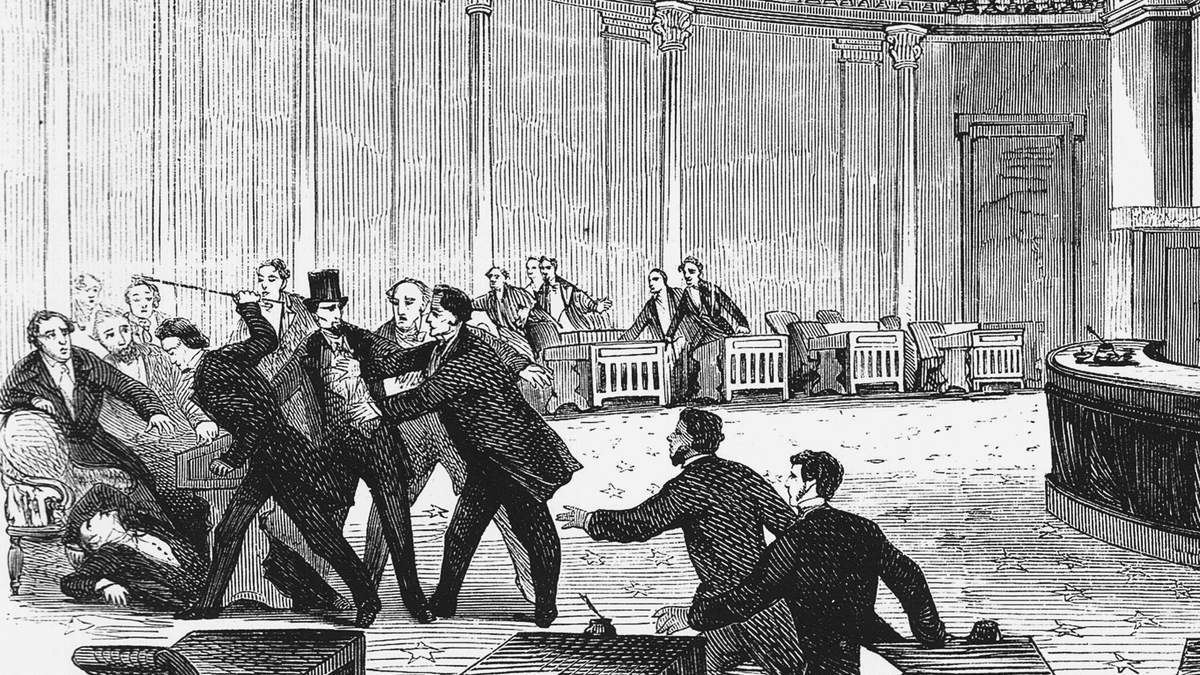
Prelude to War – Sectional Tensions and Failed Compromises
The uneasy balance between free and slave states collapsed in the 1850s, as 'compromises' like the Compromise of 1850 and Kansas-Nebraska Act inflamed tensions instead of easing them.
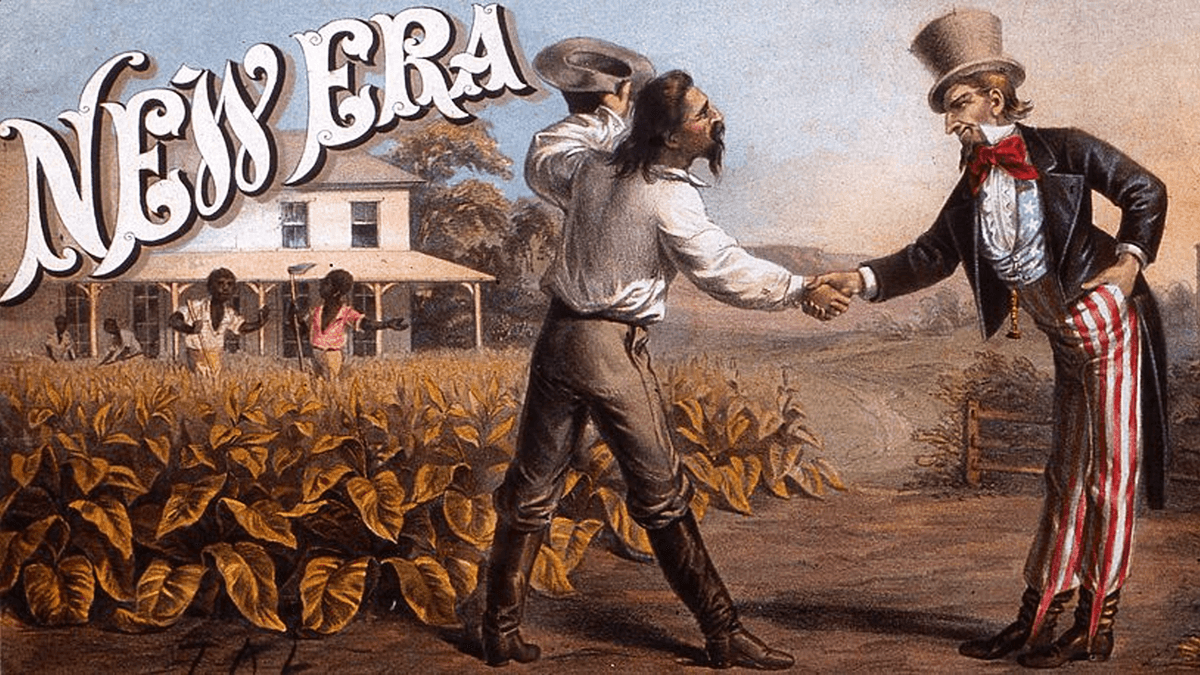
Reconstruction: Rebuilding a Nation and Redefining Freedom
After the Civil War, the United States faced the enormous task of reintegrating the South, securing rights for freedpeople, and redefining citizenship and equality. Reconstruction (1865–1877) was a bold experiment in democracy—filled with groundbreaking laws, historic firsts, and fierce backlash.
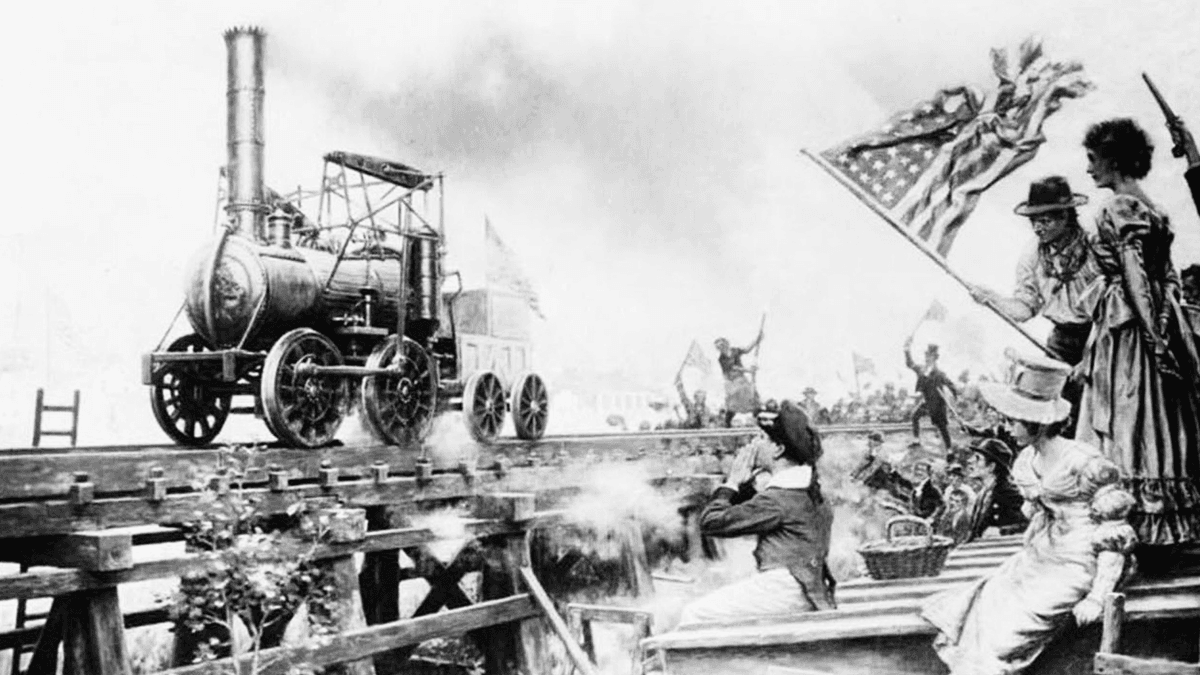
The Market Revolution: How Innovation Transformed America
In the early 1800s, America changed from a land of small farms to a booming nation of factories, railroads, and markets. The Market Revolution connected people, goods, and ideas—while also revealing deep inequalities in who benefited from progress.
Further Reading
Stay curious!