

The Opening of Dachau: The First Nazi Concentration Camp
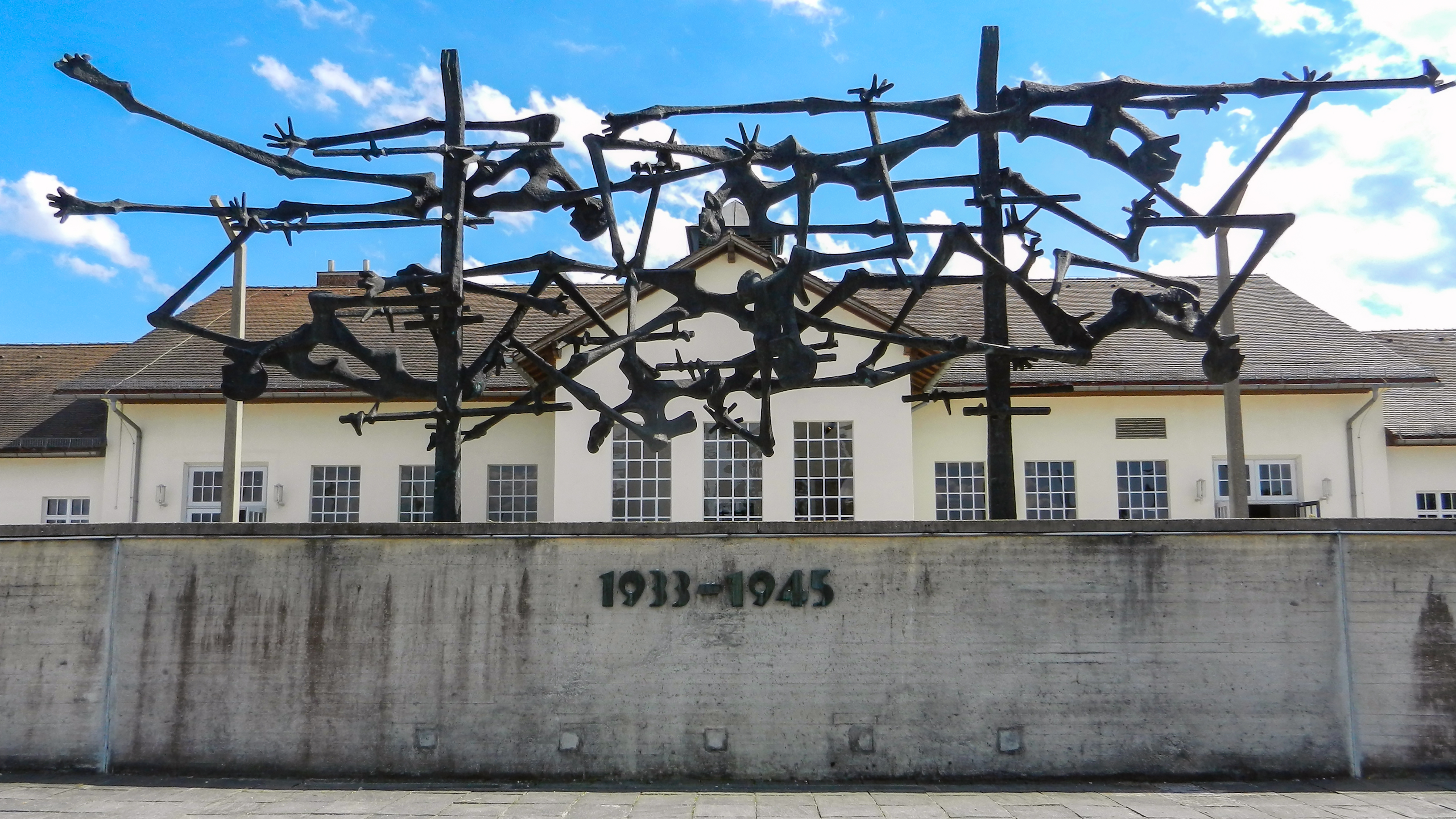
Today, Dachau stands as a memorial, reminding us of the importance of human rights, empathy, and never looking away.
What Happened?
Imagine waking up and realizing that everything has changed overnight. The streets you once walked freely are now dangerous. Your school, your home, and even your friendships are no longer safe. Not because of anything you did, but because someone in power decided that you don’t belong. This was the terrifying reality for thousands of people when, on March 10, 1933, the Nazis opened Dachau, the first concentration camp in Germany. At first, it was used to imprison political opponents—people who disagreed with Adolf Hitler. But soon, it became something much darker.
Dachau was the beginning of a system built on fear and cruelty. The Nazis expanded their reach, rounding up Jewish people, Romani (gypsies), people with disabilities, LGBTQ+ individuals, artists, teachers, religious leaders, and anyone who spoke out against their rule. The message was clear: if you didn’t fit their idea of the “perfect” citizen, you didn’t deserve to exist. More than 200,000 people were imprisoned in Dachau over its 12 years of operation. At least 32,000 of them died—though the real number is likely much higher.
Life in Dachau was designed to break people. Prisoners were starved, beaten, and forced into grueling labor to build weapons for the Nazi war machine. They slept in filthy, overcrowded barracks, with disease spreading rapidly. Some prisoners were subjected to horrific medical experiments, like being frozen alive or injected with deadly diseases to “test” possible treatments. If you tried to escape—or even spoke out—you could be executed on the spot. Dachau became a blueprint for the Holocaust, a warning of what happens when hatred is left unchecked.
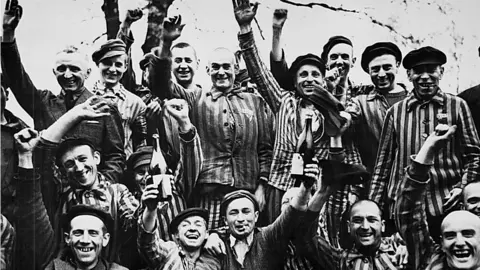
By the time U.S. troops arrived in April 1945, it was almost too late. Thousands of people had already died. Soldiers found train cars filled with rotting corpses. Survivors were skeletal, barely able to stand. And yet, even in the face of such cruelty, many prisoners had resisted in whatever ways they could—sharing food, comforting each other, secretly documenting the horrors they endured. Their stories remind us that even in the darkest times, humanity can survive.
Dachau stands as a reminder of what happens when people stay silent in the face of injustice. The Holocaust did not begin with gas chambers—it began with small decisions: schools expelling Jewish children, businesses refusing to serve certain customers, newspapers spreading lies, neighbors looking the other way. Today, Dachau is a memorial site, a place where visitors can learn, remember, and reflect. Because history doesn’t just live in textbooks—it shapes the world we build every day.
Why It Matters
The story of Dachau is not just history—it’s a lesson about what happens when people allow hate to grow. The Nazis didn’t start with gas chambers; they started by treating people as ‘less than human.’ This kind of thinking still exists today. When we ignore discrimination, injustice, or cruelty, we allow history to repeat itself. Learning about places like Dachau reminds us why it’s important to stand up for what’s right, no matter how small the injustice may seem. The best way to honor the victims is to ensure nothing like this ever happens again.
?
What does it mean to treat someone as 'less than human,' and how can we prevent that thinking today?
Why do you think some people in Germany followed Hitler, even when he was doing terrible things? What does that teach us about standing up for what is right?
How did propaganda and misinformation contribute to the rise of the Nazi regime? Can we see similar patterns today?
Why is it important to remember and talk about difficult events like the Holocaust, even though they are painful?
Dachau was one of the first steps toward the Holocaust. What small signs of injustice do you think people ignored at first, and what can we learn from that?
Dig Deeper
A short documentary on the history of Dachau, the first Nazi concentration camp, and the lessons we must learn from it.
Related
The First Great Awakening: Faith, Fire, and a New American Identity
Long before the Revolution, a different kind of rebellion was stirring, one in the soul. The First Great Awakening reshaped American religion and helped plant the seeds of self-government and democratic identity.
The Emancipation Proclamation & The 13th Amendment
Freedom on paper is one thing; freedom in practice is another. The Emancipation Proclamation and the 13th Amendment were giant leaps toward liberty—yet the road ahead for formerly enslaved people was long and uneven.
Prelude to War – Sectional Tensions and Failed Compromises
The uneasy balance between free and slave states collapsed in the 1850s, as 'compromises' like the Compromise of 1850 and Kansas-Nebraska Act inflamed tensions instead of easing them.
Further Reading
Stay curious!