

Freedom Buttons and the Fight for Student Speech: Blackwell v. Issaquena County Board of Education
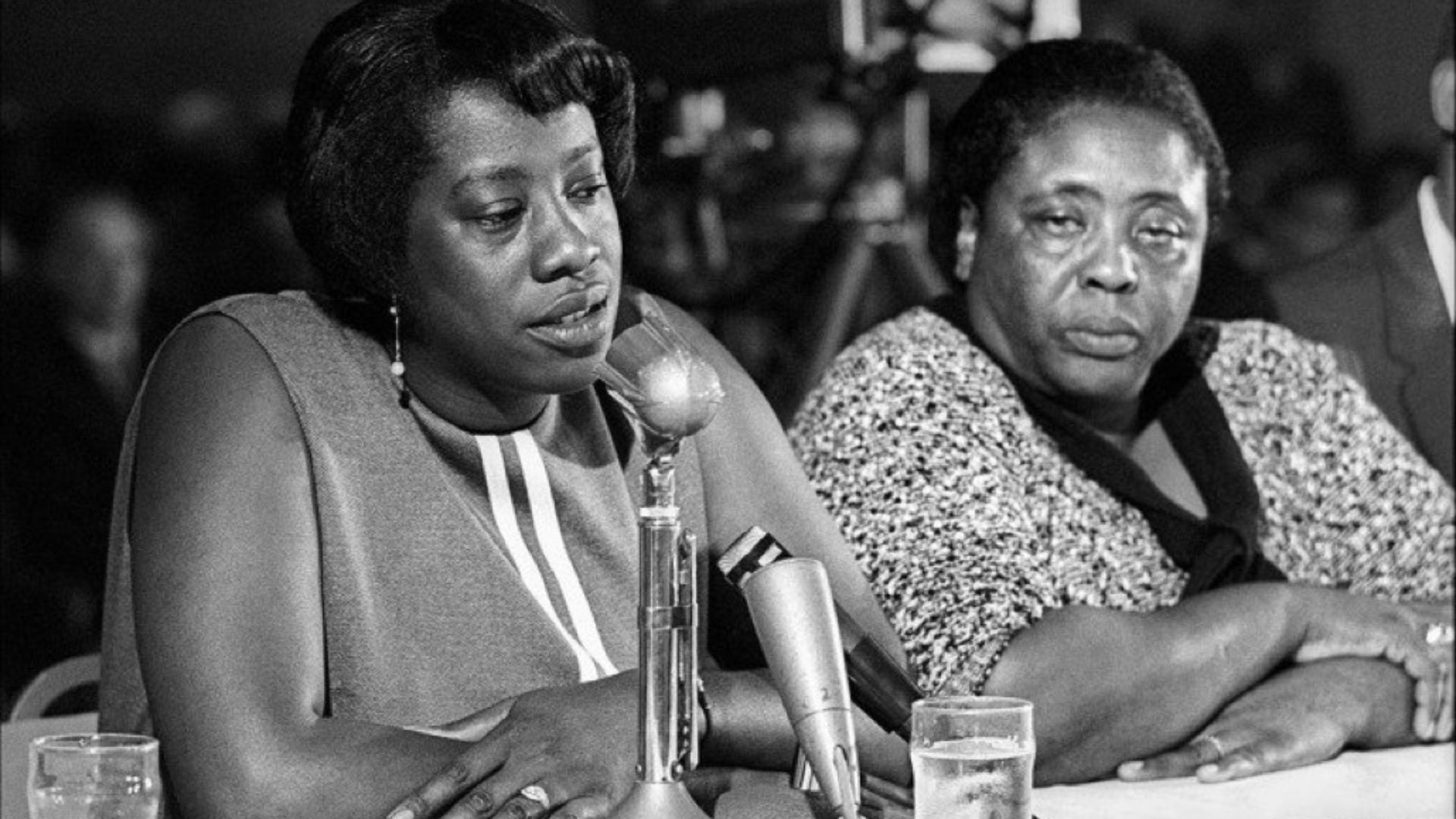
A student wearing a SNCC freedom button showing a Black and white hand clasped together in unity.
What Happened?
In March 1965, students in Issaquena County, Mississippi began wearing buttons from the Student Nonviolent Coordinating Committee (SNCC)—a group helping to register Black voters in the Deep South. The buttons, which showed a Black and white hand clasped in unity, represented a call for civil rights and a challenge to the segregated status quo.
School officials quickly banned the buttons, calling them disruptive. But the students kept wearing them. Hundreds were suspended. Some were expelled. And nearly 150 walked out in solidarity. Students were told they could return only if they promised never to join civil rights actions again.
Unita Blackwell, a SNCC field officer and mother of one of the suspended students, took action. She helped launch a federal lawsuit, Blackwell v. Issaquena County Board of Education, arguing that the school had violated students’ First Amendment rights. The students also demanded that schools desegregate immediately, as the Supreme Court had ruled a decade earlier.
The court ruled against the students on the free speech issue, saying the buttons caused too much disruption. But it sided with them on desegregation: Issaquena schools had to begin integrating by the next school year.
In the aftermath, students, parents, and SNCC organizers started Freedom Schools in churches and homes. There, students taught each other about democracy, history, and civil rights—topics their public schools avoided. These student-run classrooms became a radical space of liberation, proof that education could be grassroots, self-directed, and transformative.
Unita Blackwell didn’t stop. She went on to become the first Black woman mayor in Mississippi in 1976. Her story, and the courage of the students in Issaquena, helped shape the larger battle for justice in America's schools.
Why It Matters
Blackwell v. Issaquena reminds us that civil rights movements are powered by young people. It shows how protest—especially in schools—can provoke backlash, but also lead to change. And it proves that education isn’t just about what happens in classrooms. It’s about who controls the narrative—and who has the courage to speak up.
?
What do freedom buttons symbolize—and why were they considered dangerous by the school?
Should students be allowed to protest at school? Where do we draw the line between disruption and free speech?
How did Freedom Schools challenge the traditional idea of education in America?
What role did youth activism play in the civil rights movement, and how does it continue today?
What does this case teach us about the limits of constitutional rights in real life situations?
Dig Deeper
Unita Blackwell moved with her husband to Issaquena County, Mississippi – a county without a single registered Black voter. She regularly faced threats of violence due to her work with the Student Nonviolent Coordinating Committee, but that didn’t stop her from fighting for voting rights and desegregation.
Related
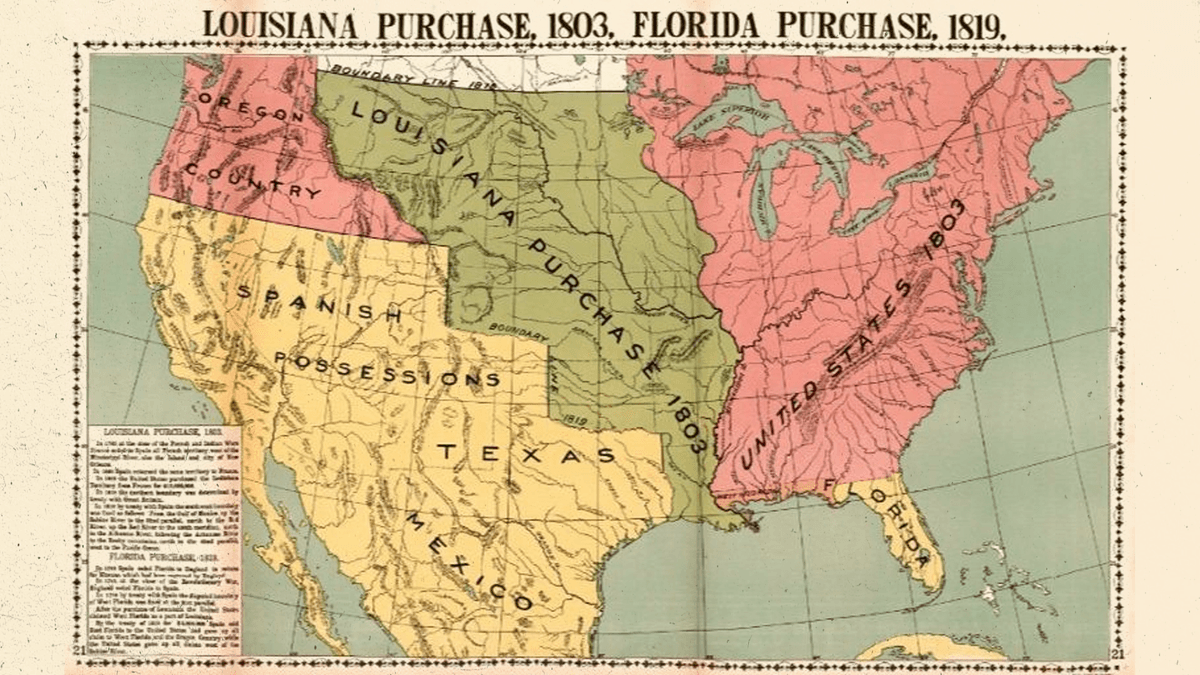
The Louisiana Purchase: A River, A Bargain, and a Bigger United States
In 1803 the United States bought the vast Louisiana Territory from France, doubling the nation’s size, securing the Mississippi River, and setting the stage for westward expansion and hard questions about slavery and Native sovereignty.
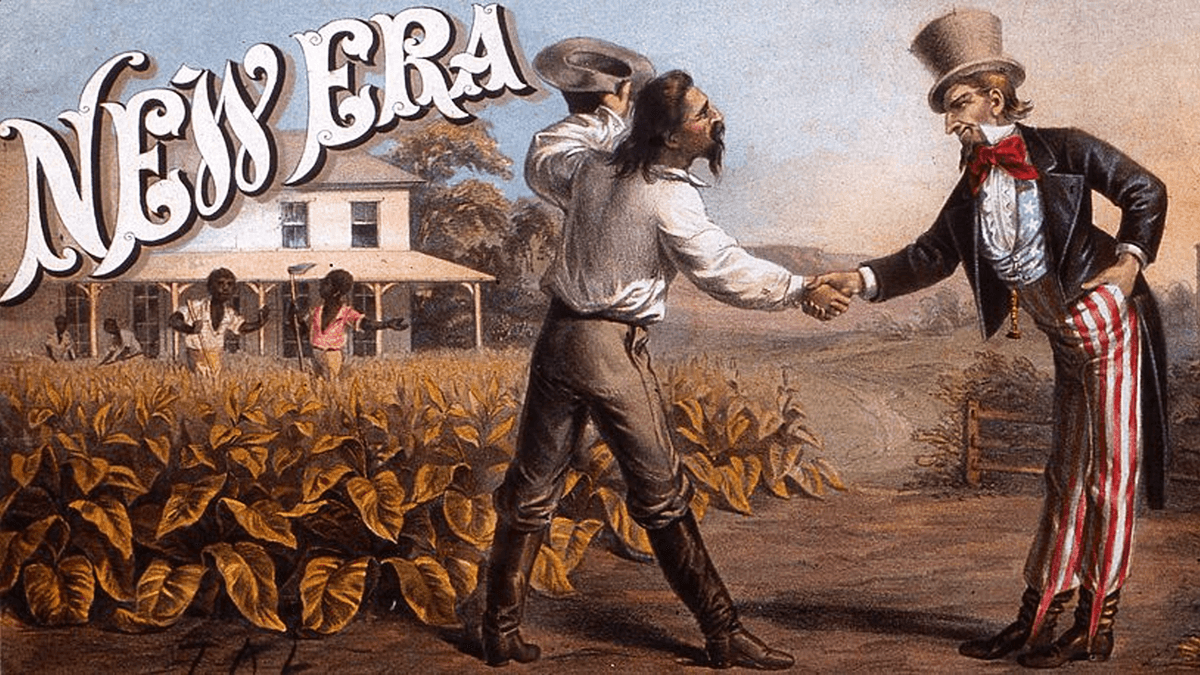
Reconstruction: Rebuilding a Nation and Redefining Freedom
After the Civil War, the United States faced the enormous task of reintegrating the South, securing rights for freedpeople, and redefining citizenship and equality. Reconstruction (1865–1877) was a bold experiment in democracy—filled with groundbreaking laws, historic firsts, and fierce backlash.
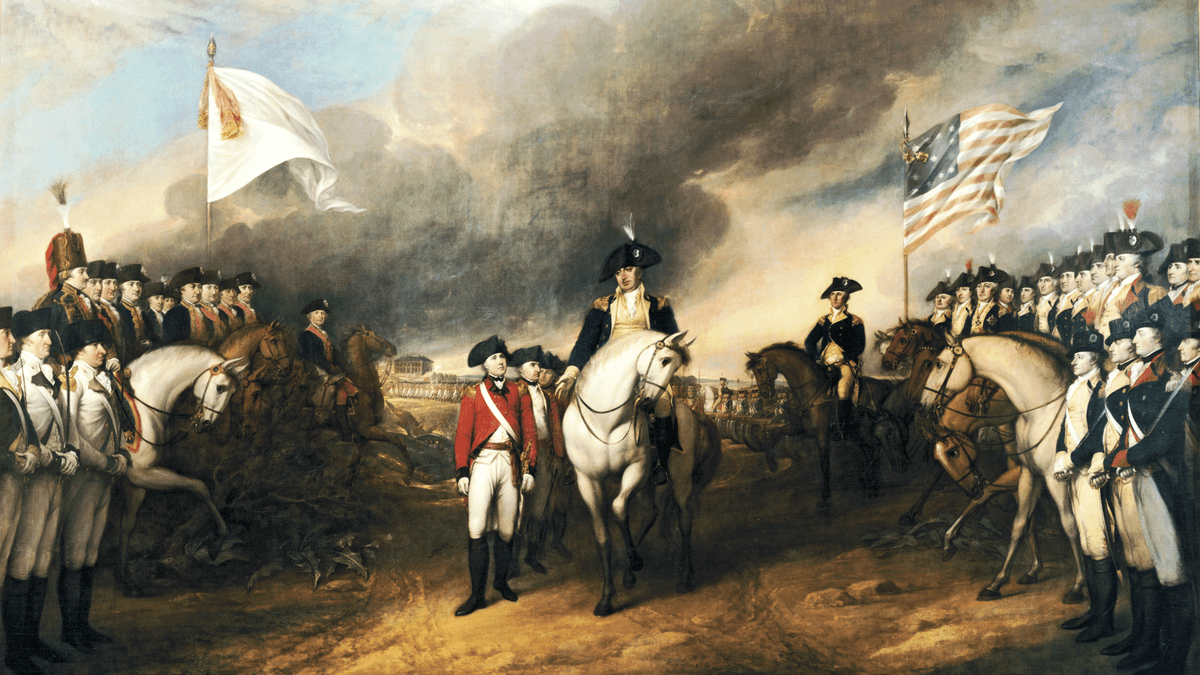
American Revolutionary War: From Protest to a New Nation
How arguments over taxes and rights grew into an eight-year war—and how ideas, allies, and perseverance turned thirteen colonies into the United States.
Further Reading

Stay curious!