

Martin Luther King Jr. Is Assassinated in Memphis
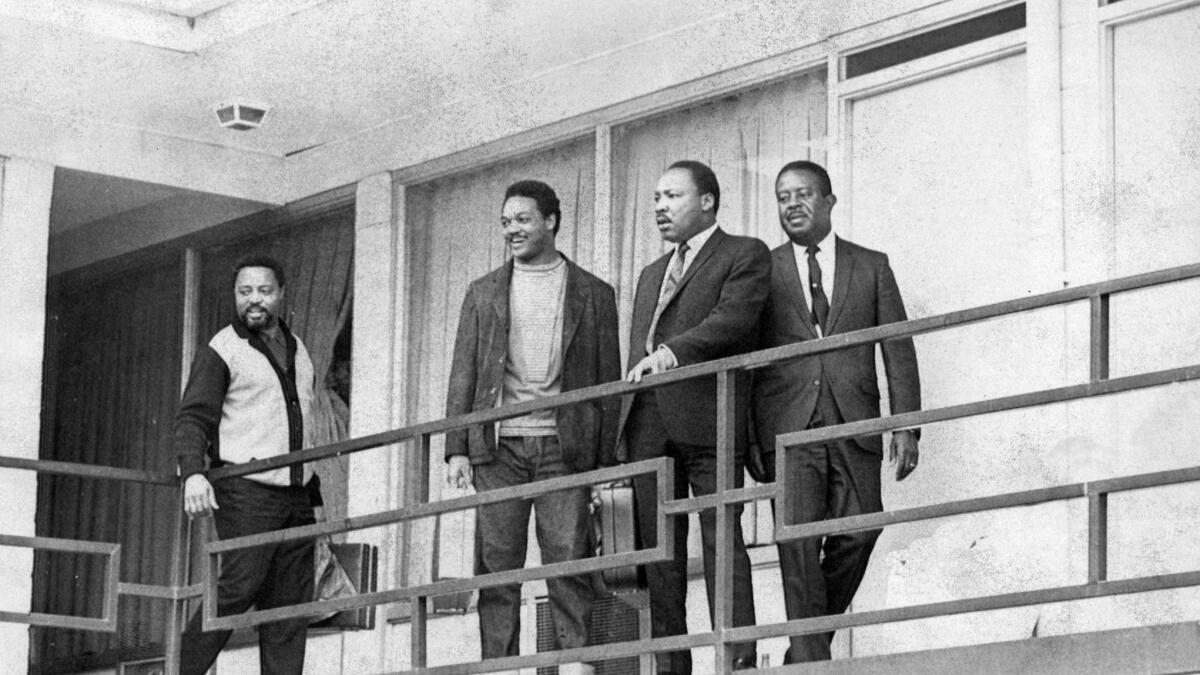
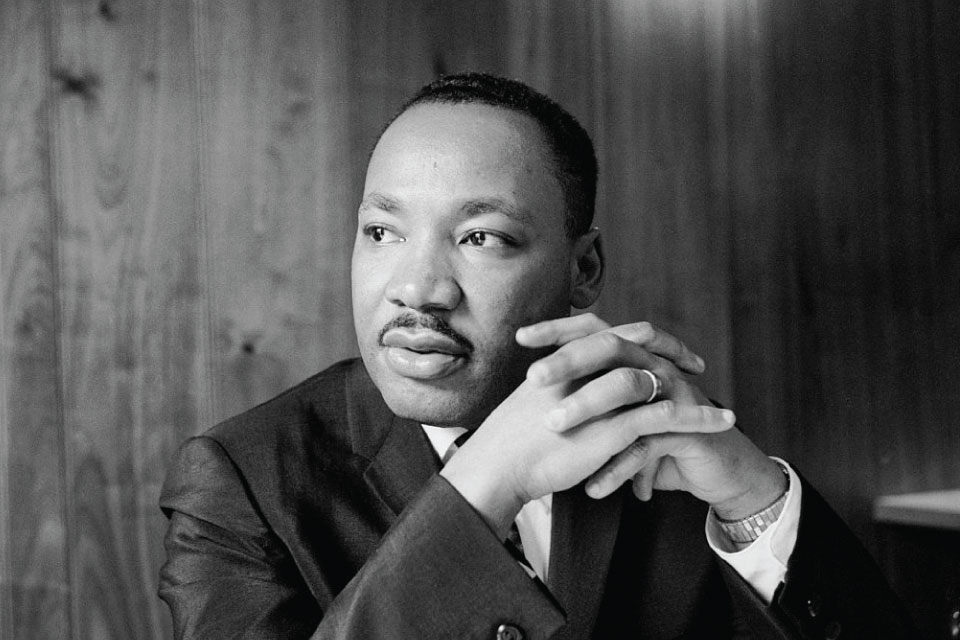
Dr. Martin Luther King Jr. on the balcony of the Lorraine Motel, photographed in the days leading up to his assassination.
What Happened?
King had traveled to Memphis in early April to support a strike by African American sanitation workers. On the evening of April 3, he delivered what would become his final sermon, famously declaring that he had been to the mountaintop and seen the Promised Land.
Just after 6 p.m. on April 4, as King stood on his motel balcony, a single shot rang out, striking him in the jaw and severing his spinal cord. Rushed to a local hospital, he was pronounced dead within the hour.
The next day, grief and fury ignited uprisings in cities nationwide. National Guard troops were deployed, and the violent reactions underscored the deep-seated racial and economic injustice King had spent his life challenging.
Within days, police located a Remington .30-06 hunting rifle at a nearby rooming house, and evidence eventually led authorities to James Earl Ray, an escaped convict and known racist. Ray pleaded guilty to avoid the death penalty, only to later recant amid widespread conspiracy theories. However, multiple investigations reaffirmed Ray’s role in King’s murder.
Why It Matters
Dr. King’s assassination silenced one of America’s most influential voices for social justice. Yet his legacy of nonviolent protest, economic equality, and racial reconciliation remains a guiding light. The shock of his death galvanized new civil rights measures, inspired global activism, and forced a hard look at the nation’s commitment—or lack thereof—to his vision of the ‘Beloved Community.’
?
How did King’s shift toward economic justice and his opposition to the Vietnam War expand both his influence and his list of enemies?
In what ways did the tragic end of King’s life solidify his status as a martyr for the civil rights cause?
How does the aftermath of King’s assassination highlight tensions within the civil rights movement itself?
What role did government agencies, such as the FBI, play in monitoring King, and how has that shaped conspiracy theories surrounding his death?
How did King’s ideas on racial and economic justice continue to evolve, and why are they still relevant today?
Dig Deeper
This video celebrates the life of Dr. Martin Luther King Jr., an American hero who changed the world with his leadership, peaceful protest, and fight for racial equality.
Related
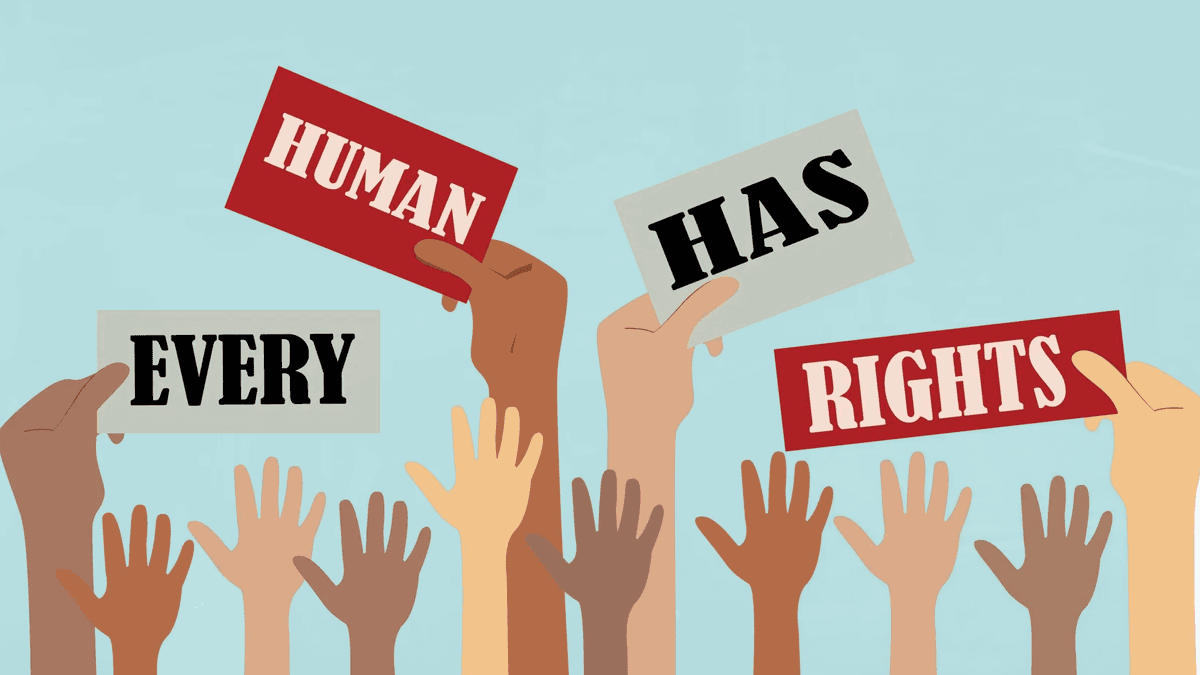
Human Rights
Human rights are the basic freedoms and protections that belong to every person on Earth. They help keep people safe, ensure dignity, and make freedom, justice, and peace possible. But these rights aren’t just given—they must be understood, protected, and defended by all of us.
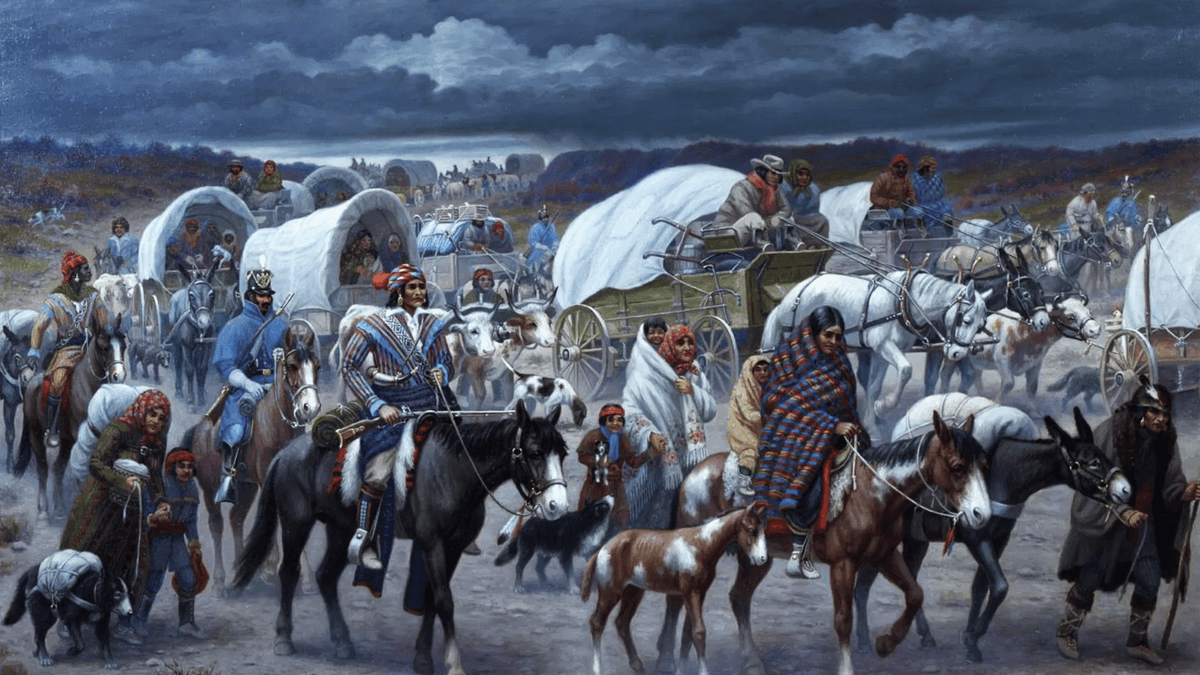
Indian Removal and the Trail of Tears
In the 1830s, the U.S. government forced thousands of Native Americans—including the Cherokee—off their ancestral lands, leading to a deadly westward march known as the Trail of Tears.
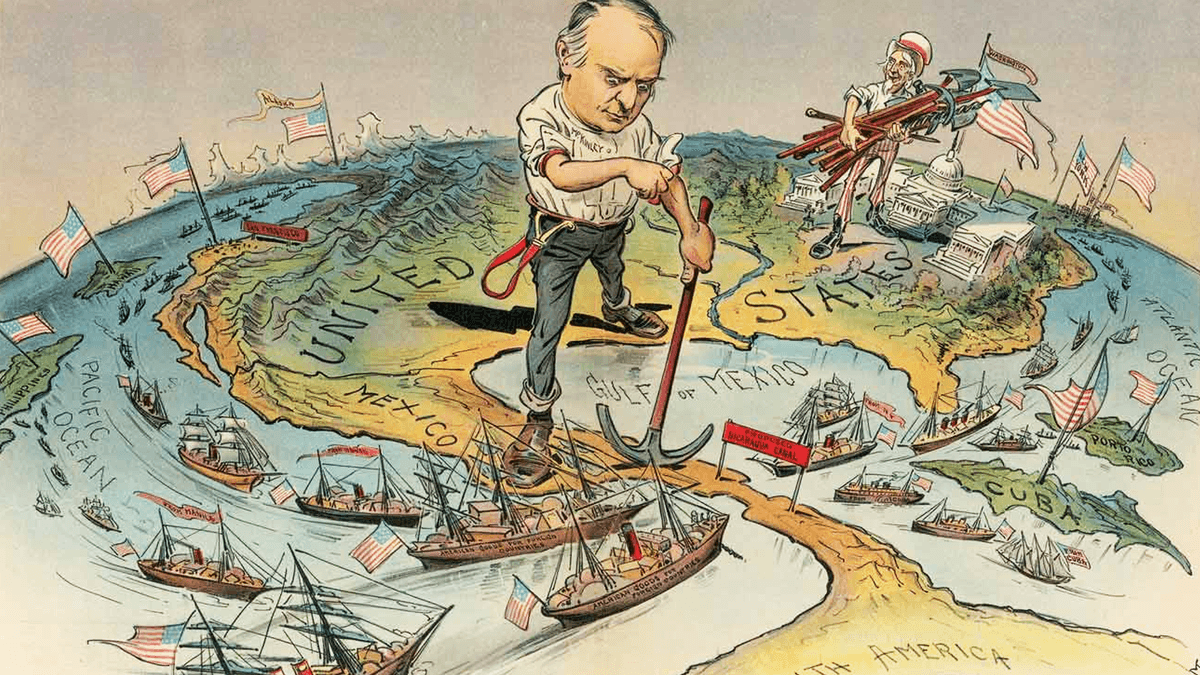
U.S. Imperialism: The Spanish-American War and Its Aftermath
In 1898, the United States fought Spain in a short war that reshaped its identity—from a republic born in anti-colonial revolution to a global imperial power with overseas territories.
Further Reading
Stay curious!