

McKinley Calls for War: U.S. Joins Cuba’s Fight for Freedom—Or Does It?
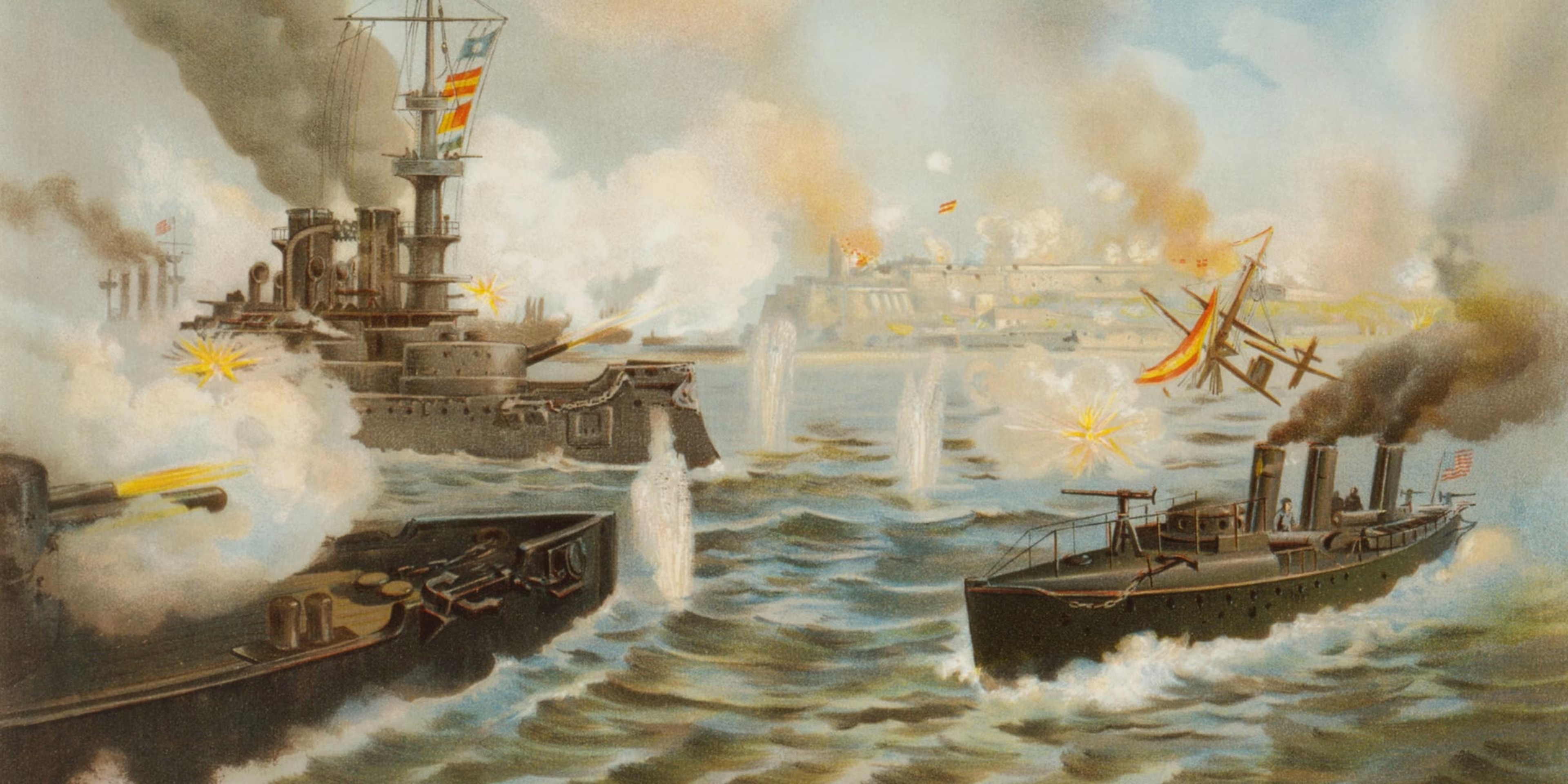
Pushed by public outrage after the mysterious explosion of the USS Maine in Havana Harbor—and fueled by sensationalist media—McKinley told Congress it was time to step in.
What Happened?
Cuba had been trying to throw off Spanish rule for years, and many Americans sympathized. When the battleship Maine exploded in Havana Harbor, killing 252 sailors, war fever exploded—despite later findings that it was likely a mechanical accident, not sabotage.
President McKinley, who had hoped for a peaceful solution, asked Congress to authorize military action. Congress agreed, and by late April, both the U.S. and Spain had declared war. The press dubbed it a crusade for Cuban independence, but the U.S. walked away with control over Puerto Rico, Guam, and the Philippines—and a military presence in Cuba for years to come.
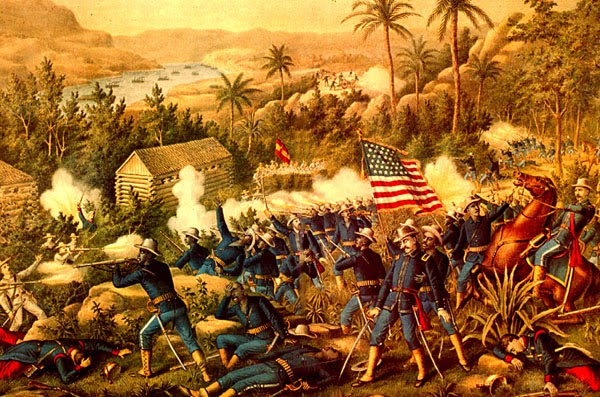
Future president Theodore Roosevelt gained fame charging up San Juan Hill with his 'Rough Riders,' but the real legacy was strategic. The U.S. now had territories in both the Caribbean and the Pacific, and Hawaii was quietly annexed that same summer. A war about liberation had quickly become a blueprint for expansion.
While Americans celebrated victory, critics—then and now—questioned the motives. Was it really about helping Cuba? Or was it about power, prestige, and profits? Today, many historians view the Spanish-American War as the launchpad for U.S. empire-building—and a warning about what happens when emotion, media pressure, and geopolitics collide.
Why It Matters
April 11, 1898 wasn’t just a turning point for Cuba—it was a turning point for the U.S. too. What looked like a humanitarian mission quickly became a story of power and possession. It taught the world that the U.S. wasn’t just a republic anymore; it was becoming an empire. Today, we’re still wrestling with the legacy of that moment—how far should a democracy go to 'spread freedom,' and what are the costs when it decides to stay?
?
What role did the media play in pushing the U.S. toward war with Spain? How does that compare to media influence today?
Why did the U.S. gain control of places like Guam and the Philippines after a war supposedly fought for Cuban independence?
What were President McKinley’s original goals, and how did they shift under public and political pressure?
Why do some historians call this a ‘war of imperialism’? What does that term mean?
How does the story of the Spanish-American War complicate the idea of America as a 'liberator' in global conflicts?
Dig Deeper
Explore how the war started, what happened in battle, and how the U.S. went from a republic to a rising empire in just four months.
Related
Developments in East Asia, 1200–1450
From Confucian bureaucracies to booming cities, East Asia between 1200–1450 reshaped global politics, culture, and technology.
The Louisiana Purchase: A River, A Bargain, and a Bigger United States
In 1803 the United States bought the vast Louisiana Territory from France, doubling the nation’s size, securing the Mississippi River, and setting the stage for westward expansion and hard questions about slavery and Native sovereignty.
The Civil Rights Movement: Struggle, Solidarity, and Social Change
From classrooms to courthouses, buses to bridges, the Civil Rights Movement reshaped America’s laws — and its conscience.
Further Reading
Stay curious!