

Titanic Sinks: 'Unsinkable' Ship Lost in the North Atlantic
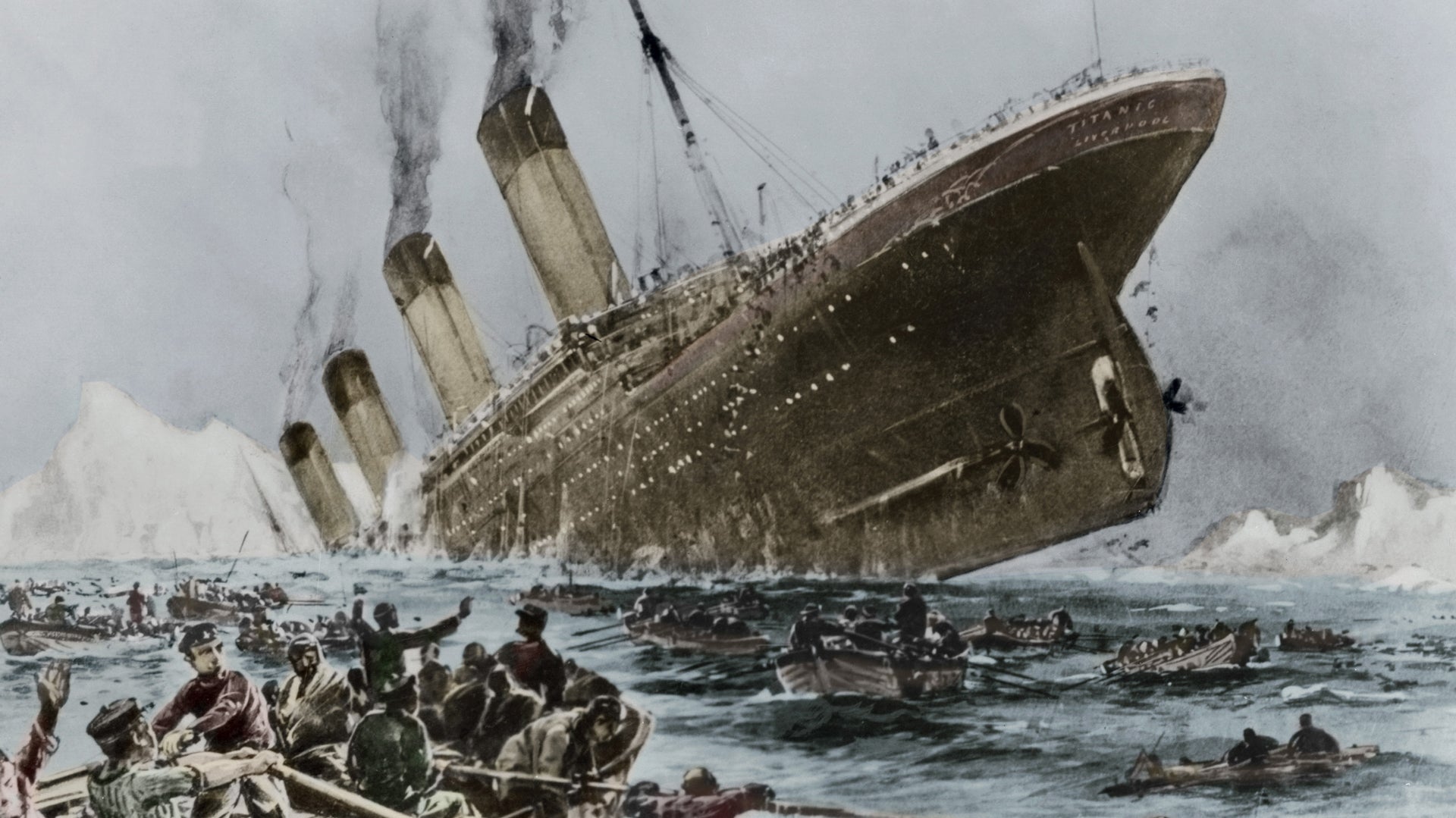
RMS Titanic sailing on its maiden voyage before its tragic sinking
What Happened?
The Titanic set sail from Southampton, England on April 10, 1912, carrying more than 2,200 passengers and crew. It was a marvel of engineering—nearly 900 feet long, fitted with lavish decor, and believed to be practically unsinkable. But arrogance ran faster than caution.
At full speed and without enough lifeboats, the Titanic struck an iceberg just before midnight on April 14. The collision ripped open at least five compartments in the lower hull. Water spilled over from one to the next, dragging the massive ship down in pieces. By 2:20 a.m., it was gone.
Most of the lifeboats were launched half-full, and the crew had never practiced proper emergency drills. As the cold Atlantic swallowed the ship, passengers who couldn’t escape were left to either sink with it or freeze in the water. Women and children were prioritized, but over 1,500 people died—including wealthy elites like John Jacob Astor and entire families from third class.
Nearby ships failed to respond in time, but the RMS Carpathia arrived nearly two hours later to rescue the 710 survivors. Public outrage followed. Investigations led to international rules requiring lifeboats for all, constant radio watches, and the creation of the International Ice Patrol.
The Titanic's wreck wasn’t found until 1985, resting nearly 13,000 feet below the ocean surface. For many, it’s more than a shipwreck—it’s a warning. One that says even our greatest inventions aren’t immune to nature, and that planning for the worst isn’t pessimism—it’s survival.
Why It Matters
Titanic’s sinking wasn’t just a tragedy—it was a wake-up call. It exposed how greed, class inequality, and overconfidence in technology can cost lives. But the aftermath also proved how global cooperation and better safety standards can emerge from disaster. The lessons of Titanic are about more than the sea—they’re about how we treat people when disaster strikes and who we choose to protect first.
?
Why do you think the Titanic didn’t have enough lifeboats, and what does that say about priorities at the time?
How did class and wealth affect who survived the Titanic disaster?
What safety changes were made after the Titanic sank—and are we still learning from these lessons today?
If the Titanic had hit the iceberg during the day, would the outcome have been different?
Why do you think the story of Titanic still captures our imagination over 100 years later?
Dig Deeper
In the morning of 10th April 1912 passengers began boarding the Titanic in Southampton, England, with many crowds gathering to watch the ship depart. Only days into the maiden voyage the Titanic was sinking after hitting an iceberg.
Related
The Bill of Rights: What Is It and What Does It Actually Do?
The Bill of Rights wasn’t added to the Constitution because everything was going great, it was added because the people didn’t trust the government. And they had every reason not to.
Federalists vs. Anti-Federalists: The Battle That Built the Constitution
One side feared chaos. The other feared tyranny. Together, they gave us the Constitution—and the Bill of Rights.
English Colonization: Roanoke, Jamestown, and Early Settlements
From vanished colonies and tobacco empires to pirates and indigenous resistance, the story of England’s first attempts at colonization in North America is anything but boring.
Further Reading
Stay curious!