

Chernobyl: The Nuclear Disaster That Shook the World
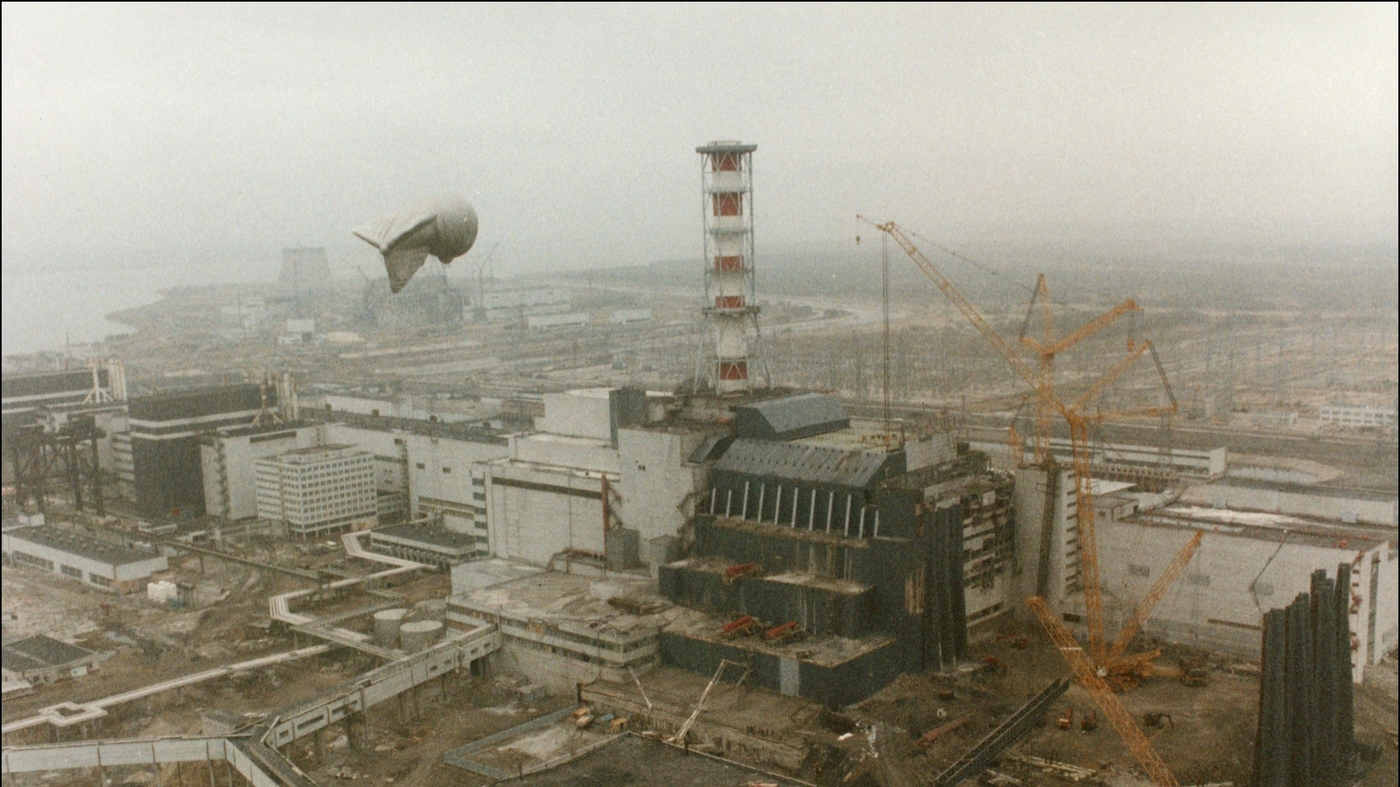
Aerial view of the destroyed Chernobyl nuclear reactor and the surrounding contaminated zone
What Happened?
Late on April 25, 1986, engineers at Reactor No. 4 in Chernobyl, Ukraine, disabled safety systems to test whether the reactor's turbines could power emergency water pumps. With unstable conditions brewing and reactor output dangerously low, the test proceeded anyway.
At 1:23 a.m., a catastrophic chain reaction began. A surge in power, a fatal design flaw in the reactor’s graphite-tipped control rods, and human error triggered a steam explosion and chemical fires, blasting radioactive material into the atmosphere. More than 50 tons of nuclear fuel were released into the air.
In the immediate aftermath, 32 people died from the explosion or acute radiation sickness. Over the following decades, thousands more—particularly children exposed to radioactive iodine—developed thyroid cancer and other radiation-linked illnesses.
The Soviet government initially denied the scope of the disaster. Only after radiation alarms went off 800 miles away in Sweden did the world learn something had gone horribly wrong. By then, radioactive particles had drifted across Europe.
Pripyat, the nearby workers’ city of 30,000, was evacuated too late to prevent widespread exposure. Ultimately, more than 350,000 people across Ukraine, Belarus, and Russia were displaced—many never to return to their homes.
Chernobyl's legacy is etched into both the landscape and human memory: a 19-mile exclusion zone still deemed unsafe, abandoned towns frozen in time, and generations grappling with invisible damage. Even today, scientists and historians wrestle with understanding all the disaster’s effects.
Why It Matters
Chernobyl shattered the myth that technology alone could guarantee safety—and proved that when governments silence truth, disasters don't stay local. It forced the world to confront the staggering risks of nuclear power, the costs of secrecy, and the ethical weight of managing technology that can alter life on a planetary scale.
?
What design flaws contributed to the Chernobyl explosion?
Why did the Soviet government initially cover up the scale of the disaster?
What were the long-term environmental impacts of the Chernobyl fallout?
How did Chernobyl influence nuclear energy policies worldwide?
What lessons about government accountability and transparency were learned—or ignored—from the Chernobyl disaster?
Dig Deeper
More than 30 years on from the disaster that made its name infamous, the Chernobyl nuclear power plant still holds an uneasy fascination for many. But what really happened? And why did it send shockwaves throughout the world?
Related
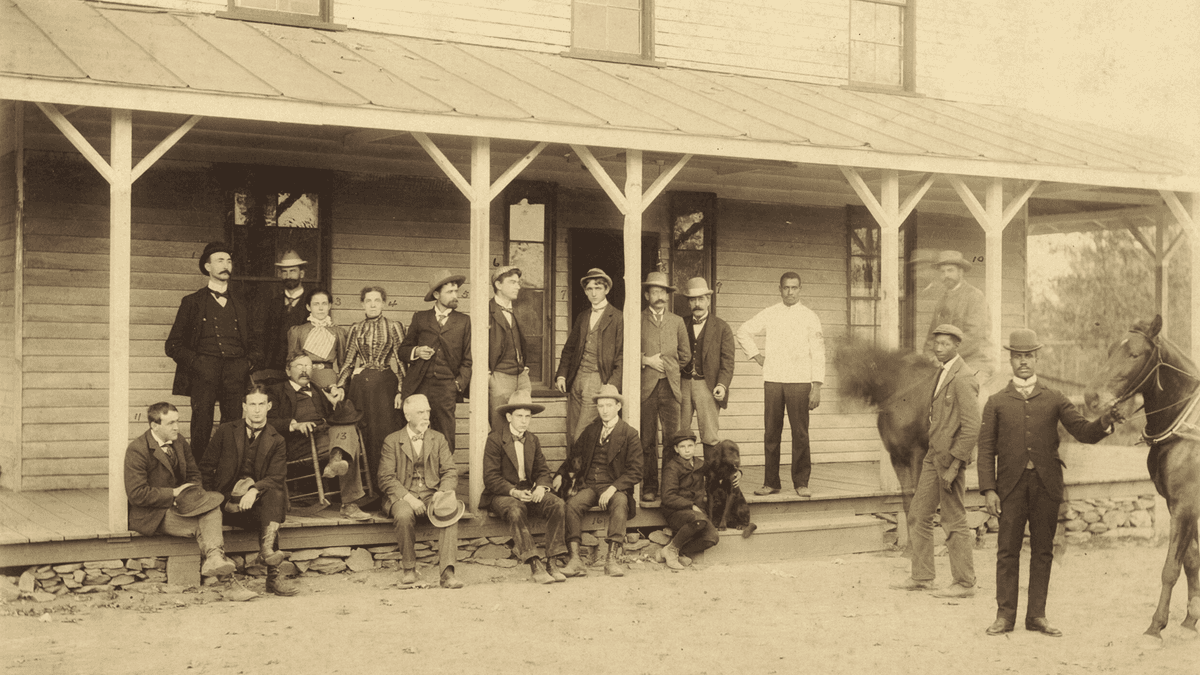
Reed Gold Mine: The First American Gold Rush
The first gold rush in U.S. history began not in California, but in North Carolina—thanks to a doorstop, a 12-year-old boy, and a lucky find in a creek.
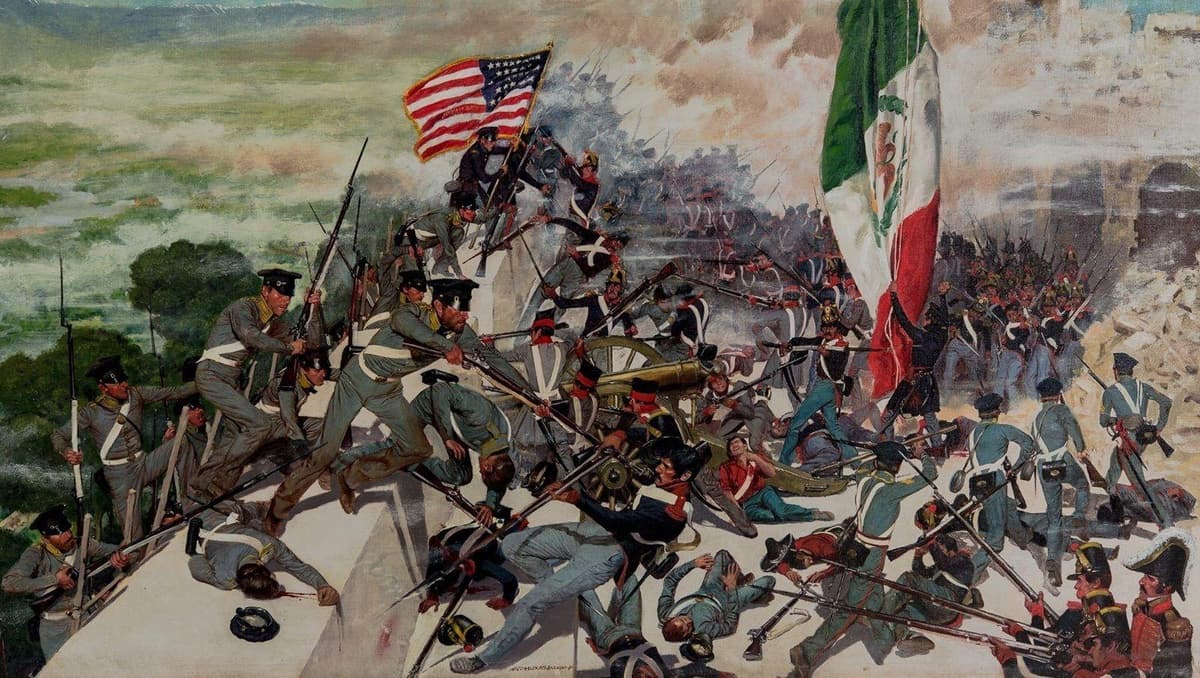
The U.S.-Mexico War
On May 13, 1846, the U.S. Congress declared war on Mexico. Behind the scenes? Land lust, slave politics, and a president with a map in one hand and a match in the other.
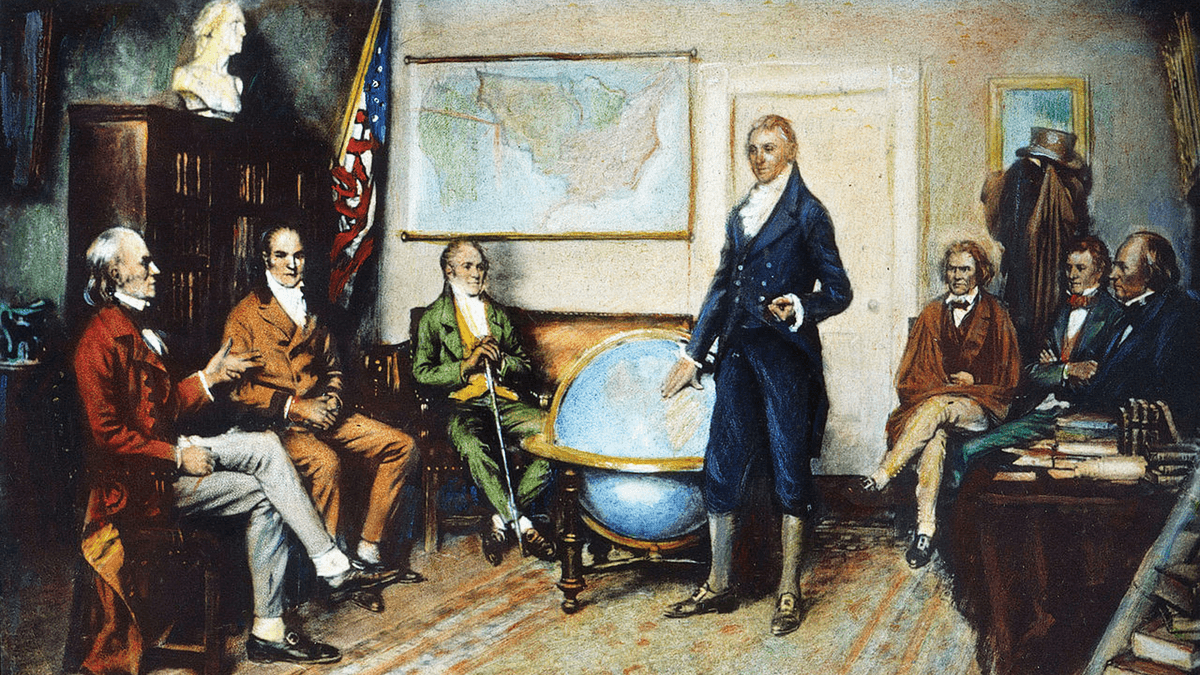
The Monroe Doctrine
How a young United States told the world to stay out of the Western Hemisphere—and what that meant for the Americas.
Further Reading
Stay curious!