

Hernandez v. Texas Expands Civil Rights Protections
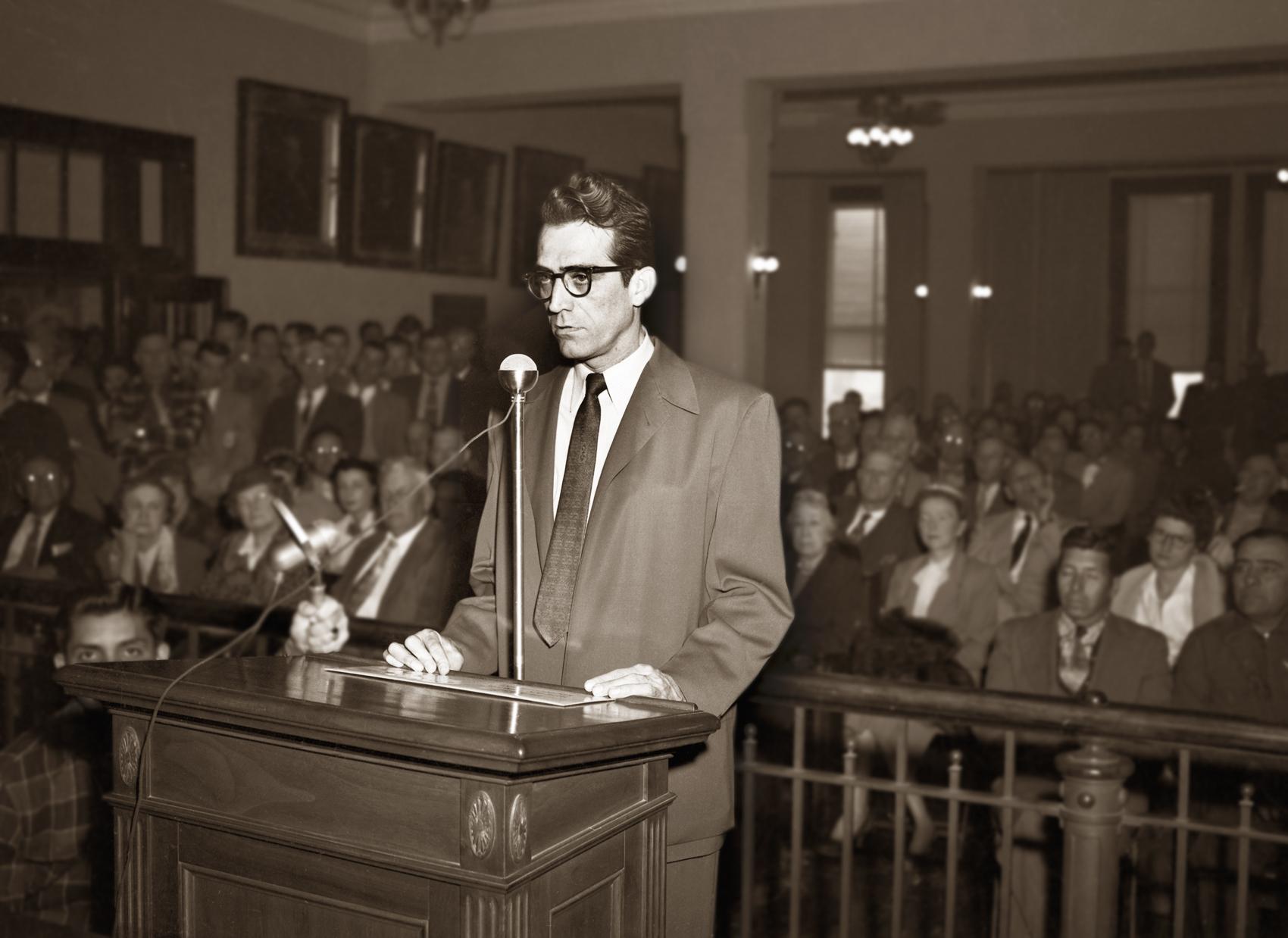
In a unanimous decision, the Supreme Court ruled that all racial and ethnic groups—including Mexican Americans—deserved equal protection under the Constitution.
What Happened?
Pete Hernandez, a Mexican American farmworker from Texas, was accused of murder in 1951 and convicted by an all-white jury—despite living in a county with a large Mexican American population.
His lawyers, led by Gus Garcia and Carlos Cadena, dug through jury records and found that no one with a Hispanic surname had served on a jury in that county in over 25 years. Their argument? Hernandez wasn’t tried by a jury of his peers—and that violated his constitutional rights.
Texas didn’t deny the exclusion. Instead, it doubled down, claiming that Mexican Americans were 'white' and therefore protected from discrimination wasn’t necessary. The Fourteenth Amendment, they said, only applied to Black Americans.
But the Supreme Court disagreed. Chief Justice Earl Warren delivered the opinion: the Constitution doesn’t operate on a 'two-class theory.' It protects all people facing discrimination—Black, brown, or otherwise.
The ruling didn’t erase racism, but it redefined the legal playing field. For the first time, Mexican Americans were legally recognized as a group subject to discrimination—and therefore entitled to equal protection. It paved the way for challenges to segregation in schools, jobs, housing, and more. It made clear: equal justice means justice for everyone.
Why It Matters
Hernandez v. Texas forced the nation to face a deeper truth: civil rights aren’t just about two groups, they’re about fairness for all. The ruling opened the door for other communities—Latino, Asian American, Indigenous, and more—to challenge discrimination in court. It was a turning point in the fight for justice, and a reminder that America’s promise must be shared by everyone.
?
Why was it important that Hernandez be tried by a jury that included people from his own community?
What does the phrase 'a class apart' mean, and how did it apply to Mexican Americans in Texas?
Why did the Supreme Court reject the idea that the Fourteenth Amendment only protected Black and white Americans?
How did this case help lay the groundwork for later civil rights victories?
Can you think of a time when a law didn’t reflect the real-life experiences of a group of people? How might courts help change that?
Dig Deeper
Explore the landmark case that expanded civil rights protections to Mexican Americans, featuring interviews, archival footage, and legal insight into how 'a class apart' changed American law.
Related
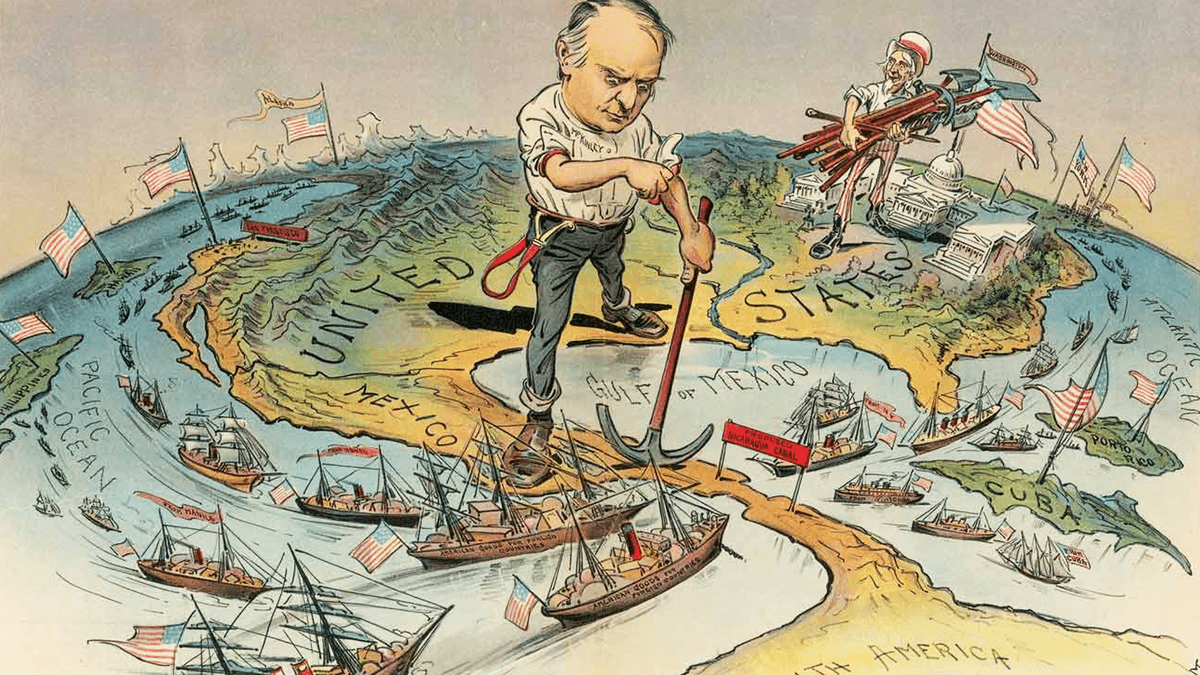
U.S. Imperialism: The Spanish-American War and Its Aftermath
In 1898, the United States fought Spain in a short war that reshaped its identity—from a republic born in anti-colonial revolution to a global imperial power with overseas territories.
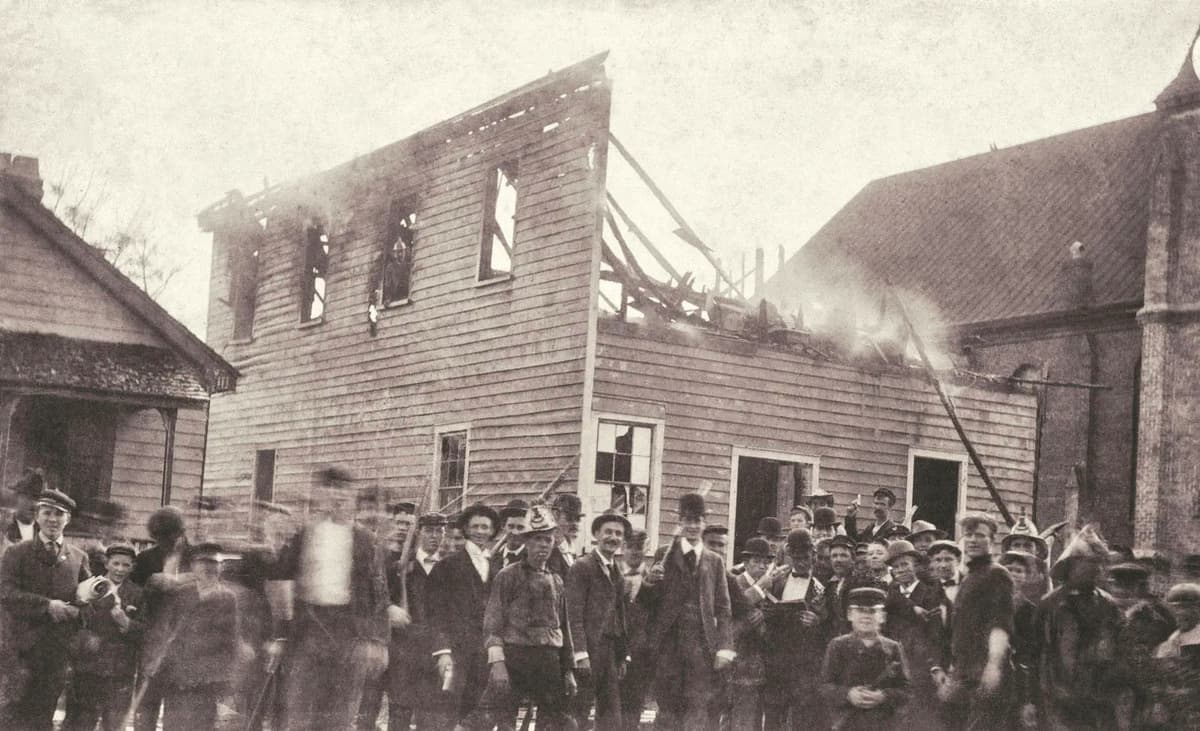
The Wilmington Coup: When Democracy Was Burned Down
In 1898, Wilmington, North Carolina had a thriving Black middle class, a multiracial government — and then a white mob overthrew it. Armed. Organized. Violent. This was no riot. It was a coup.
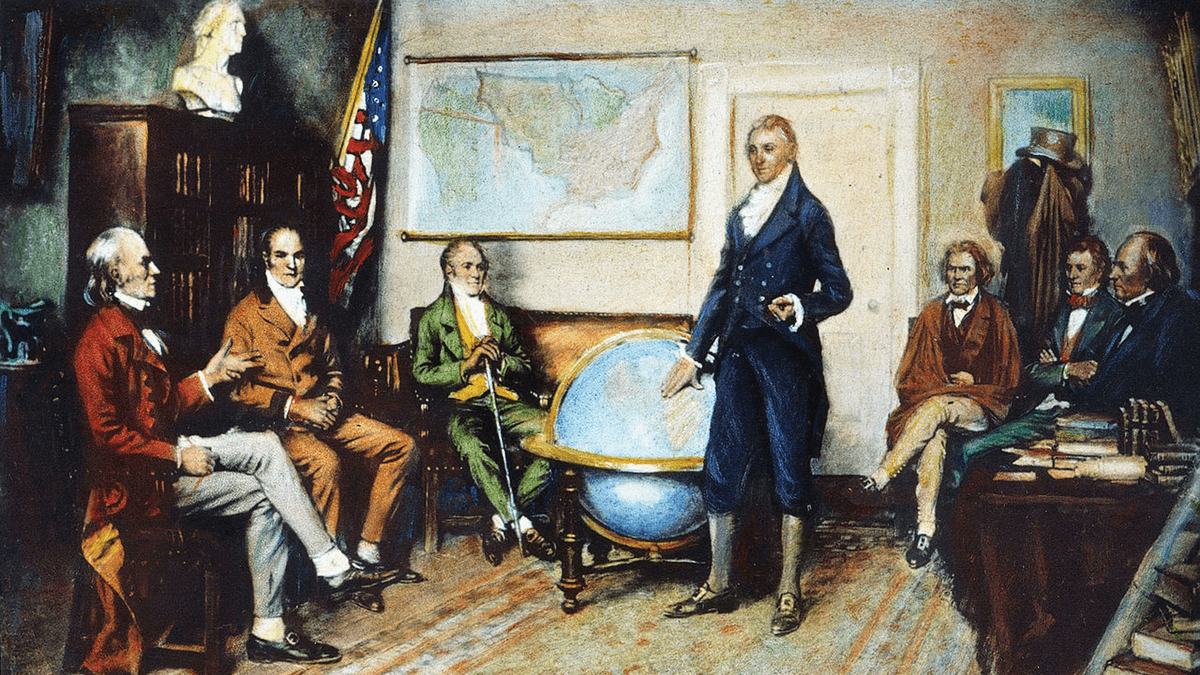
The Monroe Doctrine
How a young United States told the world to stay out of the Western Hemisphere—and what that meant for the Americas.
Further Reading
Stay curious!