

The Great Emigration Begins: Oregon or Bust!
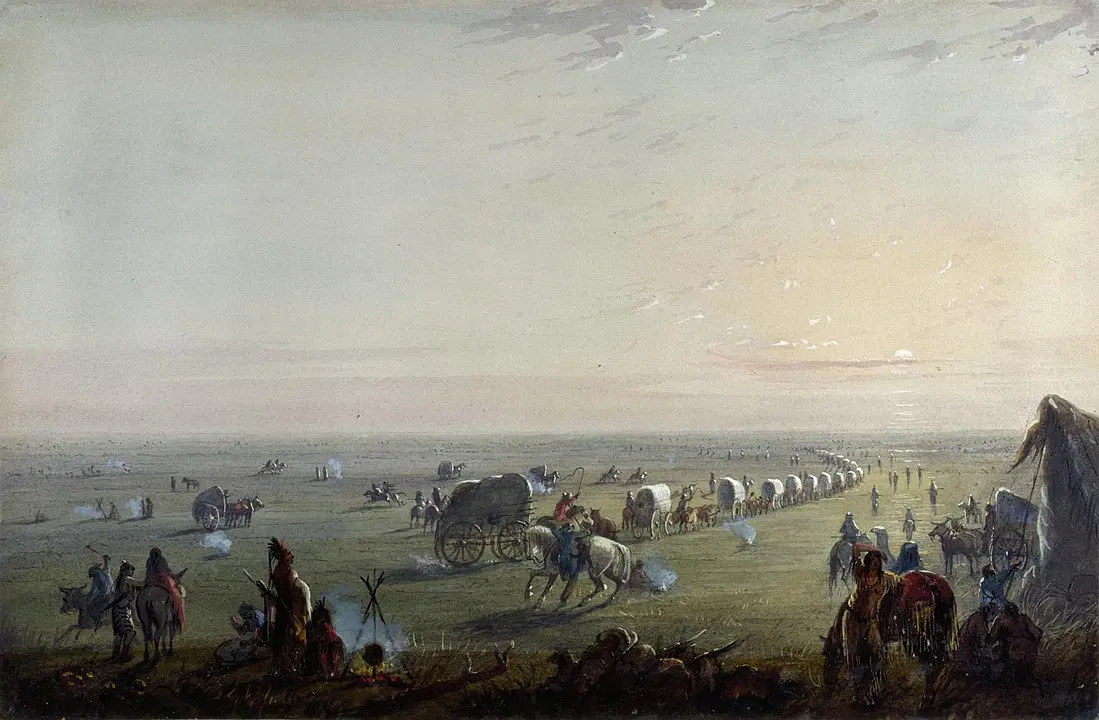
Illustration of covered wagons rolling across the Great Plains during the Great Emigration of 1843.
What Happened?
The Oregon Trail didn’t start as a dream—it started as a dirt path forged by trappers, traders, and missionaries. But in the early 1840s, that narrow trail turned into a superhighway for settlers fleeing economic depression in the Midwest and chasing the lure of free land in the Willamette Valley.
By 1843, the buzz had reached a fever pitch. Books, sermons, and sketchy government handouts painted Oregon as a kind of paradise: rich farmland, perfect climate, and—allegedly—none of the disease that plagued the East. Whether it was fact or fantasy didn’t matter. A thousand people bought into it. On May 22, they rolled west.
Their convoy stretched for miles: 120 wagons, thousands of oxen and cattle, and a ton of grit. Missionary Dr. Elijah White served as guide, and they followed the Platte River, crossed the Rockies via South Pass, and pressed toward the Columbia River. At night, the wagons circled up for safety. Disease, drownings, and falling under wagon wheels were bigger threats than Native attacks, though settlers feared those, too.
This 'Great Emigration' proved one thing—wagons could make it. That lit the fuse on the Oregon Trail explosion. Within two years, thousands more followed, drawn by the promise of free land and a fresh start. By the time the Barlow Road opened in 1846, wagons were rolling straight into the Willamette Valley.
It wasn’t just geography that changed. These migrations shifted the balance of power. They pressured Congress to formally claim Oregon. They displaced Indigenous communities who had lived on this land for centuries. And they hardened the American belief in Manifest Destiny—the idea that white settlers had a divine right to expand west, no matter who was already there.
Why It Matters
The Great Emigration wasn’t just a road trip—it was a statement. These pioneers didn’t just move across a map, they redrew it. Their journey helped set the stage for America’s westward expansion, the annexation of Oregon, and the eventual clash between North and South over new territories. But it also reminds us of the human cost of dreams—of risk, hope, and who gets left behind when history moves forward.
?
What challenges did pioneers face along the Oregon Trail?
Why were so many people willing to leave their homes and risk the journey?
How did the Oregon Trail impact Indigenous communities in the West?
What role did the idea of Manifest Destiny play in westward migration?
How did the Oregon Trail change the map of the United States?
Dig Deeper
From endless walking to dangerous river crossings, life on the Oregon Trail was a blend of boredom, bravery, and back-breaking labor. This video breaks down what it really took to go west.
Related
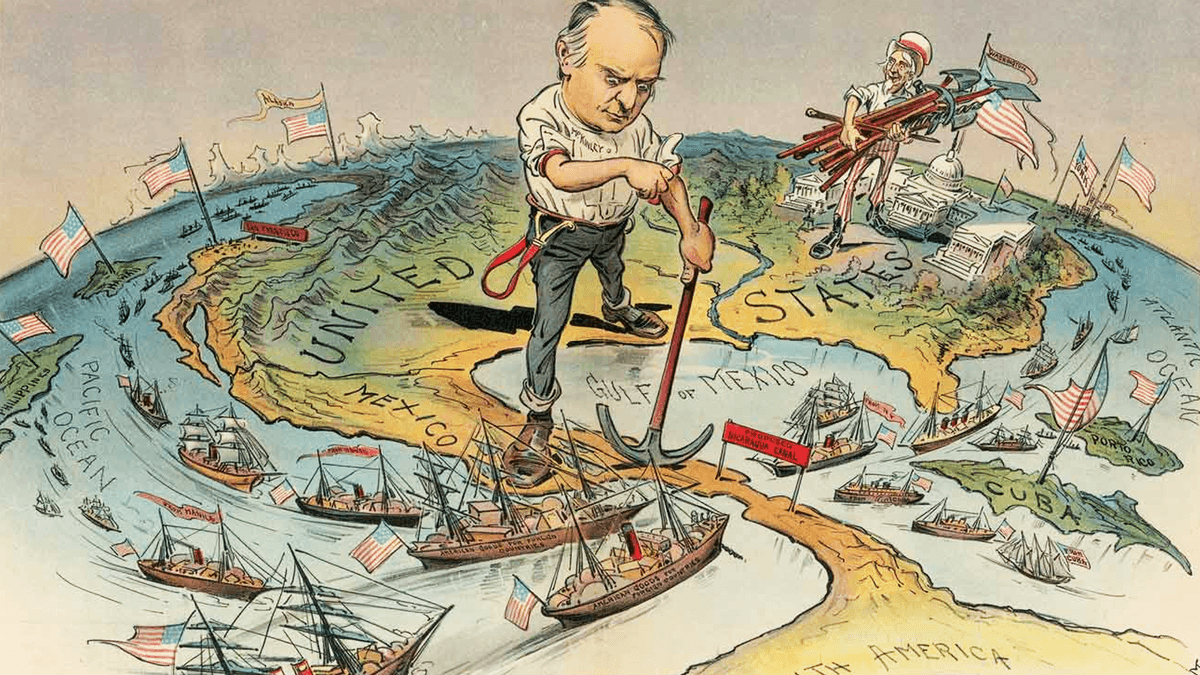
U.S. Imperialism: The Spanish-American War and Its Aftermath
In 1898, the United States fought Spain in a short war that reshaped its identity—from a republic born in anti-colonial revolution to a global imperial power with overseas territories.
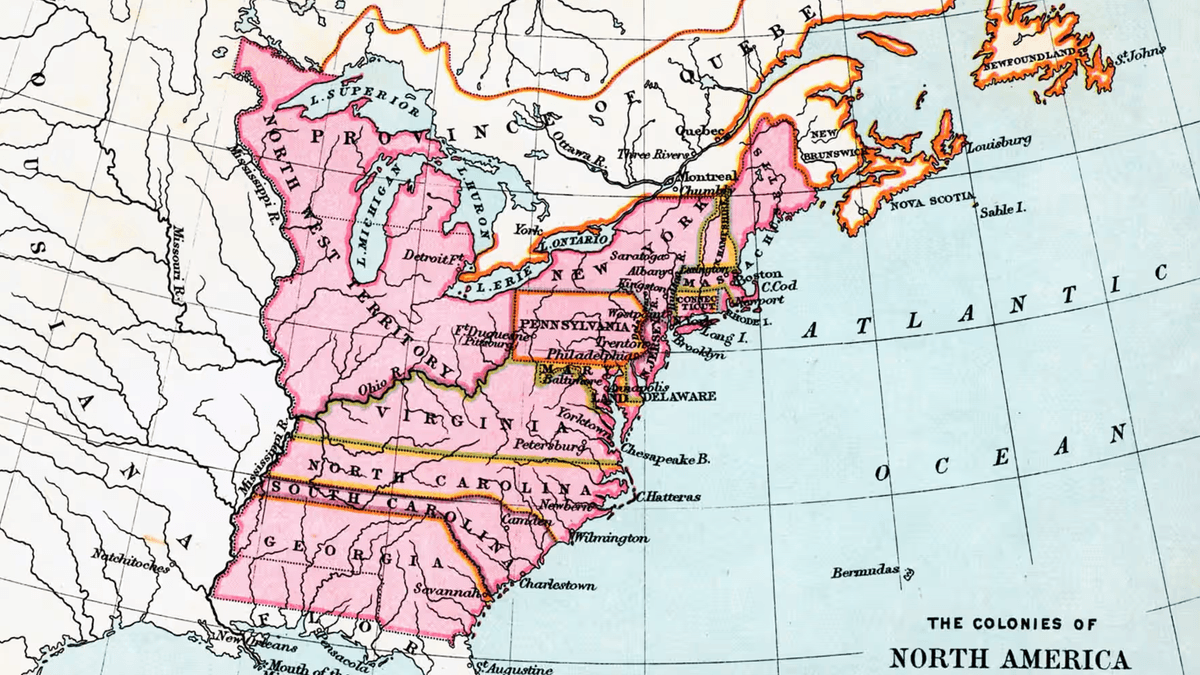
The 13 Colonies: Seeds of a New Nation
How did thirteen scattered colonies along the Atlantic coast grow into the foundation of a new nation?

The Gulf of Tonkin Incident: A Turning Point in the Vietnam War
A disputed naval encounter that led to full-scale U.S. involvement in Vietnam—and raised lasting questions about power, truth, and war.
Further Reading
Stay curious!