

D-Day: The Invasion That Changed Everything
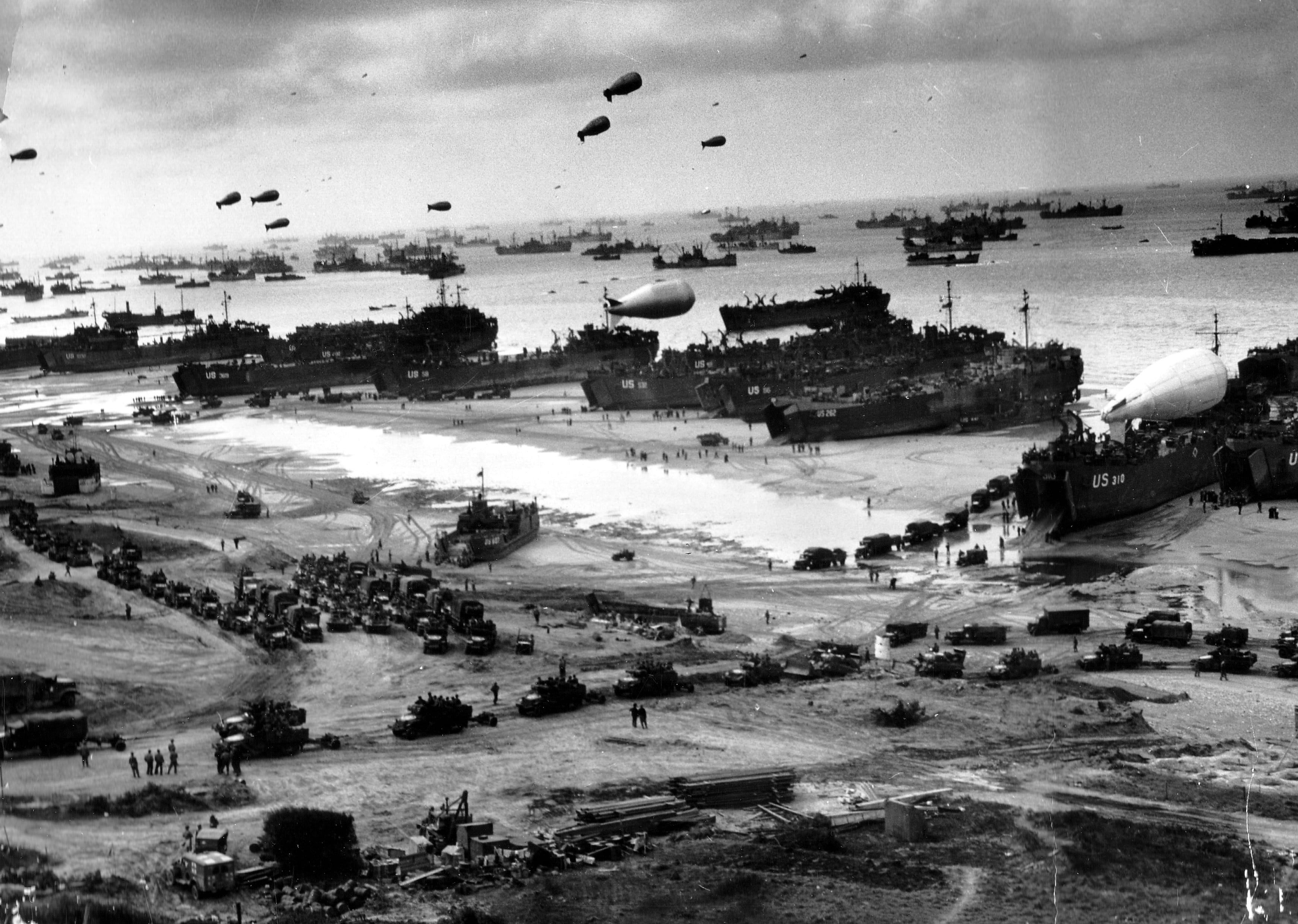
American troops land under heavy fire at Omaha Beach during the D-Day invasion.
What Happened?
Dawn broke on June 6, 1944, and with it came a thunder of engines and hearts. Operation Overlord—the most ambitious military assault in modern history—was underway. Over 5,000 ships and 11,000 aircraft had crossed the Channel in the dead of night. By first light, 18,000 paratroopers had already landed behind enemy lines. At 6:30 a.m., American forces hit the sand at Utah and Omaha beaches. The British and Canadians landed at Gold, Juno, and Sword.
At Utah Beach, the landings went relatively smoothly. But at Omaha, it was a bloodbath. U.S. troops were met with fierce resistance from German forces dug into bunkers, hills, and cliffs. The First Infantry Division faced mines, machine-gun nests, and deadly surf. Some never made it past the tide. Others pressed forward, inch by inch, leaving a trail of sacrifice in their wake.
Despite chaos and heavy casualties—over 4,000 Allied troops killed and thousands more wounded—by nightfall, over 155,000 soldiers had stormed the beaches and pushed inland. Within days, the Allies had secured a crucial foothold. By the end of June, over 850,000 troops and 150,000 vehicles had crossed into France.
The German response was paralyzed by misjudgments and miscommunication. Hitler believed the landings were a distraction, and held back vital reinforcements. Field Marshal Rommel, the man tasked with defending the Atlantic Wall, was away on leave. Allied deception campaigns—including phantom armies and fake radio traffic—had worked.
The goal was more than just holding ground. It was to fracture Hitler’s grip on Europe. And it worked. The Normandy invasion broke the back of Nazi defenses in the west and prevented Germany from reinforcing the Eastern Front. By August, Paris was liberated. Less than a year later, Germany surrendered.
D-Day wasn’t a single moment—it was a turning point. The courage of ordinary soldiers, backed by extraordinary logistics and a shared belief in freedom, helped bring an end to one of the darkest chapters in human history. Their legacy reminds us: tyranny can be toppled, but not without immense cost and collective courage.
Why It Matters
D-Day didn’t just open a beachhead—it opened the final chapter in the fight against fascism. The Allied landings in Normandy marked a seismic shift in World War II, turning the tide of history toward liberation, justice, and hope. It was a triumph of strategy, deception, sacrifice, and scale—proof that democracy can fight back. And win.
?
What factors helped the Allies succeed in such a high-risk invasion?
How did the deception campaign before D-Day influence its outcome?
What were the strategic goals of Operation Overlord beyond the beaches?
Why was Omaha Beach so much deadlier than the other landing zones?
How did D-Day shape the post-war balance of power in Europe?
Dig Deeper
By June 6th 1944, the Allies had landed 150,000 men in Normandy. The five beaches were secure and the troops were pushing inland. The Allies had gained air and sea superiority, but it came at a great cost.
Related

Developments in East Asia, 1200–1450
From Confucian bureaucracies to booming cities, East Asia between 1200–1450 reshaped global politics, culture, and technology.
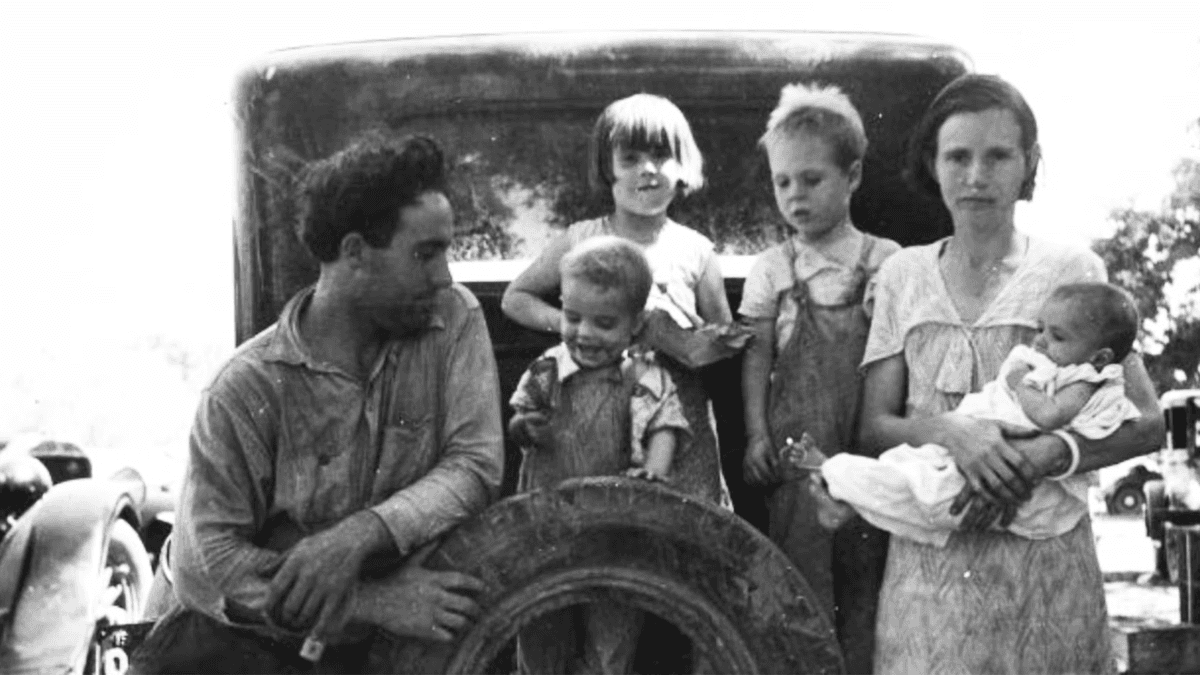
The Great Depression: America in Crisis
The Great Depression was more than a stock market crash — it was a decade-long test of American resilience that reshaped the nation's economy, politics, and daily life.
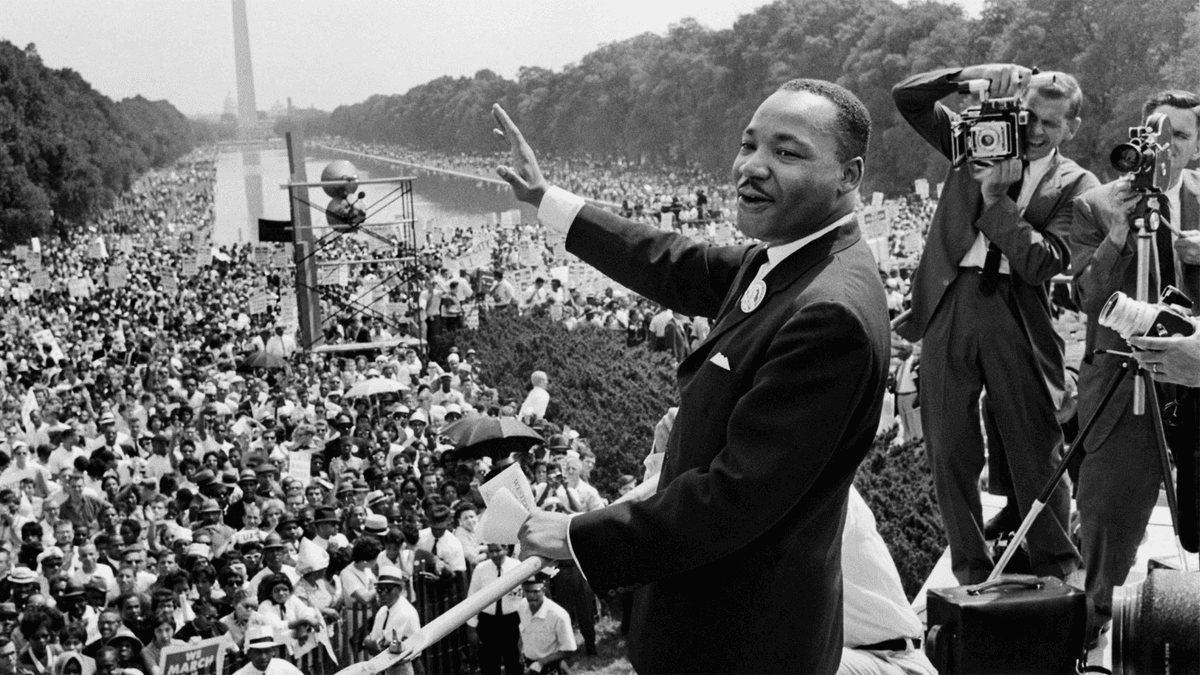
The Civil Rights Movement: Struggle, Solidarity, and Social Change
From classrooms to courthouses, buses to bridges, the Civil Rights Movement reshaped America’s laws — and its conscience.
Further Reading
Stay curious!