

What to the Slave Is the Fourth of July?
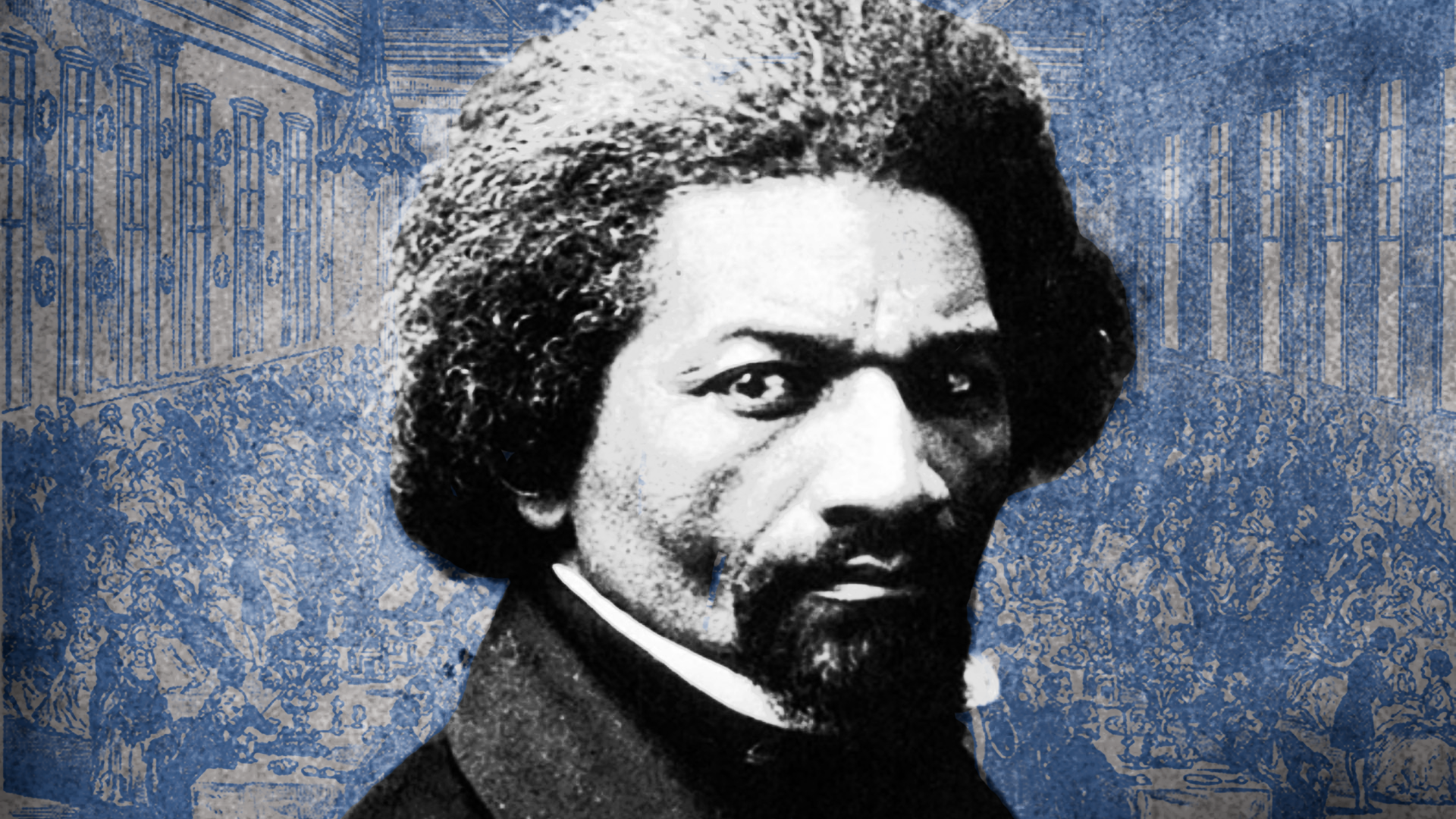
While the nation celebrated its independence, Frederick Douglass stood on a stage in Rochester, New York, and asked the question that still reverberates today: What does freedom mean in a country built on slavery?
What Happened?
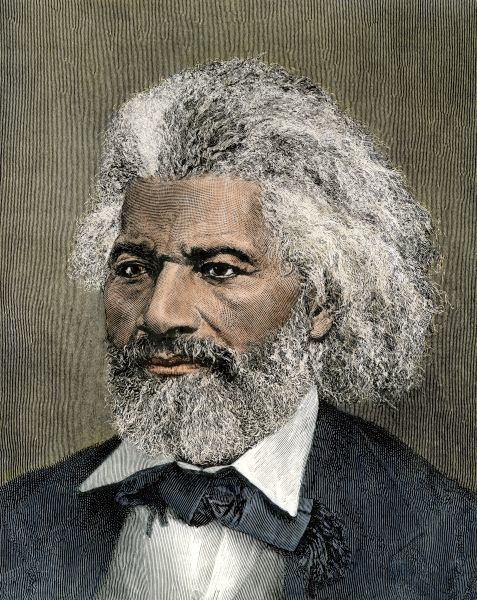
On July 5, 1852, at Corinthian Hall in Rochester, New York, abolitionist and formerly enslaved orator Frederick Douglass stepped onto a stage and dropped a truth bomb that still shakes the foundations of American memory. Invited to speak at an Independence Day event hosted by the Rochester Ladies’ Anti-Slavery Society, Douglass didn’t offer patriotic fanfare. Instead, he delivered a fearless, fiery indictment of American hypocrisy titled 'What to the Slave Is the Fourth of July?'
Douglass began by acknowledging the brilliance and bravery of the Founding Fathers. But then he shifted. And he didn’t flinch. 'This Fourth of July is yours, not mine. You may rejoice, I must mourn,' he declared. It was a seismic moral pivot: a reminder that the country built on liberty had never extended that liberty to all.
At the time, nearly four million Black Americans remained enslaved. Douglass exposed the paradox of a nation that celebrated freedom while enforcing bondage. 'To drag a man in fetters into the grand illuminated temple of liberty, and call upon him to join you in joyous anthems, is inhuman mockery,' he thundered.
Douglass knew exactly what he was doing. His speech wasn’t a rejection of the Declaration of Independence—it was an appeal to live up to its promise. He called out not just slavery, but the churches, the politicians, and the courts that upheld it. His message? Don’t just wave the flag. Earn it.
More than a century and a half later, his words still haunt and inspire. They remind us that freedom has always been unfinished business. That celebration without justice is a hollow ritual. And that true patriotism is measured not by fireworks, but by the courage to confront our national contradictions.
Douglass would go on to become the most photographed American of the 19th century, a bestselling author, and a trusted advisor to Abraham Lincoln. But this moment—standing in that hall, speaking truth to a crowd that didn’t know what hit them—is one of the boldest acts of rhetorical resistance in American history.
Why It Matters
Frederick Douglass’ speech wasn’t just about slavery—it was about the soul of a nation. It forces us to ask: Who gets to celebrate freedom? Who gets to define liberty? And how do we reconcile our founding ideals with our lived realities? His words remain a radical blueprint for civic courage and a challenge to every generation to make justice real.
?
Why did Douglass choose July 5 instead of July 4 to deliver his speech?
What rhetorical strategies did Douglass use to critique American hypocrisy?
How did Douglass balance praise for the Founders with condemnation of slavery?
In what ways is this speech still relevant in today’s conversations about freedom and justice?
How did Douglass’ personal experience with slavery inform the urgency of his message?
Dig Deeper
A powerful reading of Douglass’ famous speech by his descendants, reminding us of its lasting relevance in today’s America.
Related
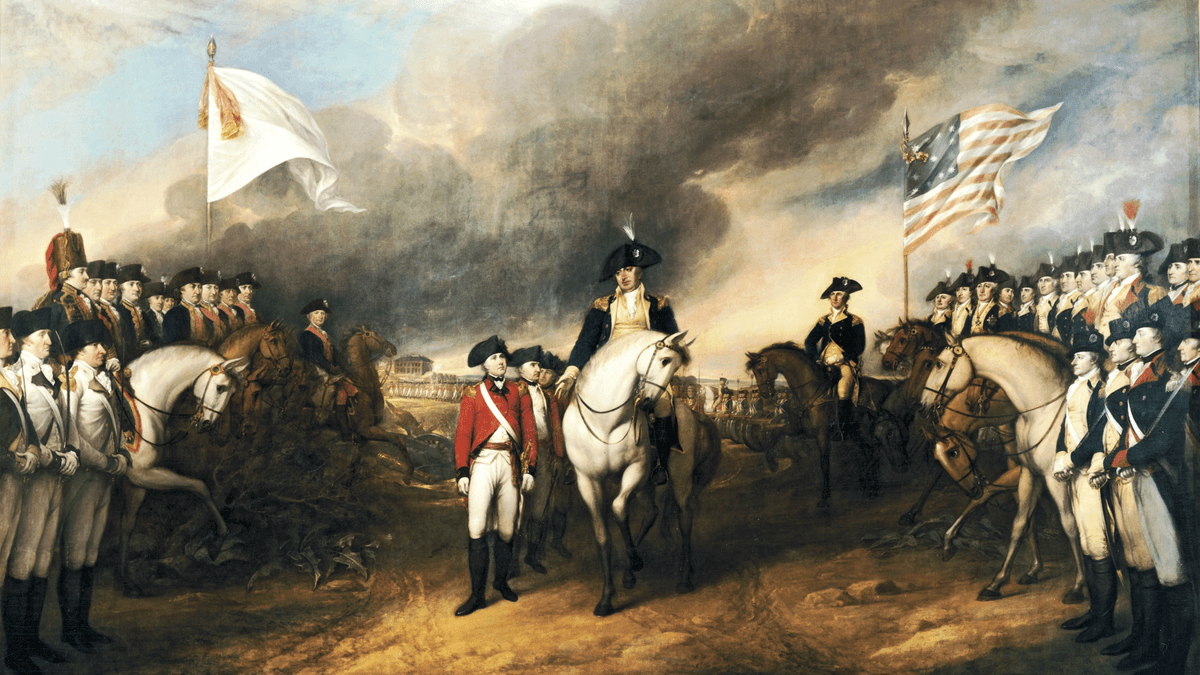
American Revolutionary War: From Protest to a New Nation
How arguments over taxes and rights grew into an eight-year war—and how ideas, allies, and perseverance turned thirteen colonies into the United States.
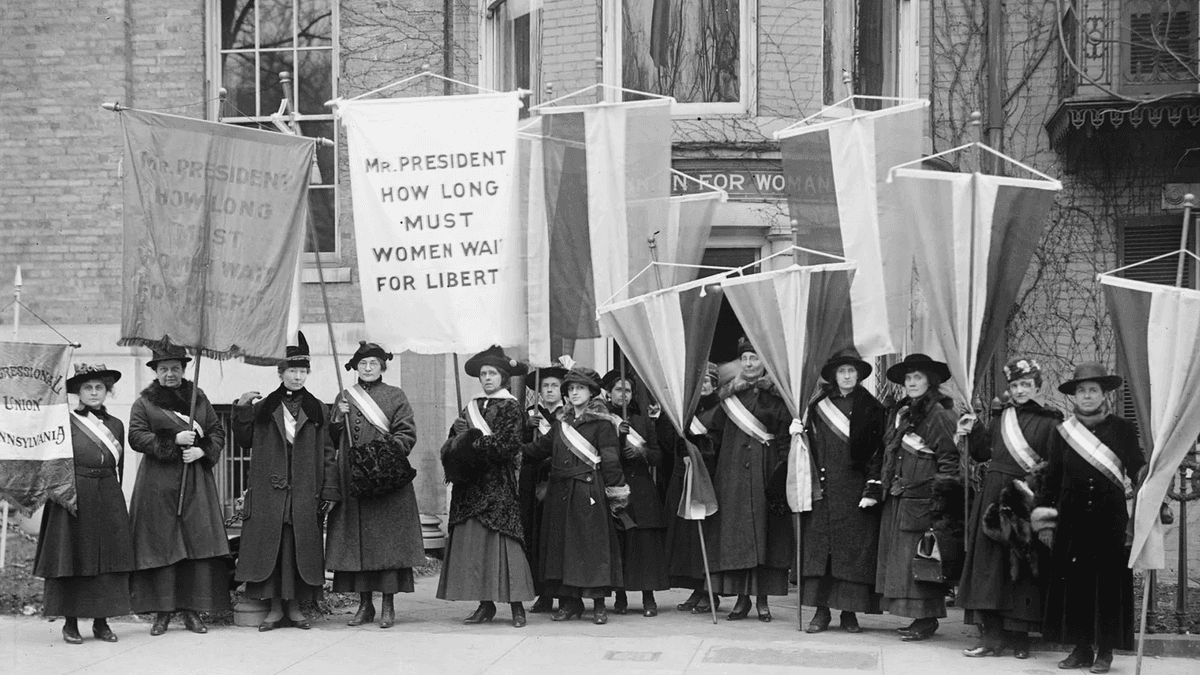
The Progressive Era: Reform, Regulation, and the Limits of Change
From breaking up monopolies to marching for women’s votes, the Progressive Era sought to fix America’s problems — but often left some voices out of the conversation.
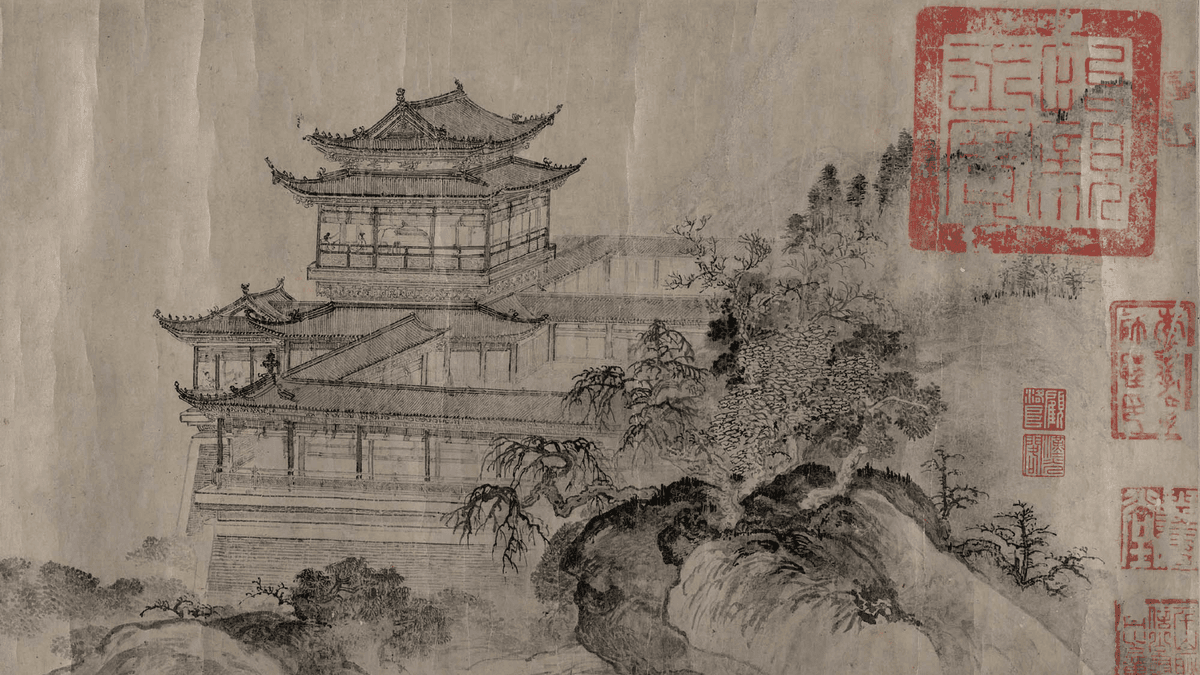
Developments in East Asia, 1200–1450
From Confucian bureaucracies to booming cities, East Asia between 1200–1450 reshaped global politics, culture, and technology.
Further Reading
Stay curious!